




Great service. We ordered topsoil from Mulch Mound and the best experience. Thank you so much!
About this soil
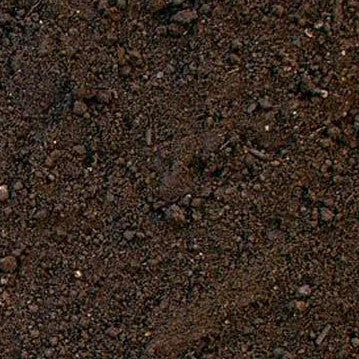
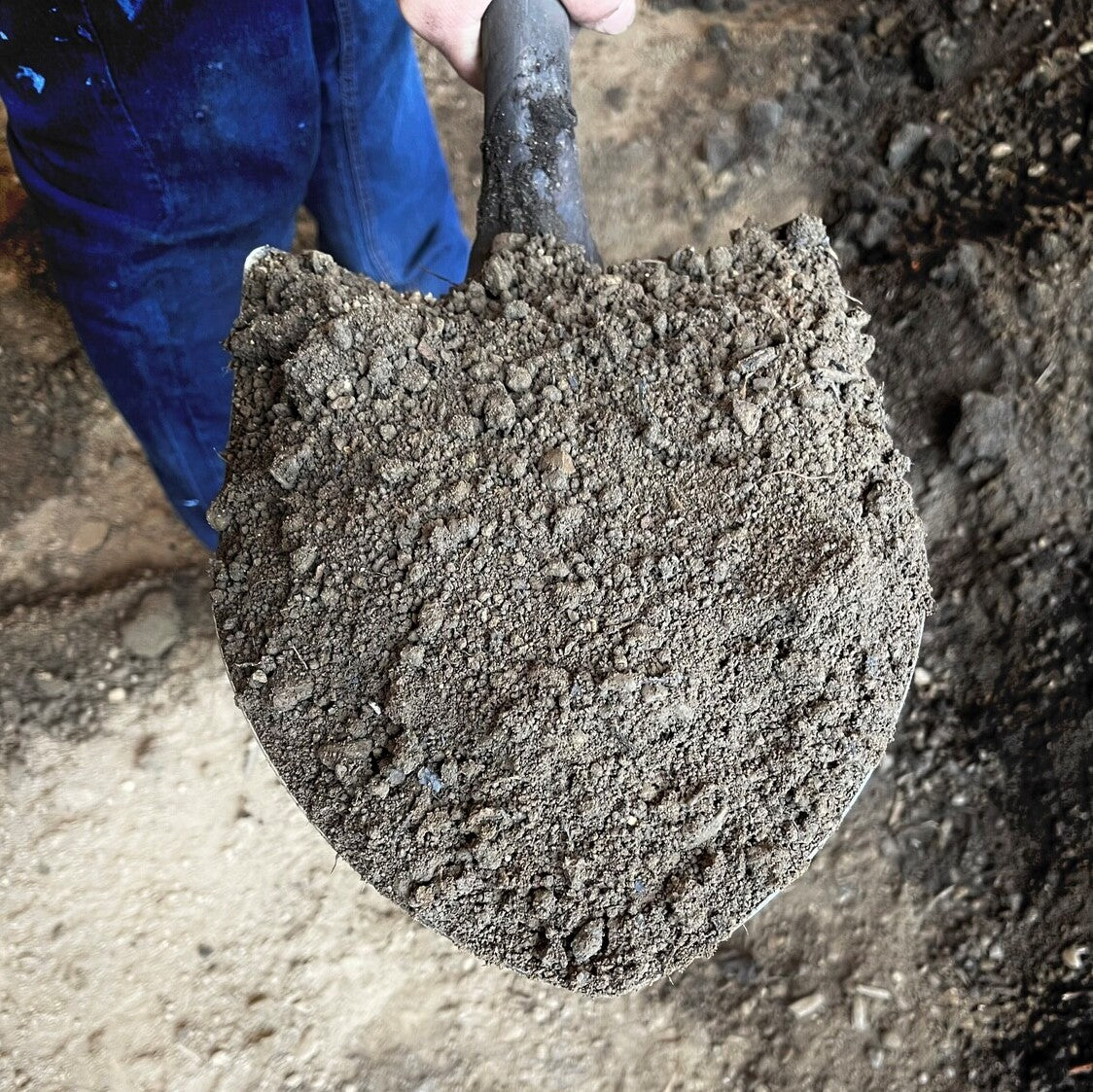
Quality topsoil for lawns, gardens, and landscape projects. Nutrient rich and ready to support strong root development and healthy plant establishment.
Great service. We ordered topsoil from Mulch Mound and the best experience. Thank you so much!
Tell us what you're looking for
Thanks! We received your request.
Something went wrong. Please try again.
How Much Material Do I Need?
How Much Material Do I Need?
For garden bed improvements in Beachwood, a minimum of 4 inches of quality soil mixed into the existing sandy loam is needed to meaningfully improve water retention and root depth. Lawn leveling applications typically need 1 to 2 inches of screened topsoil spread across the target area and raked smooth before seeding.
Use our free soil calculator
What is a yards?
What is a yards?
FAQs
FAQs
Beachwood Soil Delivery
Beachwood Soil Delivery
Regular price
$45.00
per
yards
Regular price
Sale price
$45.00
Unit price
per
Shipping calculated at checkout.
Minimum of 3 yards
Couldn't load pickup availability
Not currently available
We can't take orders for this right now. Tell us what you need and we'll get back to you.
Hand-picked local yards
4,000+ regional deliveries
Dedicated support
Why order through Mulch Mound
The best local soil, without the guesswork.
We hand-pick and partner with the best yards in your region, keep only the ones our buyers rate well, and back each load with our guarantee.
Mulch Mound Guarantee
If your soil isn't the quantity or quality you ordered, we'll make it right.
About this soil
Quality topsoil for lawns, gardens, and landscape projects. Nutrient rich and ready to support strong root development and healthy plant establishment.
Great service. We ordered topsoil from Mulch Mound and the best experience. Thank you so much!
How Much Material Do I Need?
How Much Material Do I Need?
For garden bed improvements in Beachwood, a minimum of 4 inches of quality soil mixed into the existing sandy loam is needed to meaningfully improve water retention and root depth. Lawn leveling applications typically need 1 to 2 inches of screened topsoil spread across the target area and raked smooth before seeding.
Use our free soil calculator
What is a yards?
What is a yards?
FAQs
FAQs
Tell us what you're looking for
Thanks! We received your request.
Something went wrong. Please try again.
How It Works
Getting started is easy — just follow these simple steps
1
Choose your soil
Make sure you adjust the quantity to your home's needs. You can use our calculator to estimate how much you'll need.
2
Select your delivery date
Select a delivery date you'd like for the product to be dropped off at your home
3
Sit back and wait
Sit back, wait, and let us work our magic to make sure the highest quality product is delivered to your driveway.

Placing an order online was so easy. Delivery was on time. When the driver realized we had a newly poured driveway they erred on the side of cautio...
Read full review
Placing an order online was so easy. Delivery was on time. When the driver realized we had a newly poured driveway they erred on the side of caution and opted not ti drive in it. The company even sent me a message explaining that call. Would recommend!

Online ordering was really simple and I liked the transparent pricing.
Need Help Calculating How Much Soil You Need?
Use our NEW Trace from Satellite tool to get an estimate for your project based on an aerial view of your property
Try Our CalculatorFor soil projects in Beachwood, measure the area in square feet and determine how deep you need to go, keeping in mind that sandy loam tills and settles more than denser soils. A 4-inch application over a 500-square-foot garden bed requires just over 6 cubic yards. Plan for roughly 10 percent extra material in Beachwood because filling uneven ground and blending with existing sandy loam can use more volume than flat-surface calculations suggest.
Soil Types We Deliver in Beachwood
Whether you are refreshing a lawn, building raised beds, or regrading a yard, bulk soil delivery in Beachwood makes it easy to get the right material by the cubic yard, dropped straight to your property. The light, sandy soils common along this stretch of the Ocean County coast mean most yards benefit from added organic matter and quality topsoil to support healthy growth. We carry a range of soil types to match the needs of homeowners and landscapers throughout the area.
Top Soil
Our topsoil comes in screened and unscreened options, giving you the right texture for any project. Screened topsoil works well for lawn repairs, garden beds, and new plantings, offering a fine, workable blend that supports strong root development in the typically sandy, low-nutrient soils found throughout this part of New Jersey.
Fill Dirt
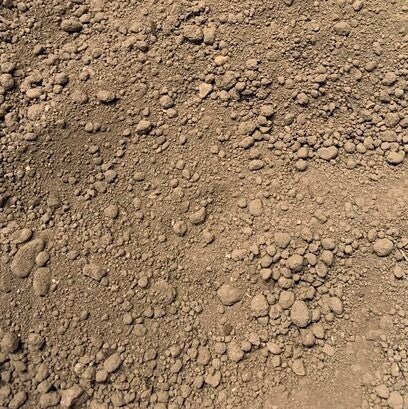
Fill dirt is unscreened topsoil best suited for grading, leveling low spots, and building up ground before a final layer of finer material. It offers a cost-effective solution for foundational work on residential lots where a polished finish is not the priority.
Garden Compost
A nutrient-rich organic amendment, garden compost improves the texture and fertility of the light, fast-draining soils common in coastal New Jersey. It blends well into existing beds and raised planters, helping to retain moisture and support vigorous plant growth through the warm, humid growing seasons here.
Mushroom Compost
Spent mushroom compost is a gentle, nutrient-rich amendment that improves soil structure without overwhelming plants. It works well mixed into garden beds and around established plantings, adding organic matter that helps offset the drainage-heavy, lower-nutrient conditions typical of this coastal region of New Jersey.
Complete Your Outdoor Soil Project
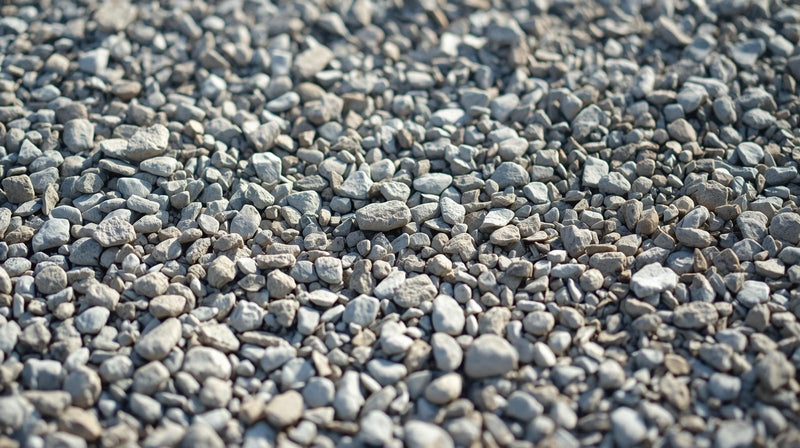
Pairing a soil delivery with mulch keeps your improved Beachwood beds protected from the sun and rain that would otherwise erode or dry out freshly placed topsoil. Adding a stone edging or pathway material defines your beds clearly and keeps foot traffic off the new soil while plants establish through the growing season.

Service area
Areas we deliver soil in Beachwood, New Jersey
Mulch Mound Pro Tip
Beachwood's sandy loam tends to compact unevenly when you spread bulk topsoil over it without any prep work. Before placing your new soil, rake the existing surface to break up any hardpan crust that forms on dry sandy loam, and lightly water the area. This helps the imported soil bond with what is already there rather than sitting as a separate layer that can shift or erode after Beachwood's heavier rain events.
Mulch Mound Pro Tip
Timing your soil delivery in Beachwood around the frost calendar makes a real difference in how quickly plants establish. If you are prepping beds for spring planting, schedule delivery for the last week of March so the soil has time to settle and warm before the April 7 last frost date passes. For fall projects, aim for early October so new seed or transplants have four to five weeks of root-building time before the first November frost arrives.
Mulch Mound Pro Tip
When filling raised beds or planters in Beachwood, resist the temptation to use 100 percent bulk topsoil. A blend of two parts topsoil to one part compost or aged organic matter performs much better in the coastal climate because it retains moisture during dry stretches while still draining fast enough to handle Beachwood's 46 inches of annual rainfall without waterlogging roots. This ratio builds a root environment that works with the local weather rather than against it.
The Unique Landscape of Beachwood
Beachwood's native sandy loam drains quickly and contains relatively low levels of organic matter, which creates real challenges for homeowners trying to establish lawns, garden beds, or raised planters. Importing quality bulk topsoil or garden soil is one of the most direct ways to correct these deficiencies and give plants the root environment they need to thrive in Zone 7a. With the growing season running from the last frost around April 7 through the first frost around November 5, Beachwood gardeners have roughly seven months to work with, and starting that season with properly amended soil makes a measurable difference in yields and plant health. Grade work around foundations is also a common need in Beachwood given the area's low elevation of 26 feet and the heavy rainfall totals that can direct water toward structures if the land is not sloped correctly. Whether you are filling raised beds, leveling a lawn, or improving drainage around a foundation, bulk soil delivered to your Beachwood property is far more practical than hauling bags from a garden center.