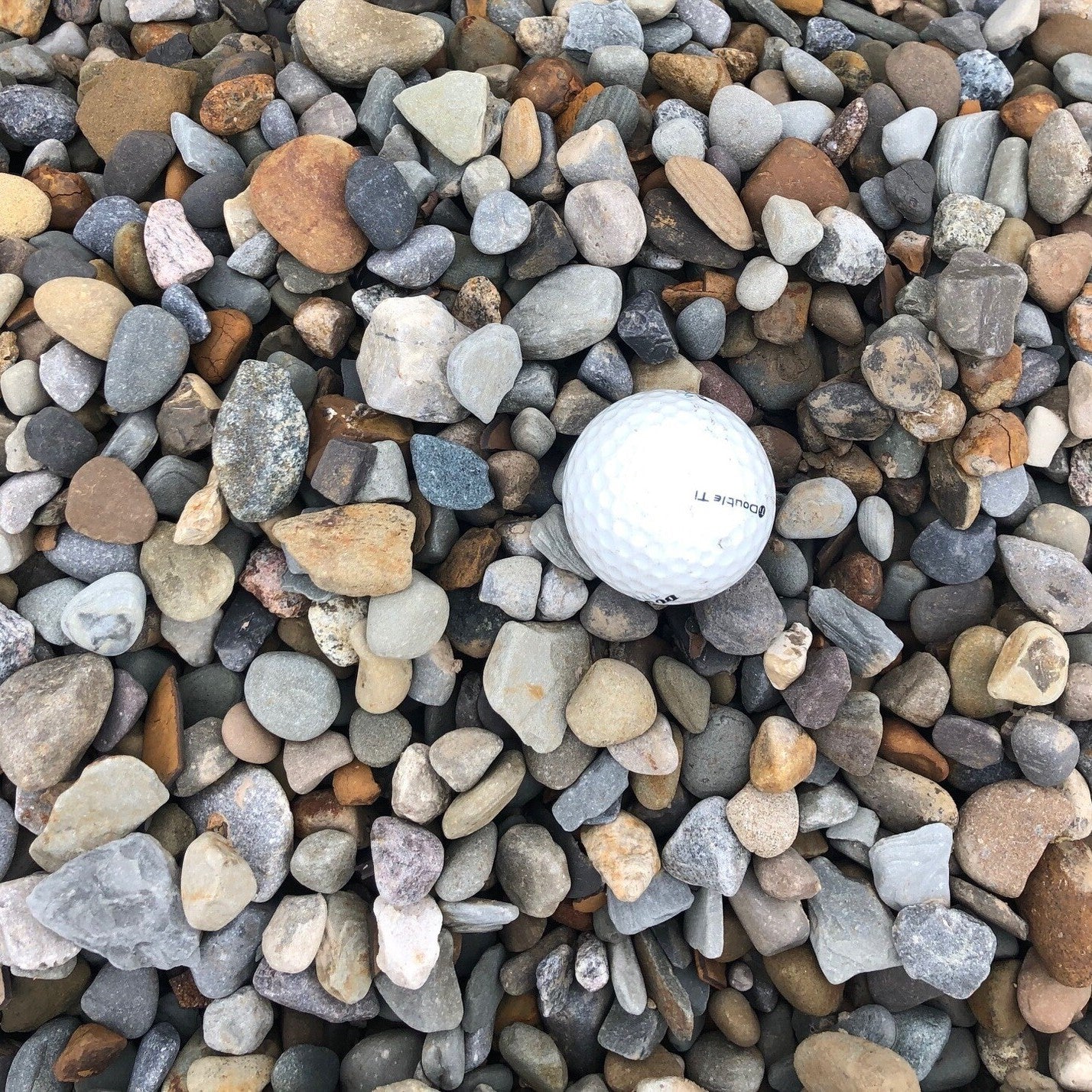
Number 57 crushed stone, angular limestone graded to about three quarters of an inch. The standard driveway, base and drainage gravel, it locks together under traffic and drains fast.
I used Mulch Mound to have 3 cubic yards of garden soil delivered. The process was easy and I love that I didn't have to call anyone. I placed my order online, picked my delivery date, laid out my tarp and the dirt was delivered. My delivery had to be pushed back, but I was ke...
Tell us what you're looking for
Thanks! We received your request.
Something went wrong. Please try again.
How Much Material Do I Need?
For pathways and decorative beds in Beachwood, a 2 to 3-inch layer of stone is standard and provides good coverage without excessive material. Drainage applications like French drains or dry creek beds typically need at least 6 to 8 inches of clean crushed stone to function properly given Beachwood's rainfall volume and flat terrain.
Use our free gravel calculator
What is a yard?
A yard is approximately 27 cubic feet. As a general guideline, one yard of material can cover an area of about 100-160 square feet at a 2-3 inch depth.
We can't take orders for this right now. Tell us what you need and we'll get back to you.
What do you need?
Thanks! We received your request.
Something went wrong. Please try again.
Hand-picked local yards
4,000+ regional deliveries
Dedicated support
Why order through Mulch Mound
The best local stone, without the guesswork.
We hand-pick and partner with the best yards in your region, keep only the ones our buyers rate well, and back each load with our guarantee.
Mulch Mound Guarantee
If your stone isn't the quantity or quality you ordered, we'll make it right.
About this stone
Number 57 crushed stone, angular limestone graded to about three quarters of an inch. The standard driveway, base and drainage gravel, it locks together under traffic and drains fast.
I used Mulch Mound to have 3 cubic yards of garden soil delivered. The process was easy and I love that I didn't have to call anyone. I placed my order online, picked my delivery date, laid out my tarp and the dirt was delivered. My delivery had to be pushed back, but I was ke...
How Much Material Do I Need?
For pathways and decorative beds in Beachwood, a 2 to 3-inch layer of stone is standard and provides good coverage without excessive material. Drainage applications like French drains or dry creek beds typically need at least 6 to 8 inches of clean crushed stone to function properly given Beachwood's rainfall volume and flat terrain.
Use our free gravel calculator
What is a yard?
A yard is approximately 27 cubic feet. As a general guideline, one yard of material can cover an area of about 100-160 square feet at a 2-3 inch depth.
I used Mulch Mound to have 3 cubic yards of garden soil delivered. The process was easy and I love that I didn't have to call anyone. I placed my o...
Read full review
I used Mulch Mound to have 3 cubic yards of garden soil delivered. The process was easy and I love that I didn't have to call anyone. I placed my order online, picked my delivery date, laid out my tarp and the dirt was delivered. My delivery had to be pushed back, but I was kept informed via text, which was great. So why not 5 stars? The description of garden soil on the website is "A balanced mix of topsoil and organic amendments ready for raised beds, flower gardens, and new planting areas. Good drainage, solid nutrients, easy to work with." What I got was more like fill dirt. It had a lot of gravel, a lot of clay, and random trash mixed in. I didn't test the soil to see if it actually had "amendments" because I already have compost and alpaca manure ready to add, but if I'd known the quality of the dirt was going to be the same as the bagged dirt I bought last year, I probably would have gotten 2 yards of top soil and a yard of leaf compost for better quality, especially since the leaf compost is cheaper. Photo of my mountain of dirt and just some of the trash I found in it.
To calculate stone for a Beachwood project, measure your area in square feet and multiply by the depth in feet to get cubic feet, then divide by 27 to convert to cubic yards. Beachwood's sandy loam base tends to allow some settlement of stone over the first few months, so adding 10 to 15 percent extra to your order ensures you maintain the right depth after initial compaction. Pathway and drainage projects in particular benefit from that buffer since depth is critical for function.
Stone Types We Deliver in Beachwood
Mulch Mound makes it easy to order bulk stone by the cubic yard in Beachwood and the surrounding Ocean County shore communities. If you have been searching for gravel delivery near me or a decorative river rock for a landscape project, we carry the varieties that work best in this region. Our selection pairs well with the sandy coastal soils and relaxed outdoor living style common to this part of New Jersey.
Pea Gravel
Pea gravel suits homeowners looking for a low-maintenance ground cover that drains well through the region's sandy soils. Its smooth, rounded edges and natural earth tones work equally well along pathways, around patios, or tucked into garden borders beside the casual shore-style landscaping common in coastal New Jersey.
1-2" River Stone
This smooth river stone brings a natural, polished look to landscape beds and dry creek features common in coastal Ocean County yards. Its rounded surface holds up well through New Jersey's wet shoulder seasons, and the larger size keeps stones settled rather than scattering under light foot traffic.
Complete Your Outdoor Stone Project
Pairing a stone delivery with bulk mulch allows you to treat different areas of your Beachwood yard with the right material, stone for high-traffic or drainage zones and mulch for active planting beds. Adding a topsoil or garden soil order makes sense if you are also building out new beds alongside your stone pathways or borders.
In Beachwood's flat, sandy terrain, dry creek beds built with river stone are one of the most practical ways to manage stormwater runoff across a property. A shallow channel lined with landscape fabric and filled with 4 to 6-inch decorative river rock moves water away from the foundation and low spots without requiring any power, pumps, or ongoing maintenance. The look is natural and fits well with the coastal aesthetic common in Beachwood neighborhoods.
Mulch Mound Pro Tip
Before spreading stone anywhere in your Beachwood yard, take a few minutes to establish clean edges using a spade or a steel edging strip. Beachwood's sandy loam soil shifts easily, and without a defined edge, stone tends to migrate into lawn areas or planting beds over the first season. A clean border makes the installation look more finished and keeps your stone where it belongs regardless of foot traffic or rainfall.
Mulch Mound Pro Tip
For stone used near Beachwood foundations, make sure the material slopes slightly away from the structure at roughly a 2 to 3 percent grade. Beachwood receives enough rainfall throughout the year that even small grading errors in a foundation border can direct water toward the home rather than away from it. Taking a few minutes to set the grade correctly during installation prevents moisture problems at the foundation and makes the entire border more functional over time.
The Unique Landscape of Beachwood
Stone is one of the most practical landscaping materials for Beachwood properties because it requires almost no maintenance across the full coastal season and holds up to the area's weather patterns without breaking down the way organic materials do. With 46 inches of annual rainfall and relatively flat terrain at 26 feet of elevation, Beachwood yards are prone to erosion, runoff, and pooling in areas where turf or bare soil cannot hold. Crushed stone and gravel create permeable surfaces that slow water and direct it away from structures and planting beds, which is especially valuable during heavy summer thunderstorms common to the Jersey Shore area. Stone pathways and borders also give Beachwood homeowners a clean, defined landscape without the seasonal upkeep of mulch or the irrigation demands of turf grass in the faster-draining sandy loam soil. For foundation borders, decorative beds, and drainage channels, stone works harder and longer in Beachwood's climate than almost any other landscape material.
Frequently Asked Questions
Click a question to see the answer
Answer
What type of stone works best for drainage in my Beachwood yard?
For drainage applications in Beachwood, clean crushed stone in a 3/4-inch size is the most widely used option. It allows water to move through quickly, which matters a lot given Beachwood's sandy loam base and the 46 inches of annual rainfall that can overwhelm low spots in flat yards. For French drains or dry creek beds that direct water away from foundations, clean stone without fine particles works best because it resists clogging over time.
Answer
Can I use stone instead of mulch in my Beachwood garden beds?
Stone can absolutely replace mulch in certain Beachwood beds, particularly in low-maintenance areas or around drought-tolerant plants. Keep in mind that stone does not add organic matter to the soil the way mulch does, so Beachwood's sandy loam will not improve beneath a stone bed over time. For foundation shrubs or ornamental grasses that do not need much soil amendment, stone is a long-lasting and attractive option that never needs replacing.
Answer
Will stone pathways hold up to Beachwood's wet winters and rainy springs?
Yes, stone pathways are extremely well suited to Beachwood's weather. Unlike wood chips or mulch that break down and shift after heavy rain, crushed stone and gravel compact slightly over time and become more stable with use. The freeze-thaw cycles between November and April can cause minor settling in some pathway installations, but a quick raking in spring keeps everything level with very little effort.
Answer
How much stone do I need for a gravel pathway in my Beachwood backyard?
For a standard gravel pathway in Beachwood, a 2 to 3-inch depth of crushed stone over a compacted base provides a stable walking surface. Measure the length and width of your path in feet, multiply for square footage, and plan on one cubic yard covering about 100 square feet at 3 inches deep. Adding a landscape fabric layer beneath the stone in Beachwood yards helps prevent the gravel from gradually mixing into the sandy loam soil below.
Answer
What stone is good for a low-maintenance border around my Beachwood foundation?
A river pebble or decorative gravel in a 1 to 2-inch size works very well for Beachwood foundation borders. It provides a finished look, discourages weeds, and directs water away from the structure, which is important given Beachwood's annual rainfall totals. Keeping stone borders 6 inches away from wood siding or trim prevents moisture retention against the structure while still managing splash-back from heavy rain.
Answer
Is stone a good option for areas of my Beachwood yard where grass will not grow?
Stone is one of the best solutions for trouble spots in Beachwood where grass struggles, such as shaded areas under large trees, narrow side yards, or spots with heavy foot traffic. Beachwood's sandy loam soil means bare spots erode easily when grass fails, and stone provides a permanent, attractive ground cover that requires no watering or mowing. A 2-inch layer of decorative gravel over landscape fabric handles most of these situations cleanly.
Answer
How do I keep stone from sinking into my sandy soil in Beachwood?
Because Beachwood's sandy loam is loose and free-draining, stone can gradually work its way down into the soil without a barrier. Laying a quality landscape fabric directly on the prepared soil before placing your stone keeps the two materials separated and maintains the visual depth of your stone layer for years. For heavier-use areas like driveways or large pathways, a compacted gravel base under the decorative top layer adds stability and prevents sinking.