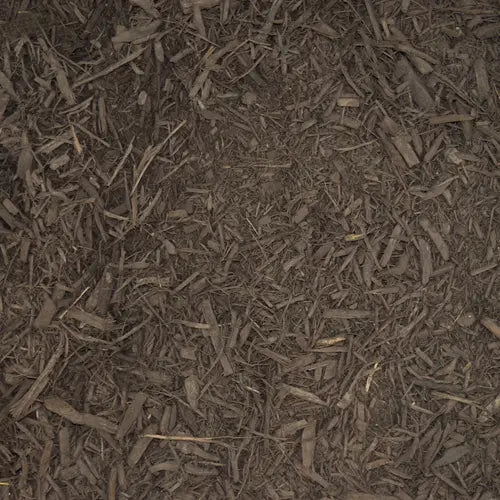
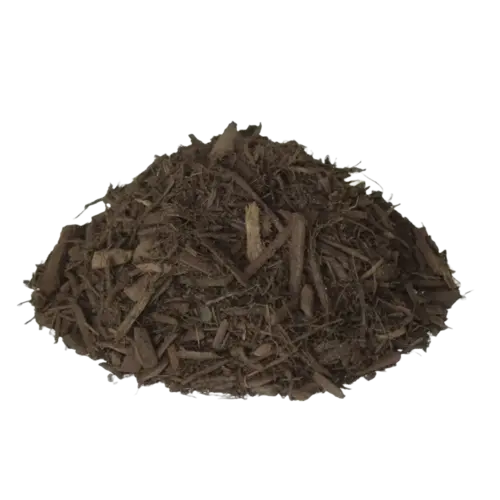
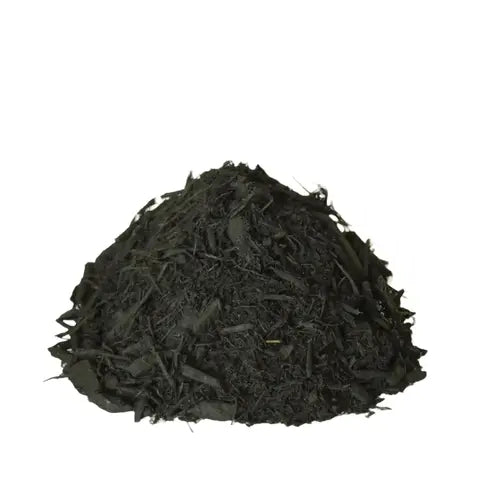
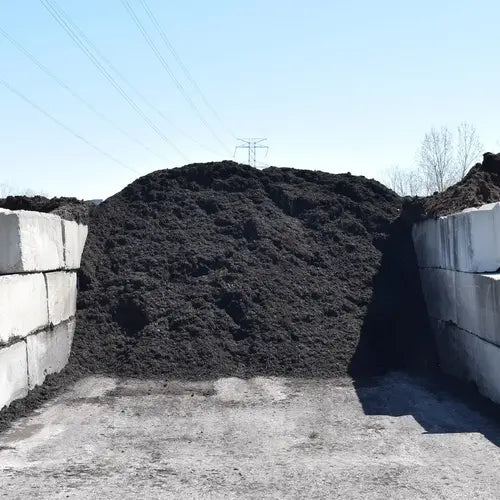
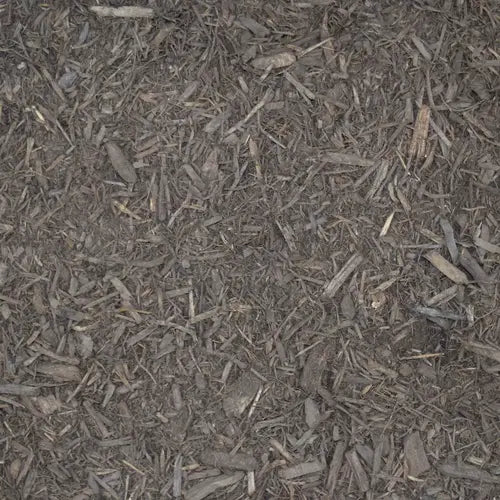
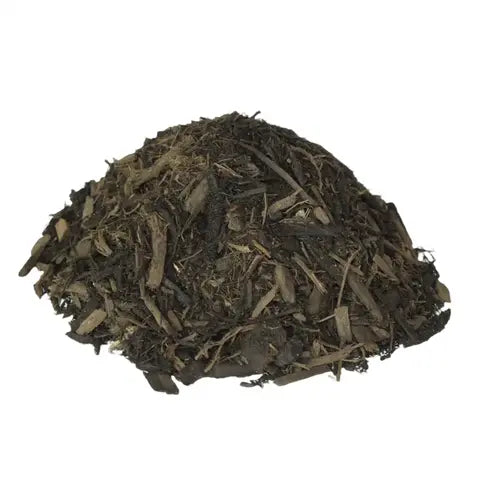
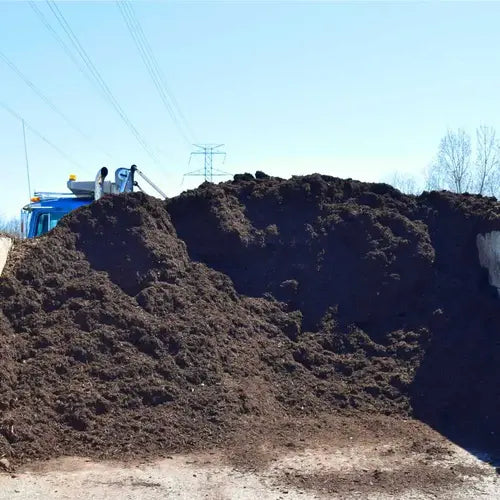
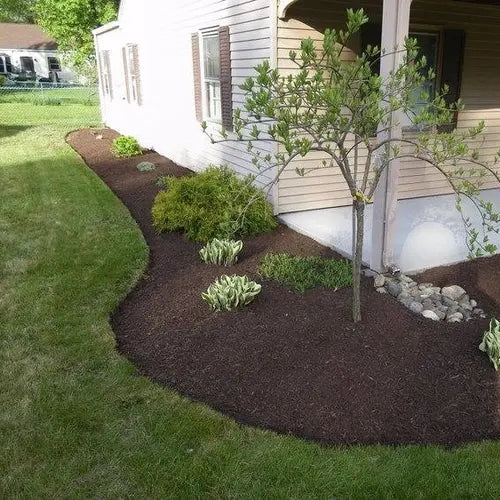
Warm brown double shredded mulch with lasting color that looks freshly applied for weeks. Spreads smooth, stays put, and gives beds a natural, polished appearance.
They offered a quick turnaround and delivered high quality mulch at a reasonable price. They also dropped it off exactly where I told them to put it. Good service!
Tell us what you're looking for
Thanks! We received your request.
Something went wrong. Please try again.
How Much Material Do I Need?
Plan for 3 to 4 inches of mulch in Beaufort's sandy-soil beds to meaningfully slow moisture loss and suppress weeds through the long growing season. Going thinner than 3 inches reduces the moisture-retention benefit that sandy soil needs most.
Use our free mulch calculator
What is a yard?
A yard is approximately 27 cubic feet. As a general guideline, one yard of material can cover an area of about 100-160 square feet at a 2-3 inch depth.
We can't take orders for this right now. Tell us what you need and we'll get back to you.
What do you need?
Thanks! We received your request.
Something went wrong. Please try again.
Hand-picked local yards
4,000+ regional deliveries
Dedicated support
Why order through Mulch Mound
The best local mulch, without the guesswork.
We hand-pick and partner with the best yards in your region, keep only the ones our buyers rate well, and back each load with our guarantee.
Mulch Mound Guarantee
If your mulch isn't the quantity or quality you ordered, we'll make it right.
About this mulch
Warm brown double shredded mulch with lasting color that looks freshly applied for weeks. Spreads smooth, stays put, and gives beds a natural, polished appearance.
They offered a quick turnaround and delivered high quality mulch at a reasonable price. They also dropped it off exactly where I told them to put it. Good service!
How Much Material Do I Need?
Plan for 3 to 4 inches of mulch in Beaufort's sandy-soil beds to meaningfully slow moisture loss and suppress weeds through the long growing season. Going thinner than 3 inches reduces the moisture-retention benefit that sandy soil needs most.
Use our free mulch calculator
What is a yard?
A yard is approximately 27 cubic feet. As a general guideline, one yard of material can cover an area of about 100-160 square feet at a 2-3 inch depth.
They offered a quick turnaround and delivered high quality mulch at a reasonable price. They also dropped it off exactly where I told them to put i...
Read full review
They offered a quick turnaround and delivered high quality mulch at a reasonable price. They also dropped it off exactly where I told them to put it. Good service!
Great experience! Easy to order, they delivered promptly and were very respectful of the property! Ordered the triple shredded brown mulch and it w...
Read full review
Great experience! Easy to order, they delivered promptly and were very respectful of the property! Ordered the triple shredded brown mulch and it was EXACTLY what I wanted. Very clean product too, no garbage or filler. Already put these guys in my calendar to order from next year! Keep up the good work.
Measure the length and width of each bed in feet and multiply them together to get the square footage, then decide on your target depth in inches. For Beaufort's sandy soil, 3 to 4 inches is the recommended depth, so divide your square footage by 100 to get a rough cubic yard estimate at 3 inches deep. If you have irregular-shaped beds, break them into rectangular sections and add the totals together before placing your order.
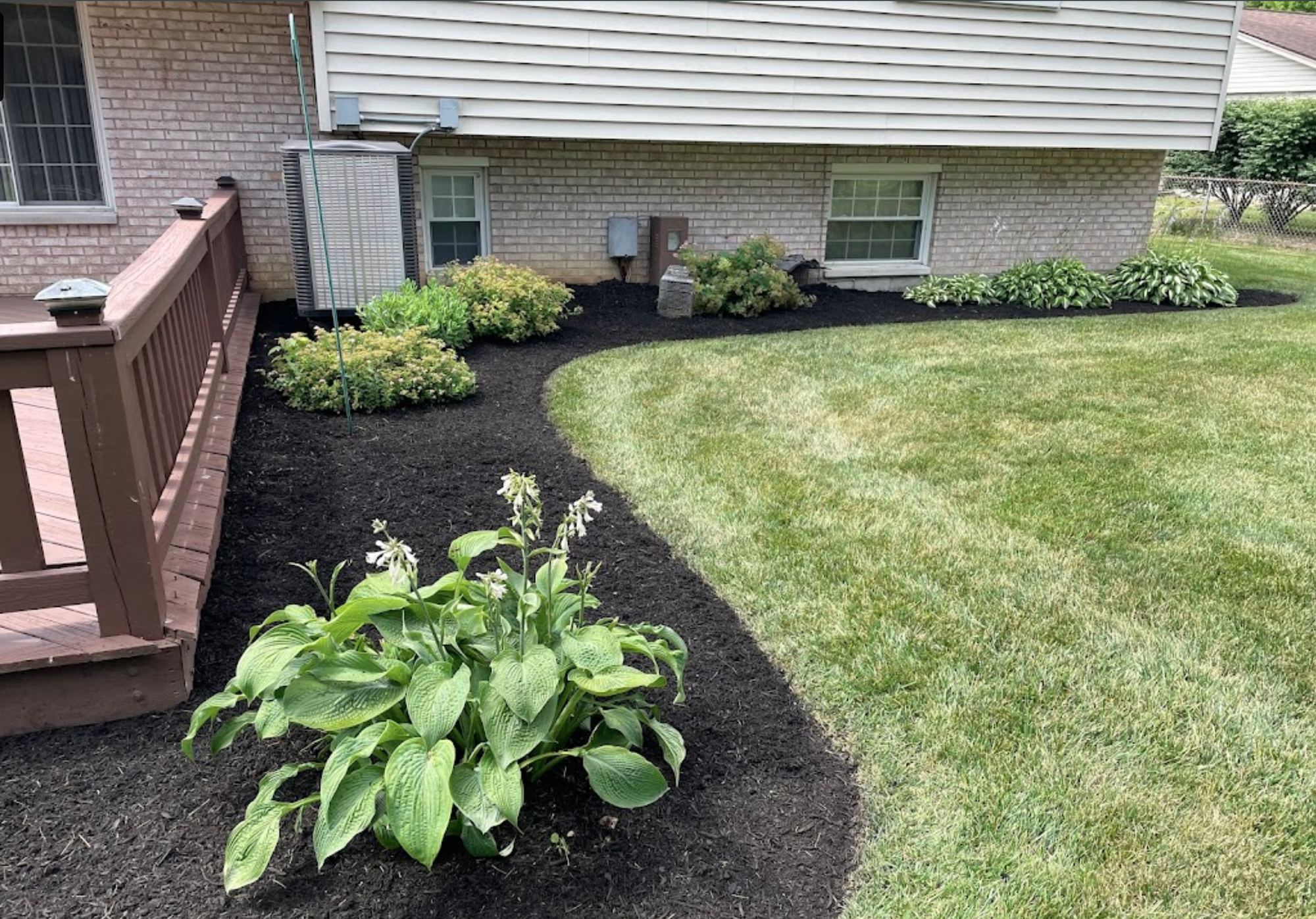
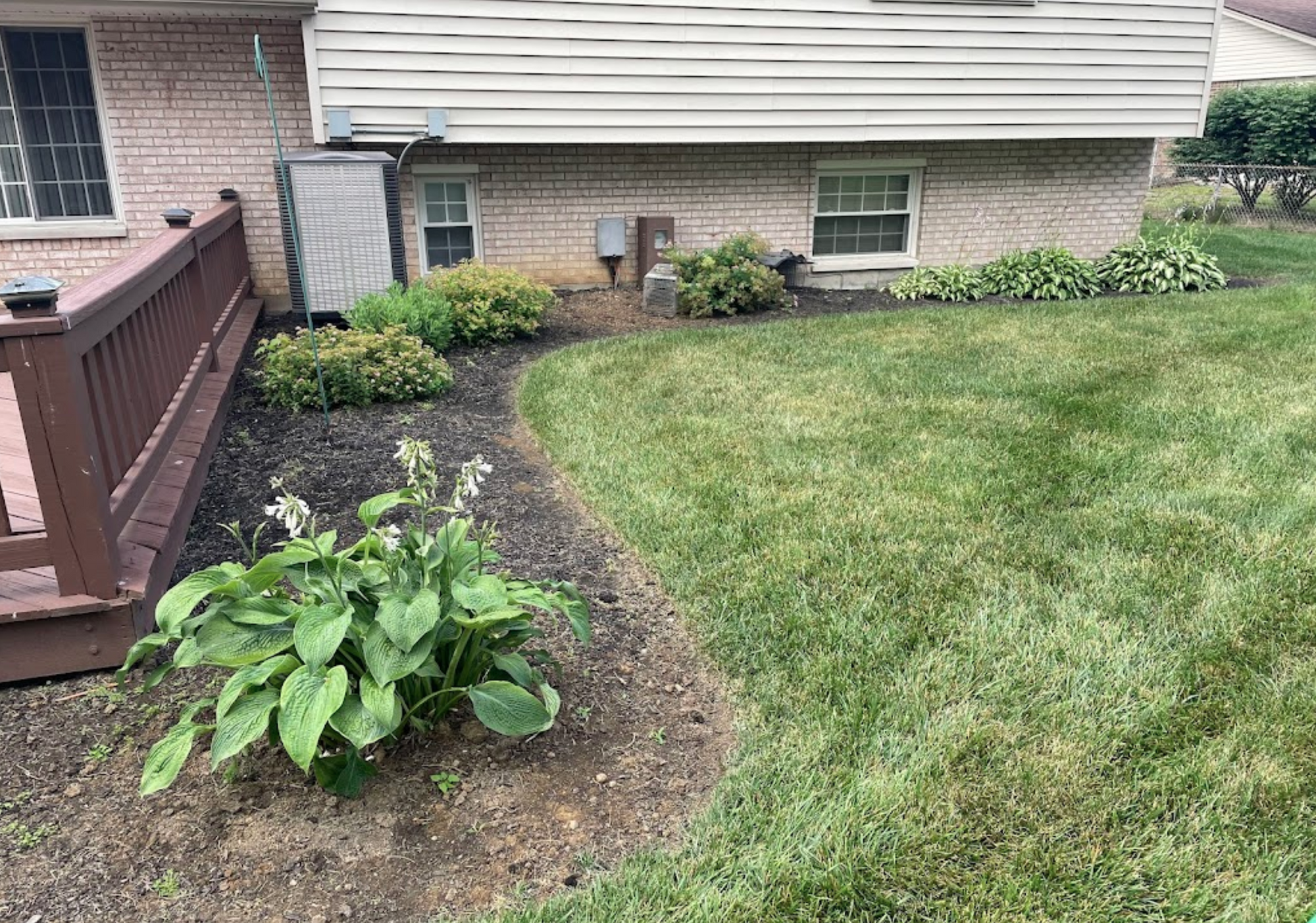
Mulch vs. No Mulch: The Difference
Beaufort's Zone 9a heat and humidity mean organic mulches break down faster than in most parts of the country, which is a genuine benefit for sandy soil but does mean more frequent replenishment. Natural hardwood and pine bark mulches feed the soil as they decompose, gradually improving the organic content that Beaufort's sandy profile lacks. Dyed mulches break down at a similar rate but prioritize color consistency, making them a popular choice for high-visibility beds where curb appeal is the priority.
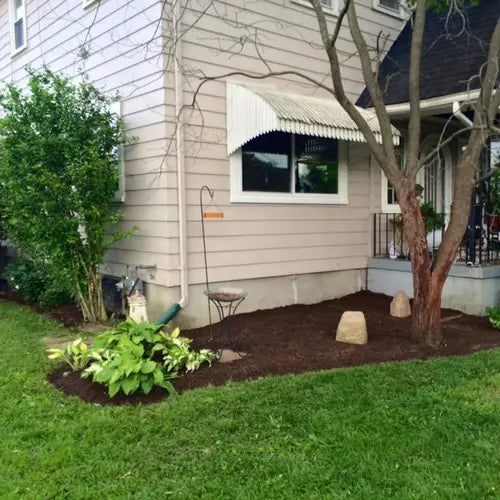
Before
After
Best Mulch Choice for Beaufort Lawns
Most yards in the Beaufort area sit on Sandy type of soil. Sandy soil in Beaufort has almost no natural ability to hold water or nutrients, which means plant beds are fighting an uphill battle without an organic mulch layer protecting the surface. Mulch acts as a protective cap that slows drainage and keeps roots from drying out between Beaufort's frequent but fast-draining rain events.
Hardwood Mulch
Hardwood mulch is particularly well-suited to Beaufort's sandy soil because it breaks down slowly enough to provide long-lasting coverage while still releasing organic matter that helps the soil develop better structure over time. As hardwood decomposes in the warm Lowcountry climate, it feeds soil microbes that contribute to nutrient cycling, which is exactly what nutrient-poor sandy soil needs most.
Mulch Types We Deliver in Beaufort
Mulch Mound delivers bulk mulch by the cubic yard straight to your property in Beaufort and the surrounding Lowcountry. Whether you are refreshing a single flower bed or covering a large landscape, bulk mulch delivery near me is a faster and more affordable solution than hauling bags from the store. Our double shredded varieties are chosen to perform well in the region's warm, humid climate and sandy coastal soil.
Dyed Black Mulch
Dyed Black Mulch arrives double shredded for a smooth, even spread across beds and borders. The bold, deep color creates sharp contrast against the lush green foliage common in Lowcountry landscapes and holds up well through the region's heavy summer rainfall and intense coastal sun.
Dyed Brown Mulch
Dyed Brown Mulch comes double shredded for a consistent, clean finish that suits the mixed cottage and traditional home styles common along the South Carolina coast. The warm brown tone stays rich and freshly applied in appearance for weeks, holding its color through humid summer heat.
Natural Brown Mulch
Natural Brown Mulch is an undyed, double shredded option that lets the wood's own earthy tone come through. It blends quietly into the wooded, pine-influenced surroundings found throughout this part of South Carolina and gradually enriches the sandy coastal soil as it breaks down through the growing season.
Complete Your Outdoor Mulch Project
If your beds are suffering from poor soil beneath the mulch, pairing your order with a quality garden soil or topsoil can rebuild the foundation before you top it off. Adding stone edging or decorative gravel around bed borders also helps keep mulch in place during Beaufort's heavy summer rain events.
Beaufort's sandy soil is naturally low in organic matter, and every season of mulch decomposition is an opportunity to build it up. Rather than raking out old mulch before adding new material, lightly rake the existing layer to break it up and let the fresh application sit on top. Over several years this practice steadily improves the soil's nutrient-holding capacity and water retention, which makes a measurable difference in plant health across the growing season.
Mulch Mound Pro Tip
Zone 9a means Beaufort's growing season stretches nearly 10 months, from the last frost around March 28 to the first frost near November 1. That long season also means soil-borne disease and fungal pressure stay active longer than in cooler climates. Keep mulch pulled 2 to 3 inches away from the base of shrubs and perennials, especially during the humid summer months, to allow air circulation at the soil line and reduce the risk of crown rot.
Mulch Mound Pro Tip
With 49 inches of annual rainfall, Beaufort gets enough water that mulch management is really about controlling where moisture goes rather than chasing it. Apply your mulch after a rain event so the soil is already moist, and the layer will trap that moisture below rather than blocking dry soil from getting wet. Avoid mulching immediately before a major storm is forecast, since freshly applied loose material is more likely to float or shift before it settles into place.
Frequently Asked Questions
Click a question to see the answer
Answer
How often should I reapply mulch in Beaufort's heat and humidity?
In Zone 9a, organic mulches like hardwood and pine bark break down noticeably faster than they would in cooler climates. Most Beaufort homeowners find they need to top off beds once a year, typically in late March after the last frost, and sometimes again in early fall. If your beds are receiving 49 inches of rain spread across the year, decomposition stays active nearly every month, which is great for soil health but does mean you go through more material over time.
Answer
Will heavy rain wash my mulch out of sloped beds?
Beaufort does get intense summer thunderstorms that can move lighter mulch materials. Shredded hardwood and pine bark nuggets interlock better than large chips and hold their position through most downpours. If you have a bed on a noticeable slope, going with a shredded product and keeping the layer around 3 inches rather than 4 will reduce runoff. Edging the bed with stone or a physical border also helps keep material in place during heavy events.
Answer
What mulch depth is right for Beaufort's sandy soil?
Because sandy soil drains so freely, you want enough mulch to meaningfully slow evaporation, which means 3 to 4 inches is the right target for most Beaufort beds. Going thinner than 3 inches lets the sun dry out the surface quickly in summer and you lose most of the moisture retention benefit. Just keep mulch pulled back a couple of inches from plant stems and tree trunks so you avoid rot in the humid Lowcountry conditions.
Answer
Does mulch near my house attract termites in the Lowcountry?
Termite pressure is real in coastal South Carolina, so it makes sense to be careful. The key is keeping mulch at least 6 inches away from your foundation and siding, and never letting it pile up against wood framing. Rubber mulch is a non-organic option that termites have no interest in if you want a lower-risk solution around the foundation perimeter. For the rest of your beds, standard organic mulch used correctly does not meaningfully increase termite risk.
Answer
Does colored or dyed mulch hold up in Beaufort's sun?
Dyed mulches fade faster in Beaufort than in northern climates simply because of the extended sun exposure across the long Zone 9a growing season. Black and red dyed mulches tend to hold their color for around one full season here before going gray. If color consistency matters to you, natural hardwood or pine bark mulches age to an attractive silver-brown that many Lowcountry homeowners prefer for a more natural appearance. The dyes used in quality colored mulches are generally plant-safe.
Answer
When is the best time to put down fresh mulch in Beaufort?
Late March, right after the last frost around March 28, is the ideal time to apply a fresh mulch layer in Beaufort. The soil is warming up, spring rains are picking up, and getting mulch down before weed seeds germinate gives you a real head start on the season. A fall application in October is also worthwhile because it insulates soil and reduces winter weed pressure even though Beaufort's first frost does not arrive until around November 1.
Answer
Can mulch help cut my irrigation costs during dry summer stretches in Beaufort?
Absolutely. Sandy soil has almost no water-holding capacity on its own, so during a dry July or August in Beaufort, unprotected beds can need watering every day or two. A 3 to 4 inch organic mulch layer can cut evaporation dramatically and extend the time between waterings. Over time, as the mulch decomposes and adds organic matter, the sandy soil itself starts holding moisture better, making the improvement cumulative with each season.
The Unique Landscape of Beaufort
Beaufort's sandy soil loses moisture rapidly, and even with 49 inches of annual rainfall, plant beds can feel parched within a day or two of the last rain. A proper mulch layer acts as a buffer between the soil surface and the intense Zone 9a sun, slowing evaporation and keeping root zones cooler during the long Lowcountry summers. Organic mulches also break down steadily in Beaufort's warm, humid conditions, feeding the sandy soil with organic matter it naturally lacks and gradually improving its ability to hold nutrients. Weed seed germination is nearly year-round here given the mild winters, with meaningful pressure starting before the last frost around March 28 and running all the way to November. Keeping a consistent 3 to 4 inch mulch layer is one of the most practical ways Beaufort homeowners can reduce weeding time and protect plants through the full growing season.