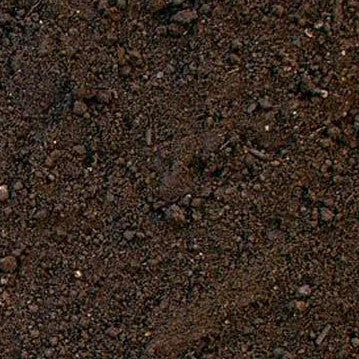
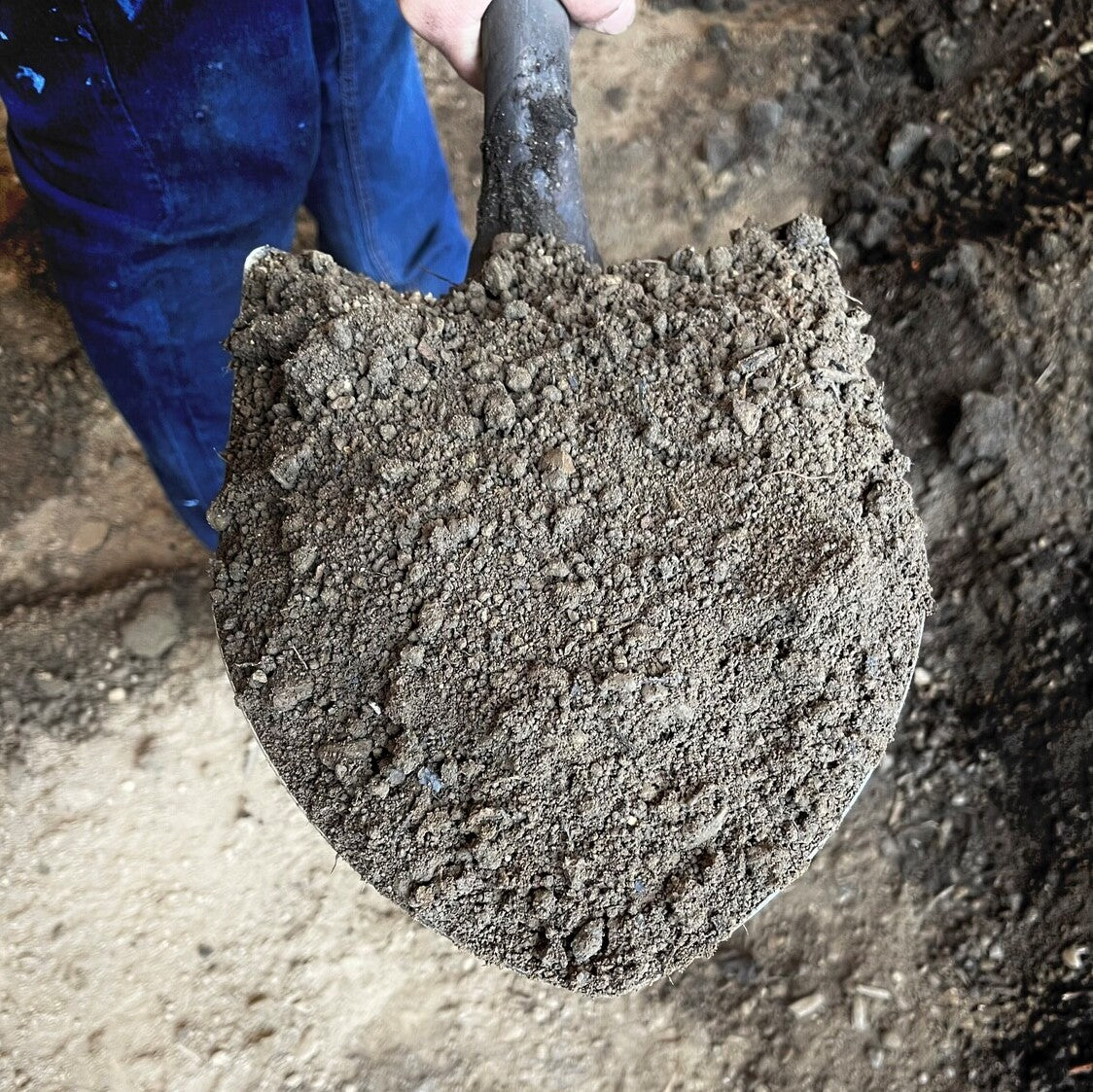
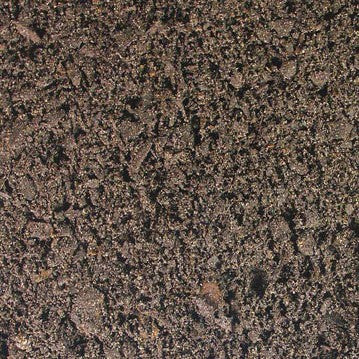
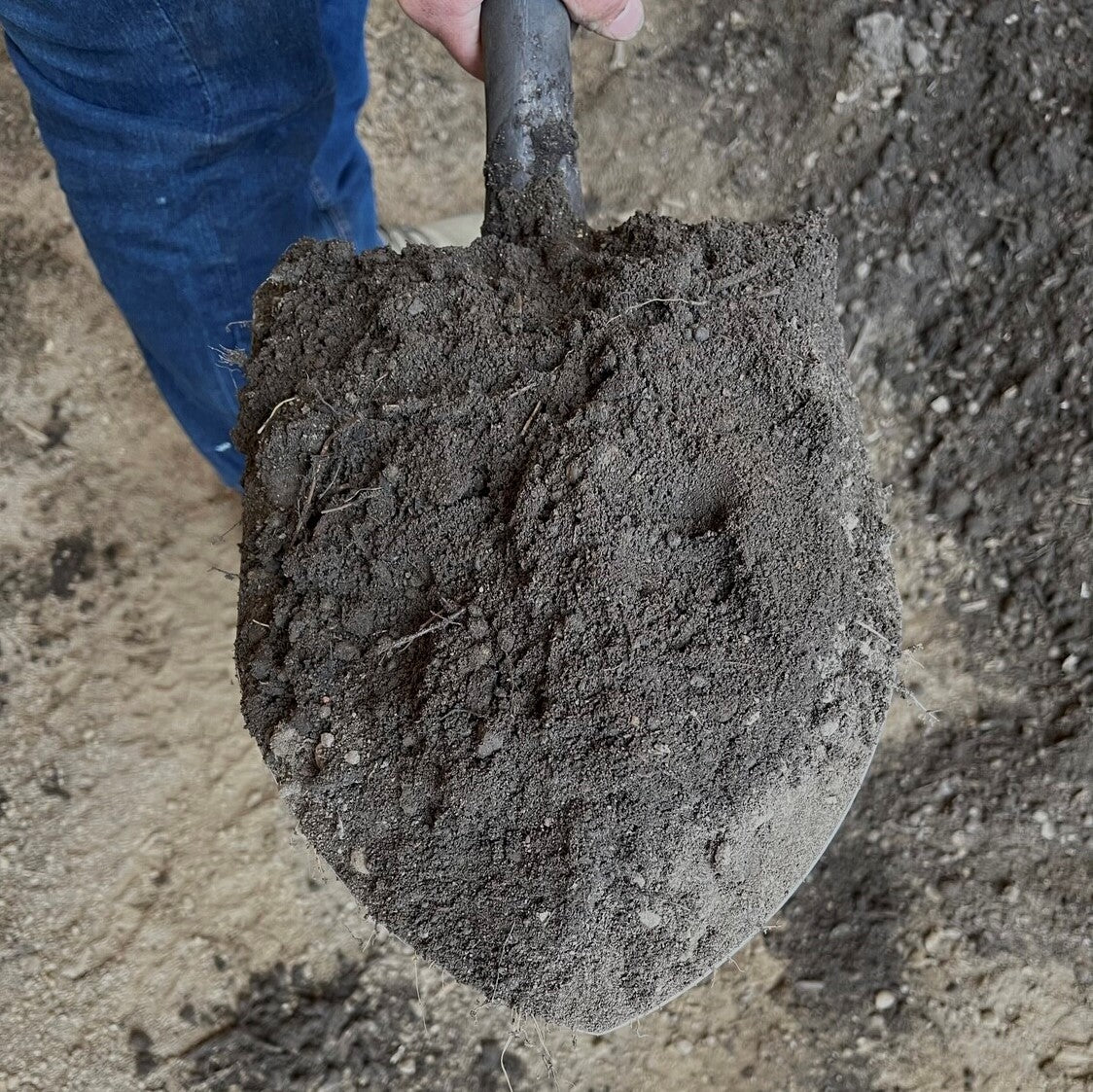
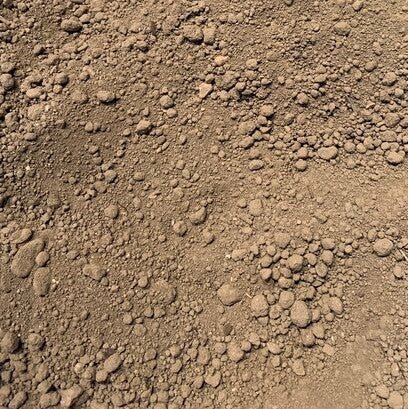
Quality topsoil for lawns, gardens, and landscape projects. Nutrient rich and ready to support strong root development and healthy plant establishment.
I got 3 yards of dirt to create a garden bed on the side of my house and to help fill my new raised garden beds. We had enough dirt to do all of this and fill some holes in the yard! Thanks 😃
Tell us what you're looking for
Thanks! We received your request.
Something went wrong. Please try again.
How Much Material Do I Need?
For garden beds and lawn leveling in Beaufort, plan on 4 to 6 inches of soil to create a productive growing layer over the native sandy base. Raised beds should be filled with at least 10 to 12 inches of quality garden mix to give roots the depth and moisture retention they need in the Lowcountry climate.
Use our free soil calculator
What is a yard?
A yard is approximately 27 cubic feet. As a general guideline, one yard of material can cover an area of about 100-160 square feet at a 2-3 inch depth.
What is a yards?
A yard is approximately 27 cubic feet. As a general guideline, one yard of material can cover an area of about 10 feet by 10 feet at a few inches deep.
We can't take orders for this right now. Tell us what you need and we'll get back to you.
What do you need?
Thanks! We received your request.
Something went wrong. Please try again.
Hand-picked local yards
4,000+ regional deliveries
Dedicated support
Why order through Mulch Mound
The best local soil, without the guesswork.
We hand-pick and partner with the best yards in your region, keep only the ones our buyers rate well, and back each load with our guarantee.
Mulch Mound Guarantee
If your soil isn't the quantity or quality you ordered, we'll make it right.
About this soil
Quality topsoil for lawns, gardens, and landscape projects. Nutrient rich and ready to support strong root development and healthy plant establishment.
I got 3 yards of dirt to create a garden bed on the side of my house and to help fill my new raised garden beds. We had enough dirt to do all of this and fill some holes in the yard! Thanks 😃
How Much Material Do I Need?
For garden beds and lawn leveling in Beaufort, plan on 4 to 6 inches of soil to create a productive growing layer over the native sandy base. Raised beds should be filled with at least 10 to 12 inches of quality garden mix to give roots the depth and moisture retention they need in the Lowcountry climate.
Use our free soil calculator
What is a yard?
A yard is approximately 27 cubic feet. As a general guideline, one yard of material can cover an area of about 100-160 square feet at a 2-3 inch depth.
What is a yards?
A yard is approximately 27 cubic feet. As a general guideline, one yard of material can cover an area of about 10 feet by 10 feet at a few inches deep.
I got 3 yards of dirt to create a garden bed on the side of my house and to help fill my new raised garden beds. We had enough dirt to do all of th...
Read full review
I got 3 yards of dirt to create a garden bed on the side of my house and to help fill my new raised garden beds. We had enough dirt to do all of this and fill some holes in the yard! Thanks 😃
Measure your project area in feet, then decide how many inches of soil you want to add. Multiply length by width by depth in feet and divide by 27 to get cubic yards. Keep in mind that soil settles after delivery, particularly when placed over Beaufort's porous sandy ground, so ordering 10 to 15 percent more than your calculated need is a good practice.
Soil Types We Deliver in Beaufort
Beaufort's sandy coastal soils often need amendment before lawns, gardens, and landscape beds can truly thrive. We deliver bulk topsoil by the yard in Beaufort so you can build a healthy growing foundation without hauling bags from the store. Orders arrive loose by the cubic yard, ready to spread wherever your property needs it most.
Screened Top Soil
A clean, nutrient-rich topsoil screened to remove debris and clumps, making it easy to spread evenly across new lawns or fill low spots common in Beaufort's flat coastal lots. It supports strong root development and healthy plant establishment, and works equally well for garden beds, grading, and general landscape projects.
Premium Gardening Blend
This ready-to-plant mix combines quality topsoil with compost, giving Beaufort gardeners a fertile, well-structured soil that counters the region's naturally sandy conditions. It is ideal for raised beds, new flower gardens, and vegetable plots where extra organic matter helps retain moisture through warm, humid Low Country growing seasons.
Complete Your Outdoor Soil Project
Topping your new soil with a 3 to 4 inch layer of organic mulch will protect the investment by reducing evaporation and keeping the amended layer from drying out in Beaufort's summer heat. Adding stone edging around garden beds helps define borders, keeps soil from washing into pathways during heavy rains, and gives your landscape a clean finished look.
What is the difference between topsoil and garden soil for Beaufort projects?
Topsoil is best for grading, filling low spots, and establishing lawn areas where you need volume and a consistent base. Garden soil is blended with compost and other organic amendments to support vegetable gardens and flower beds where nutrients and water retention are the priorities. In Beaufort, where the native sandy soil is so low in organic matter, garden soil makes a noticeable difference in a raised bed or planting area, while topsoil is the practical choice for leveling and structural fill work.
Answer
How deep should I add soil when building a new garden bed over Beaufort's sandy ground?
For a new in-ground garden bed in Beaufort, tilling in 4 to 6 inches of quality garden soil or compost-enriched topsoil into the existing sandy base gives roots a workable growing layer. If you are building a raised bed on top of the ground, filling it with at least 10 to 12 inches of garden mix gives most vegetables the depth they need. The goal is to create a root zone that holds moisture long enough for plants to use it, which the native sand cannot do on its own.
Answer
Can I use fill soil to fix low spots in my Beaufort lawn?
Yes, and it is a very common need in Beaufort given the flat, low-elevation terrain. Use a clean topsoil for fill work rather than garden mix, as you want a material that compacts and drains predictably under turf. For low spots in an established lawn, add no more than an inch at a time so the grass can grow through it without smothering. For larger depressions, you may need to pull back the sod, add fill, and reseed or re-sod the area.
Answer
Will adding topsoil help with drainage problems in my yard?
In Beaufort you are more often dealing with the opposite problem, since the sandy native soil actually drains too fast rather than too slowly. If you have a low spot that holds water after heavy rains, the issue is usually topographic rather than a soil drainage failure. Grading the area with topsoil to redirect surface runoff toward a proper outlet is often the right fix. Adding organic-rich soil to raise the grade and re-slope the surface will help more than soil amendments alone in most cases.
Answer
When is the best time to add soil for a new lawn in Beaufort?
Spring is the most popular time, and with Beaufort's last frost around March 28, late March through April gives warm-season grasses like St. Augustine and Zoysia the full growing season to establish. Fall is also a viable window for grading and prep work, especially if you plan to sod or seed in the following spring. Avoid major soil work in the peak of summer when the heat makes establishment harder and moisture demand is at its highest.
Answer
How much soil do I need to raise my garden beds by 6 inches?
Multiply the length by the width of your bed in feet to get the square footage, then multiply by 0.5 feet to get the cubic footage needed. Divide by 27 to convert to cubic yards. For example, a 10 by 12 foot bed needing 6 inches of soil requires about 2.2 cubic yards. It is always worth rounding up slightly since soil settles after delivery and watering, especially when placed over porous sandy ground.
Answer
Is Beaufort's native sandy soil completely unusable, or can it be improved over time?
It can absolutely be improved, and the best strategy is to layer quality soil or compost on top rather than trying to transform the native sand below. Over time, as organic matter works its way down and soil microbes become established, even the native sandy layer starts to perform better. Adding mulch on top of your soil amendments accelerates this process by feeding the soil as it breaks down. Think of it as building a better growing environment from the top down rather than replacing what is already there.
Mulch Mound Pro Tip
When you bring in new topsoil or garden mix for a Beaufort lawn or bed, do not simply lay it on top of the existing sandy surface without preparation. Loosening the top 2 to 3 inches of the native soil with a tiller or garden fork before placing new material helps the layers blend together so roots can move freely between them. A hard boundary between imported soil and native sand can create a perched water table effect where moisture pools at the interface rather than draining properly.
Mulch Mound Pro Tip
Beaufort's mild winters and Zone 9a climate mean vegetable gardens can run nearly year-round with the right planning. When prepping beds in fall for winter crops, work in a fresh layer of compost-enriched garden soil to replenish nutrients used by the summer garden. Cool-season crops like collards, kale, and lettuce perform well in Beaufort from October through February and they benefit from freshly amended soil rather than a bed that has been left to deplete over the long growing season.
Mulch Mound Pro Tip
At only 13 feet of elevation and on largely flat terrain, Beaufort yards are sensitive to grading errors that create low spots where water collects after the area's frequent rain events. Before you place any soil for a new lawn or bed, take a few minutes to identify which direction your yard naturally sheds water and make sure your new grade continues that flow rather than interrupting it. Soil placed without attention to drainage can turn a minor wet-spot problem into a persistent one.
The Unique Landscape of Beaufort
Beaufort's native sandy soil is one of the biggest challenges for homeowners trying to establish healthy lawns, gardens, and planted beds in the Lowcountry. Sand drains so quickly that nutrients, amendments, and even irrigation water pass through the root zone before plants can fully use them. Bringing in quality topsoil or garden soil allows you to build a productive growing layer that holds moisture and nutrients in a way that the native profile simply cannot on its own. At just 13 feet of elevation, much of Beaufort sits on relatively flat terrain where surface drainage patterns matter a great deal, and grading with the right soil can prevent standing water from pooling near foundations or in low spots. Whether you are building raised beds for vegetables, leveling a lawn, or filling in low areas before planting, starting with the right soil makes every other investment in your landscape perform better.