Great experience with mulch mound. Their online calculator made it easy to estimate how many yards of mulch I needed and delivery was quick. I would definitely recommend them for your future projects.
Tell us what you're looking for
Thanks! We received your request.
Something went wrong. Please try again.
How Much Material Do I Need?
For most Berea planting beds and tree rings, a two to three inch depth is the sweet spot that holds moisture and suppresses weeds without suffocating roots. Slope areas and spots that get heavy runoff from Berea's rain events may benefit from a full three inches to hold the material in place.
Use our free mulch calculator
What is a yard?
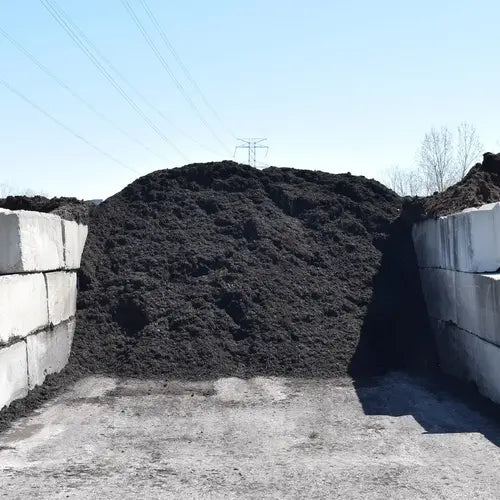
A yard is approximately 27 cubic feet. As a general guideline, one yard of material can cover an area of about 100-160 square feet at a 2-3 inch depth.
Great experience with mulch mound. Their online calculator made it easy to estimate how many yards of mulch I needed and delivery was quick. I would definitely recommend them for your future projects.
How Much Material Do I Need?
For most Berea planting beds and tree rings, a two to three inch depth is the sweet spot that holds moisture and suppresses weeds without suffocating roots. Slope areas and spots that get heavy runoff from Berea's rain events may benefit from a full three inches to hold the material in place.
Use our free mulch calculator
What is a yard?
A yard is approximately 27 cubic feet. As a general guideline, one yard of material can cover an area of about 100-160 square feet at a 2-3 inch depth.
Great experience with mulch mound. Their online calculator made it easy to estimate how many yards of mulch I needed and delivery was quick. I woul...
Read full review
Great experience with mulch mound. Their online calculator made it easy to estimate how many yards of mulch I needed and delivery was quick. I would definitely recommend them for your future projects.
We needed mulch for our HOA common areas. Local providers were all holding high prices even for 40 yards of mulch. Mulch mound was easy to wowith...
Read full review
We needed mulch for our HOA common areas. Local providers were all holding high prices even for 40 yards of mulch. Mulch mound was easy to wowith & has great price for natural mulch + delivery schedule options. They called before delivery to ensure Delivery was exactly where we wanted it.
Delivery was on time and great quality Mulch. Got it done in a reasonable time and yard looks great. Couldn’t be happier!!! Thank you and will us...
Read full review
Delivery was on time and great quality Mulch. Got it done in a reasonable time and yard looks great. Couldn’t be happier!!! Thank you and will use again!!
Measure the length and width of each bed in feet, then decide on your target depth, which is usually two to three inches for established beds in Berea. Multiply length by width by depth in feet, then divide by 27 to convert to cubic yards. If your beds have irregular shapes, break them into smaller rectangles and add the totals together.
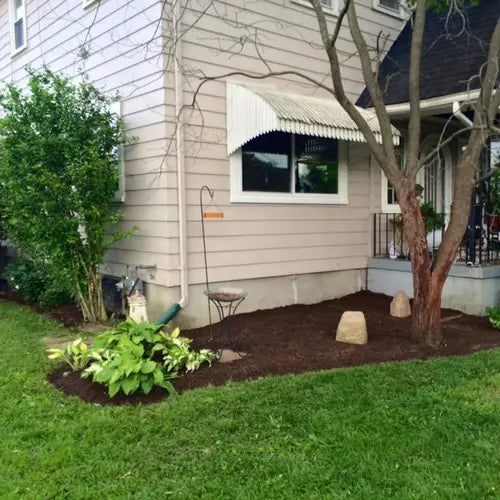
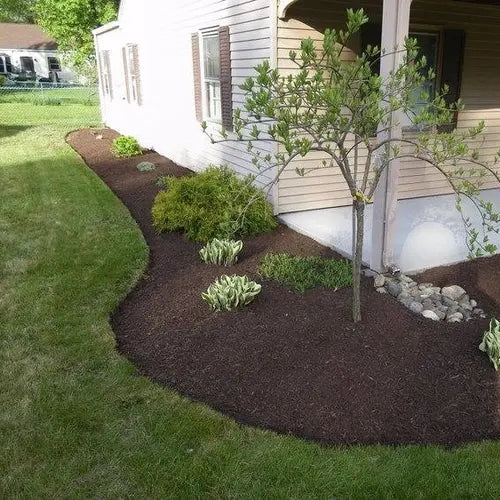
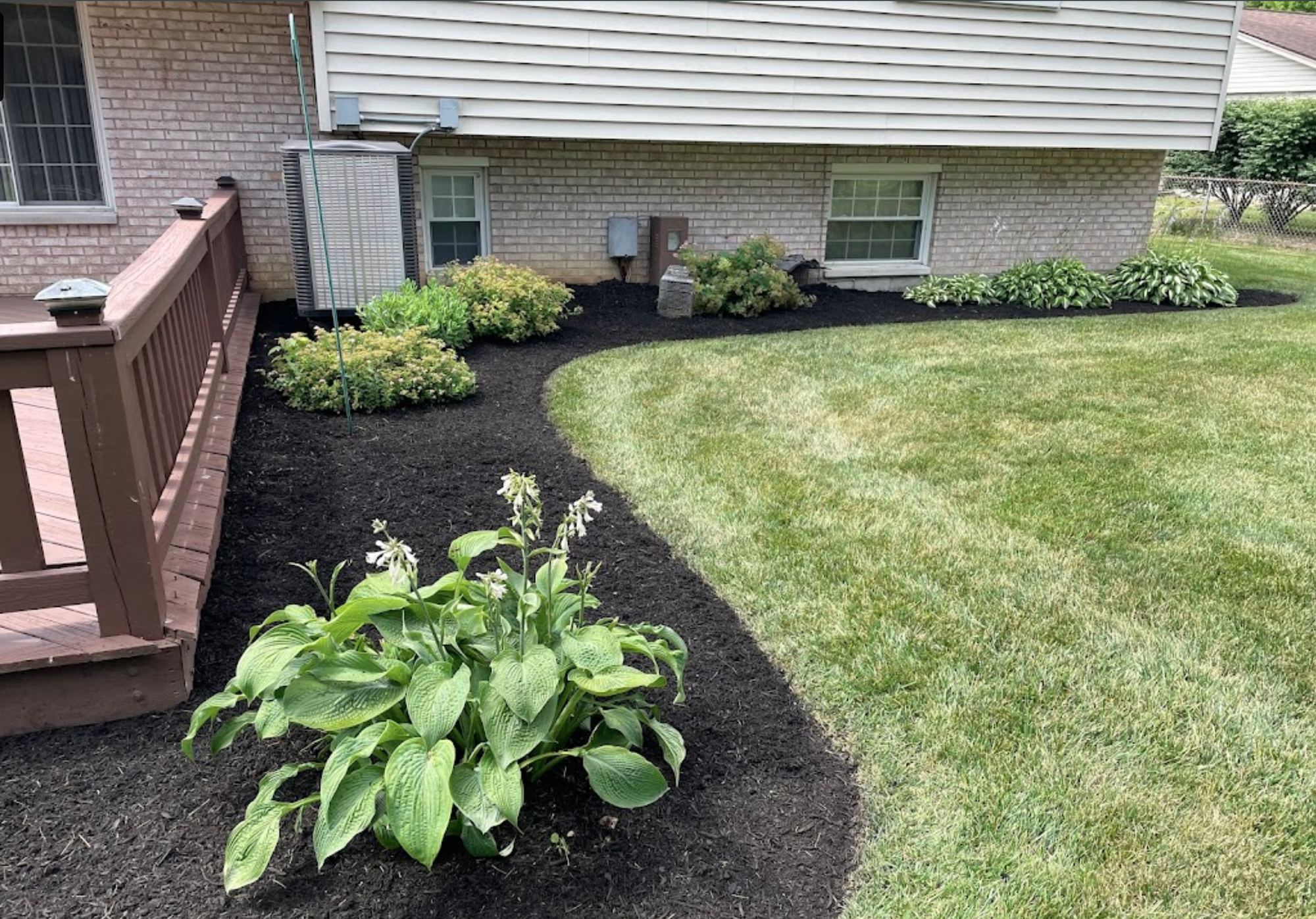
Mulch vs. No Mulch: The Difference
Berea's combination of 46 inches of annual rainfall and a long warm season from late April through October creates ideal conditions for organic mulch to break down relatively quickly. That means organic mulch is consistently returning nutrients and organic matter to your silt loam soil throughout the growing season. If you are looking for something that lasts longer without decomposing, inorganic options like stone or rubber mulch are worth considering, though they do not offer the same soil-building benefits.
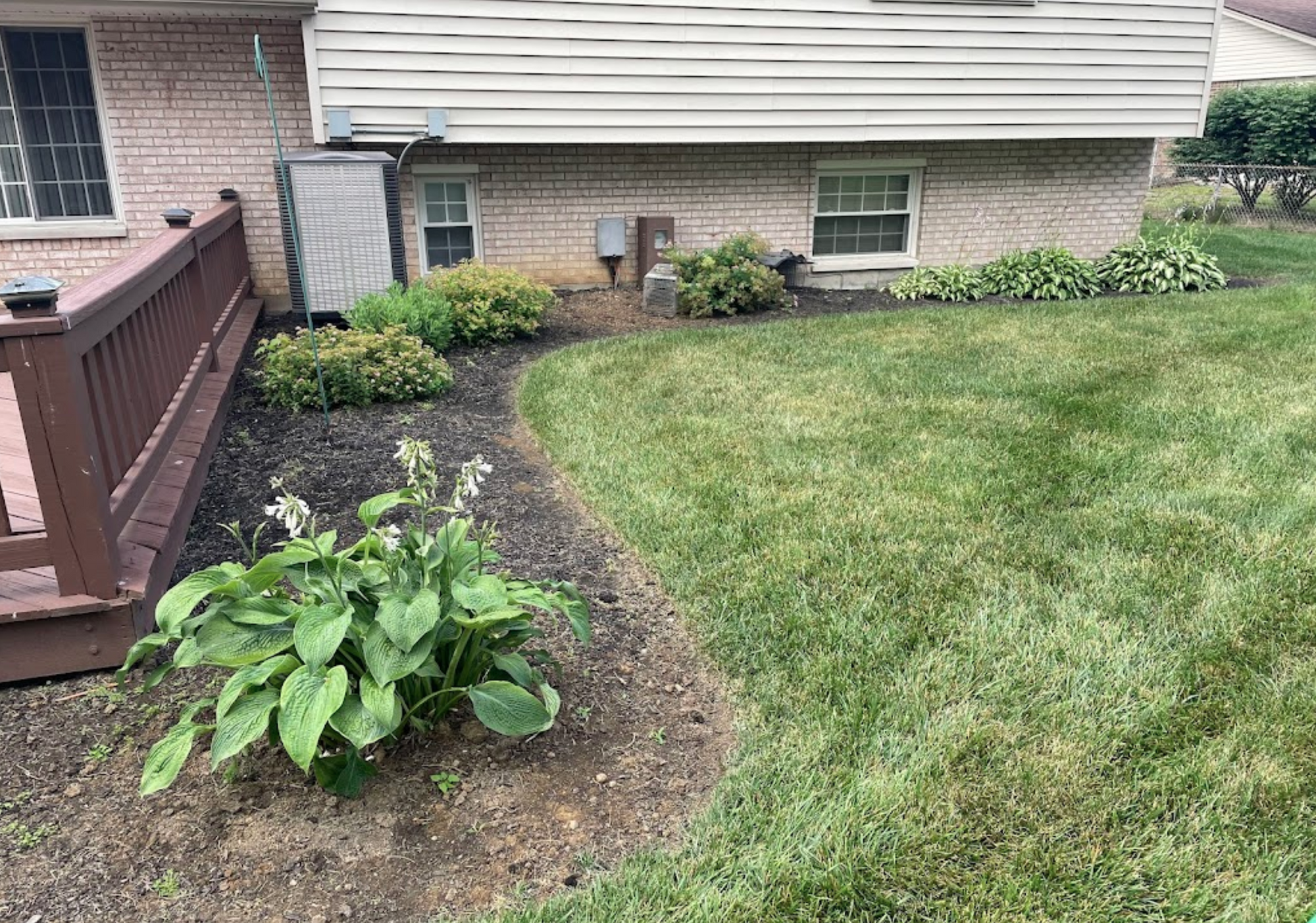
Before
After
Best Mulch Choice for Berea Lawns
Most yards in the Berea area sit on type of soil. Berea's silt loam soil has a tendency to compact and crust at the surface when it is exposed to repeated heavy rainfall, which limits water infiltration into plant beds. Adding a layer of shredded hardwood mulch creates a protective surface that absorbs raindrop impact and keeps the soil structure open underneath.
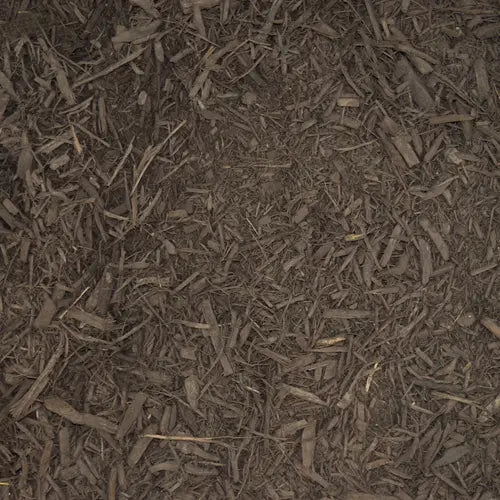
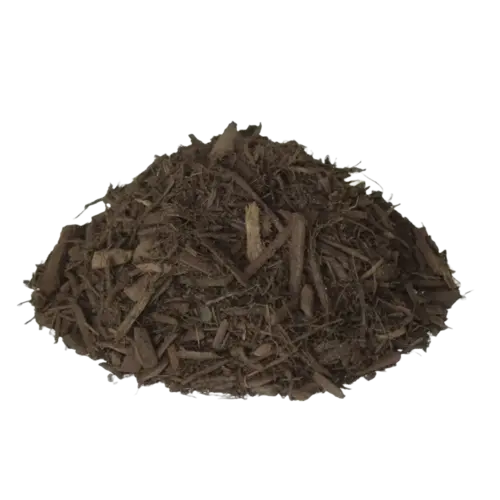
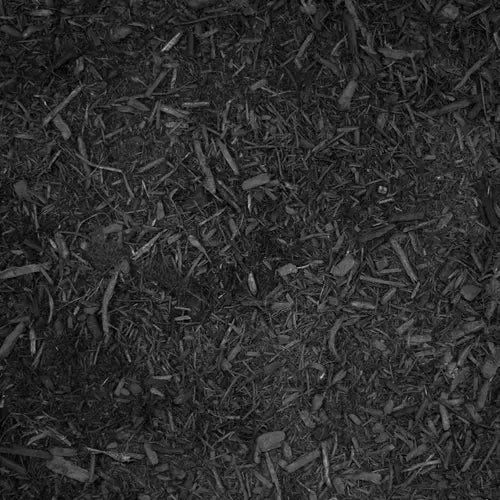
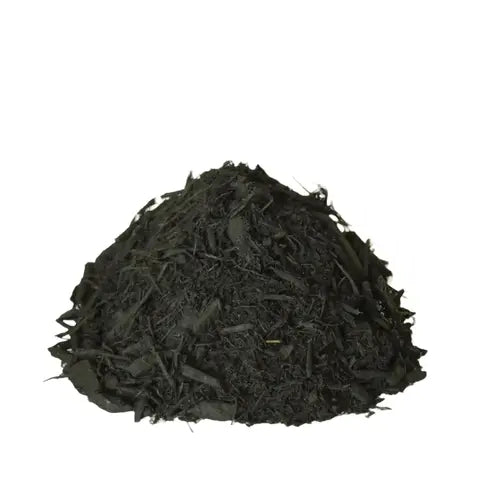
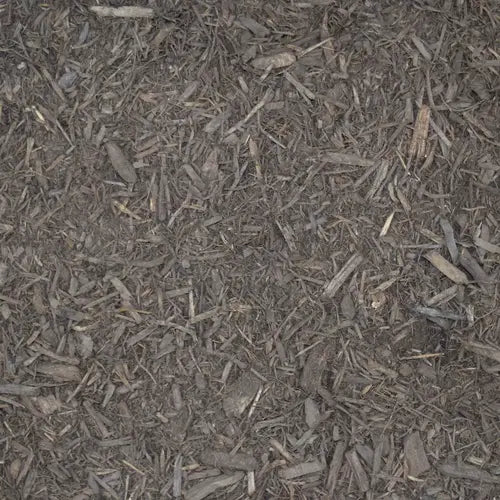
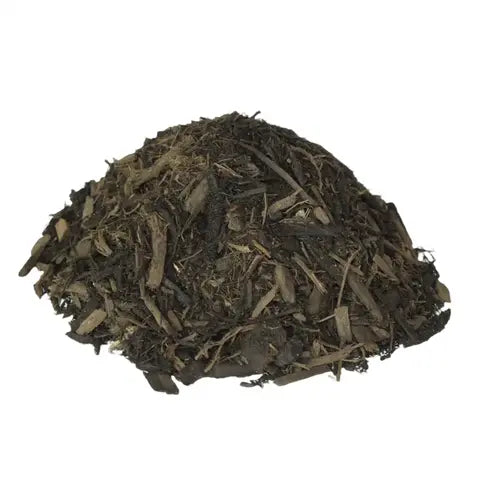
Hardwood Mulch
As hardwood mulch breaks down in Berea's warm and wet conditions, it gradually incorporates organic matter into the silt loam soil beneath it, improving its crumb structure and water-holding capacity. This slow amendment process means that gardeners who mulch consistently every year are quietly building healthier, more resilient soil without ever having to till or heavily amend their beds.
Complete Your Outdoor Mulch Project
If you are refreshing your mulch this season, consider pairing it with a load of garden soil to amend any thin or compacted areas before you spread your coverage. Stone borders also work well alongside mulch beds to keep material from washing onto hardscapes during Berea's heavier rain events.
Mulch Mound Pro Tip
Berea gets most of its rainfall distributed fairly evenly through the year, but spring storms can be intense. Before you spread mulch, take a few minutes to clear any matted leaves or decomposed material left from last season. That old layer can form a water-resistant crust that actually prevents fresh rain from reaching plant roots. Raking it loose or removing it entirely before adding new mulch will make your beds dramatically more effective at retaining moisture through the growing season.
Mulch Mound Pro Tip
Because Berea's growing season begins in earnest after April 28, timing your mulch application is important. Spreading mulch too early in April can trap cold soil temperatures and slow your plants from waking up. Wait until the soil has had a week or two to warm after the last frost date, then apply your mulch. This approach gives your perennials a better start while still protecting the root zone from the drying winds that often accompany Berea's late spring weather.
Mulch Mound Pro Tip
Silt loam soil in Berea can become compacted fairly easily, especially in high-traffic areas of the yard. When you are spreading mulch near garden paths or play areas, consider going a full three to four inches thick in those zones. The extra depth acts as a cushion that reduces compaction from foot traffic and keeps the soil beneath it loose and workable. Over time, the decomposing mulch also feeds beneficial soil organisms that naturally aerate the ground without any additional effort from you.
Frequently Asked Questions
Click a question to see the answer
Answer
How thick should I apply mulch around the trees and shrubs I planted this spring in Berea?
For newly planted trees and shrubs in Berea, aim for a two to three inch layer of mulch spread in a wide ring around the base. Because our last frost falls around April 28, many homeowners are planting in early May when soil temperatures are still cool. A proper mulch ring helps warm the root zone a bit faster and retains the spring moisture that young plants depend on during their first growing season. Keep the mulch a few inches away from the trunk itself to avoid rot.
Answer
Will mulch break down faster here because of Berea's wet summers?
Yes, Berea's 46 inches of annual rainfall combined with warm summer humidity does accelerate decomposition compared to drier climates. Organic mulches like shredded hardwood will typically break down noticeably within one full growing season here. That is actually a benefit for your silt loam soil because the decomposing mulch adds organic matter that improves drainage and soil structure over time. Plan to top off your beds each spring, ideally before your last frost date of April 28, to keep coverage consistent.
Answer
My yard in Berea has a lot of clay and gets muddy after rain. Will mulch help with that?
Berea's soil is classified as silt loam, which means it has some natural drainage ability, but areas near slope bases or compacted driveways can still get waterlogged. Mulch slows the impact of heavy rain on the soil surface, reducing the runoff and splash that carries soil away. Over time, as the mulch breaks down, it improves the organic content of the top layer and helps the ground absorb water more efficiently. It will not fix a drainage problem on its own, but it is a meaningful first step.
Answer
Is there a type of mulch that holds up better through a Berea winter without turning into a matted mess by spring?
Coarser shredded hardwood mulches tend to resist matting better than fine materials during Berea's freeze and thaw cycles between October and April. Fine mulches can compact under snow and ice and form a crust that sheds water instead of absorbing it. A medium to coarse shredded hardwood breaks down more slowly, stays loose through winter, and is much easier to fluff and refresh when you are ready to prep your beds after the last frost.
Answer
How many cubic yards of mulch do I need for a typical backyard garden bed in Berea?
A standard backyard garden bed measuring about 200 square feet will need roughly two cubic yards of mulch at a three inch depth. If your beds are larger or you are covering tree rings throughout your yard, it adds up quickly. Use our calculator on this page to enter your exact dimensions and get a more accurate estimate before you order. Buying a little extra is always smarter than running short mid-project.
Answer
Can I put mulch down right now even though it is almost October and frost is coming soon in Berea?
Applying mulch before Berea's first frost around October 24 is actually a smart move. A fresh layer insulates the root zone and helps the soil hold warmth a little longer into the fall, which gives perennials extra time to harden off properly. It also protects the soil structure from the impact of early winter rain and sleet. Just avoid piling it too thickly against woody stems, since plants going dormant do not need extra moisture held against their crowns.
Answer
Does the type of mulch I use affect the plants I am growing in Berea's growing zone 6b?
It can. In growing zone 6b, where winters get cold enough to stress marginally hardy plants, a deeper mulch layer of three to four inches can make a real difference for borderline perennials. Hardwood mulch is a safe, neutral choice for most ornamentals and shrubs common in Berea gardens. If you are growing acid-loving plants like azaleas or blueberries, a pine bark mulch can help nudge the pH of your silt loam soil in a more favorable direction over time.
The Unique Landscape of Berea
Berea sits at 958 feet in the foothills of the Appalachian Mountains, where the climate swings between humid summers and cold snaps that arrive by late October. The native silt loam soil holds moisture well but can crust over and compact under heavy rainfall, which Berea receives about 46 inches of each year. Mulch creates a protective buffer that keeps that soil from sealing shut after downpours, allowing roots to breathe and water to filter through gradually. With a growing season that runs from late April to late October, plants in Berea beds have a relatively short window to establish strong root systems before winter sets in. A consistent mulch layer helps extend that window by moderating soil temperature during the unpredictable shoulder seasons. Without it, Berea gardens are left exposed to the freeze and thaw cycles that can heave shallow roots right out of the ground.