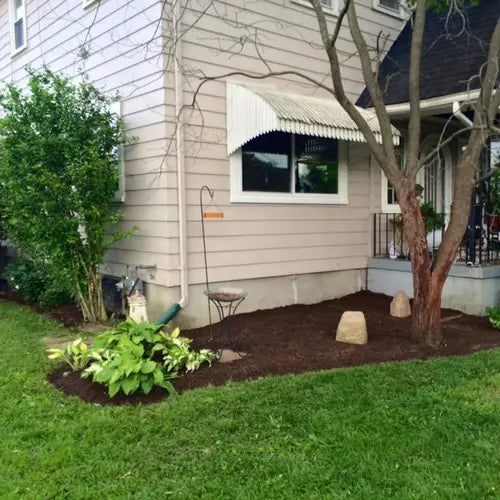
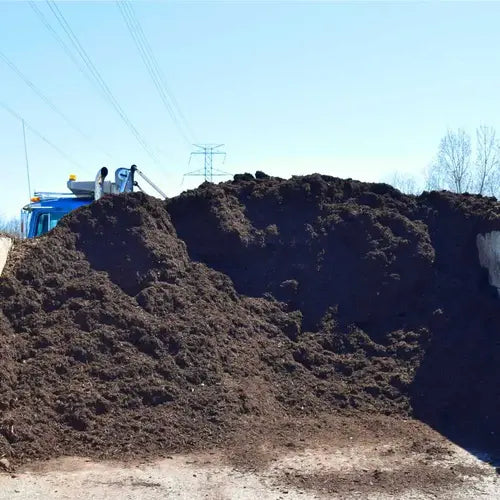
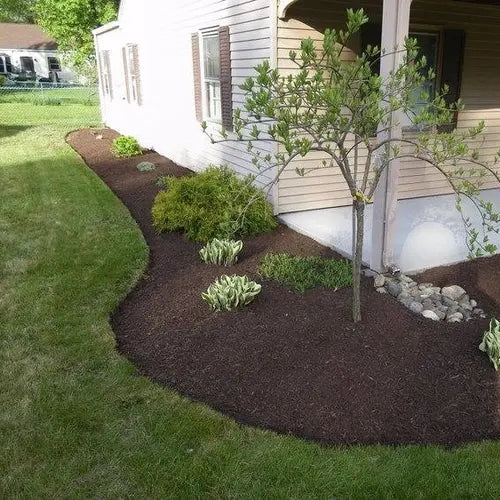
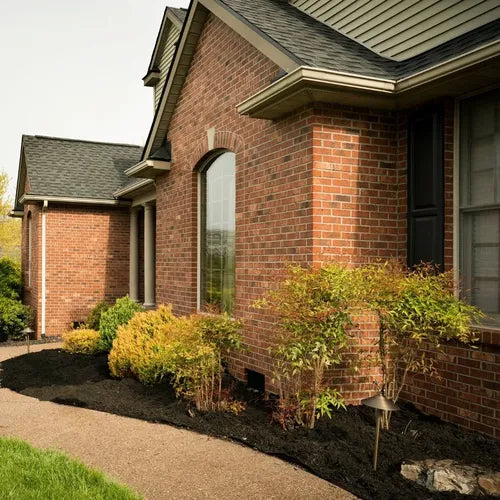
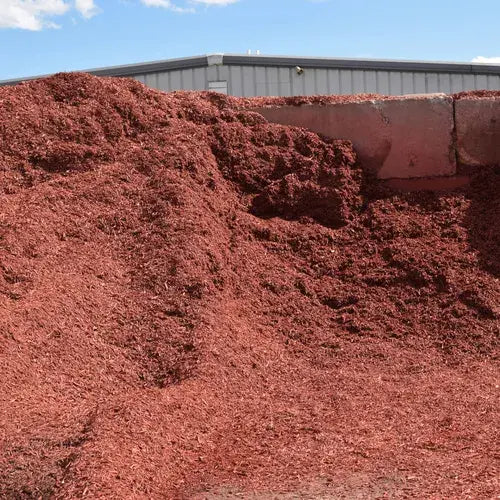
Delivery was on time and great quality Mulch. Got it done in a reasonable time and yard looks great. Couldn’t be happier!!! Thank you and will use again!!
Tell us what you're looking for
Thanks! We received your request.
Something went wrong. Please try again.
How Much Material Do I Need?
Three inches is the sweet spot for Boulder beds, deep enough to hold moisture through a dry August and suppress weeds without smothering roots. One cubic yard covers roughly 108 square feet at that depth.
Use our free mulch calculator
What is a yard?
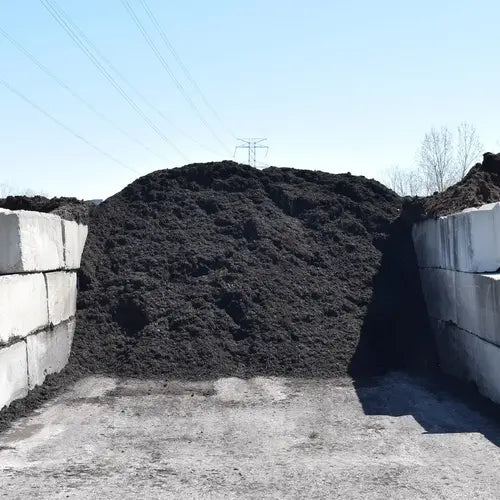
A yard is approximately 27 cubic feet. As a general guideline, one yard of material can cover an area of about 100-160 square feet at a 2-3 inch depth.
Delivery was on time and great quality Mulch. Got it done in a reasonable time and yard looks great. Couldn’t be happier!!! Thank you and will use again!!
How Much Material Do I Need?
Three inches is the sweet spot for Boulder beds, deep enough to hold moisture through a dry August and suppress weeds without smothering roots. One cubic yard covers roughly 108 square feet at that depth.
Use our free mulch calculator
What is a yard?
A yard is approximately 27 cubic feet. As a general guideline, one yard of material can cover an area of about 100-160 square feet at a 2-3 inch depth.
Delivery was on time and great quality Mulch. Got it done in a reasonable time and yard looks great. Couldn’t be happier!!! Thank you and will us...
Read full review
Delivery was on time and great quality Mulch. Got it done in a reasonable time and yard looks great. Couldn’t be happier!!! Thank you and will use again!!
Mulch Mound delivered a yard of pea gravel to us. Delivery was on time, driver was friendly and hit a bullseye on the “tarp target”. We used the ...
Read full review
Mulch Mound delivered a yard of pea gravel to us. Delivery was on time, driver was friendly and hit a bullseye on the “tarp target”. We used the pea gravel (which was diameter as specified) to fill several muskrat holes around our pond. I would definitely recommend Mulch Mound to a friend!
I can’t say enough good things about Mulch Mound! If you read my review below you will see I had a problem with my order. Mulch Mou...
Read full review
UPDATE!
I can’t say enough good things about Mulch Mound! If you read my review below you will see I had a problem with my order. Mulch Mound was quick to respond and solved the issue with my delivery. Will definitely be a customer next year.
First time purchase from Mulch Mound!! First what I liked! Easy to order online and straight forward pricing and delivery. The driver was on time and courteous and delivered my Mulch exactly where I requested! The product is of good quality and comparable to others I have purchased from before. Now what I DID’NT LIKE! I have been mulching the same house and yard for almost 20 years. I always order the same amount and don’t have any issues with covering the same area but this year I fell about a yard short. I was home when the mulch was delivered and when the driver dumped it I noticed that it seemed a bit less than I was used to. I didn’t apply it any thicker than usual and probably a bit thinner than usual because I was worried about running out.
Measure each bed separately and sketch it as rectangles or circles rather than trying to eyeball one big number, since Boulder yards tend to have curved beds and narrow parkway strips. Multiply length by width for square footage, then let the calculator convert to cubic yards at your chosen depth. Round up about ten percent so you are not short at the far end of the bed.
Mulch vs. No Mulch: The Difference
Boulder's combination of thin dry air, 300 plus days of sun, and just 20 inches of annual moisture slows organic decomposition dramatically compared to the Midwest or Southeast. That means a wood mulch here can hold its color and structure for two or three seasons rather than one. Non organic options like river rock and crushed granite never break down at all, which is a real advantage in the noncombustible zone near a foundation.
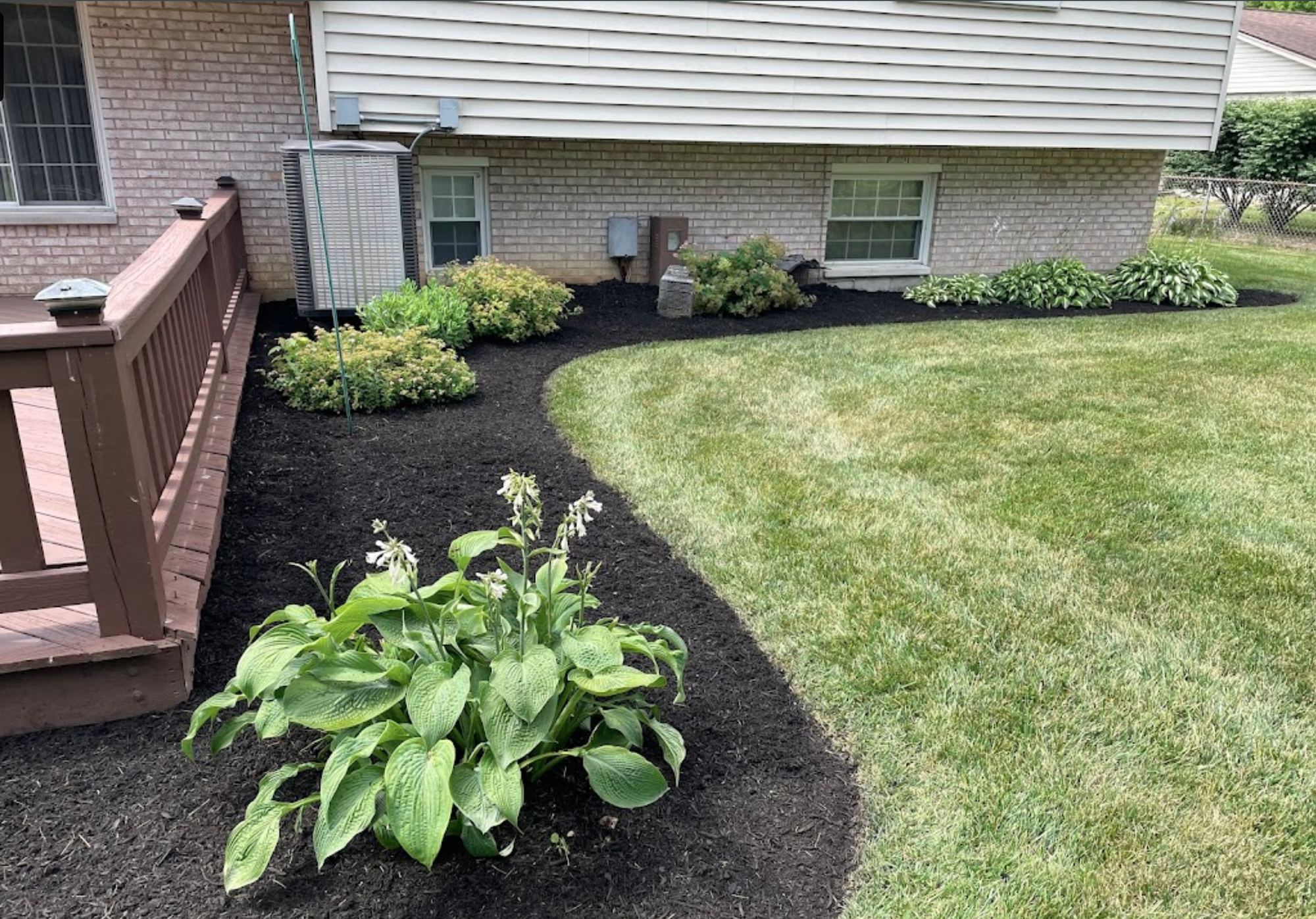
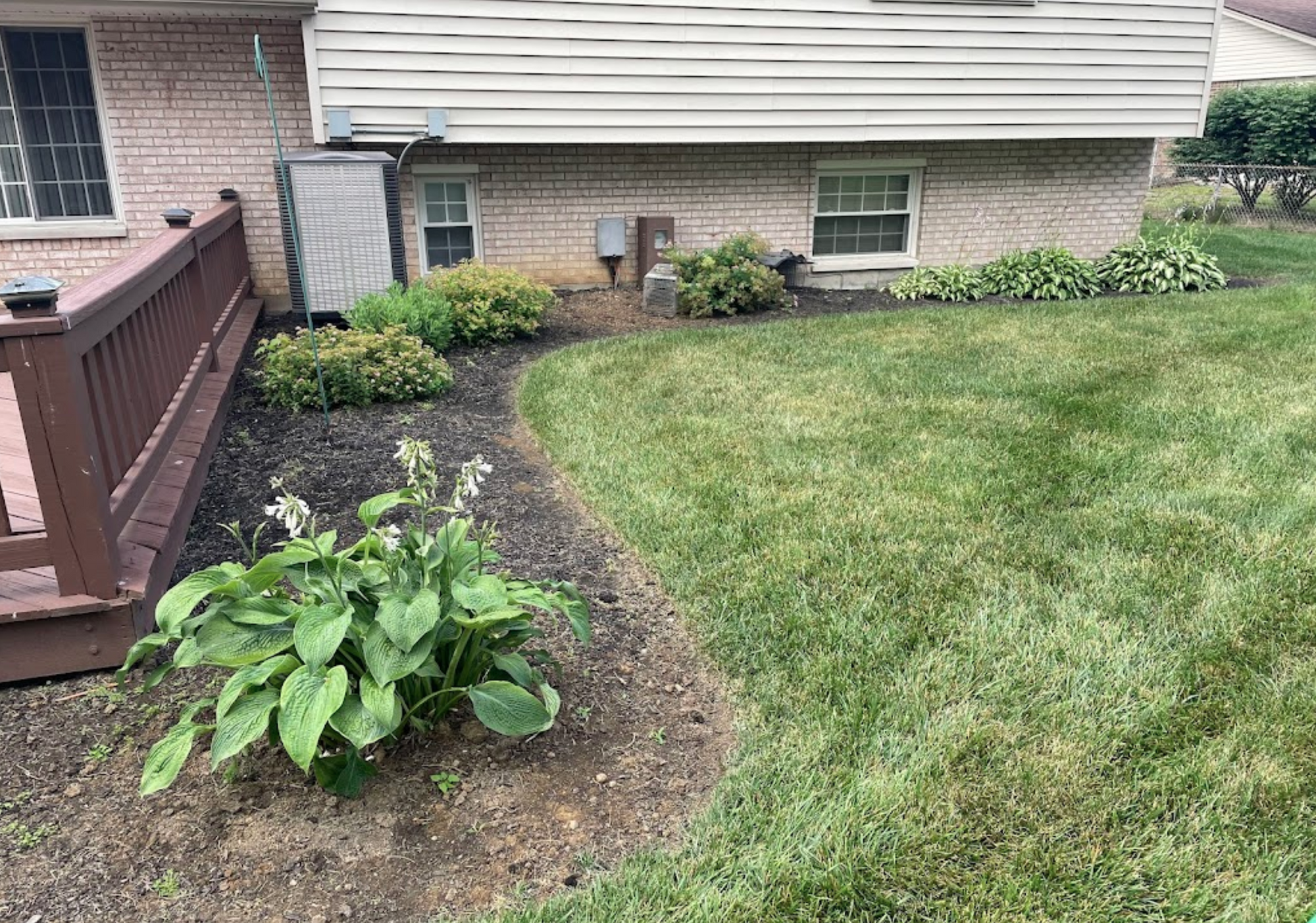
Before
After
Best Mulch Choice for Boulder Lawns
Most yards in the Boulder area sit on type of soil. Boulder's clay loam holds nutrients well but compacts hard and drains slowly, so plant beds often end up with soggy roots in spring and concrete like soil by August. Choosing a mulch that feeds the soil rather than just covering it is what breaks that cycle.
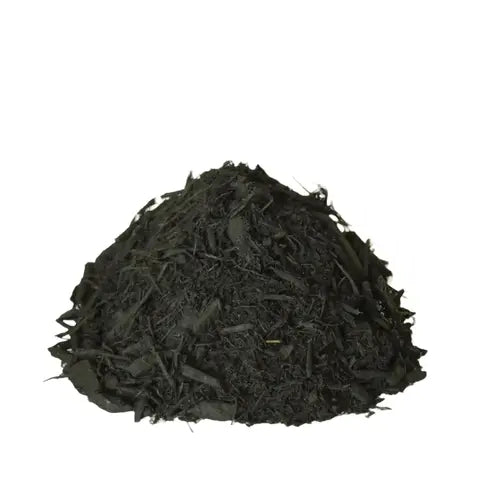
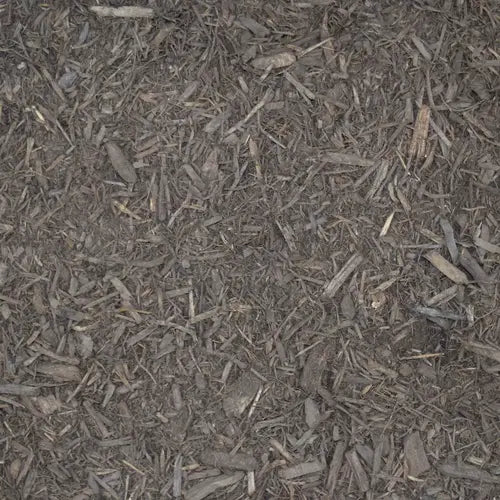
Hardwood Mulch
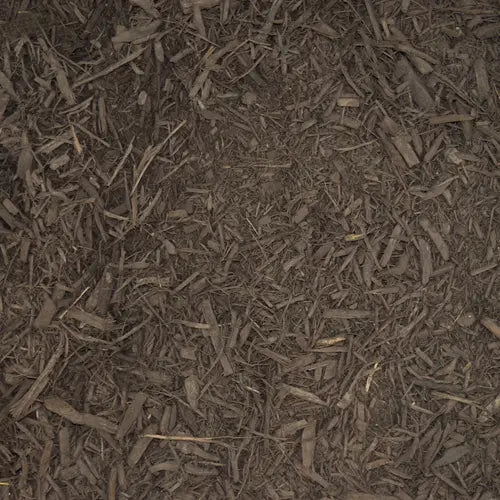
Shredded hardwood is the best match for Boulder clay loam because as it decomposes at the soil interface it adds organic matter that helps clay particles form crumb structure. Over two or three seasons of annual top dressing, beds that once puddled and cracked start draining evenly and digging like garden soil.
Complete Your Outdoor Mulch Project
Pair your mulch with a few yards of compost worked into the clay loam beforehand, and add steel or poly edging to keep material from washing into the walk during a summer downpour. Landscape fabric is optional and generally not recommended under organic mulch.
Pull mulch back three to four inches from the base of every trunk and stem. Boulder homeowners lose more maples and aspens to mulch volcanoes than to any pest, because piled material holds moisture against the bark and invites rot and voles. A flat donut shape with the flare of the trunk fully visible is what you want. It looks less tidy at first, but the tree will still be alive in a decade.
Mulch Mound Pro Tip
Water your beds deeply the day before you spread. Dry Boulder clay loam repels water once it crusts, so if you mulch over bone dry ground the first irrigation cycle will just run across the top and off the bed. Soaking first means the mulch seals in moisture that is already in the profile. This one step does more for plant establishment than any fertilizer you can buy.
Mulch Mound Pro Tip
Time your mulch delivery around Boulder's spring hail season. Late May and June bring the highest hail frequency on the Front Range, and freshly mulched beds actually fare better than bare ones because the mulch absorbs impact and prevents soil splash onto foliage. Get material down before Memorial Day and your perennials will come through a storm with far less shredding and disease pressure.
Frequently Asked Questions
Click a question to see the answer
Answer
How fast does mulch break down in Boulder's dry climate?
Slower than in wetter parts of the country. With around 20 inches of annual precipitation and intense high altitude sun, shredded hardwood in a Boulder bed usually holds its structure for two to three years before it needs a refresh. Beds under drip irrigation break down faster because the moisture keeps the microbes working, so plan to top those off yearly with an inch or so.
Answer
Will Boulder's Chinook winds blow my mulch out of the beds?
Fine bark nuggets and light double ground material can absolutely migrate during a January downslope event. Shredded hardwood knits together as it settles and resists wind much better, which is why it is our most popular product on exposed west facing lots near the foothills. Water the mulch in right after spreading to help it mat down.
Answer
When is the best time to mulch in Boulder?
Late April through mid May is ideal, after the soil has warmed but around the May 5 average last frost. Mulching too early traps cold in our clay loam and slows perennials from waking up. A second lighter application in late September, before the October 3 first frost, helps insulate roots through winter.
Answer
Does mulch help with Boulder's watering restrictions?
Significantly. A three inch layer can cut surface evaporation by roughly half, which matters when the city moves to reduced watering days in a dry summer. Homeowners who mulch well often drop a full irrigation cycle per week and see no stress in their shrubs or perennials.
Answer
Is mulch a fire risk given how close Boulder is to the foothills?
It can be within the first five feet of a structure, which is why Wildfire Partners and local guidance recommend keeping that zone as noncombustible with gravel or bare soil. Beyond that five foot band, coarse shredded hardwood is fine because it holds moisture and does not carry flame the way fine dry bark nuggets or pine needles do. Keep it at three inches, not six.
Answer
How many cubic yards do I need for a typical Boulder front yard bed?
Most Boulder bungalow front beds run 150 to 300 square feet, which is roughly one and a half to three cubic yards at three inches deep. A larger lot in Gunbarrel or south Boulder with wrapped foundation beds and a parkway strip commonly lands between four and seven yards. Measure your beds and let the calculator do the math.
Answer
Can I put mulch directly on my clay loam without amending?
Yes, and it will slowly improve the soil as it decomposes at the interface. That said, Boulder clay loam benefits enormously from a compost incorporation the first time you build a bed. After that, an annual mulch top dress is enough to keep organic matter feeding the soil biology.
The Unique Landscape of Boulder
Boulder sits at 5,430 feet where the sun burns through thin air and dries exposed soil faster than most Front Range gardeners expect. With only about 20 inches of moisture a year and a Chinook wind season that can strip a bed bare in an afternoon, mulch is the single cheapest way to hold water in the root zone. Our native clay loam also crusts over and sheds water when it bakes uncovered, so a mulch blanket keeps the surface open and lets what little rain we get actually soak in. In zone 6a, the freeze thaw swings between a May 5 last frost and an October 3 first frost heave shallow roots right out of the ground, and mulch buffers that cycle. It also slows the cheatgrass and bindweed that colonize any bare patch in a Boulder yard within a single season.