About this soil

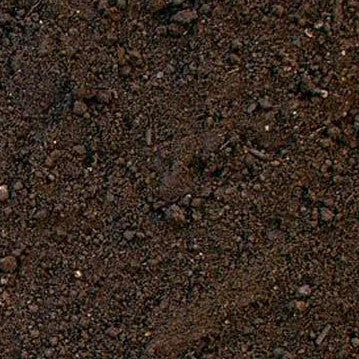
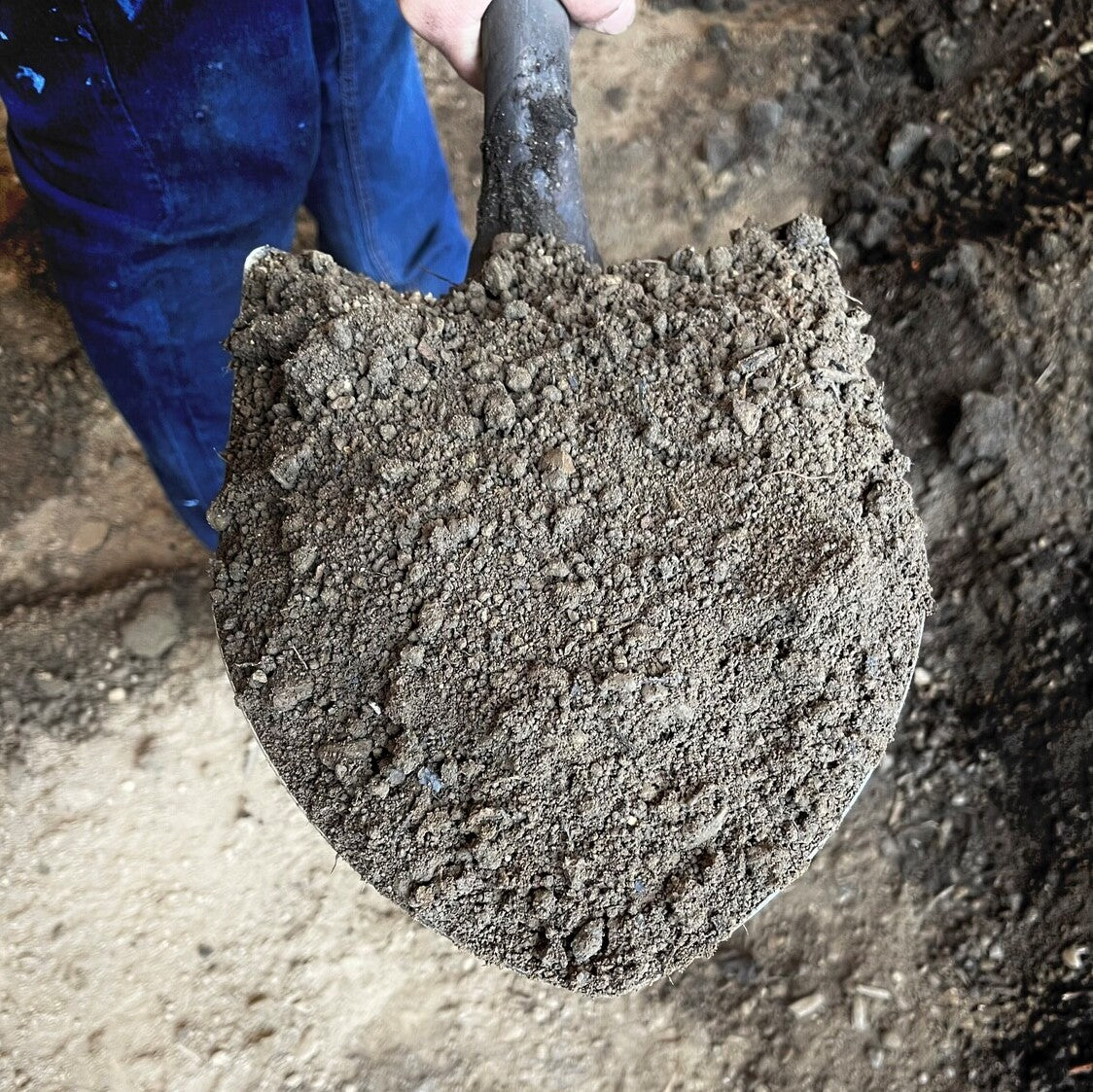
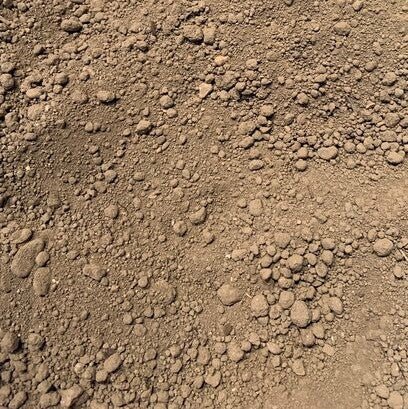
Screened topsoil with a fine, even texture. Ideal for new lawns, sod prep, and raised garden beds.

The website was intuitive and easy to navigate. The material was delivered the date and time it was scheduled, it was dropped off in the area i had specified on top of my tarp with no issues.

I ordered soil, the Gardening Blend that I received had too many plastic and m...

New lawns and garden beds do best with four to six inches of amended soil over the native clay loam, while simple topdressing needs only a half inch to an inch. One cubic yard covers about 100 square feet at three inches deep.
Use our free soil calculator

A yard is approximately 27 cubic feet. As a general guideline, one yard of material can cover an area of about 100-160 square feet at a 2-3 inch depth.

Boulder Soil Delivery

Boulder Soil Delivery

4.7
137 reviews
Regular price $55.00 per Yard
Regular price Sale price $55.00
Sale Sold out
Shipping calculated at checkout.
Type
Style
Hand-picked local yards
4,000+ regional deliveries
Dedicated support
Why order through Mulch Mound

The best local , without the guesswork.

We hand-pick and partner with the best yards in your region, keep only the ones our buyers rate well, and back each load with our guarantee.

Mulch Mound Guarantee

If your isn't the quantity or quality you ordered, we'll make it right.

About this soil

Screened topsoil with a fine, even texture. Ideal for new lawns, sod prep, and raised garden beds.

The website was intuitive and easy to navigate. The material was delivered the date and time it was scheduled, it was dropped off in the area i had specified on top of my tarp with no issues.

I ordered soil, the Gardening Blend that I received had too many plastic and m...

New lawns and garden beds do best with four to six inches of amended soil over the native clay loam, while simple topdressing needs only a half inch to an inch. One cubic yard covers about 100 square feet at three inches deep.
Use our free soil calculator

A yard is approximately 27 cubic feet. As a general guideline, one yard of material can cover an area of about 100-160 square feet at a 2-3 inch depth.

View full details

How It Works

Getting started is easy — just follow these simple steps

1

Choose your soil

Make sure you adjust the quantity to your home's needs. You can use our calculator to estimate how much you'll need.

2

Select your delivery date

Select a delivery date you'd like for the product to be dropped off at your home

3

Sit back and wait

Sit back, wait, and let us work our magic to make sure the highest quality product is delivered to your driveway.

What Boulder Customers Like About Our Soil

4.7
out of 5 based on 137 reviews
Google Reviews

Need Help Calculating How Much Soil You Need?

Use our NEW Trace from Satellite tool to get an estimate for your project based on an aerial view of your property

Try Our Calculator
📍

Break your project into simple shapes, measure length and width in feet, and note the depth you need in inches. For a raised bed, measure the inside dimensions rather than the outside frame or you will over order by ten percent or more. Soil settles noticeably after the first few waterings, so add about fifteen percent to whatever the calculator returns.

Complete Your Outdoor Soil Project

Finish with a three inch mulch layer to keep the new soil from crusting in the Boulder sun, and add compost each spring to keep organic matter climbing. Edging keeps your amended soil from washing into the sidewalk during a July storm.

Map of the soil delivery area around Boulder, Colorado

Service area

Areas we deliver soil in Boulder, Colorado

Frequently Asked Questions

Click a question to see the answer

Answer

Do I really need to bring in topsoil if Boulder already has clay loam?

For lawns and vegetable beds, usually yes. The native clay loam under most Boulder yards was compacted by heavy equipment during construction and stripped of its organic layer. Adding four to six inches of screened topsoil or a compost blend and tilling it into the top few inches of existing soil gives you a rooting zone that actually drains and breathes.

Answer

What soil should I use for raised vegetable beds in Boulder?

A garden blend of roughly sixty percent screened topsoil and forty percent compost works well here. Straight compost dries out too quickly in our low humidity, and straight topsoil compacts. The blend holds moisture through a hot July while still draining after a hail driven downpour.

Answer

How do I fix drainage in my clay loam yard?

Do not just add sand, which combined with clay makes something closer to concrete. Instead work compost and screened topsoil into the top six to eight inches to build structure, and regrade so water moves away from the house. Boulder gets most of its precipitation in short intense bursts, so shaping the grade matters as much as amending.

Answer

When can I start soil work in Boulder in the spring?

Wait until the ground has dried out from snowmelt, typically mid to late April. Working wet clay loam destroys its structure and you will be fighting compaction all season. Planting warm season crops should wait until after the May 5 average last frost, though cool season greens go in earlier.

Answer

How much soil do I need to level a low spot in my lawn?

Measure the area and the average depth of the depression. A 100 square foot dip that averages two inches deep needs about two thirds of a cubic yard. Fill in layers no more than an inch at a time over existing turf so the grass can grow through, and repeat every few weeks.

Answer

Will your soil have weed seeds in it?

Our screened topsoil and compost blends are processed to reduce weed seed, but no bulk soil is truly sterile. In Boulder the bigger risk is airborne cheatgrass and bindweed seed blowing in from adjacent open space. Mulching over new soil and staying on top of the first flush of seedlings handles it.

Answer

Is Boulder soil alkaline, and does your product change that?

Yes, Front Range soils typically run alkaline with pH in the seven to eight range, which is why iron chlorosis shows up as yellow leaves on maples and roses. Compost rich blends nudge pH down slightly and improve iron availability, but the durable fix is choosing plants adapted to alkaline conditions rather than trying to acidify the whole yard.

Mulch Mound Pro Tip

Never till amended soil into bone dry Boulder clay. Water the area lightly two days before you work it, then test by squeezing a handful. If it forms a ball that crumbles when poked, it is ready. If it smears, wait another day. Working clay loam at the wrong moisture level creates dense clods that will still be there three seasons from now, no matter how much compost you added.

Mulch Mound Pro Tip

Blend, do not layer. Homeowners often dump six inches of good soil on top of compacted clay and wonder why plants stall. The abrupt texture change creates an interface that roots refuse to cross and water perches above. Rototill or fork the bottom two inches of new soil into the top two inches of native ground so there is a gradual transition. Roots will push straight down into the native profile.

Mulch Mound Pro Tip

Account for Boulder's short season when you plan soil projects. With frost dates of May 5 and October 3, you have roughly 150 frost free days. Building beds in early April so soil can settle and warm before planting means your tomatoes go in on time instead of two weeks late. Fall is the other great window, since soil worked in September has all winter to mellow before spring planting.

The Unique Landscape of Boulder

Most Boulder lots sit on clay loam that was scraped, compacted, and graded during construction, leaving builders sand and subsoil where topsoil should be. That native clay loam holds nutrients beautifully but drains slowly and turns brick hard in a summer where rainfall totals only around 20 inches. At 5,430 feet the growing window between a May 5 last frost and an October 3 first frost is short, so roots need soil that lets them establish fast rather than fighting compaction. Bringing in quality screened topsoil or a compost blend gives raised beds, new lawns, and shrub plantings the head start they will not get from what is already in the ground. It also raises grade in the low spots where Boulder's intense summer thunderstorms tend to pond against foundations.