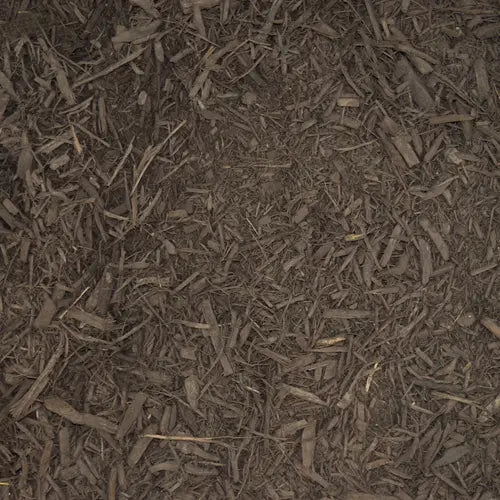
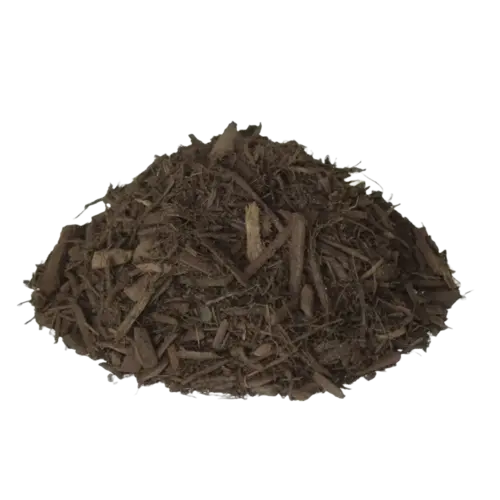
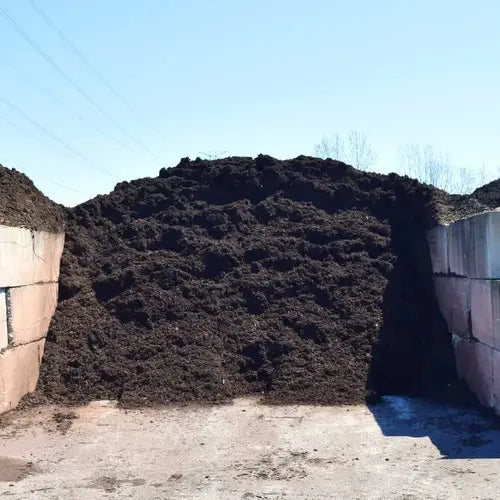
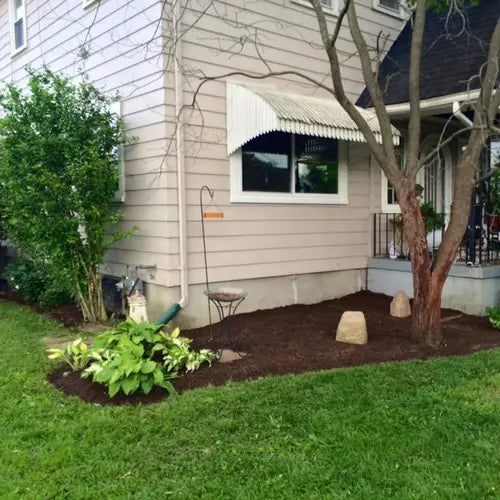
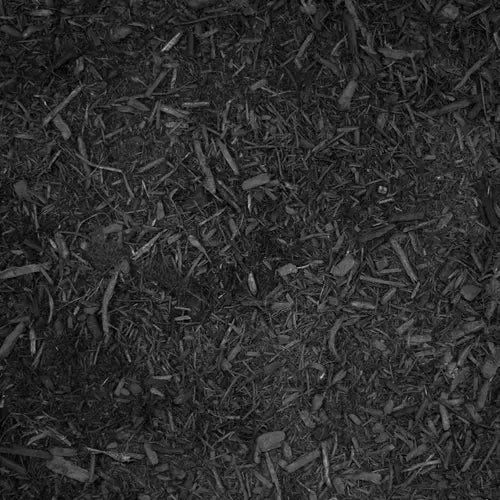
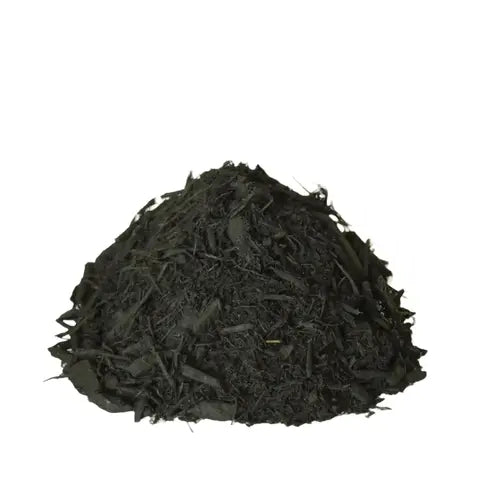
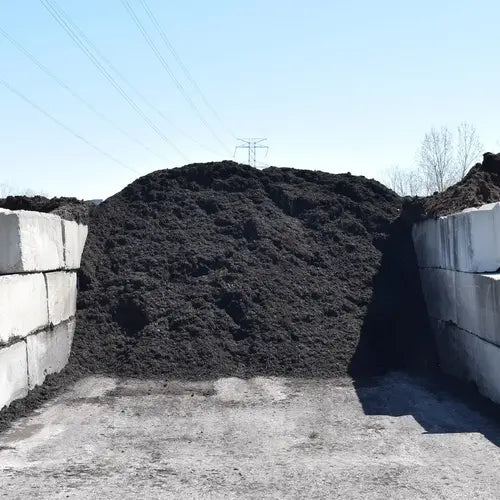
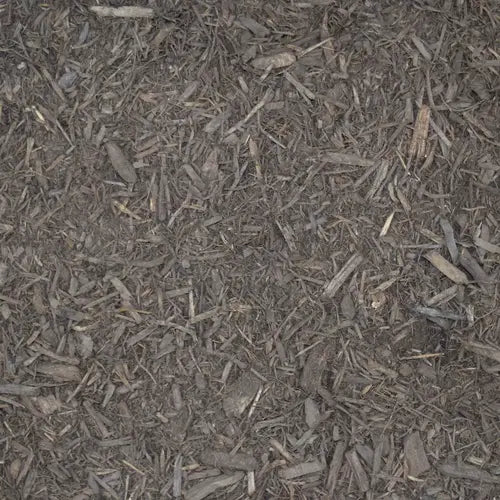
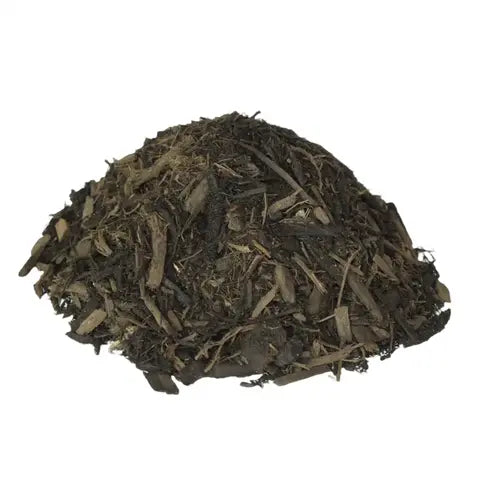
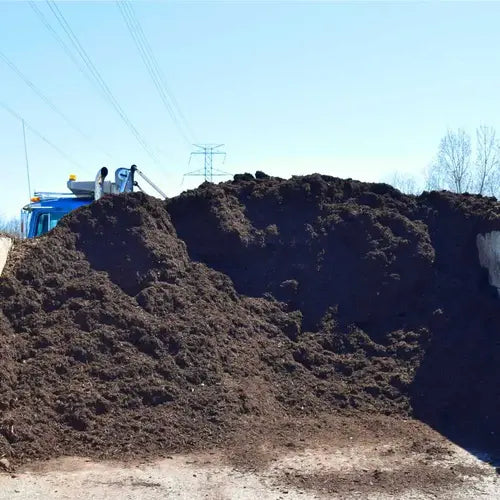
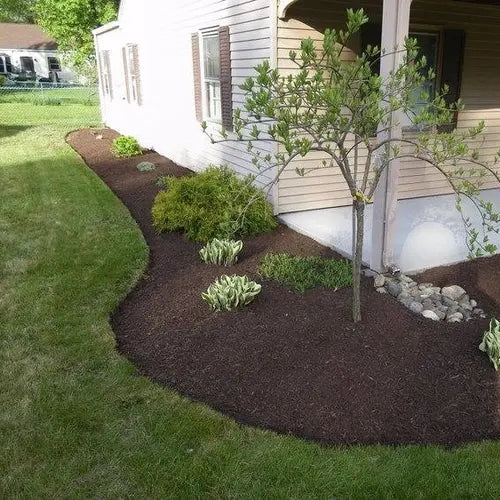
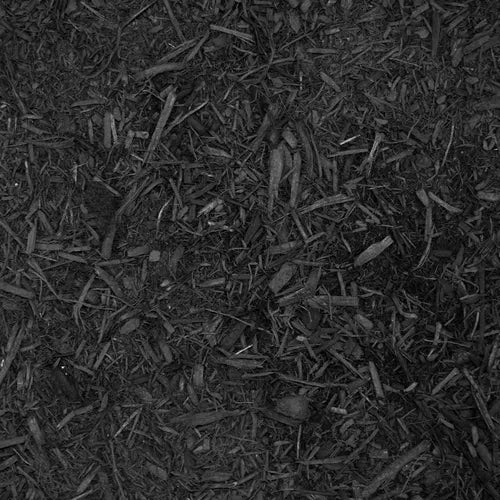
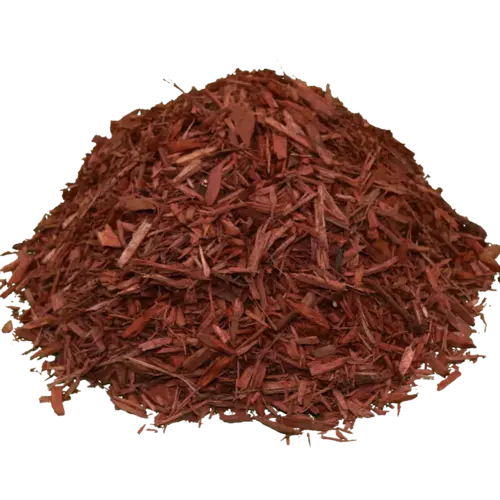
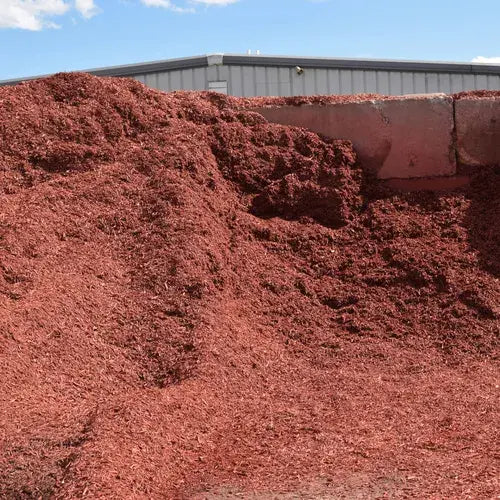
Warm brown double shredded mulch with lasting color that looks freshly applied for weeks. Spreads smooth, stays put, and gives beds a natural, polished appearance.
Mulch Mound delivered a yard of pea gravel to us. Delivery was on time, driver was friendly and hit a bullseye on the “tarp target”. We used the pea gravel (which was diameter as specified) to fill several muskrat holes around our pond. I would definitely recommend Mulch Mo...
Tell us what you're looking for
Thanks! We received your request.
Something went wrong. Please try again.
How Much Material Do I Need?
In Bradenton's sandy soil, a minimum of 3 inches of mulch is recommended to compensate for fast drainage and surface evaporation, with 4 inches being preferable around trees and larger shrubs. One cubic yard covers approximately 100 square feet at 3 inches deep.
Use our free mulch calculator
What is a yard?
A yard is approximately 27 cubic feet. As a general guideline, one yard of material can cover an area of about 100-160 square feet at a 2-3 inch depth.
We can't take orders for this right now. Tell us what you need and we'll get back to you.
What do you need?
Thanks! We received your request.
Something went wrong. Please try again.
Hand-picked local yards
4,000+ regional deliveries
Dedicated support
Why order through Mulch Mound
The best local mulch, without the guesswork.
We hand-pick and partner with the best yards in your region, keep only the ones our buyers rate well, and back each load with our guarantee.
Mulch Mound Guarantee
If your mulch isn't the quantity or quality you ordered, we'll make it right.
About this mulch
Warm brown double shredded mulch with lasting color that looks freshly applied for weeks. Spreads smooth, stays put, and gives beds a natural, polished appearance.
Mulch Mound delivered a yard of pea gravel to us. Delivery was on time, driver was friendly and hit a bullseye on the “tarp target”. We used the pea gravel (which was diameter as specified) to fill several muskrat holes around our pond. I would definitely recommend Mulch Mo...
How Much Material Do I Need?
In Bradenton's sandy soil, a minimum of 3 inches of mulch is recommended to compensate for fast drainage and surface evaporation, with 4 inches being preferable around trees and larger shrubs. One cubic yard covers approximately 100 square feet at 3 inches deep.
Use our free mulch calculator
What is a yard?
A yard is approximately 27 cubic feet. As a general guideline, one yard of material can cover an area of about 100-160 square feet at a 2-3 inch depth.
Mulch Mound delivered a yard of pea gravel to us. Delivery was on time, driver was friendly and hit a bullseye on the “tarp target”. We used the ...
Read full review
Mulch Mound delivered a yard of pea gravel to us. Delivery was on time, driver was friendly and hit a bullseye on the “tarp target”. We used the pea gravel (which was diameter as specified) to fill several muskrat holes around our pond. I would definitely recommend Mulch Mound to a friend!
I can’t say enough good things about Mulch Mound! If you read my review below you will see I had a problem with my order. Mulch Mou...
Read full review
UPDATE!
I can’t say enough good things about Mulch Mound! If you read my review below you will see I had a problem with my order. Mulch Mound was quick to respond and solved the issue with my delivery. Will definitely be a customer next year.
First time purchase from Mulch Mound!! First what I liked! Easy to order online and straight forward pricing and delivery. The driver was on time and courteous and delivered my Mulch exactly where I requested! The product is of good quality and comparable to others I have purchased from before. Now what I DID’NT LIKE! I have been mulching the same house and yard for almost 20 years. I always order the same amount and don’t have any issues with covering the same area but this year I fell about a yard short. I was home when the mulch was delivered and when the driver dumped it I noticed that it seemed a bit less than I was used to. I didn’t apply it any thicker than usual and probably a bit thinner than usual because I was worried about running out.
Measure the length and width of each bed area in feet and multiply to get square footage, then use 3 inches as your standard depth for Bradenton beds. Bradenton's sandy soil and warm climate mean mulch settles and breaks down more quickly than in northern climates, so rounding your estimate up by 10 to 15 percent ensures you maintain an effective layer through the season. For irregularly shaped beds, break them into rectangles, calculate each section separately, and add the totals together.
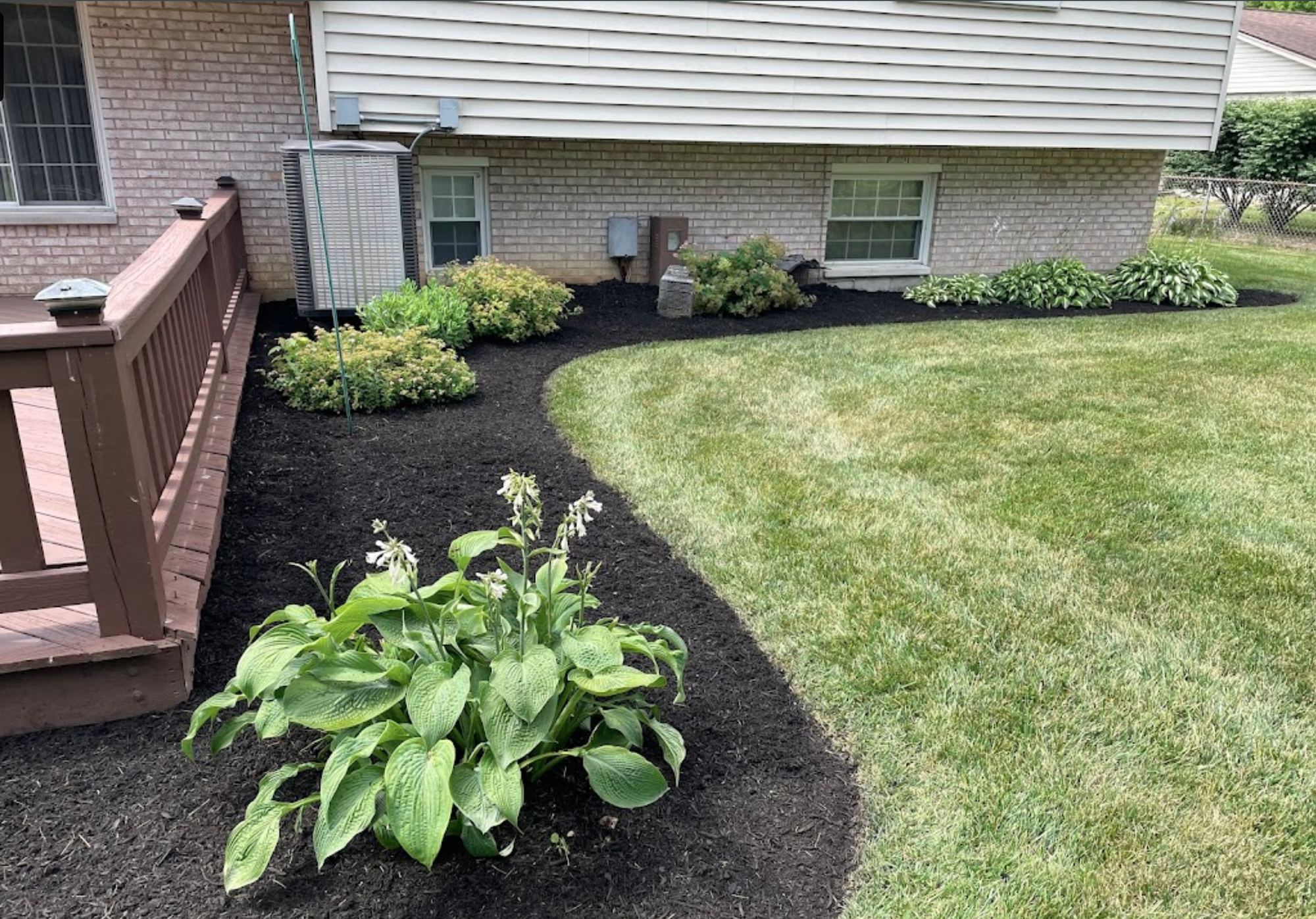
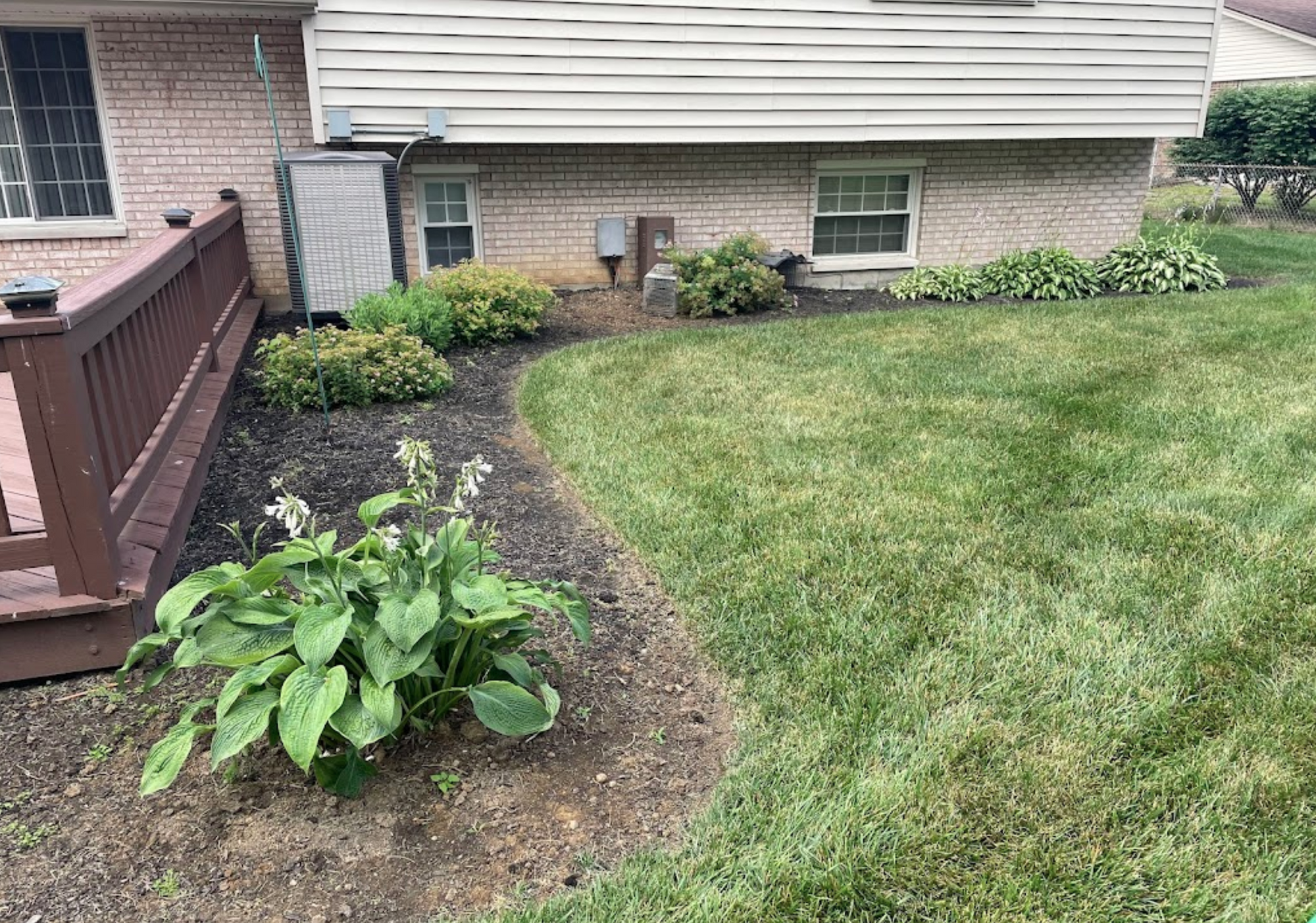
Mulch vs. No Mulch: The Difference
Bradenton's heat, humidity, and intense year-round sun create conditions where natural and dyed mulches perform very differently than they would in a cooler climate. Natural hardwood mulch decomposes more quickly in Zone 10a, contributing organic matter to the sandy soil at a faster rate but also requiring more frequent replenishment to maintain an effective layer. Dyed mulches use colorfast pigments that resist UV breakdown and maintain curb appeal through Bradenton's most intense sun months, making them a popular choice for high-visibility front beds.
Before
After
Best Mulch Choice for Bradenton Lawns
Most yards in the Bradenton area sit on Sandy type of soil. Bradenton's sandy soil is low in organic matter and drains very quickly, which means plant beds lose moisture rapidly and nutrients leach away with every heavy rain event. Without a mulch layer, exposed sandy soil in direct sun can become nearly hydrophobic during extended dry spells, shedding irrigation water rather than absorbing it.
Hardwood Mulch
Hardwood mulch is particularly well suited to Bradenton's sandy soil because as it decomposes in the warm, moist climate, it releases tannins and organic compounds that bind with sand particles and gradually improve soil texture over time. After two to three seasons of consistent hardwood mulching, beds typically develop a noticeably darker, more moisture-retentive top layer that supports healthier and more drought-resilient root systems.
Mulch Types We Deliver in Bradenton
Mulch Mound offers bulk mulch delivery in Bradenton by the cubic yard, so you can refresh beds and tackle full landscape projects without hauling a single bag. Every order is measured and delivered locally, saving you time and trips to the store. Pick a variety below and we will bring it straight to your property.
Dyed Black Mulch
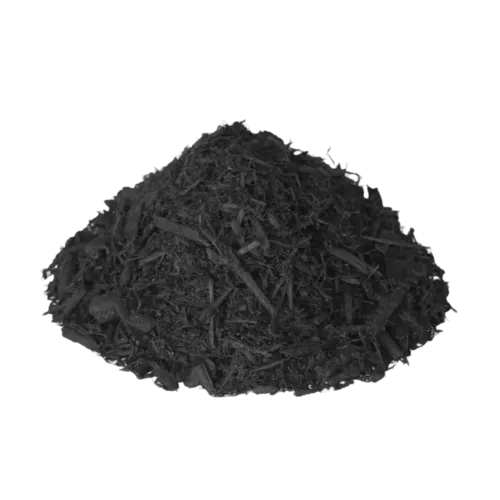
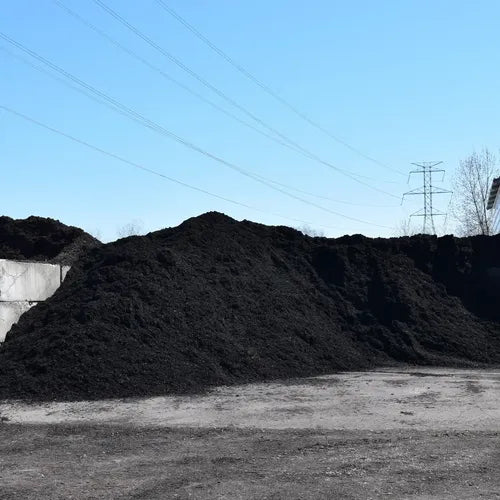
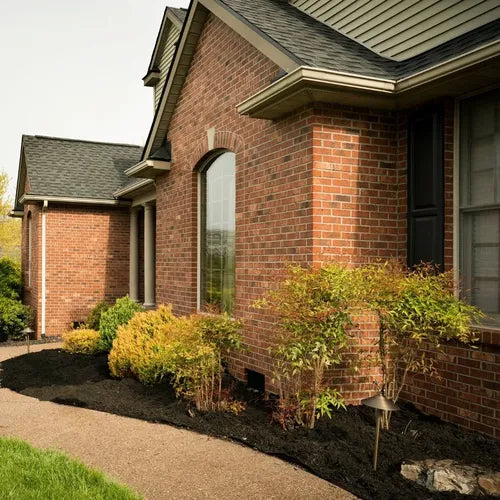
Bold double shredded black mulch that creates strong contrast in Florida landscape beds. The color holds up through intense summer sun and heavy seasonal rain, and the smooth double shredded texture spreads evenly across sandy coastal soil. A popular pick for homeowners who want a polished, dramatic look year round.
Dyed Brown Mulch
Warm double shredded brown mulch with lasting color that stays looking freshly applied through Florida's humid summers. It spreads smoothly over sandy soil and lays flat around palms, shrubs, and flowering beds common to this part of the Gulf Coast. A versatile everyday choice for most landscapes.
Natural Brown Mulch
Undyed double shredded mulch with a warm earthy tone straight from the wood itself. No colorants means no concern about fading or runoff during Florida's frequent rains, and the natural texture blends well with the relaxed tropical landscape styles typical of homes along this part of the coast.
Dyed Red Mulch
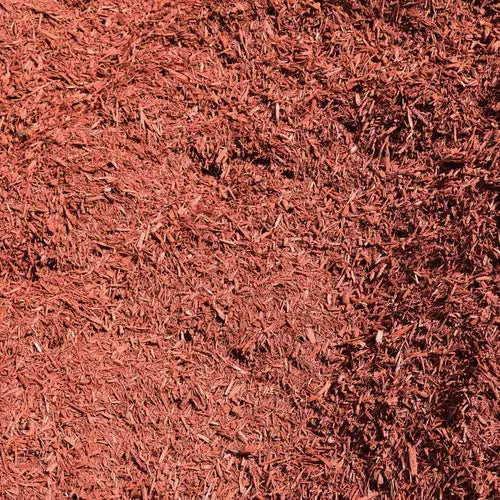
Vibrant double shredded red mulch that holds its bold color through the season. The striking tone works well as an accent against Florida's lush green foliage, and the double shredded texture lays flat and stays put even through heavy summer downpours.
Complete Your Outdoor Mulch Project
If your beds need structural improvement before mulching, our bulk garden soil and topsoil blends can be added first to give Bradenton's sandy soil more body and nutrient content before you lay your mulch layer. Decorative stone works well alongside mulch for border edging, pathways, and foundation zones where you want a low-maintenance, moisture-neutral surface that holds up through the rainy season.
Bradenton's wet season brings intense afternoon thunderstorms that can displace lightweight mulch from sloped beds. If your yard has any grade to it, even a gentle one, use a slightly coarser shredded hardwood that knits together and resists wash. Finer mulches like pine bark mini nuggets tend to float and migrate toward low spots after heavy storms, creating uneven coverage and bare areas that weeds are quick to colonize in Zone 10a's year-round growing conditions.
Mulch Mound Pro Tip
With a last frost date of February 15 in Bradenton, you have a very short cold window and a genuinely long growing season. Take advantage of that by timing your annual mulch refresh in late February or early March, just as the last frost risk passes. Applying fresh mulch at this point sets your beds up for the entire spring and summer growing season, suppressing the weed flush that follows the cooler months and locking in soil moisture as temperatures begin their rapid climb.
Mulch Mound Pro Tip
Bradenton receives about 54 inches of rain annually, but that precipitation is highly seasonal and the dry months from November through May can bring weeks with almost no rainfall. A proper mulch layer is your best passive defense during those stretches, reducing supplemental watering needs significantly. Homeowners who maintain a consistent 3-inch or deeper mulch layer often report cutting irrigation run times by 30 to 40 percent during the dry season compared to unmulched beds in the same sandy soil conditions.
Frequently Asked Questions
Click a question to see the answer
Answer
How often should I replace mulch in Bradenton given how hot and wet it gets here?
In Bradenton's Zone 10a climate, organic mulch breaks down significantly faster than it would in northern Florida or cooler states. The combination of heat, humidity, and 54 inches of annual rainfall accelerates decomposition, so most homeowners find they need to top off their beds once a year, with a full refresh every 18 to 24 months. Keeping a consistent 3-inch layer is the practical goal for maintaining real weed suppression and moisture retention.
Answer
Will mulch actually help with the dry spells we get between rain events in Bradenton?
Absolutely. Bradenton's sandy soil has very little water-holding capacity, and without mulch a rain event can disappear into the ground or evaporate from the surface within hours on a hot day. A 3-inch layer of mulch slows surface evaporation dramatically, giving roots a longer window to absorb moisture. During the dry season from November through May, this can mean the difference between plants thriving and struggling between irrigation cycles.
Answer
Is there a mulch type that holds its color better under Bradenton's intense summer sun?
Dyed mulches, particularly brown and black hardwood varieties, are formulated to resist UV fading better than undyed natural mulch. In Bradenton's intense summer sun they will hold their color for a full season or more. Natural hardwood mulch fades to a silver-gray more quickly but still performs well for moisture retention and weed suppression. Your choice comes down to whether bed appearance or organic contribution to the sandy soil is the higher priority.
Answer
My yard is mostly sandy soil. Will mulch actually improve it over time?
Yes, and in Bradenton's conditions this is one of the best long-term benefits of consistent mulching. As organic mulch decomposes in the warm, moist environment, it adds humus to the top layer of your sandy soil. Over several seasons, beds that are consistently mulched develop better moisture retention, improved microbial activity, and more structure. It is a gradual process, but it is the most practical way to upgrade sandy soil without a full bed replacement.
Answer
How deep should I lay mulch around my palms and tropical plants here in Bradenton?
For palms and large tropical plants in Bradenton, a 3 to 4-inch layer is ideal. Keep the mulch pulled back a few inches from the base of palms to prevent trunk rot during the humid summer months. For smaller tropical perennials and ground covers, 2 to 3 inches is sufficient to suppress weeds and retain moisture without smothering shallow root systems common in Zone 10a plantings.
Answer
Is it a good idea to apply mulch right before the rainy season starts?
Yes, and timing your mulch application just before the rainy season, which typically begins in June in Bradenton, is actually smart planning. A fresh layer going into the wet months helps manage moisture fluctuations, slows the weed germination that explodes with summer rains, and gives organic mulch the consistent moisture it needs to begin working down into the sandy soil. Just make sure beds are weeded and cleared before you spread.
Answer
What is the difference between using mulch near a foundation versus out in an open garden bed?
Near foundations in Bradenton, you want to keep mulch pulled back at least 6 inches from the structure to discourage moisture buildup and reduce termite habitat. In open garden beds, you have more flexibility with depth and placement. Foundation borders in this area are often better served with stone in the immediate zone closest to the home, since stone does not retain moisture against the structure the way organic mulch can over time.
The Unique Landscape of Bradenton
Bradenton's sandy soil drains so quickly that plant beds can dry out within a day or two after rain, even with the area's 54 inches of annual rainfall. A thick layer of mulch acts as a buffer, slowing evaporation and giving roots time to absorb moisture before it disappears through the coarse soil profile. With a growing zone of 10a and temperatures that rarely dip below freezing until mid-December, organic mulches also break down faster here than in cooler climates, which means they need to be refreshed more regularly. That faster decomposition does add organic matter to Bradenton's notoriously nutrient-poor sandy soil, so mulching is doing double duty throughout the season. Weed pressure is year-round in this climate, and a proper mulch layer is one of the most effective defenses against seeds that germinate in every month of the calendar.