




Very happy with the ease of ordering. Delivery went exactly as planned. Garden soil looks great and couldn’t be happier.
About this soil
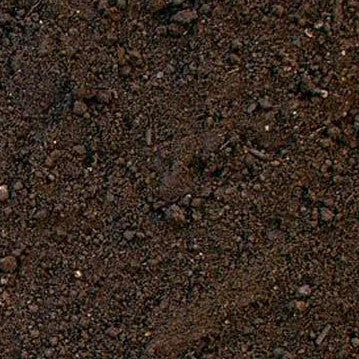
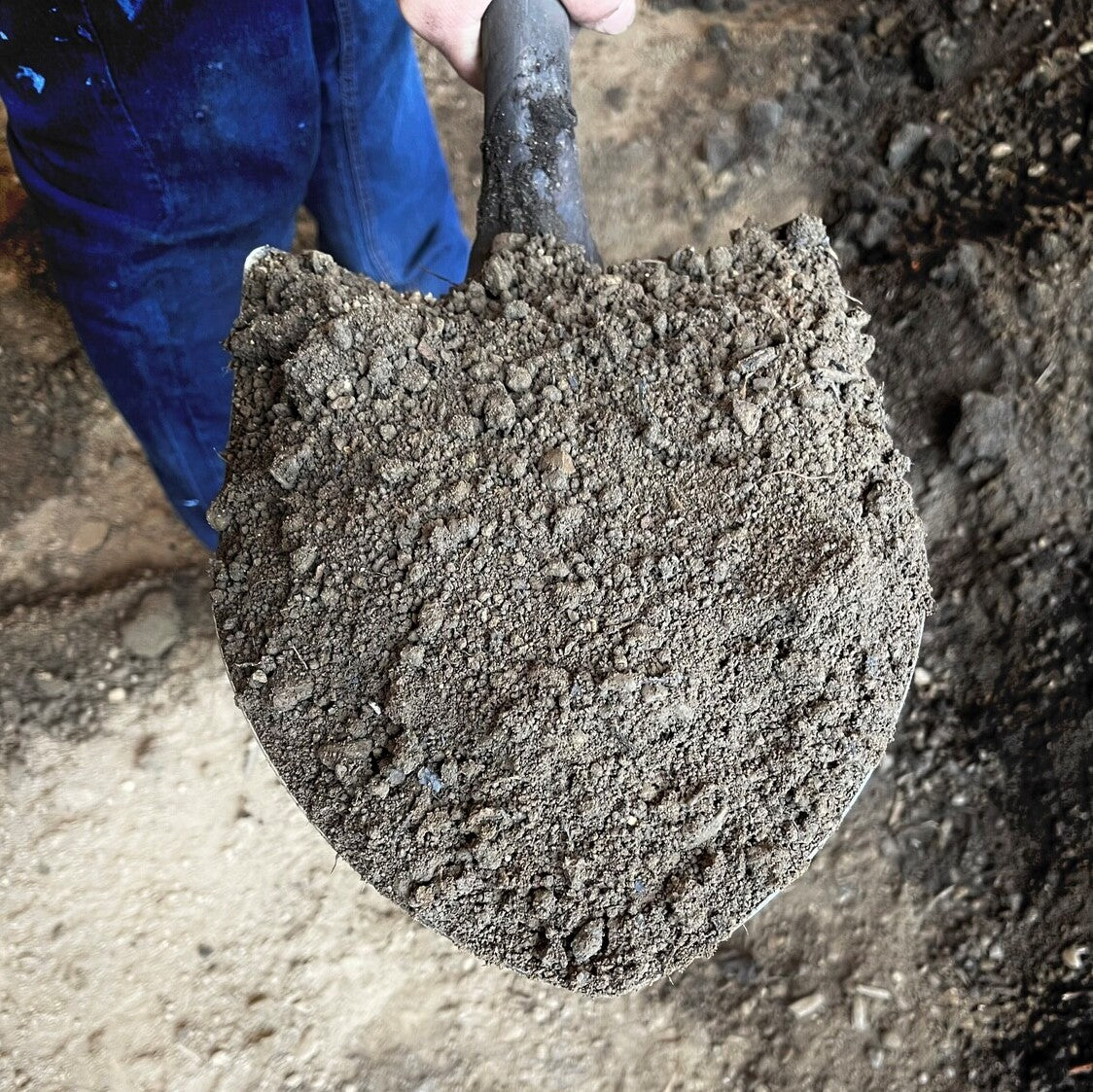
Quality topsoil for lawns, gardens, and landscape projects. Nutrient rich and ready to support strong root development and healthy plant establishment.
Very happy with the ease of ordering. Delivery went exactly as planned. Garden soil looks great and couldn’t be happier.
Tell us what you're looking for
Thanks! We received your request.
Something went wrong. Please try again.
How Much Material Do I Need?
How Much Material Do I Need?
In Bradenton's sandy landscape, garden beds benefit from at least 4 inches of imported topsoil to create a productive planting zone above the native soil profile. For larger grading or fill projects, calculate cubic yardage by multiplying the square footage of the area by the desired depth in feet and dividing by 27.
Use our free soil calculator
What is a yard?
What is a yard?
FAQs
FAQs
Bradenton Soil Delivery
Bradenton Soil Delivery
Regular price
$64.00
per
yard
Regular price
Sale price
$64.00
Unit price
per
Shipping calculated at checkout.
Minimum of 3 yard
Couldn't load pickup availability
Not currently available
We can't take orders for this right now. Tell us what you need and we'll get back to you.
Hand-picked local yards
4,000+ regional deliveries
Dedicated support
Why order through Mulch Mound
The best local soil, without the guesswork.
We hand-pick and partner with the best yards in your region, keep only the ones our buyers rate well, and back each load with our guarantee.
Mulch Mound Guarantee
If your soil isn't the quantity or quality you ordered, we'll make it right.
About this soil
Quality topsoil for lawns, gardens, and landscape projects. Nutrient rich and ready to support strong root development and healthy plant establishment.
Very happy with the ease of ordering. Delivery went exactly as planned. Garden soil looks great and couldn’t be happier.
How Much Material Do I Need?
How Much Material Do I Need?
In Bradenton's sandy landscape, garden beds benefit from at least 4 inches of imported topsoil to create a productive planting zone above the native soil profile. For larger grading or fill projects, calculate cubic yardage by multiplying the square footage of the area by the desired depth in feet and dividing by 27.
Use our free soil calculator
What is a yard?
What is a yard?
FAQs
FAQs
Tell us what you're looking for
Thanks! We received your request.
Something went wrong. Please try again.
How It Works
Getting started is easy — just follow these simple steps
1
Choose your soil
Make sure you adjust the quantity to your home's needs. You can use our calculator to estimate how much you'll need.
2
Select your delivery date
Select a delivery date you'd like for the product to be dropped off at your home
3
Sit back and wait
Sit back, wait, and let us work our magic to make sure the highest quality product is delivered to your driveway.

Really appreciate the care and follow thru that this company had with our order. A hiccup came up but they were quick to respond and address all co...
Read full review
Really appreciate the care and follow thru that this company had with our order. A hiccup came up but they were quick to respond and address all concerns, which made our garden day a success! Thank you for your prompt care.

Highest compliments. Great driver.
Website is easy to navigate. Just a seamless process. 5 stars!!
Need Help Calculating How Much Soil You Need?
Use our NEW Trace from Satellite tool to get an estimate for your project based on an aerial view of your property
Try Our CalculatorFor garden beds in Bradenton, measure the square footage of the area and plan for a 4 to 6-inch depth of topsoil to give roots a good growing medium above the native sand profile. For lawn leveling projects, measure the low-spot areas and estimate half an inch to an inch of depth per application pass. Because sandy soil can shift and settle under Bradenton's heavy rains, adding 10 percent extra to your estimate helps ensure you have enough material to finish the job without coming up short.
Soil Types We Deliver in Bradenton
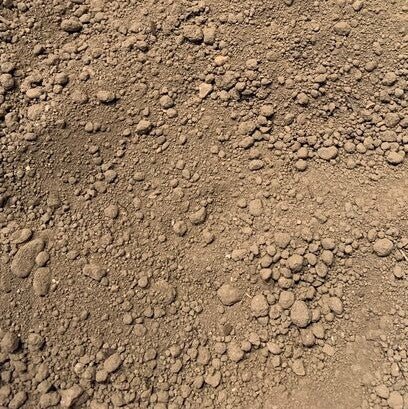
Bradenton's sandy native soils are often low in organic matter and nutrients, making quality imported soil essential for successful lawns, gardens, and landscaping. We deliver bulk topsoil by the yard in Bradenton so you get exactly the volume you need, whether you are filling raised beds, grading a yard, or establishing new plantings. Every order arrives loose and ready to spread, saving you the hassle of hauling bags from a store.
Screened Top Soil
Our screened topsoil is sifted to remove rocks, clumps, and debris, leaving a clean and workable material that spreads evenly across Bradenton yards and garden beds. It is nutrient rich and supports strong root development, making it a reliable choice for homeowners filling low spots, building up planting areas, or starting new sod installations in Florida's warm growing climate.
Complete Your Outdoor Soil Project
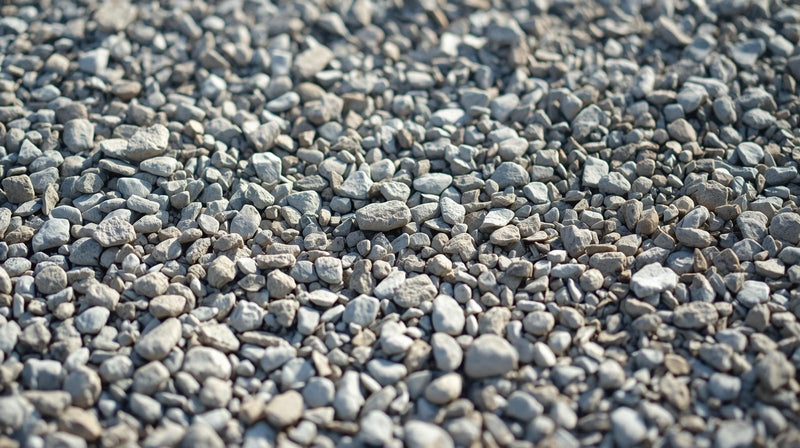
After grading or filling with bulk soil, topping your beds with mulch is a critical next step in Bradenton's climate to protect the soil surface and slow moisture loss through the sandy base below. Decorative stone works well for border edging and pathway areas adjacent to your planting zones, providing a firm, low-maintenance surface that complements and defines the soil-filled growing areas.

Mulch Mound Pro Tip
When using bulk soil to raise garden beds in Bradenton, account for the fact that the sandy native soil below will pull moisture downward quickly through capillary action. Adding a transitional layer of compost between your native soil and the new topsoil slows that downward drainage and helps the two layers interact more naturally over time. This small step makes a noticeable difference in how long moisture stays available to plant roots in the warm months.
Mulch Mound Pro Tip
Bradenton's rainy season runs roughly from June through September, and freshly placed soil is most vulnerable to erosion and surface runoff during that period on any sloped or newly graded areas. If you are doing a grading project, plan to get groundcover, sod, or mulch down as quickly as possible after the soil is placed. Bare soil in a Bradenton summer can erode significantly during heavy afternoon storms before grass even has a chance to establish its first roots.
Mulch Mound Pro Tip
With Bradenton's last frost date of February 15, the window from late February through early April is the ideal time to establish new garden beds with fresh topsoil. Soil placed and planted in this window benefits from rapidly warming temperatures and the approaching rainy season, which reduces the need for heavy supplemental irrigation during the critical early establishment phase. Roots set during this period have the entire long warm season ahead of them to develop a strong foundation.
The Unique Landscape of Bradenton
Bradenton sits on a foundation of sandy, low-nutrient soil that presents real challenges for anyone trying to establish garden beds, level a lawn, or build raised planting areas from scratch. The native sandy soil drains so rapidly that nutrients and water pass through the root zone before plants can fully use them, even in a year with 54 inches of rainfall. At an elevation of just 16 feet with relatively flat topography, proper grading and soil quality are essential to prevent low spots from pooling and to move water away from structures after summer storms. Importing quality bulk soil or topsoil is often the most practical solution for Bradenton homeowners who want productive garden beds without years of slow amendment work. Zone 10a growing conditions mean your soil needs to support plants through every month of the year, making its quality and structure more important here than in regions that get a hard winter dormancy period to reset.