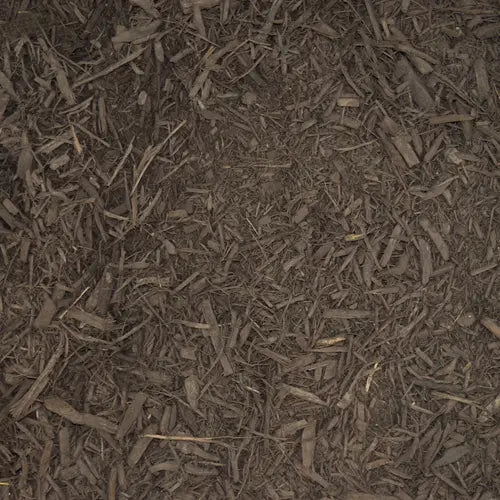
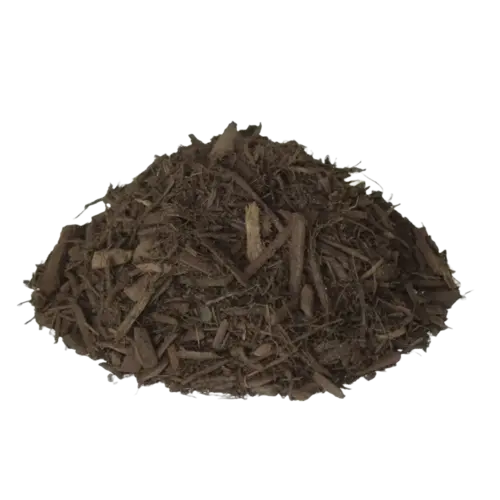
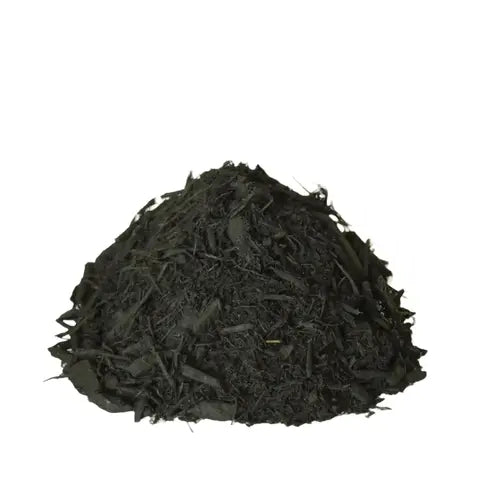
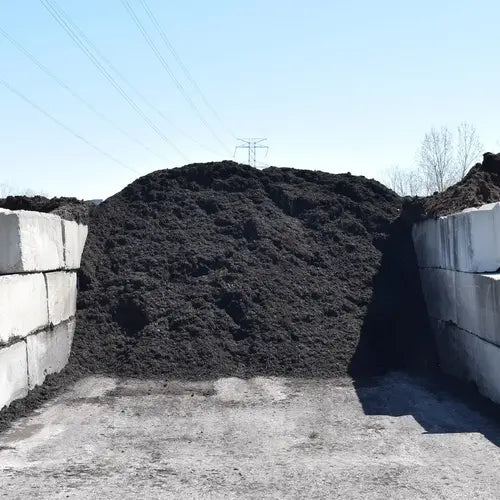
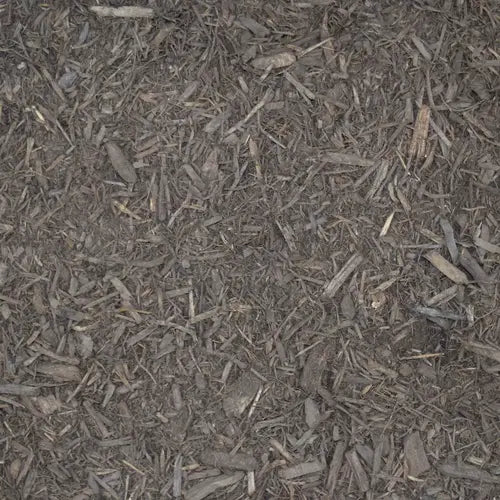
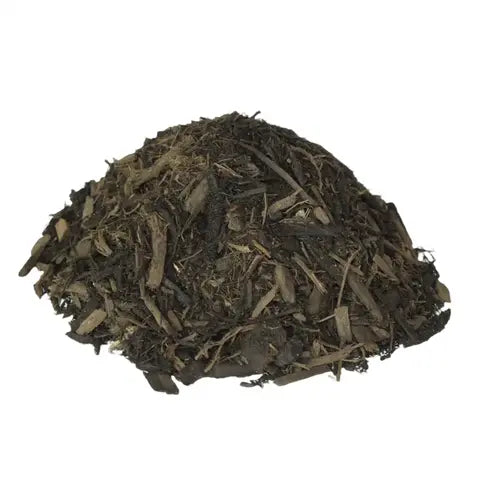
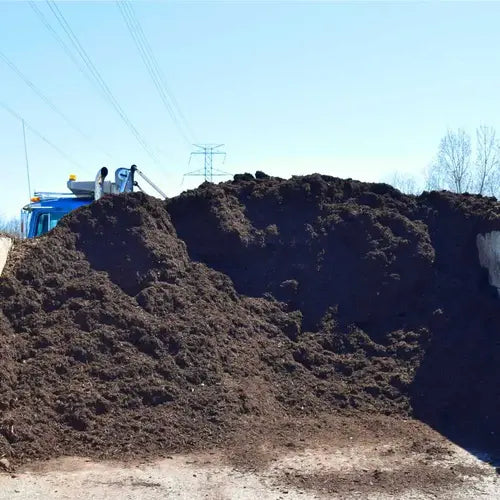
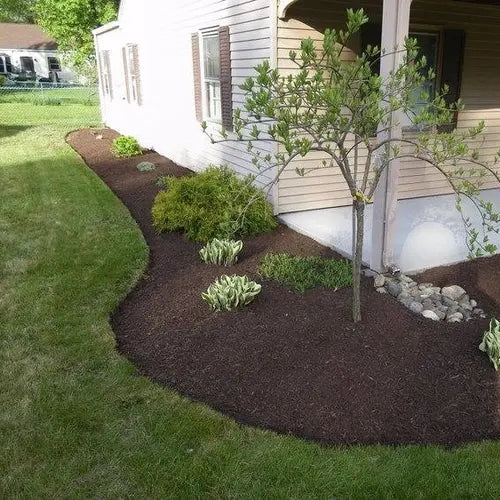
Warm brown double shredded mulch with lasting color that looks freshly applied for weeks. Spreads smooth, stays put, and gives beds a natural, polished appearance.
I couldn't be happier with the speed and quality of the mulch delivery service of Mulch Mound. Every detail from ordering, to communication with on time delivery, to perfect product placement was amazing. I needed more and I got it within 2 hours! I'm never doing this with ba...
Tell us what you're looking for
Thanks! We received your request.
Something went wrong. Please try again.
How Much Material Do I Need?
Bryan's clay loam soil benefits most from a consistent 3-inch mulch depth across all garden beds, which is enough to suppress weeds and retain moisture through the city's uneven rainfall pattern without creating waterlogging problems on top of slow-draining native soil. For areas immediately around tree trunks, keep the layer at 2 inches and pulled back from the bark to prevent the fungal issues that Bryan's warm, humid summers can cause when moisture is trapped against wood.
Use our free mulch calculator
What is a yard?
A yard is approximately 27 cubic feet. As a general guideline, one yard of material can cover an area of about 100-160 square feet at a 2-3 inch depth.
We can't take orders for this right now. Tell us what you need and we'll get back to you.
What do you need?
Thanks! We received your request.
Something went wrong. Please try again.
Hand-picked local yards
4,000+ regional deliveries
Dedicated support
Why order through Mulch Mound
The best local mulch, without the guesswork.
We hand-pick and partner with the best yards in your region, keep only the ones our buyers rate well, and back each load with our guarantee.
Mulch Mound Guarantee
If your mulch isn't the quantity or quality you ordered, we'll make it right.
About this mulch
Warm brown double shredded mulch with lasting color that looks freshly applied for weeks. Spreads smooth, stays put, and gives beds a natural, polished appearance.
I couldn't be happier with the speed and quality of the mulch delivery service of Mulch Mound. Every detail from ordering, to communication with on time delivery, to perfect product placement was amazing. I needed more and I got it within 2 hours! I'm never doing this with ba...
How Much Material Do I Need?
Bryan's clay loam soil benefits most from a consistent 3-inch mulch depth across all garden beds, which is enough to suppress weeds and retain moisture through the city's uneven rainfall pattern without creating waterlogging problems on top of slow-draining native soil. For areas immediately around tree trunks, keep the layer at 2 inches and pulled back from the bark to prevent the fungal issues that Bryan's warm, humid summers can cause when moisture is trapped against wood.
Use our free mulch calculator
What is a yard?
A yard is approximately 27 cubic feet. As a general guideline, one yard of material can cover an area of about 100-160 square feet at a 2-3 inch depth.
I couldn't be happier with the speed and quality of the mulch delivery service of Mulch Mound. Every detail from ordering, to communication with on...
Read full review
I couldn't be happier with the speed and quality of the mulch delivery service of Mulch Mound. Every detail from ordering, to communication with on time delivery, to perfect product placement was amazing. I needed more and I got it within 2 hours! I'm never doing this with bags again.
We had a great experience today. This was our first time using Mulch Mound, and I found the price competitive and the online ordering very easy. ...
Read full review
We had a great experience today. This was our first time using Mulch Mound, and I found the price competitive and the online ordering very easy. We are impressed with the quality of the mulch, too! It is covering well - a great value!
To estimate mulch needs for your Bryan yard, measure the length and width of each bed in feet and multiply to get square footage, then add all bed areas together for a total. Bryan homeowners working with clay loam soil should plan for a full 3-inch application depth to account for the compaction and rain impact that exposed clay loam beds typically experience. Dividing your total square footage by 100 gives a rough cubic yard estimate for a 3-inch layer, and rounding up slightly is always wise given how quickly Bryan's summer heat accelerates the breakdown process.
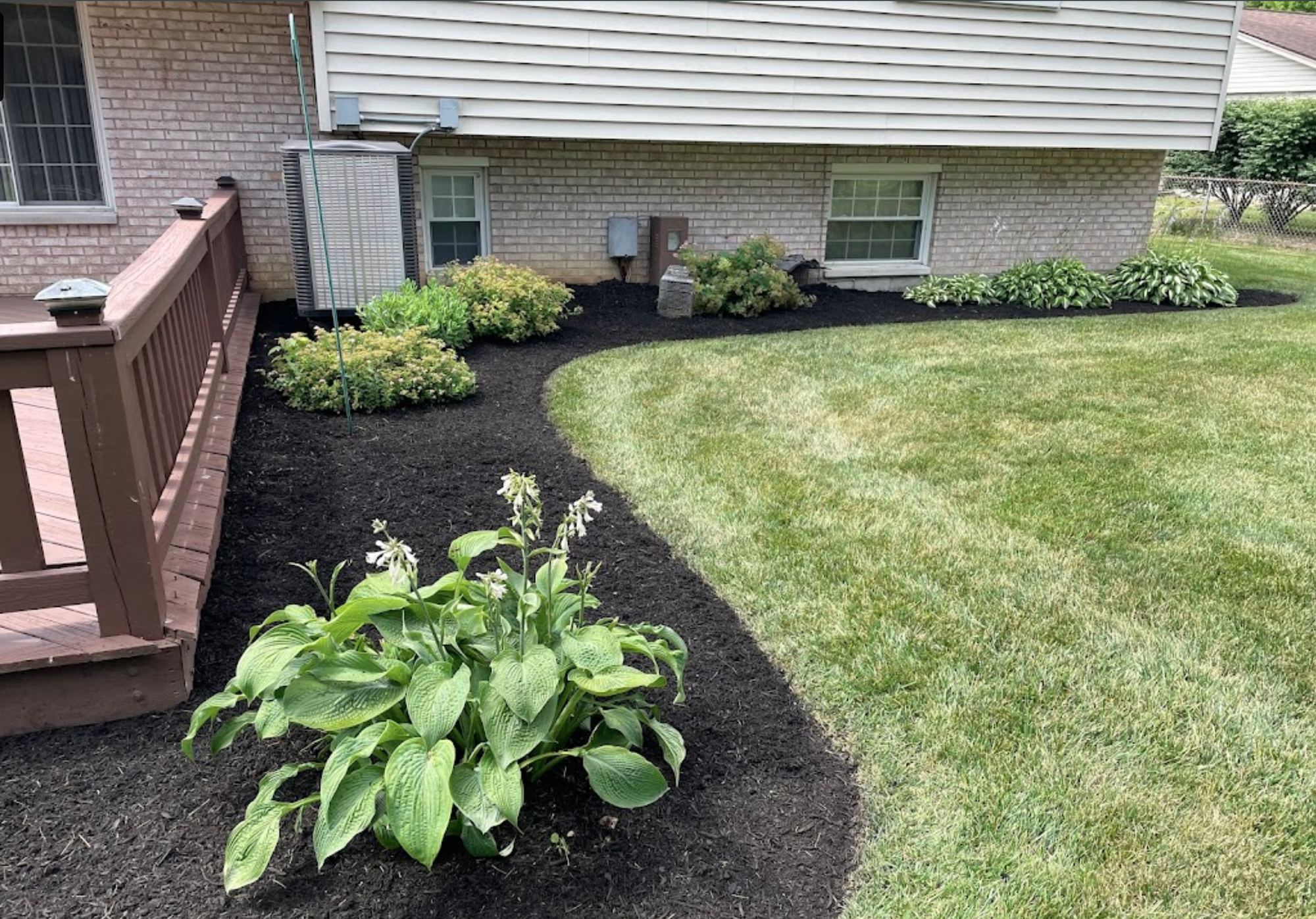
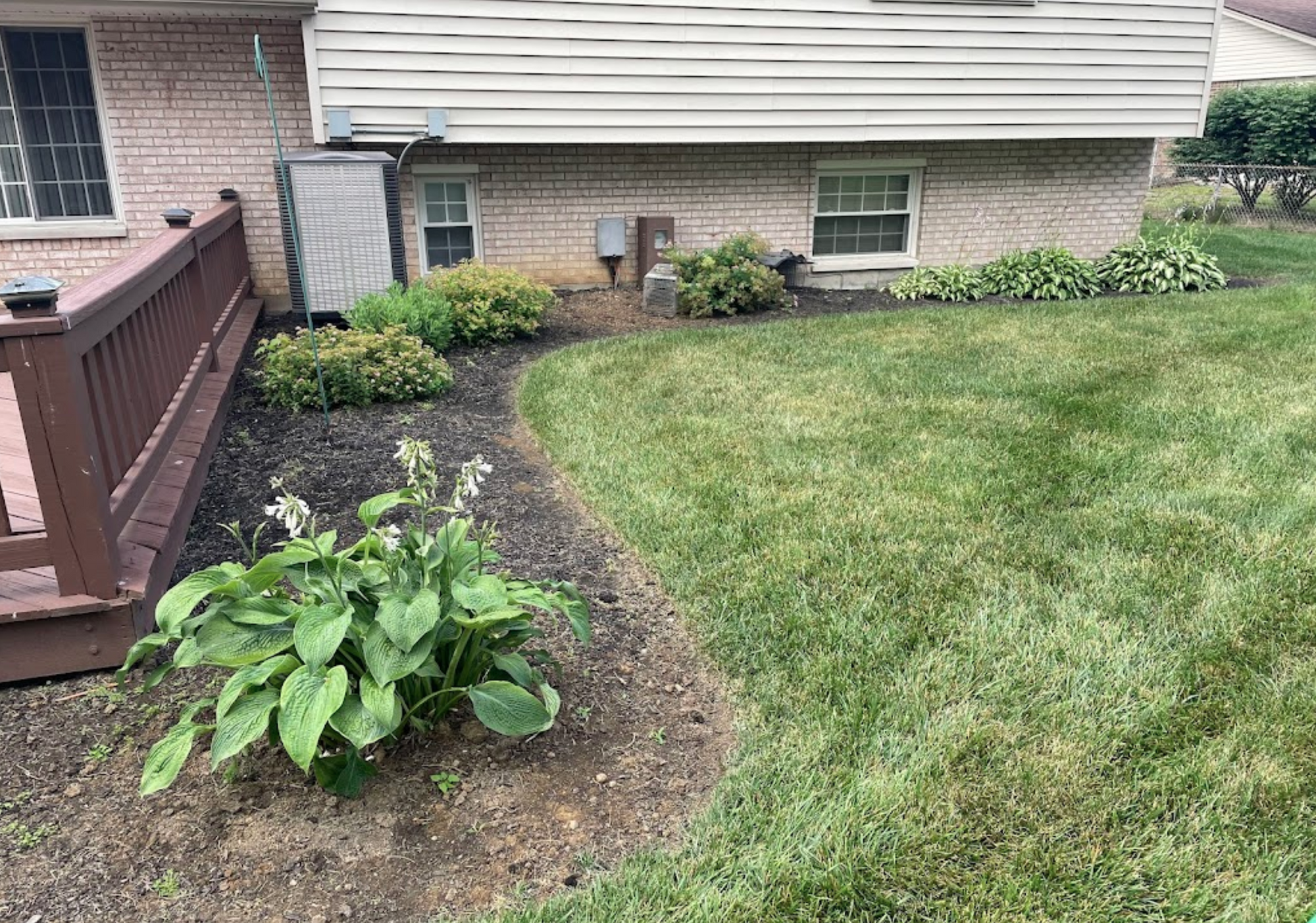
Mulch vs. No Mulch: The Difference
Bryan's combination of intense summer heat and persistent humidity means organic mulches break down faster here than they would in cooler climates, and that difference is worth factoring in when choosing between natural hardwood and dyed options. Natural hardwood mulch in Bryan decomposes into beneficial organic matter that gradually works its way into your clay loam and improves its drainage and structure over multiple seasons of consistent use. Dyed wood mulch uses the same base material with added color pigment that holds its appearance longer through Bryan's sun-heavy summers, making it a popular choice for high-visibility front yard beds where curb appeal is just as important as soil health.
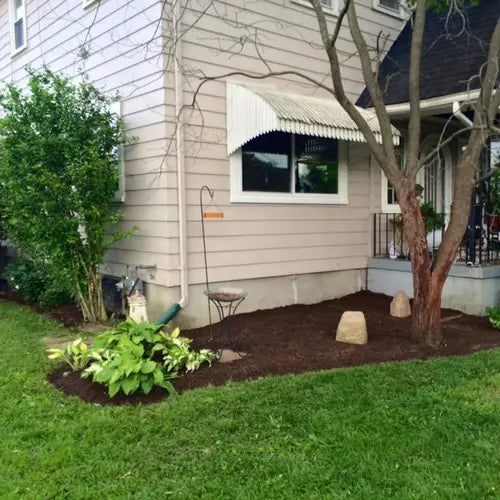
Before
After
Best Mulch Choice for Bryan Lawns
Most yards in the Bryan area sit on Clay Loam type of soil. Bryan's clay loam soil compacts easily under the repeated impact of heavy spring rains, leaving plant bed soil dense and difficult for new roots to penetrate after each storm cycle. A mulch layer absorbs the energy of falling rain before it ever reaches the soil surface, protecting the structure of the bed and giving roots a more consistent environment to grow through.
Hardwood Mulch
Hardwood mulch is particularly well matched to Bryan's clay loam because as it decomposes it releases humus that binds with clay particles and gradually opens up soil pore space. Over several seasons of annual top-offs, hardwood mulch decomposition is one of the most accessible ways Bryan homeowners can improve clay loam drainage and root penetration without major excavation or large-scale soil replacement.
Mulch Types We Deliver in Bryan
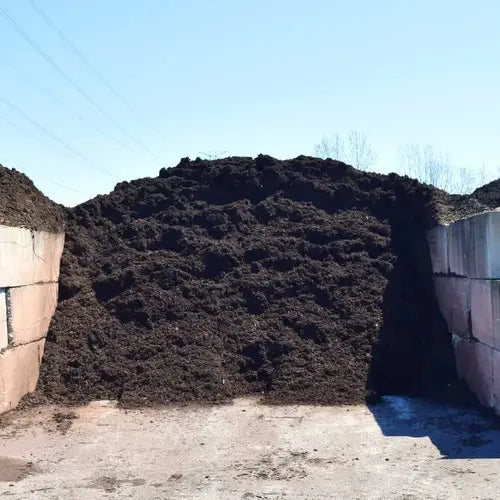
Mulch Mound delivers bulk mulch by the cubic yard straight to homes and properties across Bryan, Texas. Whether you are refreshing flower beds or covering a large landscape project, our bulk mulch delivery in Bryan makes it easy to get exactly the amount you need. We load, haul, and drop off so you can focus on the work.
Dyed Black Mulch
Dyed black double shredded mulch creates bold contrast against the lighter soils and warm brick exteriors common in the Bryan area. The rich color holds strong through summer heat and seasonal rains, making it a favorite for homeowners who want landscape beds that look sharp and freshly maintained.
Dyed Brown Mulch
Warm brown double shredded mulch blends naturally with Central Texas landscapes and suits the earthy tones found on many Bryan properties. The lasting color looks freshly applied for weeks even through hot summers, and the smooth texture spreads evenly across planting areas, raised beds, and tree rings.
Natural Brown Mulch
Undyed and straightforward, natural brown double shredded mulch works with the native character of Bryan landscapes rather than against it. The warm earthy tone comes straight from the wood itself, making it a solid choice for homeowners who want a natural option that spreads clean and looks polished.
Complete Your Outdoor Mulch Project
Pairing mulch with a quality garden soil blend helps Bryan homeowners correct poor clay loam structure at the root level rather than just protecting the surface, which makes a meaningful difference through the long zone 9a growing season. Adding crushed stone or gravel edging around your mulched beds keeps material from washing out during Bryan's heavy spring storms and gives the overall landscape a clean, defined look that holds up through wet and dry seasons alike.
Bryan's clay loam is prone to forming a hard surface crust after heavy rain, and that crust can prevent water from penetrating even through a mulch layer sitting on top of it. Before spreading fresh mulch on established beds, take a few minutes to rake the soil surface lightly and break up any compaction. This gives the mulch better soil contact and allows decomposing organic matter to work its way down into your clay loam more effectively with each passing season, gradually improving drainage and root penetration over time.
Mulch Mound Pro Tip
If you have live oaks, cedar elms, or other established trees in your Bryan yard, keep mulch pulled back several inches from the base of the trunk rather than mounding it up against the bark. Bryan's warm, humid summers from May through September create near-ideal conditions for fungal growth, and mulch piled against a trunk traps moisture that can lead to rot, fungal cankers, and insect damage over time. A flat, even ring of mulch that starts a few inches from the trunk and extends outward toward the drip line is the healthiest configuration for trees growing in this climate.
Mulch Mound Pro Tip
Bryan receives around 40 inches of rain per year, but that moisture almost never arrives on a predictable schedule. Dry stretches can last for weeks during summer while spring can bring several inches in a single storm event. A properly maintained 3-inch mulch layer acts as a natural buffer for both of those extremes, slowing heavy rainfall from compacting and washing away your soil surface while holding enough residual moisture to keep plant roots hydrated during the dry gaps between storms. Refreshing your mulch each year ensures that buffer stays thick enough to handle whatever pattern of rain and drought Bryan delivers in a given season.
Frequently Asked Questions
Click a question to see the answer
Answer
How thick should I spread mulch in Bryan given how heavy and frequent the spring rains can be?
In Bryan, where spring rain events can arrive in clusters and drop several inches over a short period, a 3-inch mulch layer is the sweet spot for most garden beds. Going thinner than 2 inches means rain will compact it quickly and weeds will push through within weeks. Going thicker than 4 inches risks trapping excess moisture against plant crowns, which is a real problem on top of clay loam that already releases water slowly. Three inches gives you solid weed suppression and moisture retention without adding to the waterlogging issues that Bryan's native soil already creates after a good storm.
Answer
Will mulching my beds actually improve my clay loam soil over time or is it just a surface fix?
Mulch does work deeper than the surface, but it takes time. As hardwood mulch breaks down in Bryan's warm, humid climate, it adds organic matter to the top layer of your clay loam, which gradually improves the soil's ability to drain after rain and hold air around roots. The process is slow, measured in seasons rather than weeks, but consistently topping off your mulch each year is one of the most accessible long-term strategies Bryan gardeners can use to loosen their heavy native soil without large-scale regrading or soil replacement projects.
Answer
What time of year should I be putting down fresh mulch in Bryan?
The two most valuable windows in Bryan are late February before the last frost clears around March 1, and again in mid-October as temperatures begin cooling toward the first frost in late November. Mulching in late winter helps insulate the soil and preserve moisture heading into the hot growing season. A fall application helps moderate soil temperature going into winter and protects perennial root systems through any cold snaps Bryan gets between November and early March. Both applications also suppress the cool-season weeds that take advantage of bare soil during Bryan's mild winters.
Answer
How long does mulch actually last in Bryan before it needs replacing?
In Bryan's zone 9a climate, organic mulches like hardwood break down faster than they would in cooler regions because the heat and humidity accelerate decomposition through most of the year. Expect to add a fresh inch or two annually to maintain the 3-inch target depth. Dyed wood mulches hold their color for roughly one full growing season but break down at a similar rate underneath the pigmented surface. A yearly top-off done in late winter or early fall keeps your beds looking fresh and functioning well without requiring a complete strip-and-restart each season.
Answer
Will dyed mulch hold its color through Bryan's harsh summer or will it fade out quickly?
Quality dyed mulches typically hold their color reasonably well through one full season in Bryan. The intense sun and sustained heat from May through September will cause gradual fading, particularly in beds that face south or west and catch direct afternoon sun. A quality dyed product should remain presentable through the first frost in late November in most yard exposures. If color is a top priority, plan to refresh south-facing and west-facing high-sun beds at least once a year, as those are the areas where Bryan's afternoon heat will do the most visible damage to the pigment.
Answer
I have heard mulch attracts termites. Is that actually a concern in Bryan?
Termite pressure is a genuine and serious concern in Bryan and across Brazos County, so this is worth taking seriously. The important rule is to never pile mulch directly against your home's foundation or wood siding. Maintain at least a 6-inch gap between your mulch layer and any wood structure, and keep the depth at the recommended 3 inches rather than piling it thicker around the foundation. Thick, moist mulch piled against wood creates exactly the conditions termites favor. Using crushed stone or gravel as a foundation border creates a non-organic buffer between your mulch beds and your home's exterior.
Answer
Do I need to pull out the old mulch before putting down a new layer each year?
In most Bryan yards, a full removal is not necessary unless the old layer is matted, moldy, or has built up to more than 5 inches total depth. If the existing mulch is still loose and sits at less than 2 inches thick, rake it to break up any surface crust and top it off to bring the depth back to 3 inches. Removing old mulch entirely wastes the partially decomposed organic matter that has already begun working its way into your clay loam, which is a genuine benefit to Bryan's heavy native soil over time. Reserve full removal for beds where disease or persistent pest activity has been a documented problem.
The Unique Landscape of Bryan
Bryan's clay loam soil creates a punishing cycle for plant beds, draining slowly after the city's heavy spring downpours and then cracking and hardening during the prolonged dry stretches of summer. With roughly 40 inches of rain per year arriving in uneven bursts, exposed soil gets alternately pounded by storms and baked by triple-digit heat indexes, breaking down its structure season after season. A properly applied mulch layer buffers both extremes by slowing runoff, locking in soil moisture between storms, and keeping root zones cooler through the long Bryan summers that push well into September. Bryan's growing zone 9a means plants are active and weeds are germinating for most of the year, from the last frost around March 1 all the way through late November, making weed suppression a near-constant challenge for homeowners. Mulch is the most cost-effective tool available for keeping that weed pressure manageable without heavy herbicide use on Bryan's clay-heavy beds. Managing moisture, temperature, and weed pressure all at once is what makes a good mulch layer essential to any Bryan landscape.