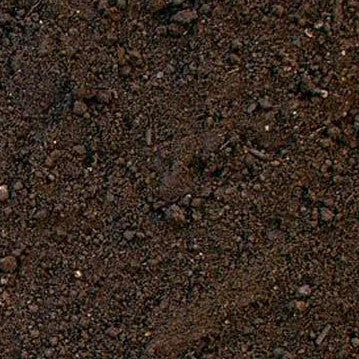
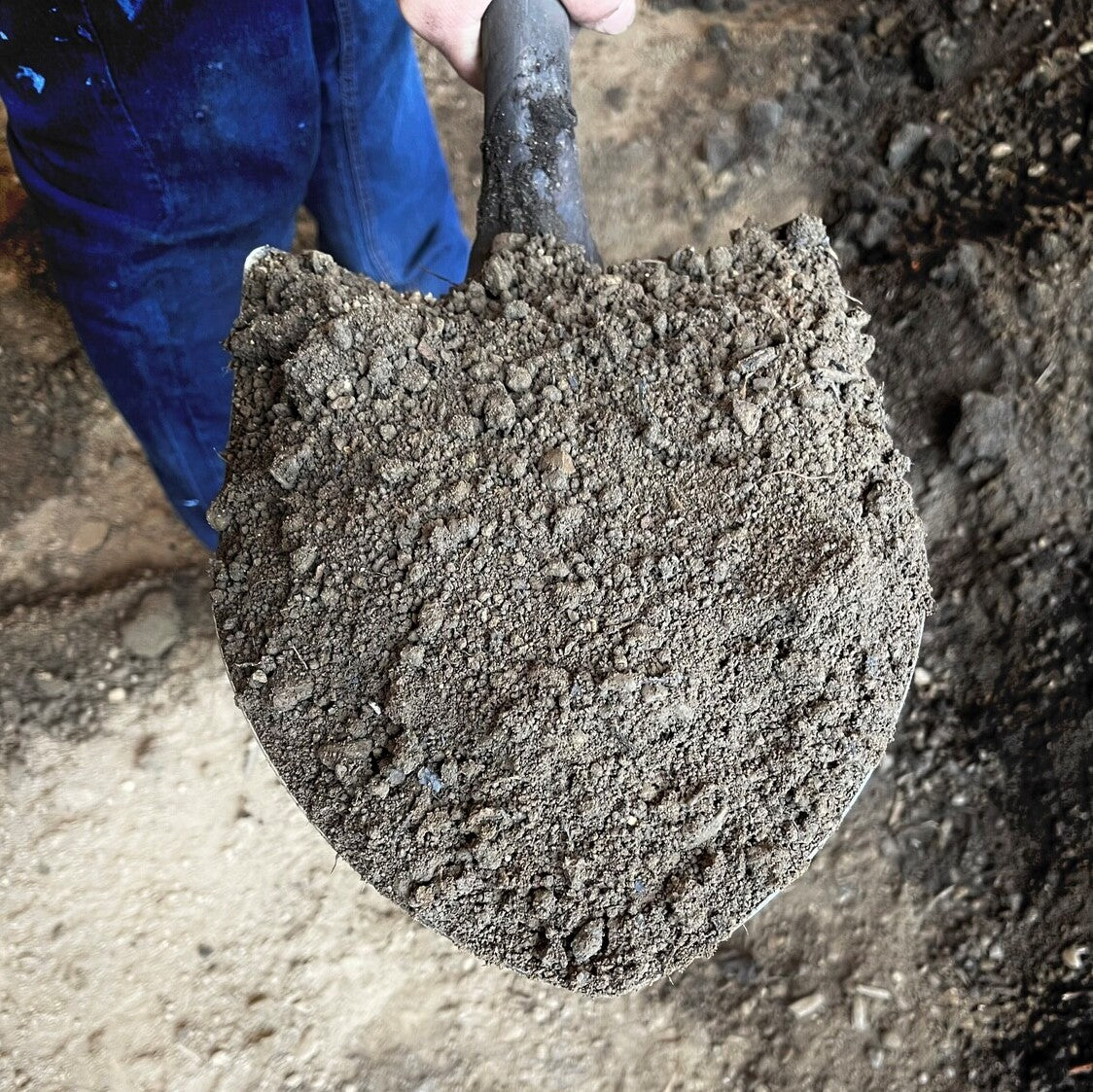
Quality topsoil for lawns, gardens, and landscape projects. Nutrient rich and ready to support strong root development and healthy plant establishment.
We got 3 yards of the gardening top soil. It was great quality, not many chunks and seems good for growing, just waiting for all my plants to love it.
We had more than enough soil to fill a raised bed we made and landscaped around a patio. I do wish we could do less tha...
Tell us what you're looking for
Thanks! We received your request.
Something went wrong. Please try again.
How Much Material Do I Need?
For raised beds and in-ground garden projects in Bryan, plan for at least 8 to 12 inches of quality soil depth to give plant roots room to grow without hitting the compacted native clay loam below. For lawn leveling and top-dressing applications, a quarter to half inch of material spread evenly across the surface is typically sufficient to improve grade and add organic matter without burying existing warm-season grass.
Use our free soil calculator
What is a yard?
A yard is approximately 27 cubic feet. As a general guideline, one yard of material can cover an area of about 100-160 square feet at a 2-3 inch depth.
We can't take orders for this right now. Tell us what you need and we'll get back to you.
What do you need?
Thanks! We received your request.
Something went wrong. Please try again.
Hand-picked local yards
4,000+ regional deliveries
Dedicated support
Why order through Mulch Mound
The best local soil, without the guesswork.
We hand-pick and partner with the best yards in your region, keep only the ones our buyers rate well, and back each load with our guarantee.
Mulch Mound Guarantee
If your soil isn't the quantity or quality you ordered, we'll make it right.
About this soil
Quality topsoil for lawns, gardens, and landscape projects. Nutrient rich and ready to support strong root development and healthy plant establishment.
We got 3 yards of the gardening top soil. It was great quality, not many chunks and seems good for growing, just waiting for all my plants to love it.
We had more than enough soil to fill a raised bed we made and landscaped around a patio. I do wish we could do less tha...
How Much Material Do I Need?
For raised beds and in-ground garden projects in Bryan, plan for at least 8 to 12 inches of quality soil depth to give plant roots room to grow without hitting the compacted native clay loam below. For lawn leveling and top-dressing applications, a quarter to half inch of material spread evenly across the surface is typically sufficient to improve grade and add organic matter without burying existing warm-season grass.
Use our free soil calculator
What is a yard?
A yard is approximately 27 cubic feet. As a general guideline, one yard of material can cover an area of about 100-160 square feet at a 2-3 inch depth.
We got 3 yards of the gardening top soil. It was great quality, not many chunks and seems good for growing, just waiting for all my plants to love ...
Read full review
We got 3 yards of the gardening top soil. It was great quality, not many chunks and seems good for growing, just waiting for all my plants to love it.
We had more than enough soil to fill a raised bed we made and landscaped around a patio. I do wish we could do less than 3 yds delivered but I understand the limitations.
My only concern was we requested it on the top left of our driveway since we had mulch on the other side, they ended up pouring it on top of the mulch (it was covered with a tarp so not ruined) making it difficult to complete our landscaping in a timely fashion.
Measure the length and width of your project area in feet and determine how deep you need the soil to be. For raised garden beds in Bryan, calculate the full interior depth of the frame so roots will have adequate loose soil without hitting the dense clay loam below. For fill and grading work, remember that Bryan's clay loam can shift significantly through wet and dry cycles, so plan to compact fill soil in 4 to 6 inch layers as you build up to your finished grade rather than placing the full depth all at once.
Soil Types We Deliver in Bryan
Bryan homeowners and landscapers count on us for bulk topsoil by the yard in Bryan, delivered straight to your driveway or job site. Whether you are filling raised beds, leveling a yard, or establishing new turf, having the right soil makes all the difference in this part of Texas. We sell by the cubic yard so you get exactly what your project needs, no more and no less.
Screened Top Soil
A clean, nutrient-rich topsoil that has been screened to remove rocks, clumps, and debris, leaving a smooth, workable material. It suits lawns, vegetable gardens, flower beds, and general grading work well. In Bryan's warm climate, this soil gives roots a healthy start and blends easily with the native ground to support strong plant establishment.
Complete Your Outdoor Soil Project
Pairing fresh topsoil with a hardwood mulch layer on top helps Bryan beds hold the moisture and structure that clay loam alone cannot provide, especially through the long dry spells that fall between spring rain events. If you are building borders around new soil areas or correcting drainage grades, adding a crushed stone or gravel edge helps contain the material, improve perimeter drainage, and protect your investment through Bryan's alternating wet and dry seasons.
What kind of soil should I use to build raised vegetable beds in Bryan?
For raised vegetable beds in Bryan, you want a garden blend that is loose, rich in organic matter, and drains freely, which is essentially the opposite of the clay loam sitting beneath most Bryan yards. A quality garden soil or topsoil blend mixed with compost gives your vegetable roots an environment where water moves through properly instead of pooling around them for days. Raised beds also let you get a head start on the spring growing season because they warm up faster than in-ground beds after the last frost clears around March 1, giving crops like tomatoes, peppers, and squash a couple of extra weeks of viable growing time in zone 9a.
Answer
Can bulk topsoil help me fix the low spots in my Bryan yard that hold standing water after every rain?
Yes, and in Bryan this is one of the most common and effective uses for bulk fill soil. Because the city's clay loam drains slowly, low areas can hold standing water for two or three days after a moderate rain event, creating muddy patches that make mowing difficult and can slowly kill turfgrass. Bringing in fill soil to raise those areas and re-slope them toward the yard's natural drainage path keeps water moving after storms instead of pooling. The key is to compact the fill in layers as you build up the grade so that it holds its shape through Bryan's future wet and dry cycles rather than settling unevenly.
Answer
How much soil do I need to top-dress my Bryan lawn and when should I do it?
For a standard lawn top-dressing in Bryan, a quarter-inch to half-inch layer applied evenly across the surface is enough to help level minor irregularities and introduce organic matter without smothering existing grass. On a 1,000 square foot lawn area, that translates to roughly 1 to 1.5 cubic yards. Timing matters a great deal in Bryan. The best window is just after the last frost passes in early March, when warm-season grasses like St. Augustine and Bermuda are breaking dormancy and ready to fill in any thin areas. Top-dressing during active growth gives the grass the best chance to knit through the new material quickly.
Answer
Will adding quality garden soil actually help my vegetable garden perform better given Bryan's clay issues?
Adding quality garden soil is one of the most direct solutions to Bryan's clay loam limitations for vegetable gardening. Clay loam restricts root growth, alternates between holding too much water and drying out too fast, and warms up slowly in spring, all of which work against most vegetable crops. Building raised beds or heavily amended in-ground beds with imported garden soil gives you full control over the growing environment. With Bryan's zone 9a growing season, a well-built bed with good soil can support two productive seasons, one in spring starting after March 1 and a second in fall leading up to the first frost around November 27.
Answer
What is the difference between fill soil and topsoil and which one do I actually need for my project?
Fill soil and topsoil serve different purposes and the distinction matters for Bryan projects. Fill soil is used for grade correction, building up low areas, and structural applications where you need volume and stability rather than fertility. It typically contains no significant organic matter. Topsoil is the upper growing layer that supports plant life and contains the organic matter, nutrients, and microbial activity that plants depend on. For grading and drainage work in Bryan, start with fill soil to build up the shape of the land, then cap it with a layer of quality topsoil before laying sod or planting so the root zone has what it needs to establish.
Answer
When is the best time to bring in bulk soil for a new garden or landscape project in Bryan?
Late February through mid-March is the ideal window for most Bryan gardening and lawn projects because soil temperatures are climbing and the last frost date around March 1 marks the opening of the warm-season planting window. Getting fresh soil in place a week or two before you plan to plant gives it time to settle and lets you make any final grade adjustments. Fall is the second best window, with mid-October through early November being productive for preparing beds for cool-season crops and planting perennials that will spend the mild Bryan winter establishing root systems before the first frost arrives around November 27.
Answer
How do I keep imported topsoil from washing away during Bryan's heavy spring rainstorms?
Freshly placed topsoil is highly vulnerable to erosion during Bryan's intense spring storms, particularly on any slope or in beds not yet covered by plants. The most effective protection is to get ground cover in place as quickly as possible after delivery, whether that is a 2 to 3 inch mulch layer, sod, or fast-germinating grass seed. For larger graded areas, erosion fabric staked firmly over the surface holds soil in place until vegetation is established. If you are placing topsoil in raised beds or containers, getting transplants or seeds in the ground within a week of delivery limits the window where bare soil is exposed to Bryan's rain.
Mulch Mound Pro Tip
When placing topsoil on top of Bryan's clay loam, till or loosen the existing clay surface before adding new material rather than placing it directly on the undisturbed ground. Clay loam creates a hard interface layer that can actually prevent water from moving between imported topsoil above and native soil below, trapping roots in an elevated bathtub effect that leads to waterlogging after every rain. Breaking up the top 3 to 4 inches of clay before placing new soil allows the two layers to connect and gives plant roots a pathway to grow deeper as the bed matures.
Mulch Mound Pro Tip
Bryan's long growing season from March through November means raised beds and garden areas work hard for most of the year, depleting organic matter faster than they would in cooler climates. Replenishing your soil each spring with a fresh layer of compost-enriched garden blend is one of the most effective ways to keep Bryan vegetable gardens productive season after season. Zone 9a heat accelerates microbial activity and organic matter breakdown, so what feels like adequate soil in March may be noticeably depleted and compacted by the time the fall planting window arrives in October.
Mulch Mound Pro Tip
If you are bringing in bulk soil to level a chronically wet low area of your Bryan yard, slope the finished grade slightly away from your home at a rate of roughly 1 to 2 percent rather than aiming for a perfectly flat result. Even a gentle consistent slope toward the yard's natural drainage direction keeps water moving after Bryan's heavy spring rains instead of pooling at the lowest point. In areas that stay wet even after regrading, combining a corrected topsoil grade with a layer of coarse gravel beneath provides an extra drainage pathway that clay loam alone will never offer.
The Unique Landscape of Bryan
Bryan's native clay loam is dense enough to hold moisture for days after a rain event, which sounds useful but actually creates serious waterlogging problems for most ornamentals, vegetables, and turfgrass whose roots need oxygen to function. During the dry summer stretches that frequently follow Bryan's spring rains, that same soil shrinks and hardens, forming deep cracks that damage root systems and make hand-digging nearly impossible by July. Imported topsoil or garden blend soil gives Bryan homeowners a way to create properly structured growing environments on top of or mixed into that challenging native layer, rather than fighting its limitations all season. Whether the project is a raised vegetable bed designed to take advantage of Bryan's long zone 9a growing season from March through late November, a lawn leveling job, or fresh grade work after construction disturbance, quality bulk soil makes the difference between a struggling landscape and a thriving one. Bryan's relatively flat terrain in most neighborhoods also means poor drainage tends to pool at low points in yards rather than flowing away naturally, and bringing in fill soil to correct those grades is often the most permanent solution available to homeowners dealing with chronically wet spots.