My experience with Mulch Mound was great and super easy. I ordered two yards of screened topsoil and was able to get it delivered within 2 days. They came in my requested time frame (afternoon) and dropped it off where I asked on my driveway. The topsoil was exactly what was a...
Tell us what you're looking for
Thanks! We received your request.
Something went wrong. Please try again.
How Much Material Do I Need?
Most Buckeye lawn installations need 4 to 6 inches of quality topsoil across the entire area, while raised vegetable beds should be filled to a full 10 to 12 inches for optimal root depth and moisture retention. When backfilling around transplanted trees or shrubs, plan on amended soil filling the entire planting hole rather than just the top few inches.
Use our free soil calculator
What is a Yard?
A yard is approximately 27 cubic feet. As a general guideline, one yard of material can cover an area of about 100-160 square feet at a 2-3 inch depth.
What is a yards?
A yard is approximately 27 cubic feet. As a general guideline, one yard of material can cover an area of about 10 feet by 10 feet at a few inches deep.
My experience with Mulch Mound was great and super easy. I ordered two yards of screened topsoil and was able to get it delivered within 2 days. They came in my requested time frame (afternoon) and dropped it off where I asked on my driveway. The topsoil was exactly what was a...
How Much Material Do I Need?
Most Buckeye lawn installations need 4 to 6 inches of quality topsoil across the entire area, while raised vegetable beds should be filled to a full 10 to 12 inches for optimal root depth and moisture retention. When backfilling around transplanted trees or shrubs, plan on amended soil filling the entire planting hole rather than just the top few inches.
Use our free soil calculator
What is a Yard?
A yard is approximately 27 cubic feet. As a general guideline, one yard of material can cover an area of about 100-160 square feet at a 2-3 inch depth.
What is a yards?
A yard is approximately 27 cubic feet. As a general guideline, one yard of material can cover an area of about 10 feet by 10 feet at a few inches deep.
My experience with Mulch Mound was great and super easy. I ordered two yards of screened topsoil and was able to get it delivered within 2 days. Th...
Read full review
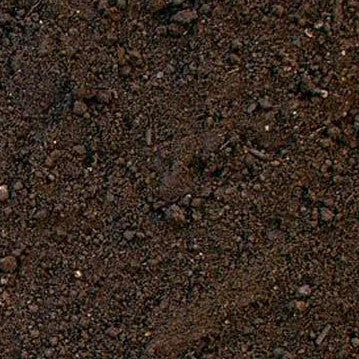
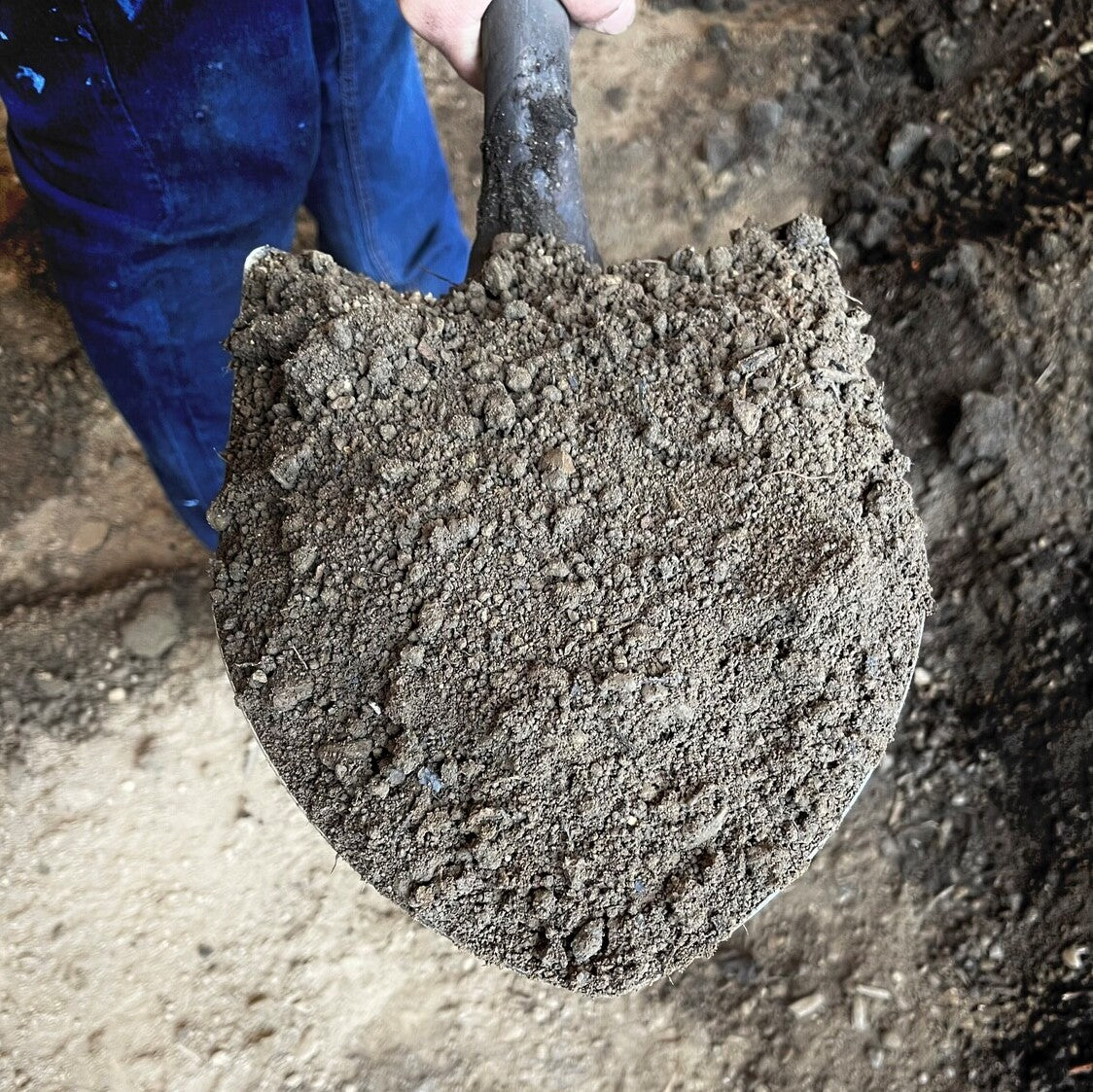
My experience with Mulch Mound was great and super easy. I ordered two yards of screened topsoil and was able to get it delivered within 2 days. They came in my requested time frame (afternoon) and dropped it off where I asked on my driveway. The topsoil was exactly what was advertised, clean with no rocks or other debris. The price was reasonable. I plan to use them again in a couple weeks to order compost for my garden beds.
For planting beds and raised gardens, measure the inside length and width of the area in feet and decide on your desired soil depth, typically 6 to 12 inches for vegetables and 4 to 6 inches for lawns. Multiply length by width by depth in feet and divide by 27 to get cubic yards. Buckeye's uneven terrain can add complexity so walking your space with a measuring tape before ordering prevents both shortfalls and wasteful overages.
Complete Your Outdoor Soil Project
A layer of mulch over your new soil beds is the best way to protect your investment and slow the moisture loss that Buckeye's heat accelerates almost immediately after planting. If you are building a defined garden area, our landscape stone and edging materials pair naturally with soil installs to create clean borders.
Can I just till in some compost to fix my Buckeye soil or do I really need to bring in new material?
Tilling compost into native Buckeye sandy loam is a good supplemental practice but it is not a replacement for quality imported soil in most project scenarios. The issue is volume. Sandy loam needs a significant percentage of organic amendment to change its texture and water-holding behavior, and achieving that with compost alone requires more material than most homeowners realize. For vegetable beds and lawn installs, starting with a proper topsoil or amended blend gives your plants a genuinely different root environment from day one rather than a marginally improved version of what was already there.
Answer
What kind of soil should I use for a raised vegetable garden in Buckeye?
Raised beds in Buckeye need a blend that balances drainage with moisture retention, because our sandy native soil drains too fast and heavy clay mixes compact in the heat. A quality garden soil or amended topsoil with compost built in is the right choice, ideally one with some perlite or coarse content to prevent compaction through repeated watering cycles. Fill your raised beds to within 2 inches of the top and plan to add a top dressing of compost each new growing season to replenish nutrients your plants have used.
Answer
I am installing sod this fall. How deep does my soil base need to be?
For sod installs in Buckeye, you want a minimum of 4 to 6 inches of quality topsoil over your graded native base. Bermuda grass and other warm-season turf varieties common in the West Valley develop aggressive root systems that need loose, fertile soil to establish quickly. If you try to sod directly over compacted native sandy loam with only a thin top dressing, you will see slow establishment, brown patches, and higher water needs during that critical first growing season.
Answer
Does soil quality affect how much I have to water during Buckeye's summers?
Significantly, yes. The primary reason sandy loam in Buckeye requires such frequent irrigation is that it holds almost no water between cycles. A quality amended soil with organic matter woven through it can hold two to three times more moisture per cubic foot than raw sandy loam. In practical terms, that means your plants have access to water for longer periods after each irrigation event, which lets you extend time between watering cycles and reduce total water use over a summer.
Answer
Is there a difference between topsoil and garden soil and does it matter for my Buckeye project?
Yes and the distinction matters for how you use each product. Topsoil is a graded, natural mineral soil used to build grade, fill low areas, and create a base layer for lawns. Garden soil or amended soil has compost, organic material, and sometimes fertilizer blended in to create a nutrient-rich growing medium for plants and vegetables. In Buckeye, most landscaping projects benefit from topsoil as a base and a layer of garden soil or amendment on top where plants will actually be rooted.
Answer
My soil gets rock hard in the backyard during summer. What is causing that and can new soil fix it?
What you are experiencing is likely a combination of caliche layer formation and thermal compaction in your existing sandy loam. Caliche is a calcium carbonate hardpan that forms naturally in the Sonoran Desert and can be anywhere from a few inches to a few feet below the surface. If the hardness is near the surface, breaking up or removing the caliche layer and replacing it with quality soil makes a dramatic difference. If it is deeper, adding amended soil on top still improves your planting depth and root environment even if the caliche remains below.
Answer
How much soil do I need to regrade the low spot in my yard that floods after monsoon rains?
Monsoon drainage issues are very common in Buckeye, especially in newer subdivisions where lots were graded minimally. To correct a low spot, first determine how many square feet the problem area covers and estimate how many inches of fill you need to bring it level with the surrounding grade. Multiply the square footage by the fill depth in feet and divide by 27 for cubic yards. A professional grade is worth it on larger drainage corrections to make sure you are sloping water away from your foundation rather than just redistributing the problem.
Mulch Mound Pro Tip
When you receive your soil delivery in Buckeye, avoid the temptation to lay it directly on top of completely dry, compacted native ground. Use a rototiller or garden fork to break up the top 3 to 4 inches of existing soil first, which allows the new material to bond with the native layer below rather than sitting as a disconnected top slab. This bonded transition zone is where roots cross from new soil into the native ground and a firm boundary between the two can actually trap water and create drainage problems.
Mulch Mound Pro Tip
Buckeye gardens, particularly vegetable beds, benefit enormously from inoculating new soil with mycorrhizal fungi at planting time. Our sandy loam is so low in organic activity that new imported soil may also start with limited microbial life. Adding a granular mycorrhizal inoculant when you plant helps establish the underground fungal networks that dramatically improve nutrient and water uptake. This single inexpensive step can mean the difference between plants that struggle through their first summer and plants that thrive.
Mulch Mound Pro Tip
Plan your soil deliveries around Buckeye's two primary growing seasons rather than calendar year thinking. The spring growing window opens around February 1 and runs through April, so a late January soil delivery lets you prepare beds right before planting. The fall season runs from September through November, and a soil prep in late August gives beds time to settle before fall transplants go in. Ordering outside these windows is fine for regrading projects, but for planting beds, timing your soil installation with the season makes a real difference in early plant performance.
The Unique Landscape of Buckeye
Buckeye's native sandy loam sits at the low end of the fertility spectrum for residential landscaping, offering good drainage but almost no organic matter, low nutrient-holding capacity, and very little structure to support root development in non-native plants. When you bring in sod, raise a vegetable garden, or plant ornamentals from the nursery, you are essentially asking those plants to survive in a medium that barely resembles the conditions they were grown in. Imported quality soil gives you the ability to establish the root zones your plants need before the summer heat stress season begins. At 888 feet in elevation and with only 8 inches of rainfall per year, Buckeye plants live on the edge of what is survivable for much of the summer, and soil quality directly affects their ability to access water and nutrients during those critical months. Building healthy soil layers now reduces transplant shock, lowers irrigation demand, and improves long-term plant survival rates across your entire property. For vegetable gardens, raised beds, and new lawn installs especially, quality soil is the single highest-impact investment you can make before planting.