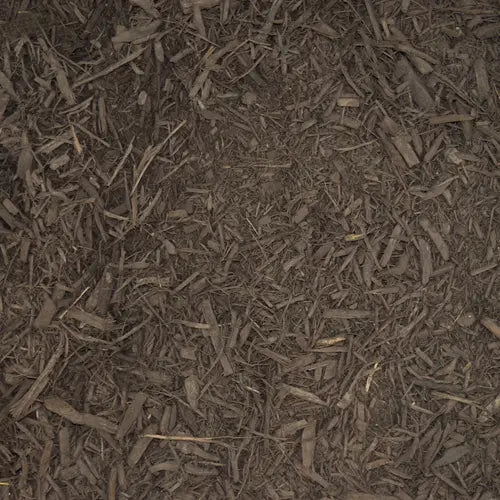
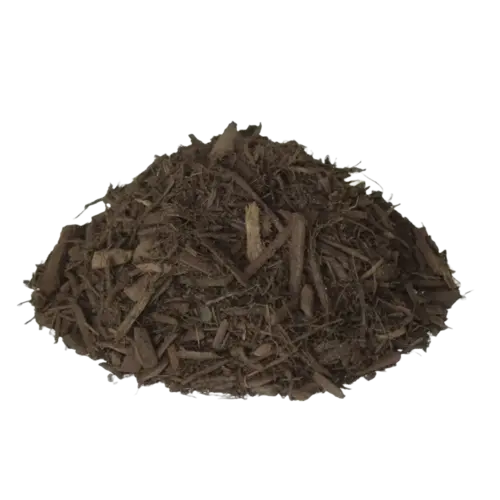
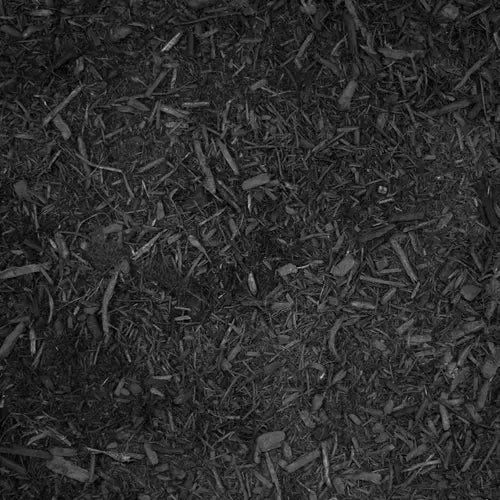
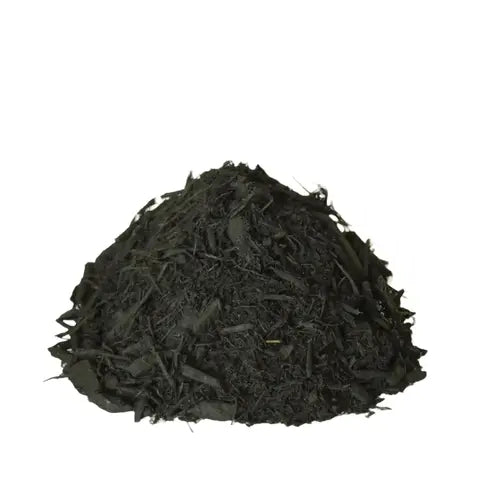
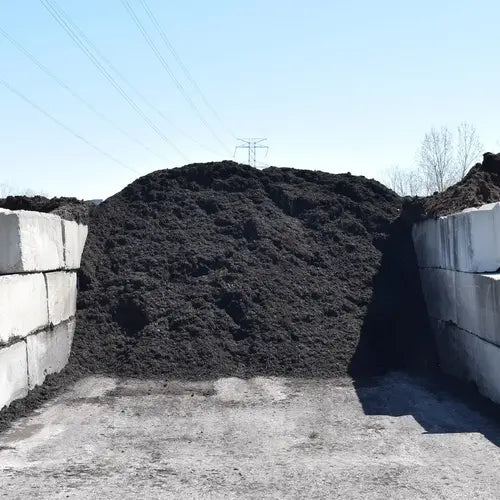
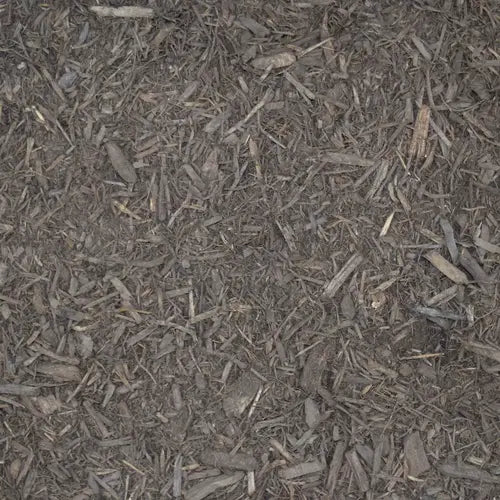
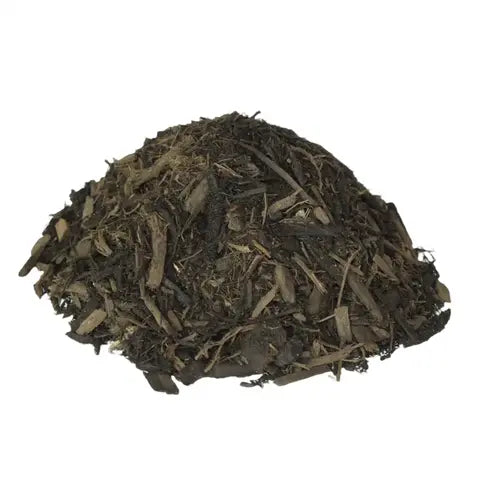
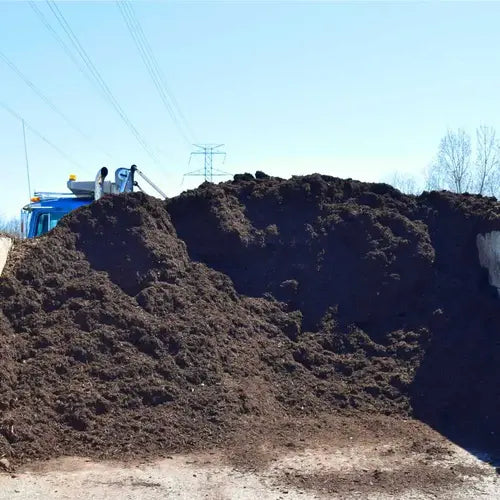
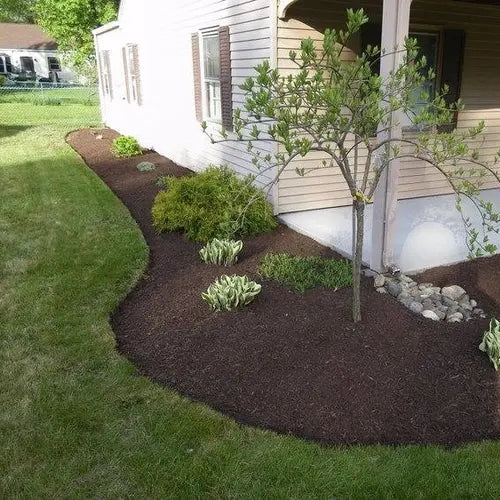
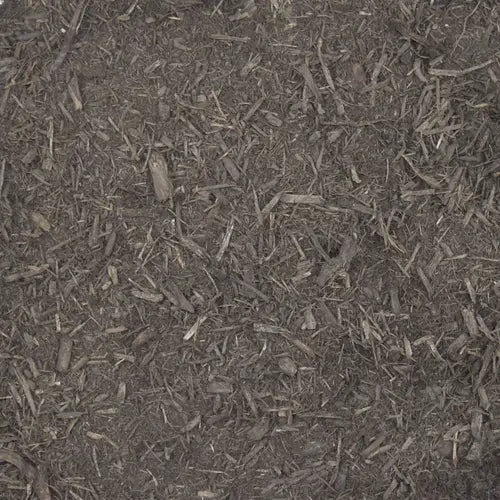
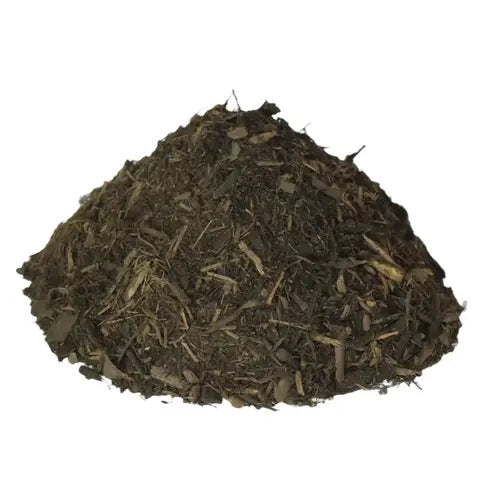
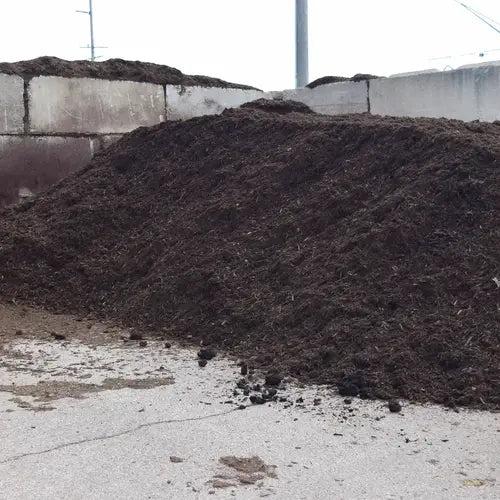
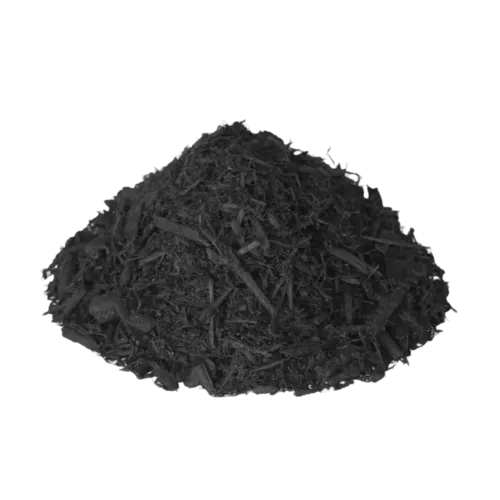
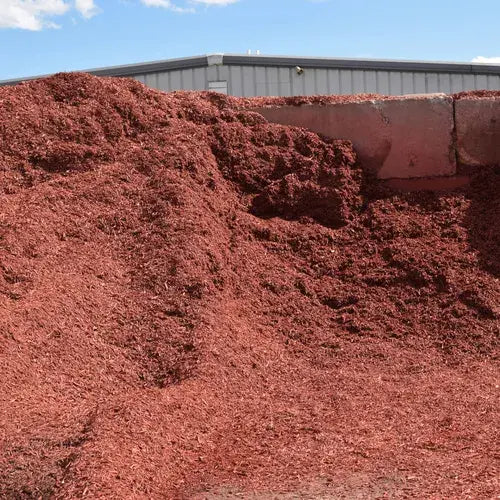
Warm brown double shredded mulch with lasting color that looks freshly applied for weeks. Spreads smooth, stays put, and gives beds a natural, polished appearance.
Great experience! Easy to order, they delivered promptly and were very respectful of the property! Ordered the triple shredded brown mulch and it was EXACTLY what I wanted. Very clean product too, no garbage or filler. Already put these guys in my calendar to order from next y...
Tell us what you're looking for
Thanks! We received your request.
Something went wrong. Please try again.
How Much Material Do I Need?
For Chambersburg's clay loam beds, a 2 to 3 inch mulch depth is the right target since the soil already retains moisture well and heavier applications risk waterlogging crowns and reducing root oxygen. Plan for 3 inches in areas with aggressive weed pressure and 2 inches in established beds that have dense ground cover filling in the gaps.
Use our free mulch calculator
What is a yard?
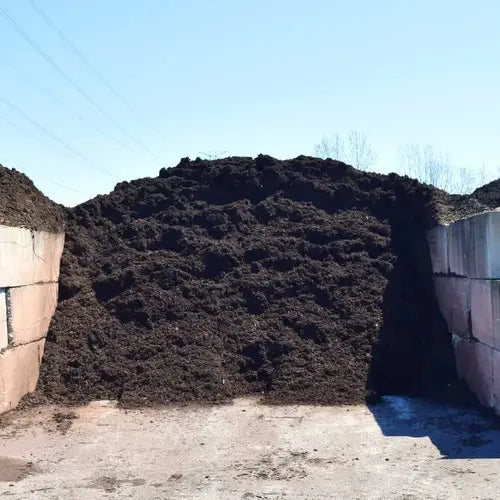
A yard is approximately 27 cubic feet. As a general guideline, one yard of material can cover an area of about 100-160 square feet at a 2-3 inch depth.
We can't take orders for this right now. Tell us what you need and we'll get back to you.
What do you need?
Thanks! We received your request.
Something went wrong. Please try again.
Hand-picked local yards
4,000+ regional deliveries
Dedicated support
Why order through Mulch Mound
The best local mulch, without the guesswork.
We hand-pick and partner with the best yards in your region, keep only the ones our buyers rate well, and back each load with our guarantee.
Mulch Mound Guarantee
If your mulch isn't the quantity or quality you ordered, we'll make it right.
About this mulch
Warm brown double shredded mulch with lasting color that looks freshly applied for weeks. Spreads smooth, stays put, and gives beds a natural, polished appearance.
Great experience! Easy to order, they delivered promptly and were very respectful of the property! Ordered the triple shredded brown mulch and it was EXACTLY what I wanted. Very clean product too, no garbage or filler. Already put these guys in my calendar to order from next y...
How Much Material Do I Need?
For Chambersburg's clay loam beds, a 2 to 3 inch mulch depth is the right target since the soil already retains moisture well and heavier applications risk waterlogging crowns and reducing root oxygen. Plan for 3 inches in areas with aggressive weed pressure and 2 inches in established beds that have dense ground cover filling in the gaps.
Use our free mulch calculator
What is a yard?
A yard is approximately 27 cubic feet. As a general guideline, one yard of material can cover an area of about 100-160 square feet at a 2-3 inch depth.
Great experience! Easy to order, they delivered promptly and were very respectful of the property! Ordered the triple shredded brown mulch and it w...
Read full review
Great experience! Easy to order, they delivered promptly and were very respectful of the property! Ordered the triple shredded brown mulch and it was EXACTLY what I wanted. Very clean product too, no garbage or filler. Already put these guys in my calendar to order from next year! Keep up the good work.
Measure the length and width of each bed in feet and multiply to get total square footage, then plan for 3 inches of depth as your target for Chambersburg's clay loam conditions. Dividing your square footage by 108 gives you the cubic yards needed for a 3-inch layer. Because Chambersburg beds already stay moist from regular rainfall, measuring carefully rather than over-ordering matters since piling mulch too deep can hold more water against plant roots than clay loam soil needs.
Mulch vs. No Mulch: The Difference
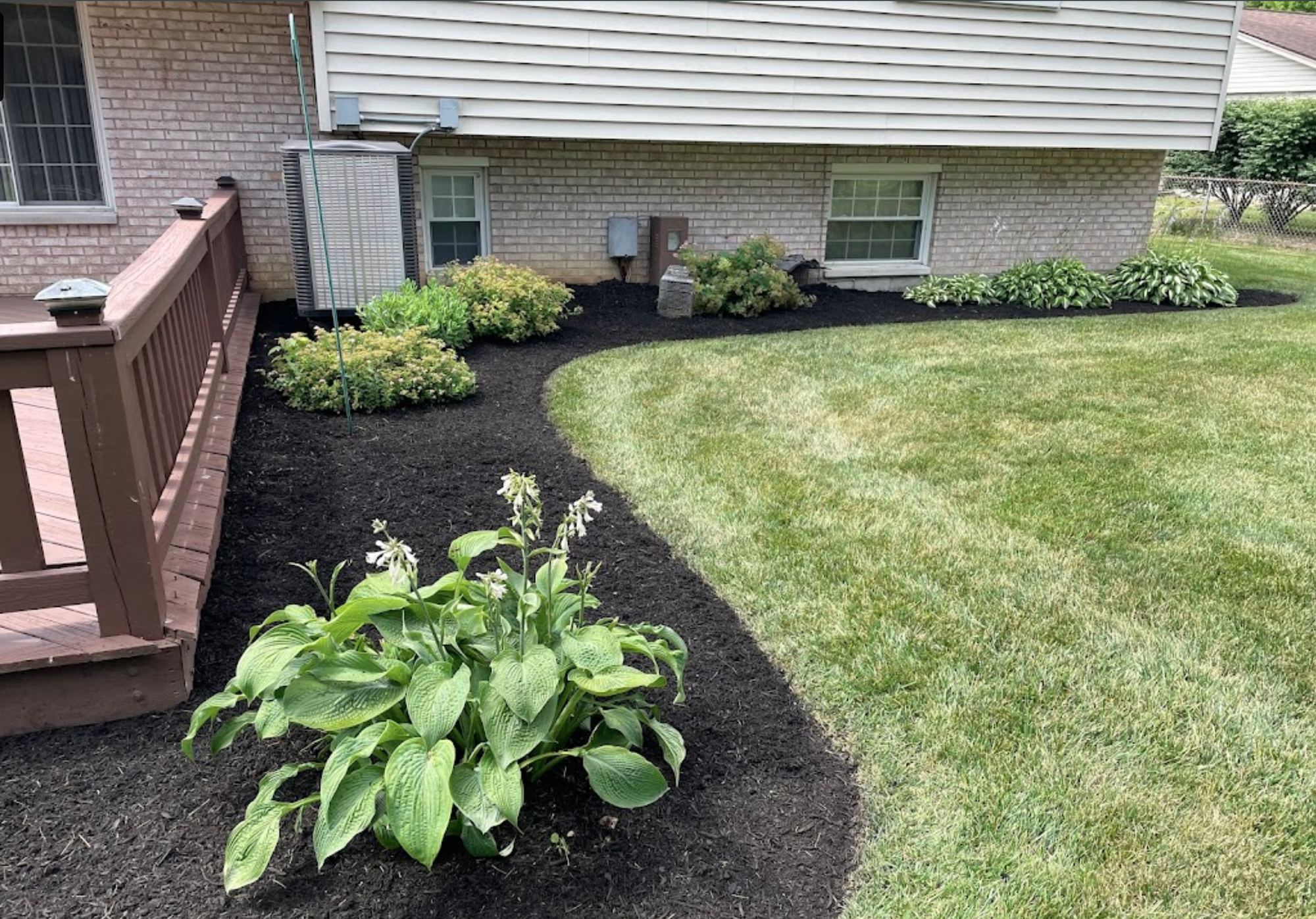
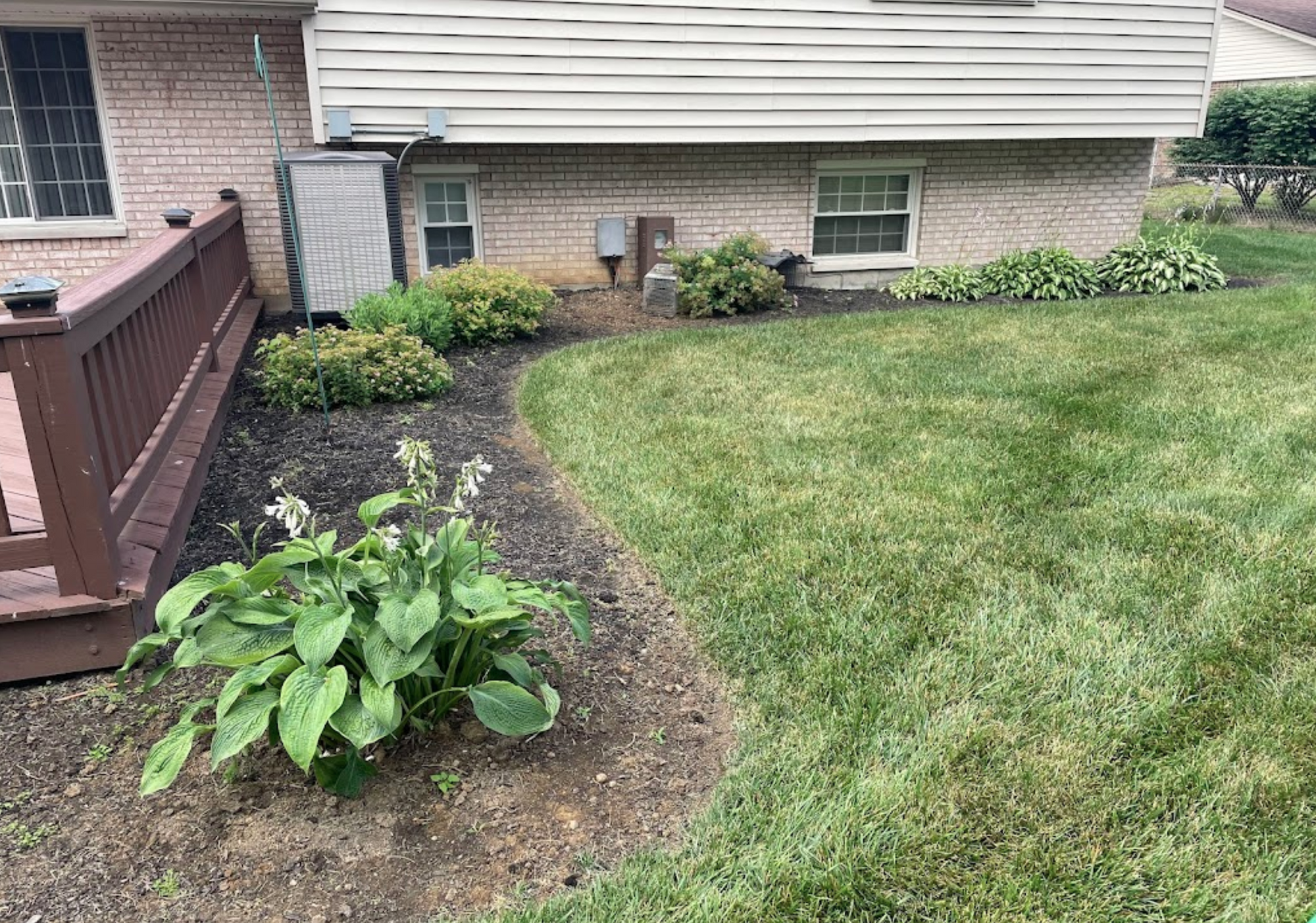
Chambersburg's combination of 42 inches of annual rainfall and warm zone 7a summers creates conditions where organic mulch breaks down at a steady pace, which actually benefits clay loam soil over time as decomposed material improves structure and adds organic matter. Natural undyed mulches break down more evenly and feed soil biology as they go, making them a practical choice for homeowners focused on long-term soil improvement alongside weed control. Dyed or colored mulches use a stabilized wood base that decomposes more slowly and holds a consistent appearance through the wet Chambersburg spring, which suits high-visibility front beds where appearance is the top priority.
Before
After
Best Mulch Choice for Chambersburg Lawns
Most yards in the Chambersburg area sit on Clay Loam type of soil. Chambersburg's clay loam soil compacts easily under foot traffic and repeated rainfall, leaving plant beds with a dense surface layer that limits root oxygen and slows water absorption. Keeping a quality mulch layer over these beds year-round buffers that compaction and keeps the surface from sealing over between rain events.
Hardwood Mulch
Hardwood mulch is particularly well suited to Chambersburg's clay loam beds because as it decomposes it releases humic compounds that gradually open up clay particles and improve soil aggregation over time. After several seasons of consistent hardwood mulch application, Chambersburg gardeners typically notice that the top few inches of bed soil become easier to dig, better at draining between rains, and more populated with earthworms and beneficial microbes that further improve soil health.
Mulch Types We Deliver in Chambersburg
Mulch Mound offers bulk mulch delivery in Chambersburg by the cubic yard, bringing fresh landscape material straight to your driveway or job site. Our products are well suited to the clay-heavy soils and variable seasons that define south-central Pennsylvania. Whether you are refreshing a single bed or covering a full property, we make ordering simple and delivery fast.
Dyed Black Mulch
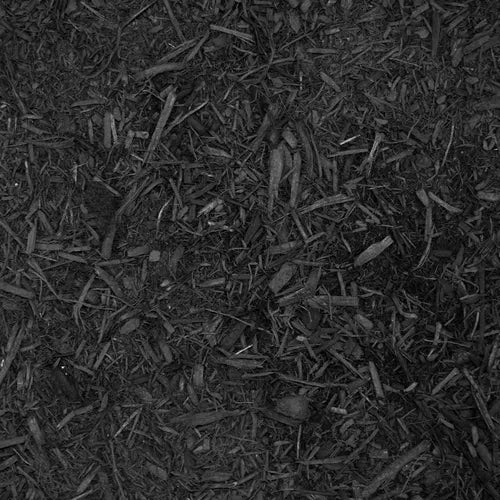
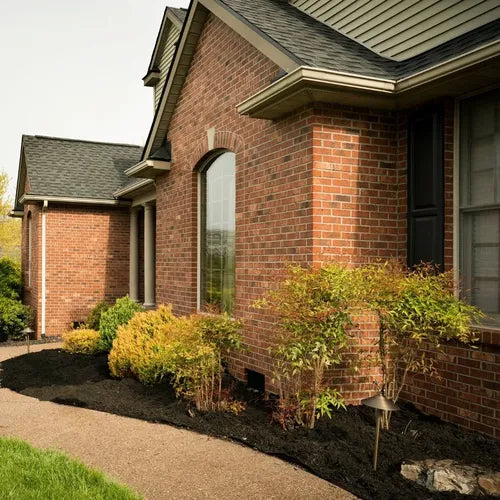
A bold choice for homeowners who want beds that make a strong visual statement. Available in double or triple shredded styles, the deep black color holds up well through Pennsylvania's wet springs and warm summers. The finer triple shredded cut spreads smoothly and stays in place on the sloped beds common across this part of the state.
Dyed Brown Mulch
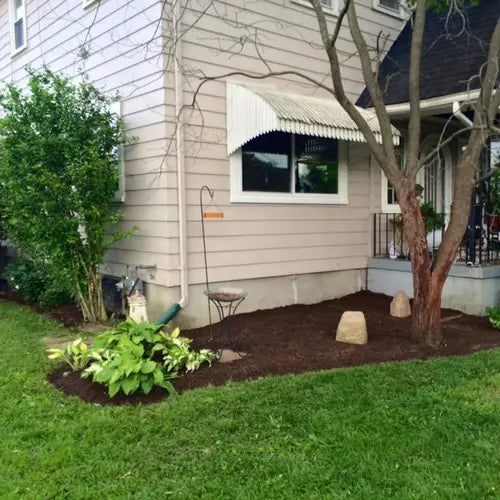
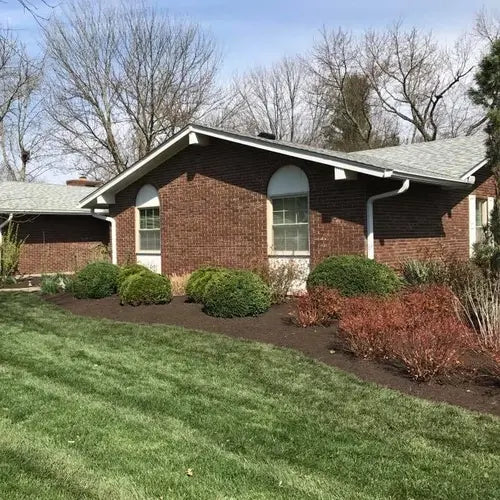
Warm brown dye gives this double shredded mulch a polished, freshly applied look that lasts for weeks even through south-central Pennsylvania's rainy season. It suits the mixed residential landscapes found around this area, blending naturally with brick facades, wood fences, and traditional garden borders.
Natural Brown Mulch
An undyed option that fits the earthy tones common in Pennsylvania landscapes. Available in double or triple shredded styles, this mulch lets the wood's warm color speak for itself. It pairs well with stone edging and mature plantings, and it breaks down over time to improve the heavy clay soils typical of this region.
Dyed Red Mulch
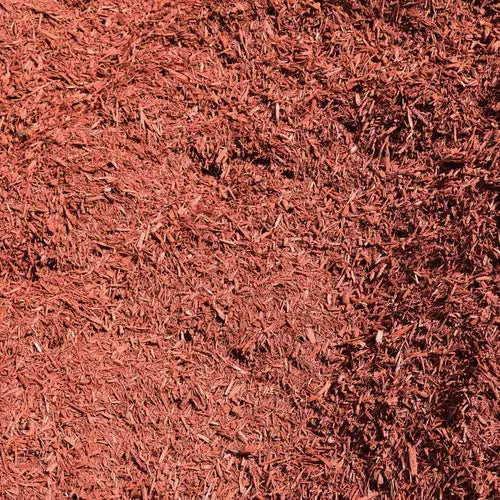
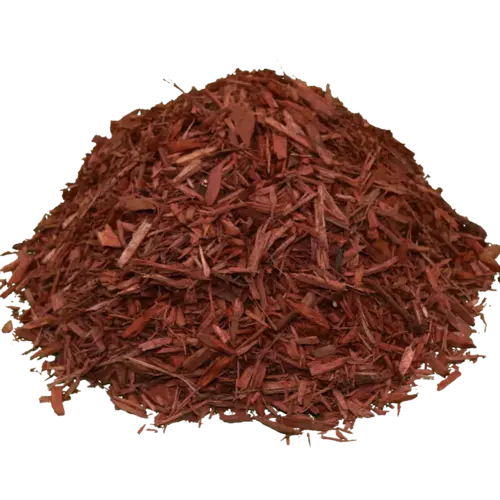
Triple shredded for the smoothest possible finish, Dyed Red Mulch delivers vivid color that stands out against green plantings and natural stone. The fine texture is easy to spread and holds its shape through Pennsylvania's rainy periods. A strong pick for homeowners focused on high-impact curb appeal.
Complete Your Outdoor Mulch Project
If you are refreshing beds in Chambersburg this season, pairing mulch with a quality topsoil or garden soil can address the low organic matter that limits clay loam performance before you mulch over the top. Adding a decorative stone border along bed edges also keeps mulch contained during Chambersburg's heavy spring rains when surface runoff can scatter lighter materials downhill.
Chambersburg's clay loam tends to shed water during heavy downpours rather than absorbing it quickly. Before spreading mulch in a new bed, work the top few inches of soil with a fork or tiller to break up the surface crust. This small step dramatically improves how well water moves from the mulch layer down into the root zone, making your mulch investment far more effective at supporting plant health through the dry stretches that follow Chambersburg's summer storms.
Mulch Mound Pro Tip
Because Chambersburg sits at 617 feet of elevation, spring temperatures can drop sharply overnight even after warm daytime highs in April and early May. If you have newly planted perennials or annuals that went in close to the April 28 last frost date, keep a 3-inch mulch ring around each plant but leave the crown itself exposed. That ring holds daytime soil warmth through chilly nights without trapping excess moisture against tender new stems that need air circulation to harden off.
Mulch Mound Pro Tip
With 42 inches of rain falling on Chambersburg each year, mulch does double duty as an erosion buffer on any bed that is not perfectly flat. On sloped areas or spots near downspouts, a coarser wood chip mulch anchors far better than finely shredded material, which can wash downhill during the intense spring storms common in south-central Pennsylvania. Checking slopes after heavy rains and raking displaced mulch back into place before it dries in the wrong spot keeps beds looking tidy with minimal extra effort.
Frequently Asked Questions
Click a question to see the answer
Answer
How thick should I spread mulch over my clay loam garden beds in Chambersburg?
Clay loam soil in Chambersburg already holds moisture well on its own, so applying more than 3 inches of mulch can trap too much water against plant crowns and lead to rot. A 2 to 3 inch layer gives you solid weed suppression and moisture retention without suffocating roots. Keep mulch pulled back an inch or two from the base of shrubs and perennials so air can circulate at the soil surface throughout the growing season.
Answer
Will my mulch break down faster because of how much rain Chambersburg gets each year?
Yes, the 42 inches of annual rainfall in Chambersburg does speed up decomposition of organic mulch compared to drier regions. Hardwood and wood chip mulches typically need a top-off after one full season here, while finer-textured mulches may need refreshing even sooner. The upside is that as mulch breaks down it gradually improves the clay loam by adding organic matter, which opens up soil structure and improves drainage over multiple seasons.
Answer
When is the best time to put down fresh mulch in the spring around Chambersburg?
The average last frost in Chambersburg falls around April 28, so late April through mid-May is generally the sweet spot for spring mulching. Waiting until the soil has had a chance to warm after winter matters because mulching too early can insulate cold soil and slow plant emergence. A week or two after your last frost date gives the ground time to warm while still protecting beds from the aggressive weed flush that comes with warm May rains.
Answer
Does colored or dyed mulch hold its color through the wet Chambersburg spring?
Dyed mulches are generally colorfast against rain, but Chambersburg's consistently wet March and April can fade surface color faster than in drier climates. Premium double or triple-process dyed mulches hold their color better because the dye penetrates more deeply into the wood fiber. Applying dyed mulch after the heaviest spring rains have passed in late April or early May tends to give you the longest-lasting color appearance through summer.
Answer
Can mulch actually help with the compaction problems I have in my clay soil beds?
Mulch does not loosen clay loam overnight, but it starts a slow and meaningful improvement process. As organic mulch decomposes into Chambersburg's clay loam it introduces organic matter that gradually opens soil structure, improves water movement, and encourages earthworm activity. Over two or three seasons of consistent mulching you will typically notice that the top few inches of your bed soil become noticeably easier to work and less prone to forming a hard crust after summer dry spells.
Answer
Should I rake out the old mulch before adding fresh material in the spring?
If old mulch has matted down into a dense wet layer it is worth loosening or removing it before adding fresh material, because a compacted mat can actually repel water and prevent it from reaching the clay loam below. If the existing layer is still loose and less than an inch deep you can simply top it off to bring total depth back to 2 or 3 inches. In Chambersburg where rainfall is generous, checking for water-repellent mulch mats each spring before the growing season starts is a useful habit.
Answer
How does mulch help protect my plants through a Chambersburg winter?
Chambersburg's first fall frost typically arrives around October 15, and soil temperatures can swing considerably through November and December before settling into steady cold. Applying a fresh layer of mulch in mid to late October insulates plant roots against those early freeze and thaw cycles that are especially damaging to perennials and shallow-rooted shrubs. The goal is not to keep soil warm but to keep it at a steadier temperature so roots are not repeatedly stressed by alternating freezes and mild spells before true winter arrives.
The Unique Landscape of Chambersburg
Chambersburg's clay loam soil holds moisture well after a rain but can bake into a firm surface crust during the dry spells that follow in July and August, creating a cycle of stress that is hard on plant roots. A consistent mulch layer buffers that swing between wet and dry, keeping the soil surface open and workable through the entire zone 7a growing season. With roughly 42 inches of rainfall spread across the year, weed seeds in Chambersburg beds get frequent chances to germinate in bare soil, and a proper mulch layer cuts off the light and moisture those seeds need before they get started. The growing window here runs from late April through mid-October, meaning beds are exposed and vulnerable for a long stretch that demands reliable ground cover. Chambersburg's elevation of 617 feet also means spring and fall nights cool quickly after warm afternoons, and mulch helps buffer those temperature swings to protect shallow-rooted perennials and newly installed shrubs.