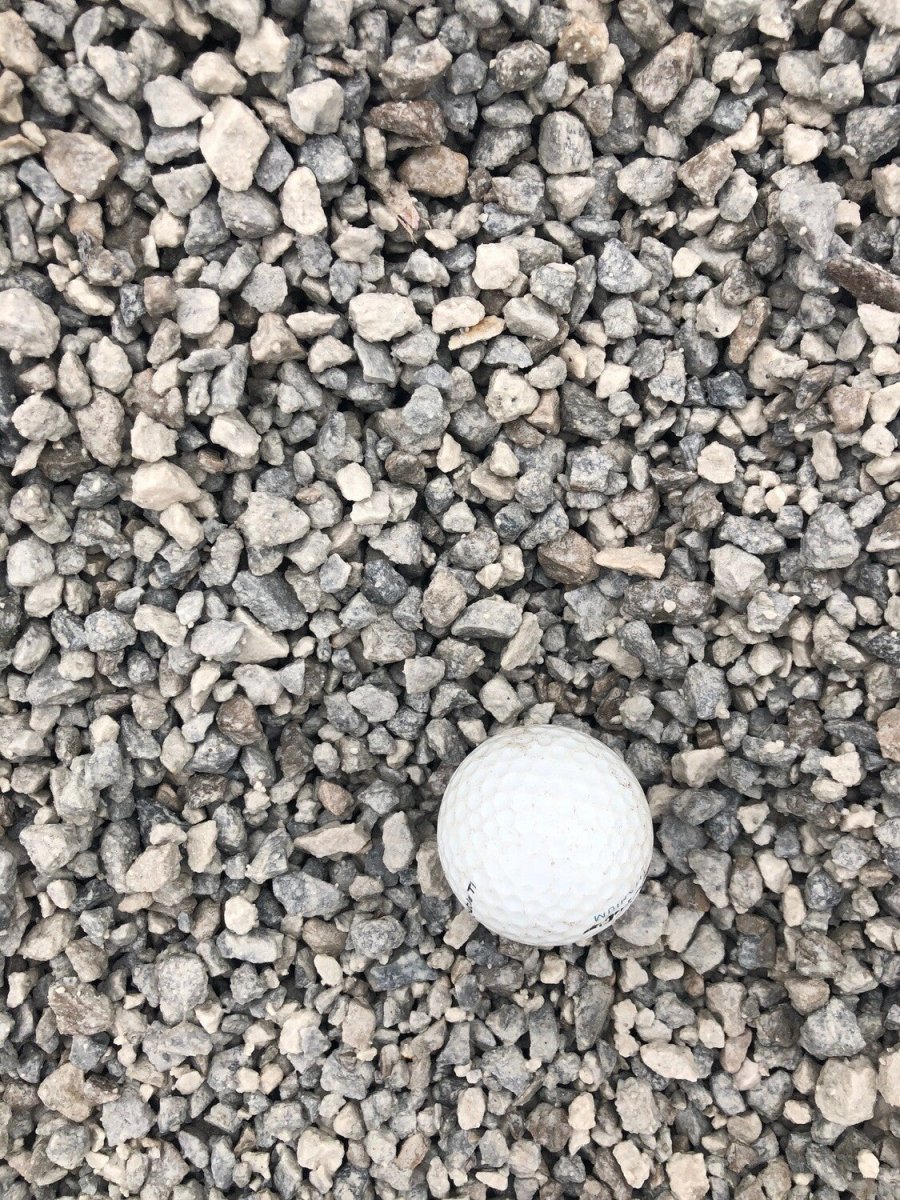
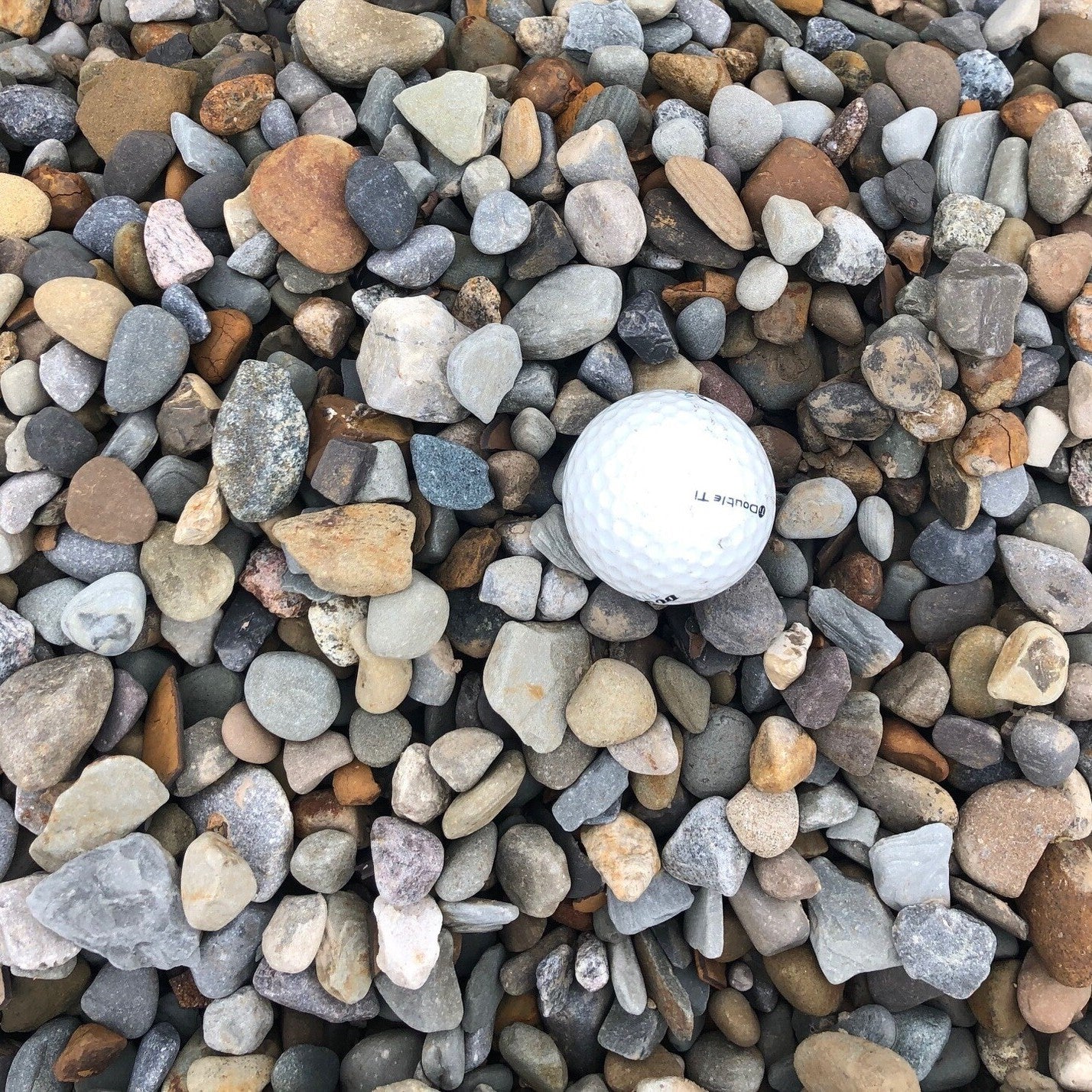
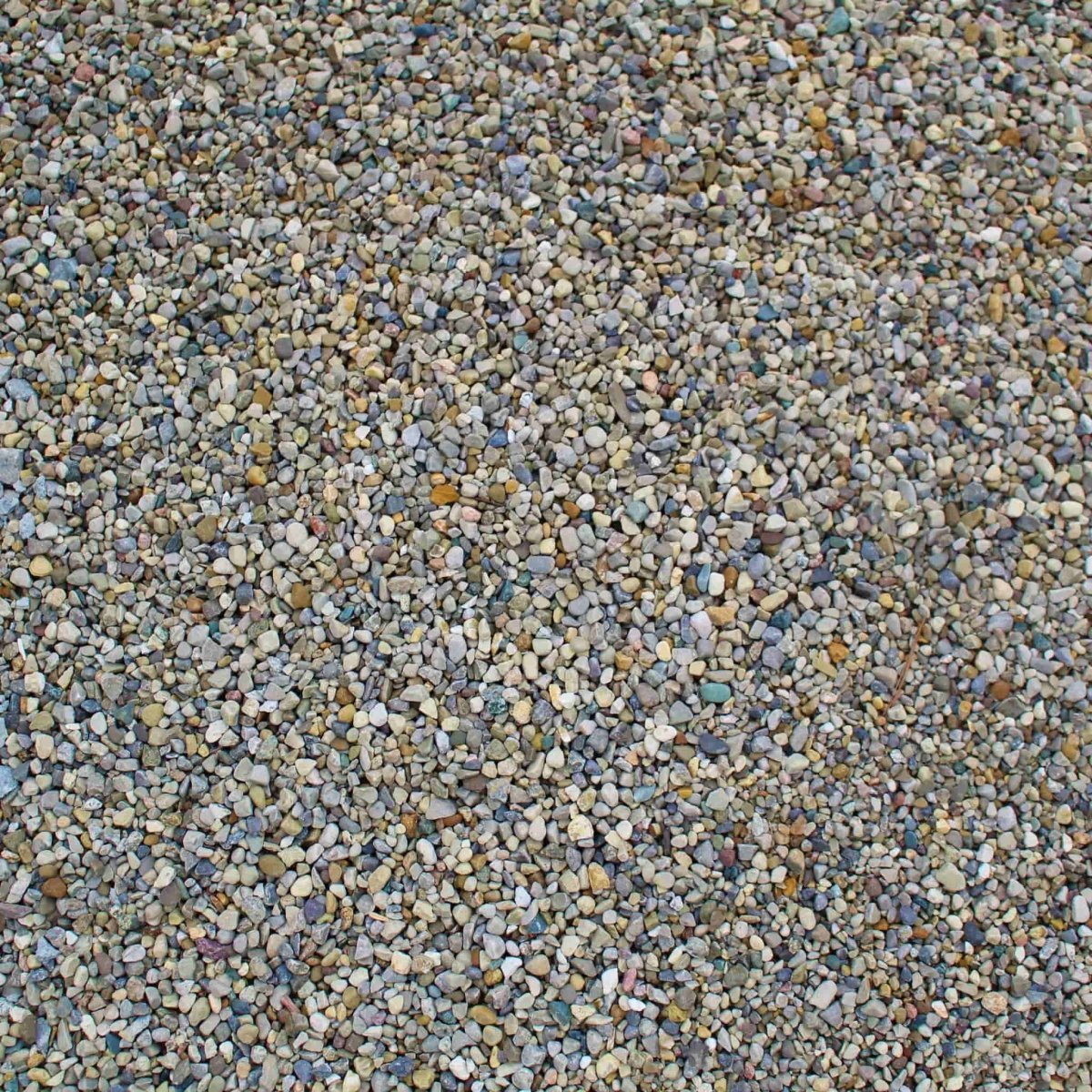
The workhorse. Limestone at half inch to 1 inch handles drainage, base, and decorative jobs with equal reliability. Clean gray color and proven durability.
I used Mulch Mound to have 3 cubic yards of garden soil delivered. The process was easy and I love that I didn't have to call anyone. I placed my order online, picked my delivery date, laid out my tarp and the dirt was delivered. My delivery had to be pushed back, but I was ke...
Tell us what you're looking for
Thanks! We received your request.
Something went wrong. Please try again.
How Much Material Do I Need?
For pathway and border applications on Chambersburg properties, plan for 3 to 4 inches of stone depth on a prepared base, which is enough to suppress weeds and handle the foot traffic and surface water typical of a zone 7a yard through the full growing season. Drainage channels and dry creek beds designed to handle Chambersburg's heavy spring runoff typically need 6 to 8 inches of stone depth to move water volumes effectively without washing out.
Use our free gravel calculator
What is a yard?
A yard is approximately 27 cubic feet. As a general guideline, one yard of material can cover an area of about 100-160 square feet at a 2-3 inch depth.
We can't take orders for this right now. Tell us what you need and we'll get back to you.
What do you need?
Thanks! We received your request.
Something went wrong. Please try again.
Hand-picked local yards
4,000+ regional deliveries
Dedicated support
Why order through Mulch Mound
The best local stone, without the guesswork.
We hand-pick and partner with the best yards in your region, keep only the ones our buyers rate well, and back each load with our guarantee.
Mulch Mound Guarantee
If your stone isn't the quantity or quality you ordered, we'll make it right.
About this stone
The workhorse. Limestone at half inch to 1 inch handles drainage, base, and decorative jobs with equal reliability. Clean gray color and proven durability.
I used Mulch Mound to have 3 cubic yards of garden soil delivered. The process was easy and I love that I didn't have to call anyone. I placed my order online, picked my delivery date, laid out my tarp and the dirt was delivered. My delivery had to be pushed back, but I was ke...
How Much Material Do I Need?
For pathway and border applications on Chambersburg properties, plan for 3 to 4 inches of stone depth on a prepared base, which is enough to suppress weeds and handle the foot traffic and surface water typical of a zone 7a yard through the full growing season. Drainage channels and dry creek beds designed to handle Chambersburg's heavy spring runoff typically need 6 to 8 inches of stone depth to move water volumes effectively without washing out.
Use our free gravel calculator
What is a yard?
A yard is approximately 27 cubic feet. As a general guideline, one yard of material can cover an area of about 100-160 square feet at a 2-3 inch depth.
I used Mulch Mound to have 3 cubic yards of garden soil delivered. The process was easy and I love that I didn't have to call anyone. I placed my o...
Read full review
I used Mulch Mound to have 3 cubic yards of garden soil delivered. The process was easy and I love that I didn't have to call anyone. I placed my order online, picked my delivery date, laid out my tarp and the dirt was delivered. My delivery had to be pushed back, but I was kept informed via text, which was great. So why not 5 stars? The description of garden soil on the website is "A balanced mix of topsoil and organic amendments ready for raised beds, flower gardens, and new planting areas. Good drainage, solid nutrients, easy to work with." What I got was more like fill dirt. It had a lot of gravel, a lot of clay, and random trash mixed in. I didn't test the soil to see if it actually had "amendments" because I already have compost and alpaca manure ready to add, but if I'd known the quality of the dirt was going to be the same as the bagged dirt I bought last year, I probably would have gotten 2 yards of top soil and a yard of leaf compost for better quality, especially since the leaf compost is cheaper. Photo of my mountain of dirt and just some of the trash I found in it.
Measure the length and width of your stone area in feet and multiply for total square footage, then plan for a 3 to 4 inch depth for most Chambersburg pathway and border applications. Dividing your square footage by 81 gives you the cubic yards needed for a 4-inch depth. Because stone does not compress or settle the way soil does, your measurements translate directly to order size without needing to build in a settling allowance.
Stone Types We Deliver in Chambersburg
Mulch Mound delivers bulk stone by the cubic yard to Chambersburg and the surrounding Franklin County area, so you can get the right grade without making multiple hardware-store runs. If you have been searching for crushed stone near me, we carry six sizes and grades and drop them straight to your driveway or job site. Order by the yard and pay only for what your project calls for.
#57 Limestone
The half inch to one inch gray limestone is the most versatile stone in our lineup. It compacts firmly over the clay-heavy soils common to south-central Pennsylvania, making it a dependable pick for driveways, French drains, and decorative beds where drainage and durability both matter.
#57 Decorative Gravel
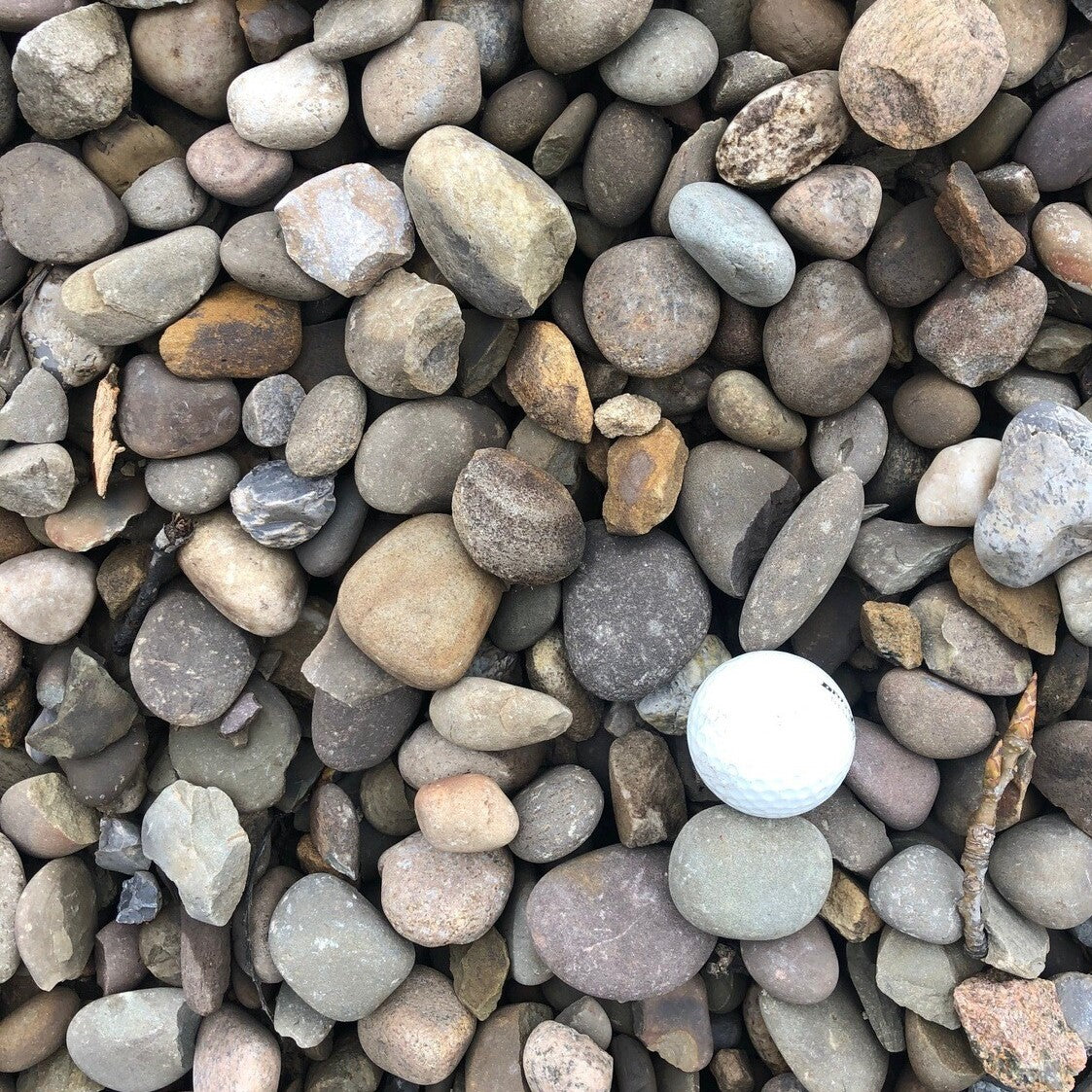
At the same half inch to one inch range as limestone but with a warmer, more varied appearance, this decorative gravel works well along borders, paths, and planting beds. Homeowners use it as a low-maintenance ground cover that drains cleanly through wet Pennsylvania springs.
#8 Decorative Gravel
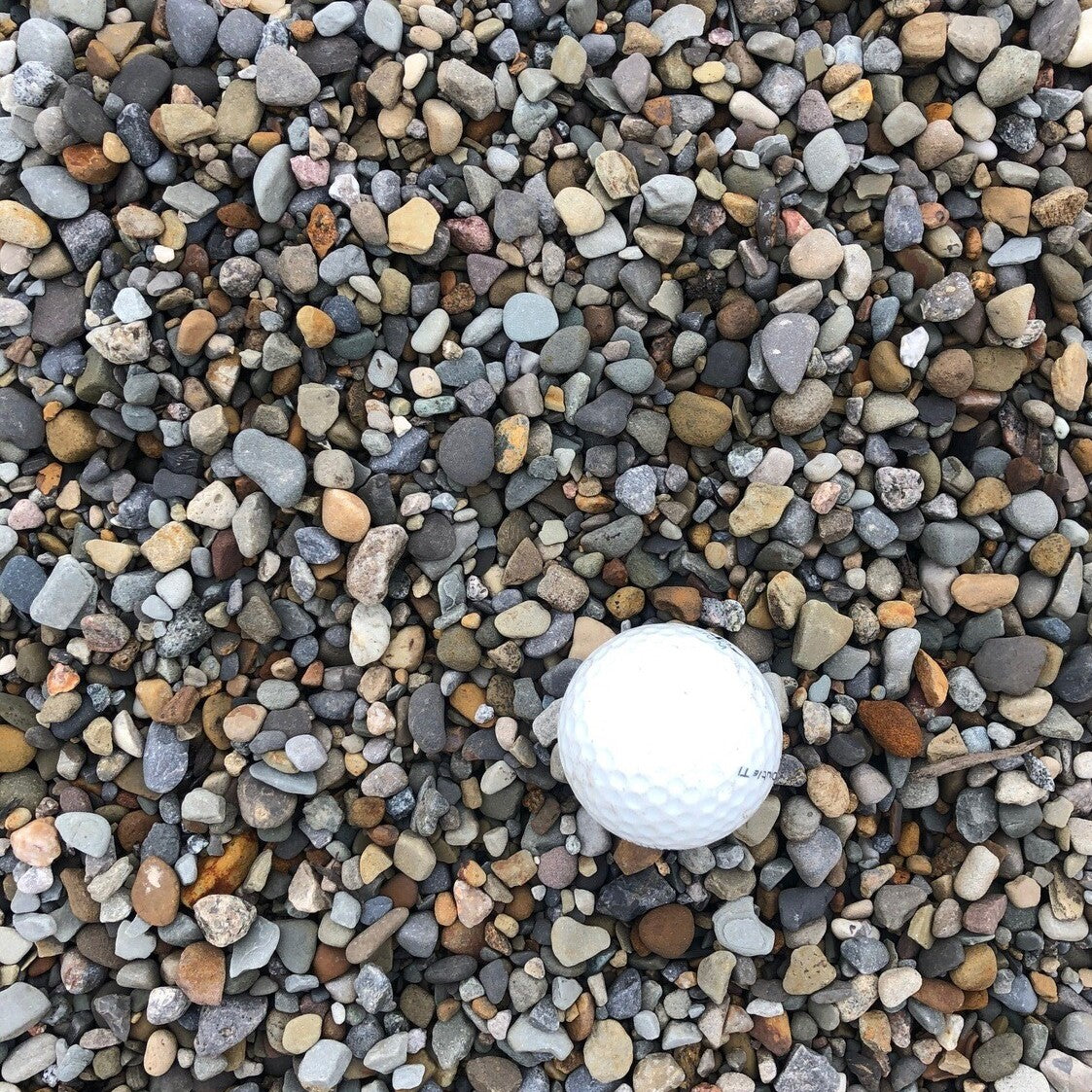
The compact three eighths to half inch sizing makes this stone the right call for walkways and detailed bed work where a finer, smoother surface is the goal. It packs in closely, stays tidy through freeze-thaw cycles, and gives landscapes a clean, finished appearance.
#3 and #4 Decorative Gravel
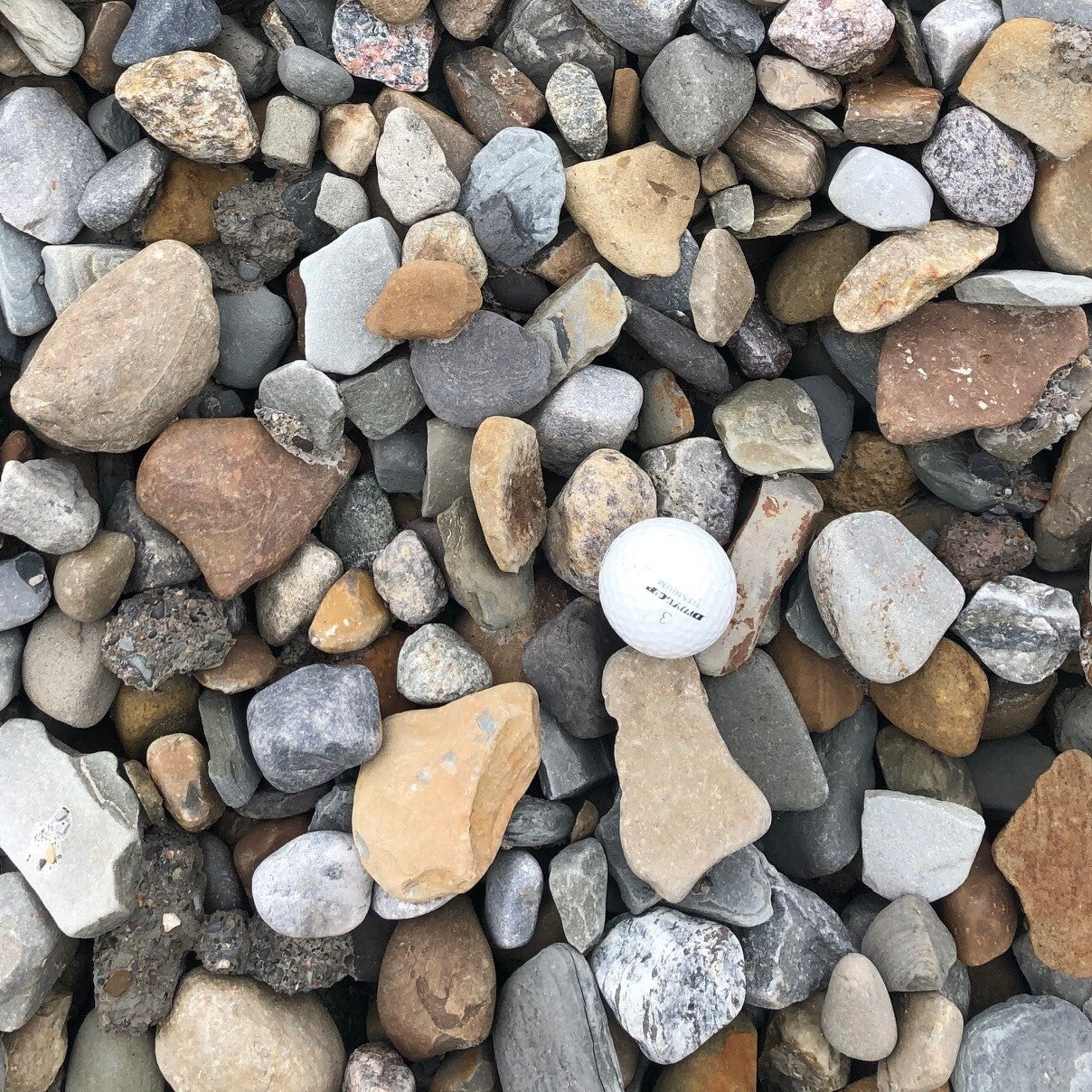
This one to two inch decorative blend brings natural variation to larger beds and borders. The mixed sizing allows water to move through freely, which matters during Pennsylvania's heavier spring rains, and the bold stone size makes a strong visual statement in open landscape areas.
Complete Your Outdoor Stone Project
Stone projects in Chambersburg pair naturally with topsoil or fill soil work, since grading the ground beneath before laying stone ensures water flows exactly where you intend it to rather than pooling at low points in the base. Adding mulch to adjacent planting beds creates a clean visual transition between stone hardscape and planted areas that looks intentional and ties the full landscape together.
Chambersburg's clay loam compacts firmly under stone over time, which sounds beneficial but can actually cause drainage to back up at the edges of pathways and borders. Installing a strip of plastic or steel edging along both sides of a stone path does two things at once. It keeps stone from migrating into the lawn and it gives you a raised edge that channels surface water down the path rather than letting it pool against the sides. That edge detail makes a meaningful practical difference on a clay soil property during Chambersburg's heaviest rain events.
Mulch Mound Pro Tip
The freeze-thaw cycles that move through Chambersburg from November through March can work small round stones upward out of a pathway base over winter, leaving an uneven and scattered surface by the time spring arrives. Using angular crushed stone rather than round pea gravel for pathways significantly reduces this problem because angular pieces lock together under load and resist the upward movement that freeze-thaw creates. Round stones release from the base more easily and tend to end up scattered across edges and lawn areas by April.
Mulch Mound Pro Tip
Foundation stone borders in Chambersburg do more than create a finished look. They create a dry buffer zone between the soil and siding that reduces direct moisture contact during the 42 inches of rain the area receives each year. To get the most out of a foundation border, slope the stone very slightly away from the house so water drains outward rather than pooling against the foundation wall. Even half an inch of slope across an 18 to 24 inch border moves enough water to make a noticeable difference in how dry the foundation stays through a wet Chambersburg spring.
The Unique Landscape of Chambersburg
Chambersburg's clay loam soil and 42 inches of annual rainfall create conditions where soft ground and muddy paths are a recurring problem for homeowners who want functional outdoor spaces. Decorative and utility stone solves that problem with a surface that handles foot traffic and moving water without rutting, compacting, or washing away the way bare soil and organic materials do. Stone requires no seasonal refreshing the way mulch does, which makes it a particularly practical choice in a zone 7a climate where landscape materials go through wide temperature swings from summer heat through winter freeze cycles. Pathways, drainage channels, and foundation borders built with stone in Chambersburg hold their shape through the area's heavy spring storms in a way that mulched areas simply cannot match. At 617 feet of elevation Chambersburg also experiences enough winter freeze-thaw activity to shift and heave lighter landscape materials, while properly installed stone stays locked in place and serviceable season after season.
Frequently Asked Questions
Click a question to see the answer
Answer
What size stone works best for walkways around a Chambersburg yard?
For foot traffic walkways in Chambersburg, a 3/8 inch to 3/4 inch crushed stone or pea gravel is the most comfortable and practical size. Larger stone shifts underfoot and can be unstable to walk on, while very fine stone tends to compact into a muddy surface after Chambersburg's frequent spring rains hit the clay loam below. A 3 to 4 inch depth of mid-size crushed stone over a compacted gravel base gives you a stable, well-draining path surface that holds up through the full range of zone 7a weather.
Answer
How can stone help with the drainage issues I have in my Chambersburg yard?
Stone-filled drainage channels and dry creek beds are one of the most effective ways to manage Chambersburg's rainfall on a clay loam property. Clay loam absorbs surface water slowly, and runoff builds up quickly during heavy spring storms, but a stone-lined channel gives that water a fast exit path toward a lower point or the street. Even a decorative dry creek bed filled with river stone can move impressive volumes of water away from foundation areas and low spots during a hard rain without any mechanical components to maintain.
Answer
Will my decorative stone shift or wash away during Chambersburg's heavy spring storms?
Lighter decorative stone in the 3/8 inch range can shift on slopes during intense rain events, but properly sized stone installed with edging or fabric underlayment stays in place reliably through Chambersburg's spring storm season. For areas that see direct water flow, a 1.5 to 2 inch stone is heavy enough to resist movement without needing fabric. Flat areas contained by installed edging hold decorative stone well through the 42 inches of annual rainfall the Chambersburg area receives.
Answer
Is stone a good low-maintenance option for the shaded spots in my yard where grass just won't grow?
Stone is one of the best long-term solutions for shaded, compacted, or poorly draining spots in Chambersburg yards where grass repeatedly fails to establish. Chambersburg's clay loam is especially difficult for turf under mature trees where root competition combines with shade and moisture fluctuation, and a layer of landscape fabric topped with decorative stone turns those problem areas into clean, polished features. Unlike mulch, stone needs no annual replenishment and holds its appearance through the heavy rains and wide temperature swings that a zone 7a climate delivers.
Answer
How much stone do I need for a border along my foundation in Chambersburg?
A typical foundation border in Chambersburg runs about 18 to 24 inches wide and needs 3 to 4 inches of stone depth to look full and suppress weeds effectively. For every 10 linear feet of border at 2 feet wide and 3 inches deep, you will need roughly 0.2 cubic yards of stone. For most single-family homes in Chambersburg where the foundation perimeter runs between 100 and 150 feet, one to two cubic yards covers the project with enough material to tuck stone snugly against the foundation without thin or bare spots.
Answer
Can stone under my downspouts help stop the erosion I keep getting from roof runoff in Chambersburg?
Absolutely. Chambersburg gets enough annual rainfall that downspout discharge areas take a serious beating, and a 2 to 3 foot splash zone of larger stone under each spout prevents concentrated water from gouging a pit in the clay loam soil. Using a 1.5 to 2 inch river rock or clean crushed stone absorbs the impact energy and spreads the water out rather than letting it tunnel into the ground or run along the foundation wall. It is one of the simplest stone applications and one of the most practical for Chambersburg's rainfall levels.
Answer
Can I build a stone pathway between my garage and backyard without it sinking into my clay soil over time?
Clay loam in Chambersburg will eventually cause a path surface to heave and shift if stone is placed directly on undisturbed soil without a proper base. The standard approach is to excavate 4 to 6 inches, compact 3 to 4 inches of gravel base material, and then top with your finish stone layer. That base gives water somewhere to drain below the frost line and prevents the freeze-thaw cycles common in Chambersburg winters from pushing the path surface out of level as the ground moves through the season.
Answer
Is there a stone yard near Chambersburg?
A few yards of crushed stone is what you'd ask for at the counter of a stone yard, but Mulch Mound brings that same stone straight to your Chambersburg driveway or path with no trip to a quarry. With 42 inches of rain a year, a packed stone surface holds firm where bare clay loam turns to mud.