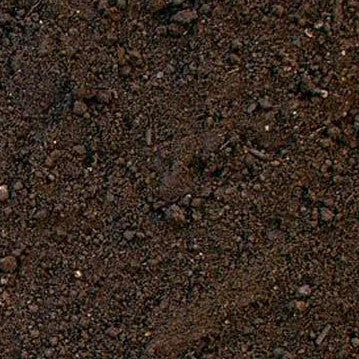
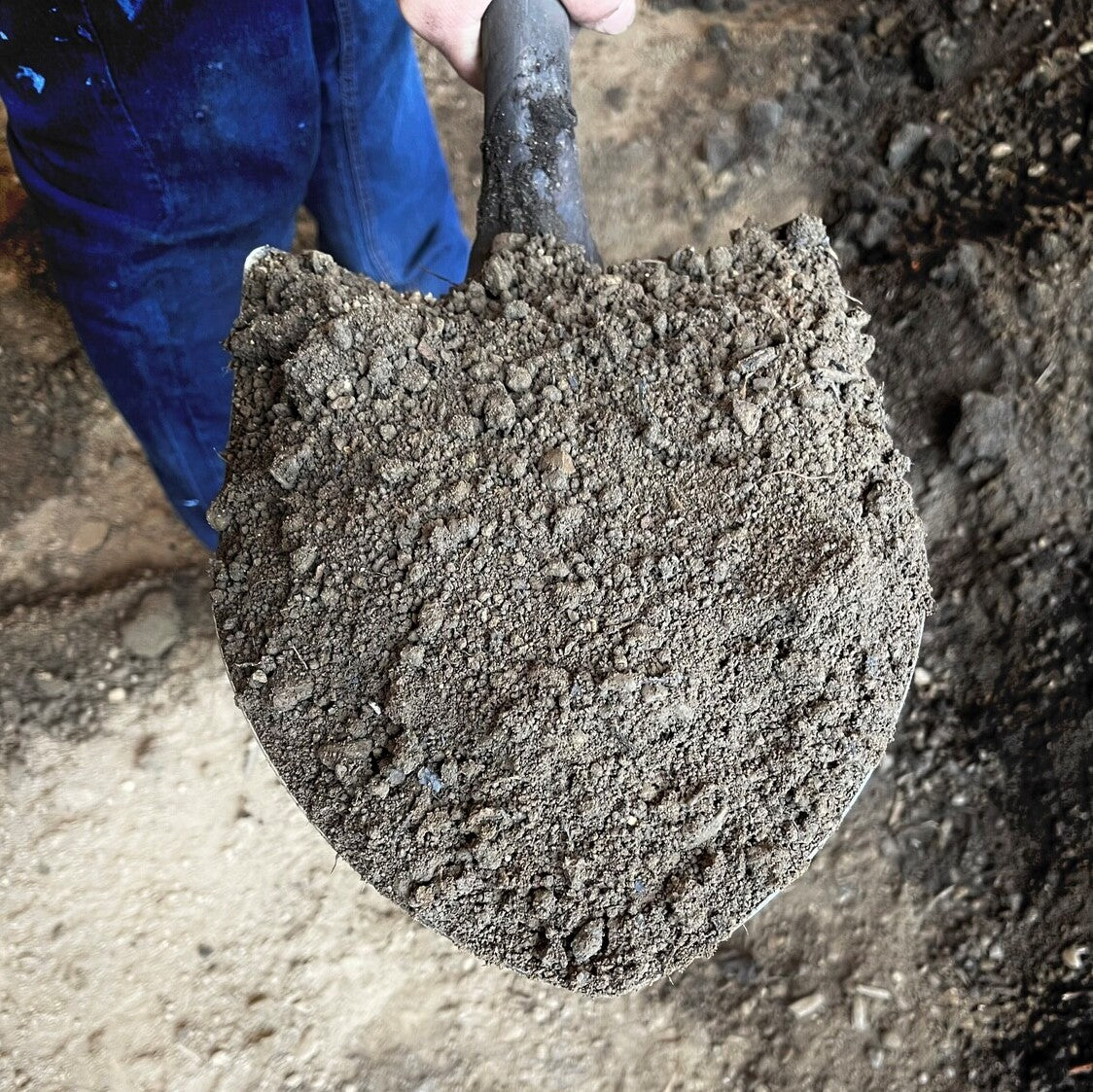
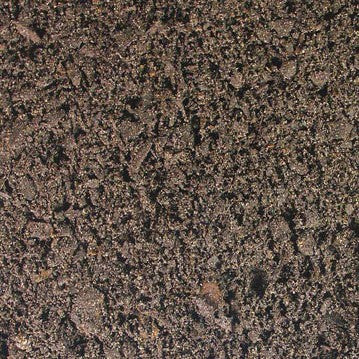
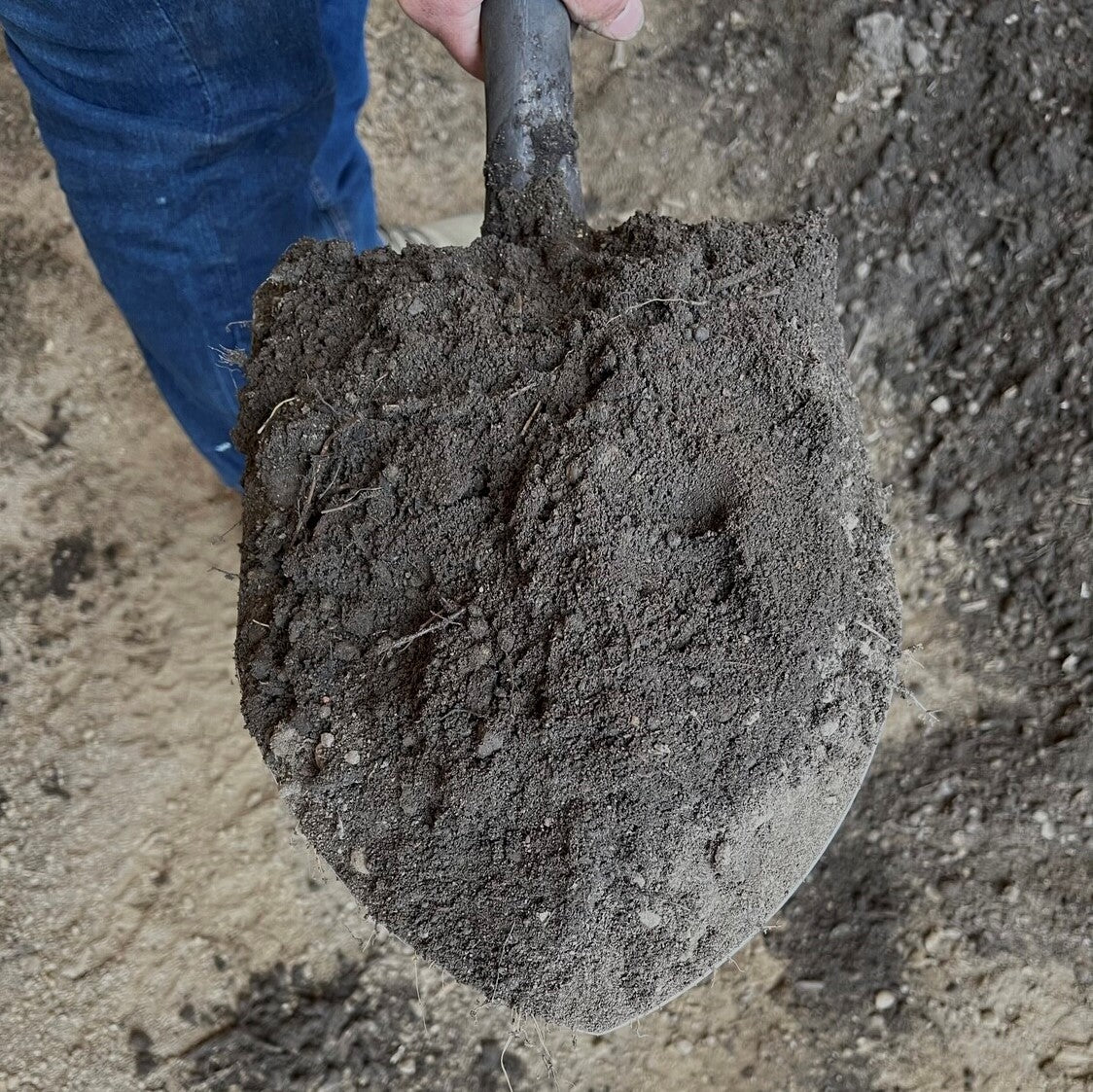
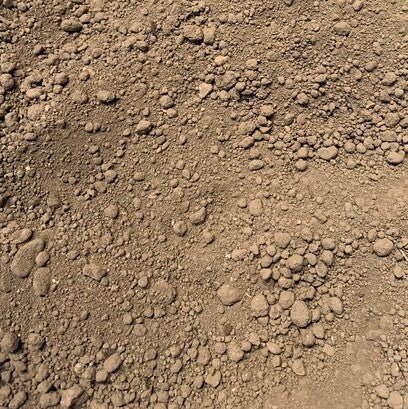
Screened topsoil filtered clean of rocks, roots, and debris. Smooth, consistent texture that is ready for lawns, gardens, raised beds, and finish grading.
Ordered the planting mix with an early Saturday delivery. Super easy ordering experience. Dirt was delivered on time and delivery driver was kind enough to let us know I would take up more room than we though so we could pull cars out of the garage. Will be ordering again
Tell us what you're looking for
Thanks! We received your request.
Something went wrong. Please try again.
How Much Material Do I Need?
For lawn leveling in Chambersburg, plan for 1 to 2 inches of topsoil over problem areas to correct drainage without smothering existing grass roots in the surrounding lawn. Raised garden beds intended to keep vegetable roots above the slow-draining native clay loam typically need 10 to 12 inches of blended soil to provide adequate drainage and root depth for most crops.
Use our free soil calculator
What is a yard?
A yard is approximately 27 cubic feet. As a general guideline, one yard of material can cover an area of about 100-160 square feet at a 2-3 inch depth.
We can't take orders for this right now. Tell us what you need and we'll get back to you.
What do you need?
Thanks! We received your request.
Something went wrong. Please try again.
Hand-picked local yards
4,000+ regional deliveries
Dedicated support
Why order through Mulch Mound
The best local soil, without the guesswork.
We hand-pick and partner with the best yards in your region, keep only the ones our buyers rate well, and back each load with our guarantee.
Mulch Mound Guarantee
If your soil isn't the quantity or quality you ordered, we'll make it right.
About this soil
Screened topsoil filtered clean of rocks, roots, and debris. Smooth, consistent texture that is ready for lawns, gardens, raised beds, and finish grading.
Ordered the planting mix with an early Saturday delivery. Super easy ordering experience. Dirt was delivered on time and delivery driver was kind enough to let us know I would take up more room than we though so we could pull cars out of the garage. Will be ordering again
How Much Material Do I Need?
For lawn leveling in Chambersburg, plan for 1 to 2 inches of topsoil over problem areas to correct drainage without smothering existing grass roots in the surrounding lawn. Raised garden beds intended to keep vegetable roots above the slow-draining native clay loam typically need 10 to 12 inches of blended soil to provide adequate drainage and root depth for most crops.
Use our free soil calculator
What is a yard?
A yard is approximately 27 cubic feet. As a general guideline, one yard of material can cover an area of about 100-160 square feet at a 2-3 inch depth.
Ordered the planting mix with an early Saturday delivery. Super easy ordering experience. Dirt was delivered on time and delivery driver was kind e...
Read full review
Ordered the planting mix with an early Saturday delivery. Super easy ordering experience. Dirt was delivered on time and delivery driver was kind enough to let us know I would take up more room than we though so we could pull cars out of the garage. Will be ordering again
Measure the length and width of your fill or grading area in feet and multiply for total square footage, then determine your target fill depth in inches. Multiply your square footage by your depth in inches and divide by 324 to get cubic yards needed. In Chambersburg where clay loam can compact after the first few rains following installation, ordering a 10 percent overage ensures you have enough material to achieve a true finished grade rather than coming up short after settling.
Soil Types We Deliver in Chambersburg
Mulch Mound delivers bulk soil by the cubic yard right to your door, from backyard gardens to full lawn renovations. Whether you are leveling a yard, building raised beds, or improving the heavy clay soils common to this part of Pennsylvania, we make it easy to get exactly the volume you need. Ordering bulk topsoil by the yard in Chambersburg has never been more straightforward.
Screened Topsoil
Our screened topsoil is filtered clean of rocks, roots, and debris, giving you a smooth, consistent texture that works well for lawns, finish grading, and garden beds. It is a reliable choice for Chambersburg homeowners dealing with thin or compacted soil, and it pairs well with any new planting project.
Gardening Blend
A balanced mix of topsoil and organic amendments, this blend is built for raised beds, flower gardens, and new planting areas. It drains well and holds nutrients effectively, making it a strong fit for the varied growing conditions in Chambersburg yards and the longer Pennsylvania growing season.
Mushroom Compost
Spent mushroom substrate packed with organic nutrients, mushroom compost is excellent for enriching garden beds and improving soil structure. It delivers a slow release of fertility over the growing season, making it a practical choice for Chambersburg gardeners who want to build lasting soil health over time.
Complete Your Outdoor Soil Project
Once your soil grading or bed prep is complete in Chambersburg, adding a layer of mulch over new garden beds protects the fresh soil surface from compaction during the area's frequent spring rains and keeps moisture available to newly establishing plants. If you are defining bed edges or creating graded drainage channels, decorative stone works naturally alongside topsoil projects to direct water flow and finish the look of the landscape.
What type of soil should I bring in to improve my clay loam yard in Chambersburg?
For most Chambersburg yards, a screened topsoil or blended garden soil with added organic matter is the right choice because it introduces the loose structure and drainage capacity that native clay loam lacks on its own. Avoid adding straight sand to clay loam without substantial organic matter, since sand mixed into clay without enough compost can create a dense mixture that drains worse than the original soil. A quality topsoil blended with compost works well for garden beds, while screened topsoil on its own is ideal for lawn grading and filling low spots.
Answer
How much soil do I need to level the areas in my Chambersburg yard that stay wet after it rains?
Most lawn leveling projects in Chambersburg need between 1 and 3 inches of fill over the problem area, which works out to roughly half a cubic yard per 100 square feet at a 1-inch depth. Start by walking the yard after a heavy rain to map all the spots that hold standing water, then measure the area and depth of each depression. Because Chambersburg gets consistent spring rainfall, even a small low spot can stay soggy for days and prevent grass from establishing, so it is worth addressing all the problem areas in one delivery rather than working through them one at a time.
Answer
When is the best time of year to do soil grading work in Chambersburg?
Late summer and early fall, from August through mid-October, is typically the most practical window for soil grading work in Chambersburg. The ground is dry enough to work easily, the heavy spring rains have passed, and grading completed before the October 15 first frost gives seeded areas time to establish before winter. Spring grading is possible but Chambersburg's clay loam can stay wet and unworkable well into April, and trying to grade compacted wet clay adds substantial labor and often produces a rougher finish surface.
Answer
Can I use bulk topsoil to build raised vegetable beds in Chambersburg?
Bulk topsoil works well as a base layer for raised beds in Chambersburg but performs best when mixed with compost or blended garden soil to lighten the texture and add available nutrients. Native clay loam in Chambersburg drains slowly enough that many vegetable gardeners here build beds 10 to 12 inches above grade to keep roots out of the wet zone, and a blended topsoil fill makes that practical without the high cost of filling entirely with compost. Getting raised beds built and amended before the April 28 last frost date gives transplants and direct-sown seeds the best possible start in zone 7a.
Answer
How do I keep new topsoil from washing away on sloped ground in Chambersburg?
Chambersburg's spring rain events can be intense enough to move freshly placed soil downhill before it has time to settle and develop root binding. On slopes, seeding with a fast-germinating grass blend or covering new soil with erosion mat immediately after grading is the most effective way to anchor the material. Mulching over seed also helps, and in Chambersburg's zone 7a the combination of warm soil temperatures and reliable late spring moisture means grass establishes quickly if seed goes down by early May.
Answer
Will adding topsoil help with the drainage problem I have right next to my Chambersburg foundation?
Yes, adding soil to create positive grade away from the foundation is one of the most effective drainage fixes available to Chambersburg homeowners, especially given the 42 inches of annual rainfall the area receives. The standard target is a slope of at least 6 inches of drop over the first 10 feet away from the foundation wall. Chambersburg's clay loam does not absorb surface water quickly during a heavy rain, so grading that moves runoff away from the house is more reliable than trying to improve soil permeability alone.
Answer
Is there a meaningful difference between topsoil and garden soil for my Chambersburg planting beds?
Topsoil is primarily a structural fill material, good for moving grade and building up volume, while garden soil is blended with compost and amendments to actively support plant growth. In Chambersburg where native clay loam has decent mineral content but lacks organic matter and loose structure, garden soil is the better choice for planting beds and vegetable gardens. Topsoil is the right product when you need to fill low spots, correct grade, or create a base layer under sod or a more enriched growing medium.
Mulch Mound Pro Tip
Chambersburg's clay loam compacts most severely in areas with regular foot traffic, such as the path along the side of the house or routes through a backyard garden. When grading or filling those areas, blend a few inches of your new topsoil into the existing surface rather than simply laying it on top. That blended transition layer resists the hard separation that can form between new fill and dense clay below, which traps water right at the interface and can undo the drainage improvement you were trying to create.
Mulch Mound Pro Tip
Timing your soil delivery around Chambersburg's spring frost calendar makes a real difference for vegetable garden projects. Ordering and placing soil in early to mid-April allows raised beds to settle and begin warming before the April 28 last frost date. Soil that has had a week or two to breathe and warm up will support transplants far better than freshly delivered cold material spread the same morning you are planting, especially for heat-loving crops like tomatoes and peppers that are sensitive to cold soil temperatures.
Mulch Mound Pro Tip
Chambersburg gets enough annual rainfall that low-lying spots near downspouts and along fence lines often stay wet for extended periods after storms. Before ordering topsoil to fill those areas, check whether the issue is surface grade or subsurface drainage. If water is flowing in from a neighboring property or pooling because of a shallow clay layer that blocks percolation, adding fill soil may simply raise the puddle rather than eliminate it. A basic percolation test, filling a hole with water and timing how fast it drains, tells you quickly whether grading alone will resolve the problem.
The Unique Landscape of Chambersburg
Chambersburg's native clay loam is workable and holds nutrients reasonably well, but it compacts under rainfall and foot traffic in ways that limit drainage and make establishing new plantings genuinely difficult without some amendment. When grading a lawn area or building a new garden bed in Chambersburg, bringing in quality bulk topsoil or blended garden soil gives you a controllable starting layer that you can tailor to whatever you are growing. The 42 inches of annual rainfall the area receives means that poorly graded yards shed water in sheets during heavy spring storms, and adding fill soil to low spots is the most direct way to redirect that flow before it reaches a foundation or patio. Raised bed gardening has grown popular in Chambersburg precisely because native clay loam drains slowly enough to waterlog vegetable roots in a flat ground-level bed, and building up above grade with a good soil blend solves that problem cleanly. The zone 7a growing window runs from late April through mid-October, so getting soil preparation right before planting is critical to making the most of every week available to gardeners in south-central Pennsylvania.