About this mulch

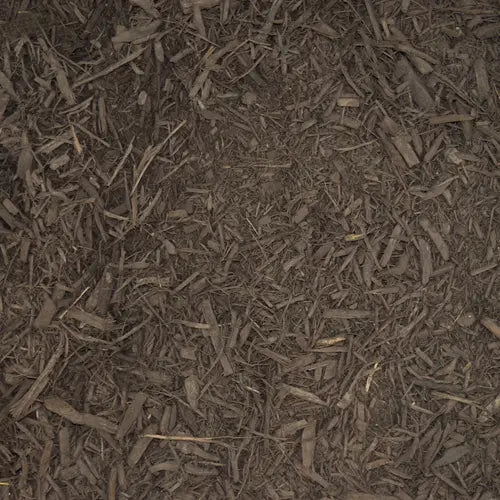
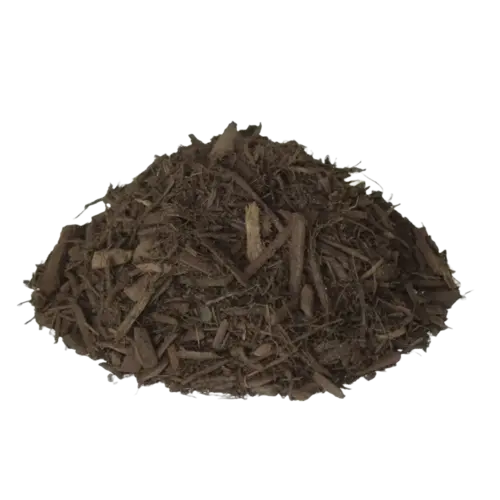
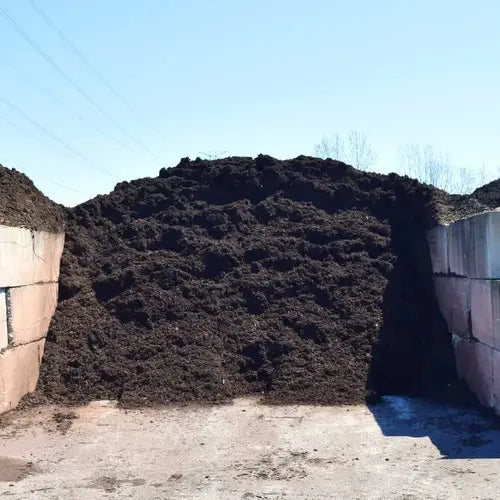
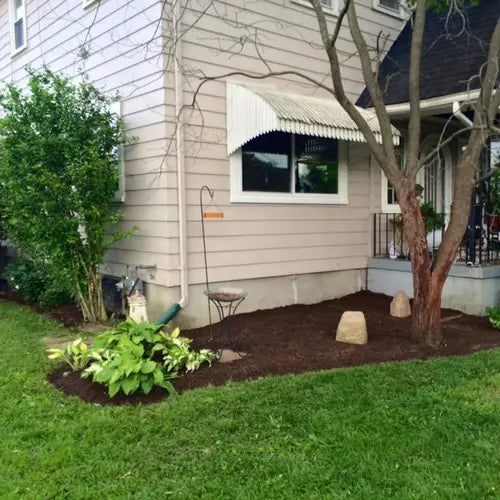
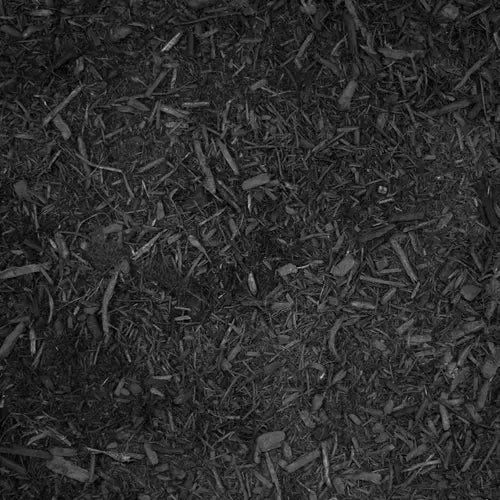
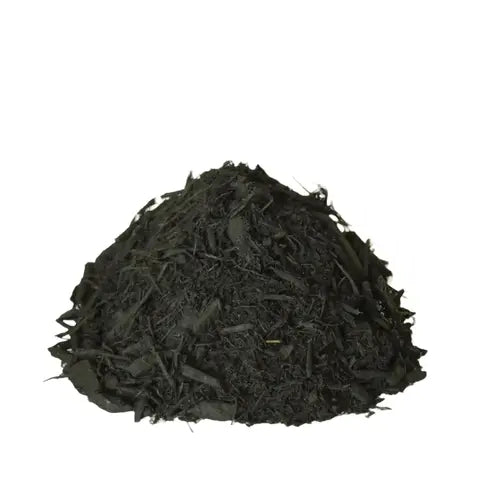
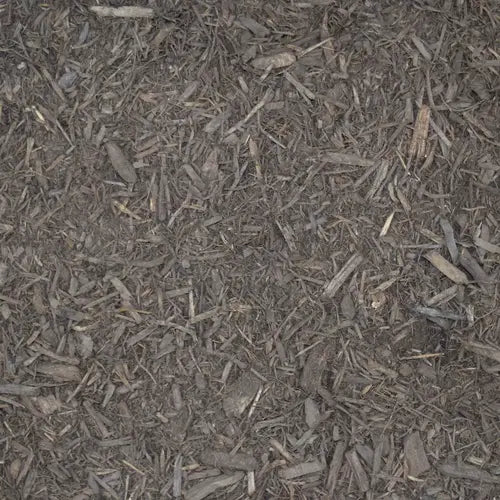
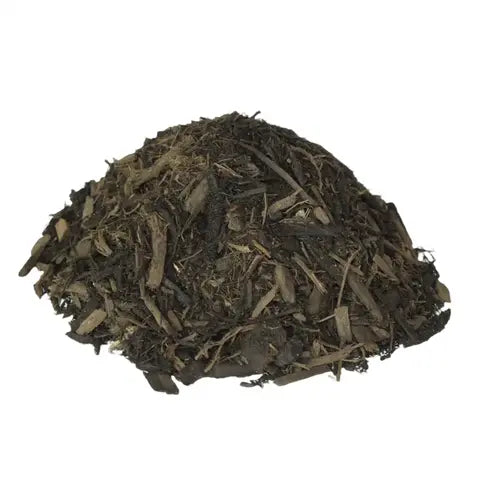
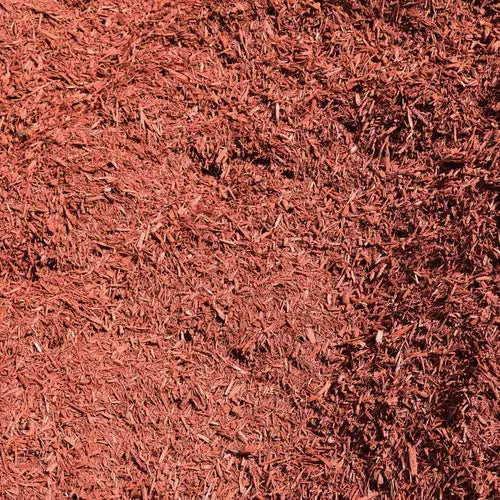
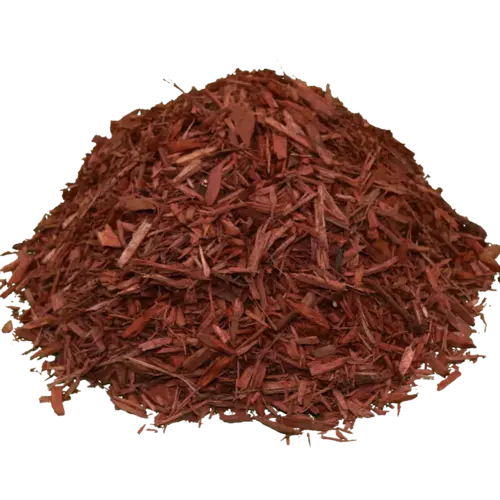
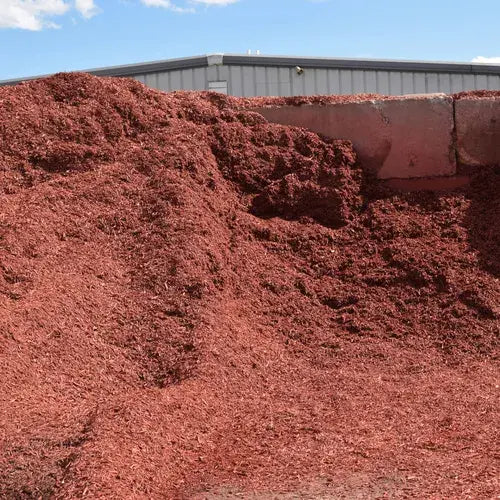
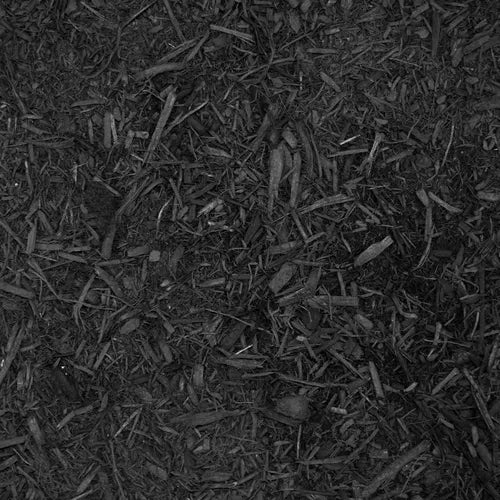
Double-shredded mulch dyed a rich, even brown that holds its color through the season.

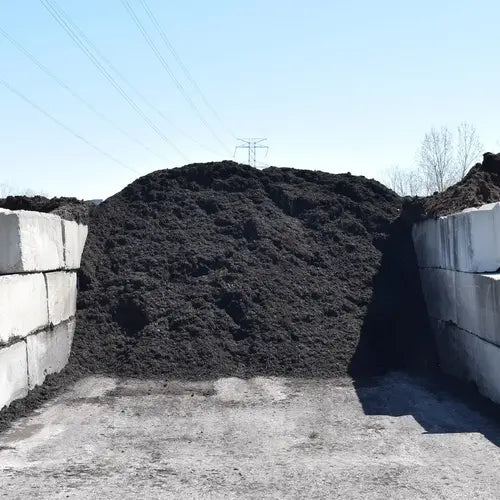
Delivery was on time and great quality Mulch. Got it done in a reasonable time and yard looks great. Couldn’t be happier!!! Thank you and will use again!!

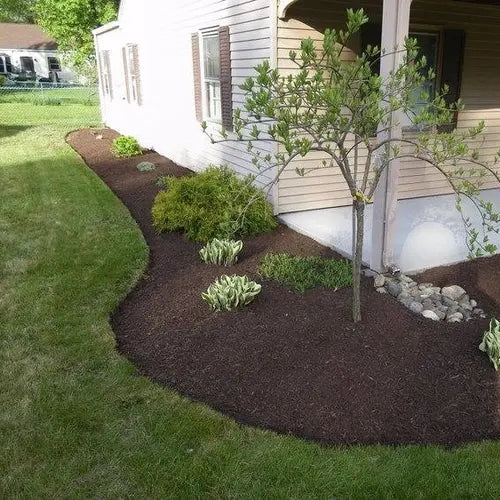
Plan for three to four inches of mulch depth across all planting beds in the Cheyenne area, as that depth retains enough moisture to make a real difference through the dry summer months while still allowing rainfall and irrigation water to penetrate the clay loam below. One cubic yard of mulch covers approximately 80 square feet at a four inch depth.
Use our free mulch calculator

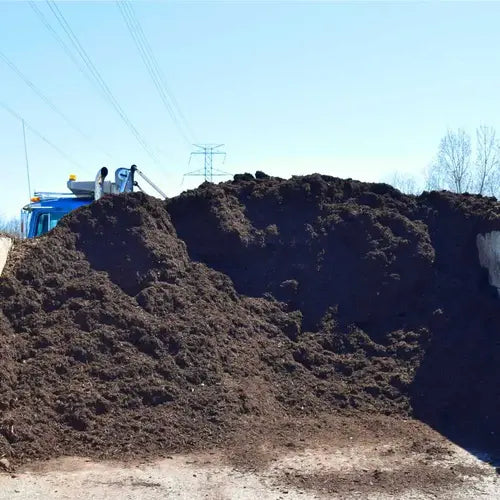
A yard is approximately 27 cubic feet. As a general guideline, one yard of material can cover an area of about 100-160 square feet at a 2-3 inch depth.

Cheyenne Mulch Delivery

Cheyenne Mulch Delivery

4.7
137 reviews
Regular price $55.00 per Yard
Regular price Sale price $55.00
Sale Sold out
Shipping calculated at checkout.
Color
Style
Hand-picked local yards
4,000+ regional deliveries
Dedicated support
Why order through Mulch Mound

The best local , without the guesswork.

We hand-pick and partner with the best yards in your region, keep only the ones our buyers rate well, and back each load with our guarantee.

Mulch Mound Guarantee

If your isn't the quantity or quality you ordered, we'll make it right.

About this mulch

Double-shredded mulch dyed a rich, even brown that holds its color through the season.

Delivery was on time and great quality Mulch. Got it done in a reasonable time and yard looks great. Couldn’t be happier!!! Thank you and will use again!!
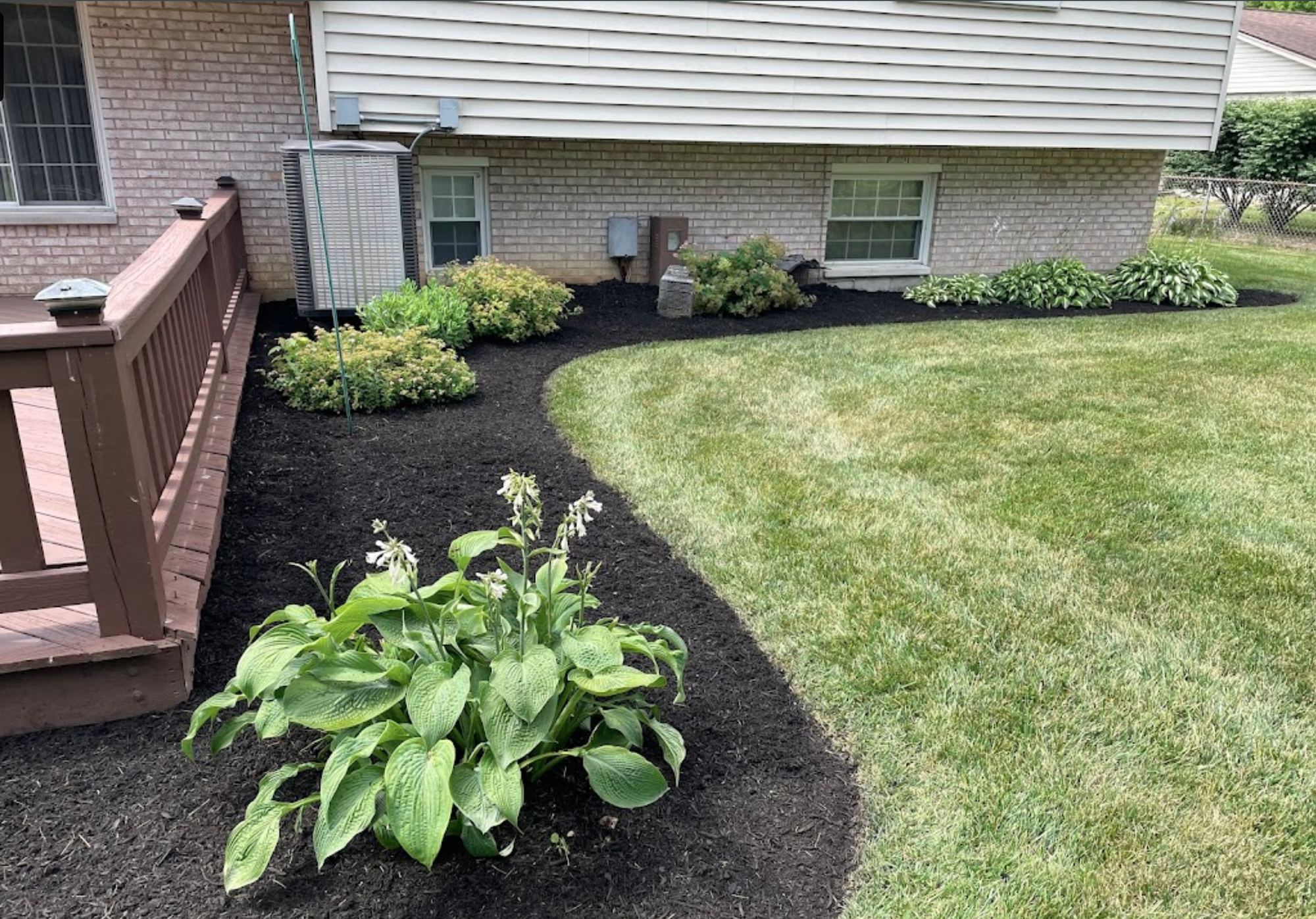
Plan for three to four inches of mulch depth across all planting beds in the Cheyenne area, as that depth retains enough moisture to make a real difference through the dry summer months while still allowing rainfall and irrigation water to penetrate the clay loam below. One cubic yard of mulch covers approximately 80 square feet at a four inch depth.
Use our free mulch calculator

A yard is approximately 27 cubic feet. As a general guideline, one yard of material can cover an area of about 100-160 square feet at a 2-3 inch depth.

View full details

How It Works

Getting started is easy — just follow these simple steps

1

Choose your Mulch

Make sure you adjust the quantity to your home's needs. You can use our calculator to estimate how much you'll need.

2

Select your delivery date

Select a delivery date you'd like for the product to be dropped off at your home

3

Sit back and wait

Sit back, wait, and let us work our magic to make sure the highest quality product is delivered to your driveway.

What Cheyenne Customers Are Saying

4.7
out of 5 based on 137 reviews
Google Reviews

Calculate mulch for your Cheyenne project

For Cheyenne's type of soil, we recommend 2-3 inches for best weed suppression and moisture retention

Try Our Calculator
📍

Measure the length and width of each planting bed in feet and multiply them together to get your square footage, then add all your bed totals before plugging that number into the calculator. For irregularly shaped beds around trees or along curved walkways, break the area into rough rectangles and add them together for a close estimate. Adding five to ten percent to your final number is a smart habit in Cheyenne where wind can shift light mulch during the first few weeks after application.

Mulch vs. No Mulch: The Difference

Cheyenne's climate sits in a rare overlap of high altitude, low humidity, and strong seasonal wind that affects how mulch performs and how long it lasts compared to lower elevation Front Range cities. The same dry air that makes summer days pleasant also slows the microbial breakdown of organic mulch, which means your investment stretches further but also means you are depending on it more heavily to compensate for rainfall that simply is not coming on its own. Choosing the right mulch type for Zone 5b conditions at over 6,000 feet makes a measurable difference in how your plants perform through both the summer dry stretch and the harsh autumn transition.

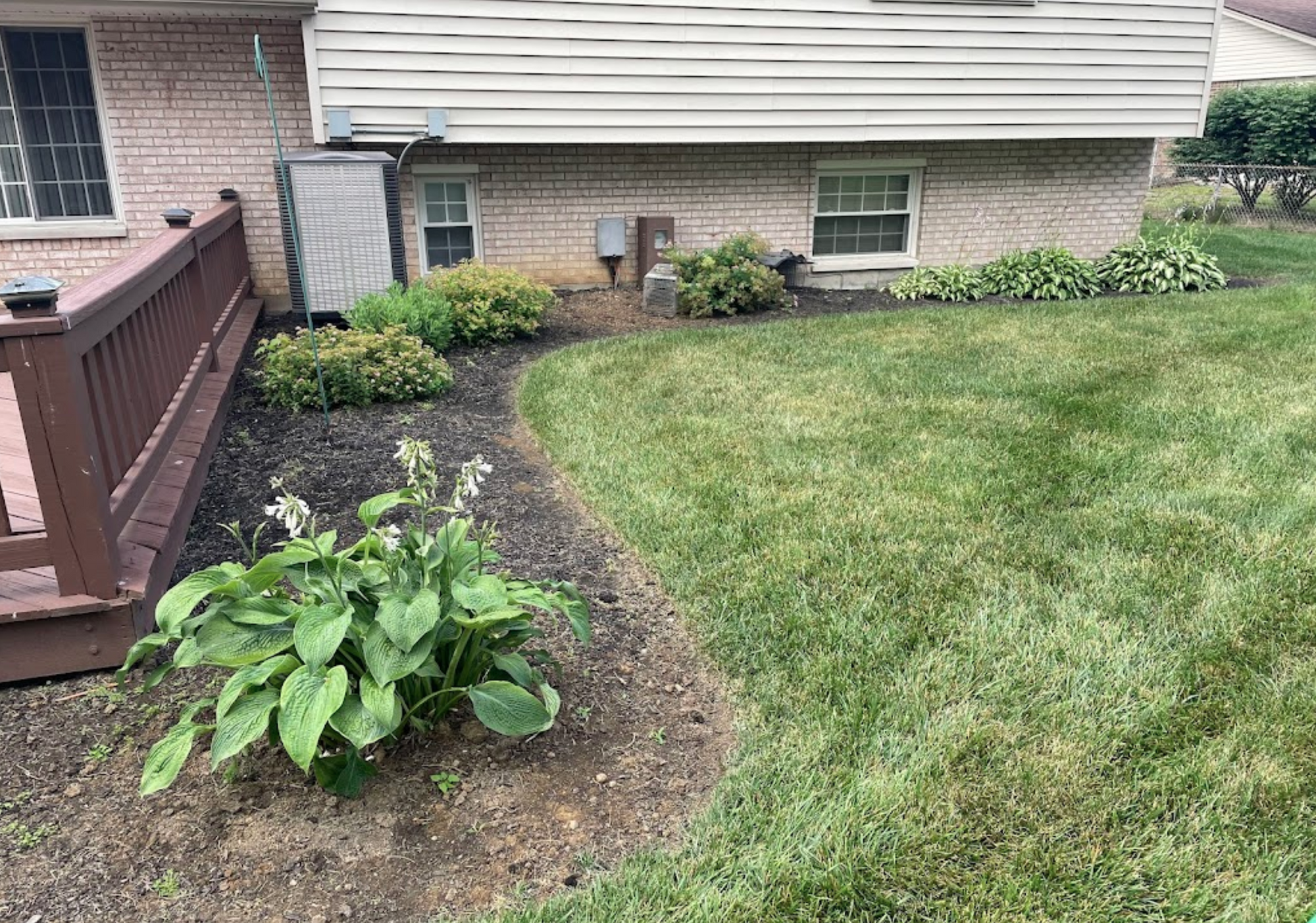
Before image
After image
Slider handle
Before
After

Complete Your Outdoor Mulch Project

If you are refreshing your beds this season, pairing a quality mulch order with a topsoil or amended soil delivery gives your plants the best possible start by improving the clay loam layer before you mulch over it. Many Cheyenne homeowners also order decorative stone for bordering paths and driveways while scheduling their mulch delivery to save on trips.

Map of the mulch delivery area around Cheyenne, Wyoming

Service area

Areas we deliver mulch in Cheyenne, Wyoming

Mulch Mound Pro Tip

Before spreading any mulch this spring, take 20 minutes to pull back your old layer and check what is underneath. In Cheyenne's clay loam soil it is common to find a matted, compacted layer of decomposed mulch that has formed a crust blocking water. Loosen that layer with a garden fork before adding fresh mulch on top and your irrigation water will actually reach the root zone where it belongs instead of sheeting off the surface.

Mulch Mound Pro Tip

Cheyenne's wind is relentless from March through June, and lighter bark fines will scatter across your lawn if you mulch during a gusty stretch. Check the forecast and aim for a calm morning to spread your delivery. A light watering immediately after spreading also helps the mulch particles settle and interlock so the first afternoon gust does not undo an hour of hard work.

Mulch Mound Pro Tip

If you are planting any native high plains species like blue grama grass, rabbitbrush, or penstemon, hold back on heavy mulch applications around their crowns. These plants evolved in exposed, dry conditions and can actually struggle when too much moisture is held around their base. A two inch layer of fine gravel mulch works better for xeric native plants in Cheyenne, reserving the deeper organic mulch for your traditional perennial beds and shrubs.

Frequently Asked Questions

Click a question to see the answer

Answer

How thick should I apply mulch in Cheyenne given how dry and windy it gets?

We recommend applying mulch three to four inches deep in Cheyenne beds. The persistent westerly winds and low annual rainfall of only 16 inches mean a thin layer will dry out and blow away before it ever has a chance to protect your soil. Going deeper than four inches can prevent water from penetrating down to your clay loam base, so that three to four inch range is the sweet spot for our climate.

Answer

My soil is already clay loam. Will adding mulch make drainage worse around my plants?

Applied correctly, mulch actually helps clay loam drainage over time rather than hurting it. As organic mulch breaks down it introduces organic matter into the top layer of your Cheyenne clay loam, which gradually loosens the tight particle structure and gives water somewhere to go. Keep mulch pulled a few inches back from plant stems and you will see improved soil structure within one to two seasons.

Answer

Does mulch really help protect plants from Cheyenne's early October frosts?

Yes, a fresh layer of mulch applied in late September acts as insulation that slows the transfer of cold air down into the root zone. While it will not save tender annuals from a hard freeze, it gives perennials and shrubs a better chance of surviving those first surprise frosts that roll in from the Laramie Range before your plants have fully hardened off. It also keeps the ground from freezing as quickly, which protects shallow roots.

Answer

What is the best time of year to mulch my Cheyenne yard?

The two best windows for mulching in Cheyenne are late May after the last frost has passed and the soil has warmed, and again in late September before that October 5 first frost arrives. The spring application locks in soil moisture heading into your driest summer months, and the fall application insulates roots heading into winter. Skipping one or both of those applications leaves your beds vulnerable during Cheyenne's two most stressful seasonal transitions.

Answer

How much mulch do I need for an average Cheyenne front yard bed?

A typical front yard planting bed in Cheyenne runs somewhere between 150 and 300 square feet. At a four inch application depth you would need roughly 1.5 to 3 cubic yards to cover that range. Use our calculator on this page to plug in your exact measurements, and when in doubt round up slightly because Cheyenne's wind has a way of redistributing mulch over the first few weeks.

Answer

Will cedar mulch actually help keep bugs away from my foundation plantings?

Cedar mulch does contain natural oils that deter certain insects, and that can be a real advantage for foundation beds in Cheyenne where boxelder bugs and earwigs seek shelter along home exteriors in late summer and fall. It is not a complete pest solution, but pairing cedar mulch with proper mulch-to-foundation clearance of at least six inches gives you a meaningful line of defense without any chemical applications.

Answer

How often do I need to replace mulch in Cheyenne's climate?

In Cheyenne's semi-arid climate organic mulch breaks down more slowly than in wetter regions because there is simply less moisture to drive decomposition. Most homeowners find they need to top off beds every one to two years rather than annually. That said, the intense UV exposure at 6,062 feet elevation fades the color of dyed mulches faster than you might expect, so a light cosmetic refresh each spring keeps beds looking sharp even when the depth is still adequate.

The Unique Landscape of Cheyenne

Cheyenne sits at over 6,000 feet elevation with a short growing season squeezed between a May 15 last frost and an October 5 first frost, giving your plants only about 143 days to thrive. The high plains wind that rips across the Front Range pulls moisture out of the soil at a punishing rate, making mulch one of the most important tools a Cheyenne gardener can use. With only 16 inches of annual rainfall, every drop of moisture that stays in the ground counts, and a proper mulch layer can cut surface evaporation dramatically. Cheyenne's native clay loam soil also bakes into a hard crust during dry summer stretches, and mulch acts as a buffer that keeps that crust from forming. Protecting your plant roots through late spring cold snaps and early October freezes is far easier when your beds are covered. Mulch in Cheyenne is not a cosmetic choice, it is a survival strategy for your landscape.