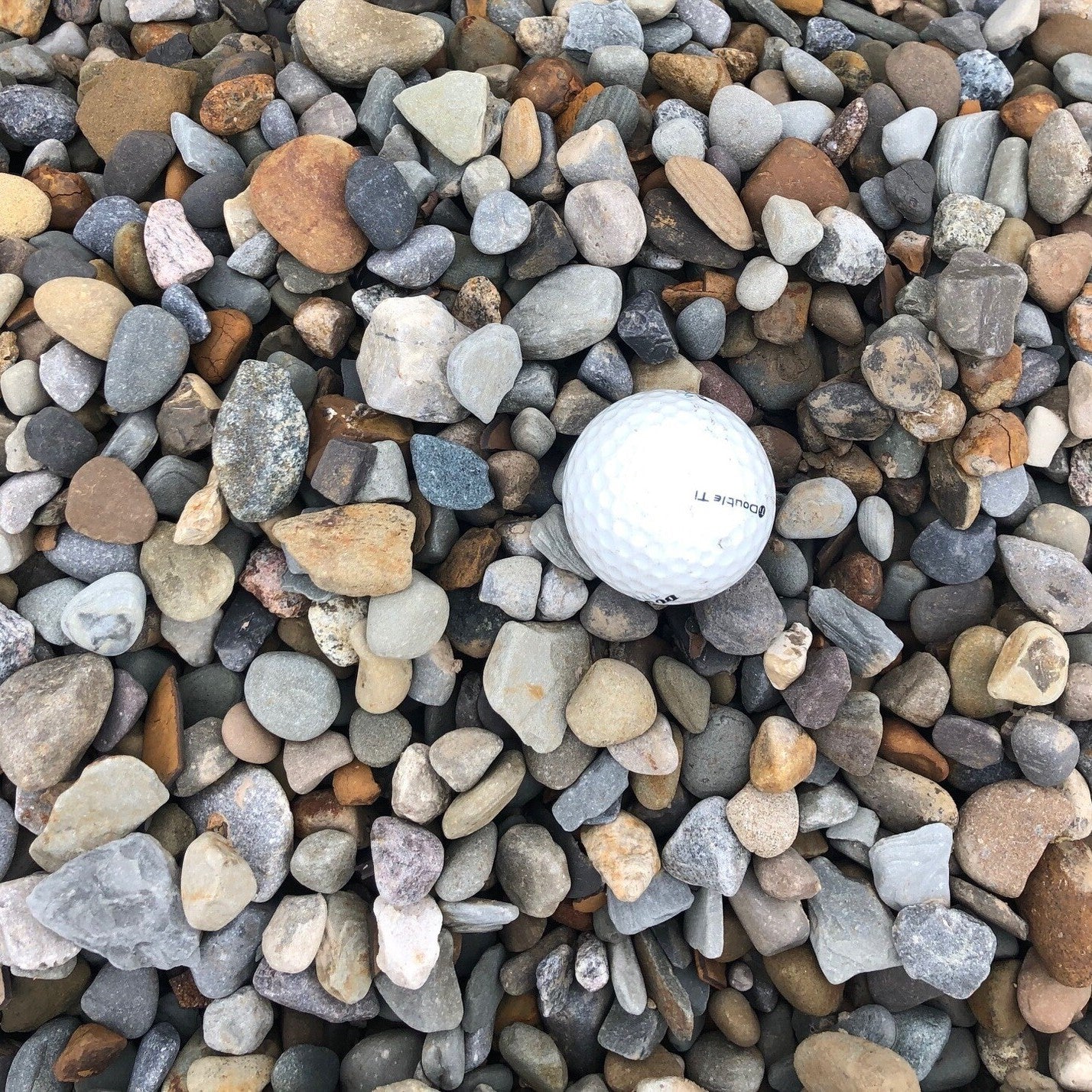
Number 57 crushed stone, angular limestone graded to about three quarters of an inch. The standard driveway, base and drainage gravel, it locks together under traffic and drains fast.
My experience with Mulch Mound was great and super easy. I ordered two yards of screened topsoil and was able to get it delivered within 2 days. They came in my requested time frame (afternoon) and dropped it off where I asked on my driveway. The topsoil was exactly what was a...
Tell us what you're looking for
Thanks! We received your request.
Something went wrong. Please try again.
How Much Material Do I Need?
For decorative groundcover and xeriscape applications in Cheyenne, plan for two to three inches of stone depth to fully cover the soil surface and suppress weeds effectively through the windy spring season. Functional applications like drainage swales and French drain fills should be installed at four to six inches of depth to handle the volume of water that can move during Cheyenne's brief but heavy summer thunderstorm events.
Use our free gravel calculator
What is a Yard?
A yard is approximately 27 cubic feet. As a general guideline, one yard of material can cover an area of about 100-160 square feet at a 2-3 inch depth.
We can't take orders for this right now. Tell us what you need and we'll get back to you.
What do you need?
Thanks! We received your request.
Something went wrong. Please try again.
Hand-picked local yards
4,000+ regional deliveries
Dedicated support
Why order through Mulch Mound
The best local , without the guesswork.
We hand-pick and partner with the best yards in your region, keep only the ones our buyers rate well, and back each load with our guarantee.
Mulch Mound Guarantee
If your isn't the quantity or quality you ordered, we'll make it right.
About this stone
Number 57 crushed stone, angular limestone graded to about three quarters of an inch. The standard driveway, base and drainage gravel, it locks together under traffic and drains fast.
My experience with Mulch Mound was great and super easy. I ordered two yards of screened topsoil and was able to get it delivered within 2 days. They came in my requested time frame (afternoon) and dropped it off where I asked on my driveway. The topsoil was exactly what was a...
How Much Material Do I Need?
For decorative groundcover and xeriscape applications in Cheyenne, plan for two to three inches of stone depth to fully cover the soil surface and suppress weeds effectively through the windy spring season. Functional applications like drainage swales and French drain fills should be installed at four to six inches of depth to handle the volume of water that can move during Cheyenne's brief but heavy summer thunderstorm events.
Use our free gravel calculator
What is a Yard?
A yard is approximately 27 cubic feet. As a general guideline, one yard of material can cover an area of about 100-160 square feet at a 2-3 inch depth.
My experience with Mulch Mound was great and super easy. I ordered two yards of screened topsoil and was able to get it delivered within 2 days. Th...
Read full review
My experience with Mulch Mound was great and super easy. I ordered two yards of screened topsoil and was able to get it delivered within 2 days. They came in my requested time frame (afternoon) and dropped it off where I asked on my driveway. The topsoil was exactly what was advertised, clean with no rocks or other debris. The price was reasonable. I plan to use them again in a couple weeks to order compost for my garden beds.
Really appreciate the care and follow thru that this company had with our order. A hiccup came up but they were quick to respond and address all co...
Read full review
Really appreciate the care and follow thru that this company had with our order. A hiccup came up but they were quick to respond and address all concerns, which made our garden day a success! Thank you for your prompt care.
Measure your project area in length and width to get square footage, then decide on your desired depth, which is typically two inches for a decorative surface application and four inches for a functional drainage or base application. Multiply your square footage by your depth in inches and divide by 324 to get the number of cubic yards needed. Stone is significantly heavier than mulch or soil, so make sure your drop area can handle the weight and that we have clear access to get close to your project zone.
Complete Your Outdoor Stone Project
Stone and gravel projects in Cheyenne pair well with a quality topsoil order if you are simultaneously regrading for drainage before laying your stone. Many homeowners finishing a xeriscape conversion also add a decorative mulch for the planted portions of their yard while using stone for pathways and open groundcover areas, creating a finished look that manages both water and wind across the whole property.
Before spreading any decorative stone in a Cheyenne yard, take the time to establish a firm, compacted base. Cheyenne's clay loam soil expands and contracts with freeze-thaw cycles every spring and fall, and stone laid directly on uncompacted clay will shift and settle unevenly within a season or two. Rent a plate compactor for larger areas or use a hand tamper for smaller beds, and your stone surface will stay level and look polished for years rather than developing the sunken and lumpy appearance that skipping this step produces.
Mulch Mound Pro Tip
If you are using light-colored decorative stone like white marble chip or light tan river rock in a Cheyenne xeriscape, be aware that at over 6,000 feet the UV index is noticeably higher than at sea level and light stone reflects a lot of that radiation upward into plant foliage. Position reflective stone away from the base of plants that are not fully sun-adapted, or mix in some darker stone to absorb rather than reflect heat. This is a small detail that makes a real difference for the health of plants bordering stone groundcover areas.
Mulch Mound Pro Tip
Cheyenne's winters bring significant snow and the snowplow or snow blower passes that come with them can scatter decorative gravel from driveways and paths onto your lawn, where it creates headaches for mowers in spring. Installing a raised metal landscape edging border at least two inches high along the edges of any gravel driveway or path gives the plow blade something to catch before it starts throwing your stone into the turf. It is a simple installation that saves you from picking gravel out of your lawn every April.
The Unique Landscape of Cheyenne
Decorative stone and gravel are among the most practical landscaping materials available to Cheyenne homeowners, and the reasons go well beyond appearance. With only 16 inches of annual rainfall and persistent winds, gravel and stone groundcover stays put and does not require the seasonal replacement that organic mulch does in exposed high plains conditions. Cheyenne's clay loam soil also creates real drainage challenges, and a properly installed gravel bed with the right base preparation can redirect water away from foundations and low spots that would otherwise pool during summer thunderstorms. The intense UV exposure at over 6,000 feet fades colored mulch and synthetic materials quickly, but natural stone maintains its appearance year after year without fading. Stone also does not break down over winter, meaning your landscape looks finished and intentional even through Cheyenne's long brown season from October through April. For xeriscaping projects that match Cheyenne's water-conscious culture, decomposed granite and natural river stone offer a beautiful and genuinely sustainable alternative to traditional mulched beds.
Frequently Asked Questions
Click a question to see the answer
Answer
What size gravel works best for a xeriscape yard in Cheyenne?
For a xeriscape front yard in Cheyenne, three quarter inch to one and a half inch crushed stone or washed river rock gives you the best combination of stability and visual appeal. Smaller pea gravel tends to scatter under foot traffic and can migrate into lawn areas over time, especially in yards with any slope. Many Cheyenne xeriscape projects also incorporate a layer of decomposed granite in planting areas with larger decorative boulders as accent pieces, which mirrors the natural look of the surrounding Wyoming landscape.
Answer
Will putting gravel around my Cheyenne foundation actually help with drainage?
Yes, a properly installed gravel drainage bed along a Cheyenne foundation can make a meaningful difference in keeping moisture away from your basement or crawlspace. The key is to combine the gravel with the right grade, sloping away from the foundation at the recommended six inches of drop per ten feet. Cheyenne's clay loam does not absorb water quickly, so during heavy summer thunderstorms water can accumulate fast and gravel gives it somewhere to move while the clay loam catches up.
Answer
Does landscape fabric under gravel actually work in Cheyenne, or does it just cause problems?
Landscape fabric under decorative stone works well in Cheyenne for suppressing weeds in ornamental areas, but there are limitations to understand going in. Over time, wind-blown dust and decomposed organic material will settle into the gravel surface and create a thin layer where weed seeds can germinate even above the fabric. Cheyenne's windy springs accelerate this process. Plan to blow out or rake your gravel surface every two to three years to remove accumulated debris and keep the weed suppression working effectively.
Answer
How do I keep decorative gravel from washing out of my yard during Cheyenne's summer thunderstorms?
Cheyenne summer thunderstorms can be intense and short, and a poorly contained gravel area will migrate during heavy runoff. The most effective solution is to install a solid border edging material, either metal landscape edging or a mortared stone border, along all downhill edges of your gravel area before you spread the stone. For areas with significant slope, using a slightly larger stone size of one inch or larger also helps because larger stone has more mass and is harder for moving water to displace.
Answer
Is decomposed granite a good option for Cheyenne driveways or parking pads?
Decomposed granite works well for low-traffic Cheyenne driveways and secondary parking pads when it is installed at a depth of four to six inches and compacted properly. It handles the freeze-thaw cycles at Cheyenne's elevation better than you might expect as long as drainage is good underneath, because well-draining decomposed granite does not hold enough water to heave significantly when it freezes. It does require occasional grading after the spring melt season since frost action and snowplow activity can roughen the surface over winter.
Answer
What stone works best for a drainage swale in a Cheyenne backyard?
A drainage swale in a Cheyenne yard should be filled with clean washed river rock in the one and a half to three inch size range, which is large enough to allow fast water movement without being so heavy that installation becomes difficult. The smooth surface of river rock also prevents the swale from clogging with fine sediment as quickly as crushed angular stone would. Line the swale with landscape fabric underneath the rock to keep Cheyenne's clay loam from migrating up into the stone layer over time and restricting flow.
Answer
Can I use decorative stone around trees and shrubs in Cheyenne instead of organic mulch?
Stone can work around established trees and drought-tolerant shrubs in Cheyenne, but it is not a perfect substitute for organic mulch around all plants. Stone absorbs and radiates heat at high altitude, which can raise soil temperatures around plant roots during summer afternoons at a level that stresses plants not adapted to dry rocky conditions. For native species like rabbitbrush, Apache plume, or ornamental grasses, stone looks natural and performs well. For more traditional landscape shrubs, a blended approach with some organic material mixed in or used as a base layer gives better results.
Answer
Is there a stone yard near Cheyenne?
Converting a lawn to xeriscape in Cheyenne means moving a lot of stone, and Mulch Mound brings crushed stone by the cubic yard straight to your driveway or wherever you want it dropped. You order online, so there is no stone yard to find and no loading your own truck at a gravel pit.