Skip to product information
1 of 5

Chicago Soil Delivery

Chicago Soil Delivery

Regular price $75.00 per yard
Regular price Sale price $75.00
Sale Sold out
Type

Figure square footage times depth. In Chicago, shallow fills handle leveling while deeper applications prep beds for planting.
Use our free soil calculator

A yard is approximately 27 cubic feet. As a general guideline, one yard of material can cover an area of about 10 feet by 10 feet at a few inches deep.

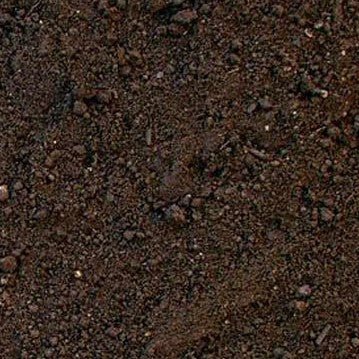
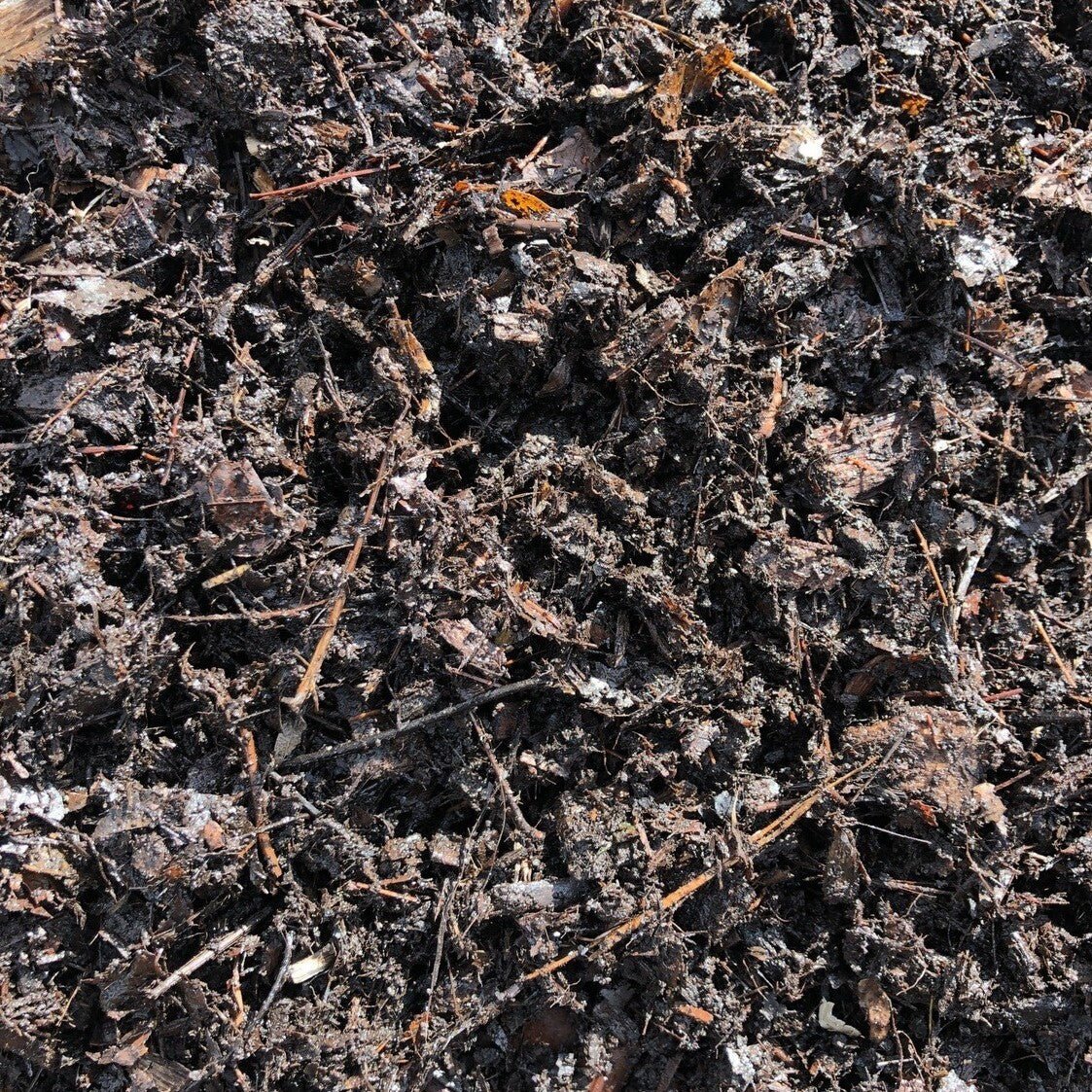
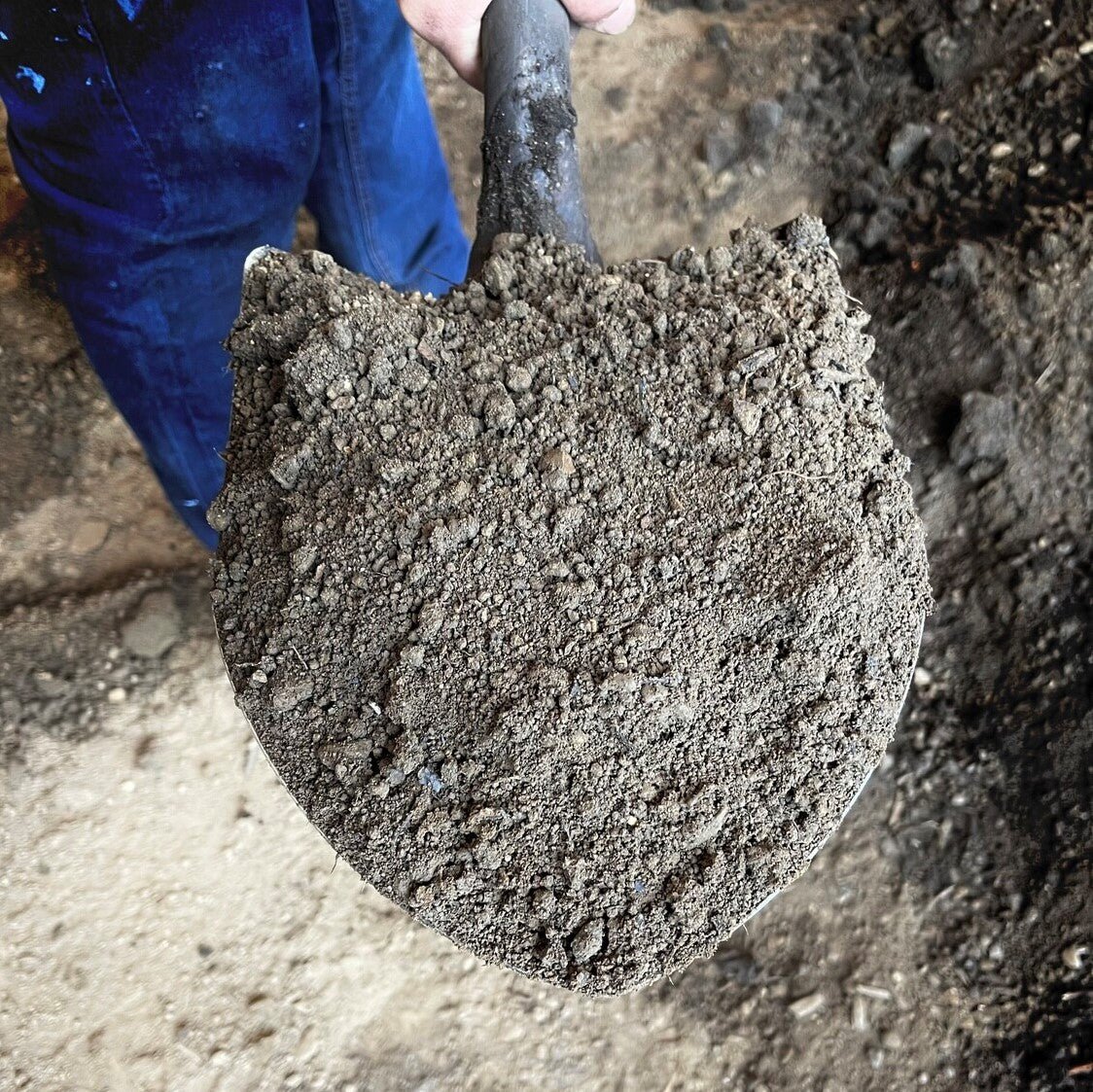
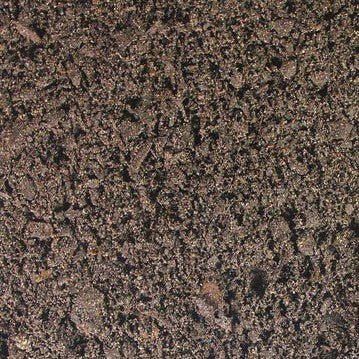
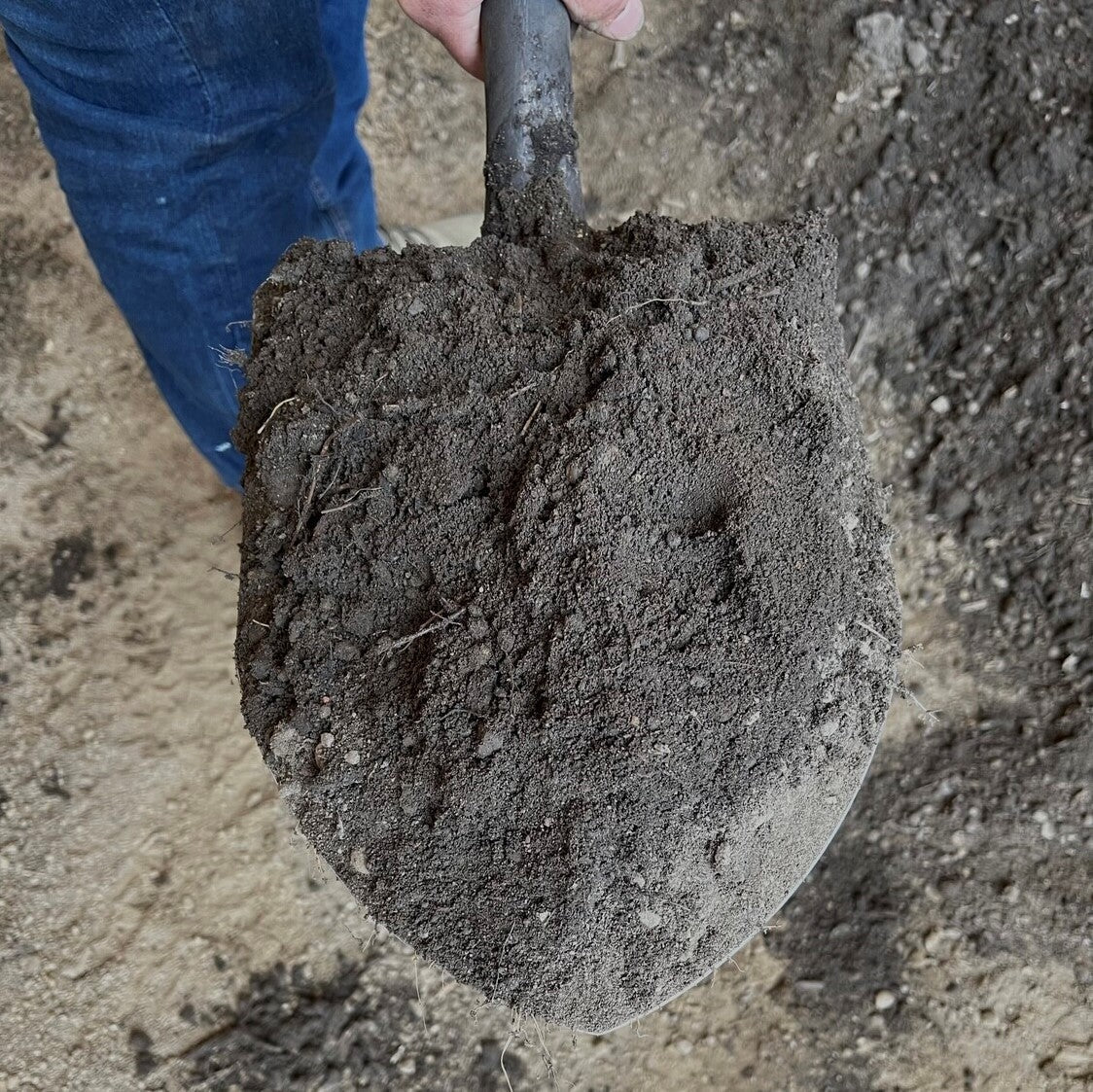
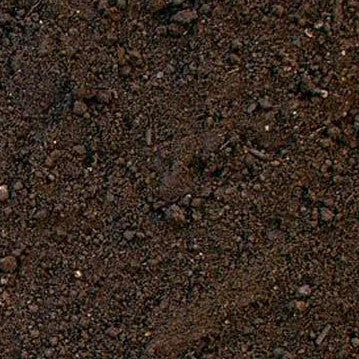
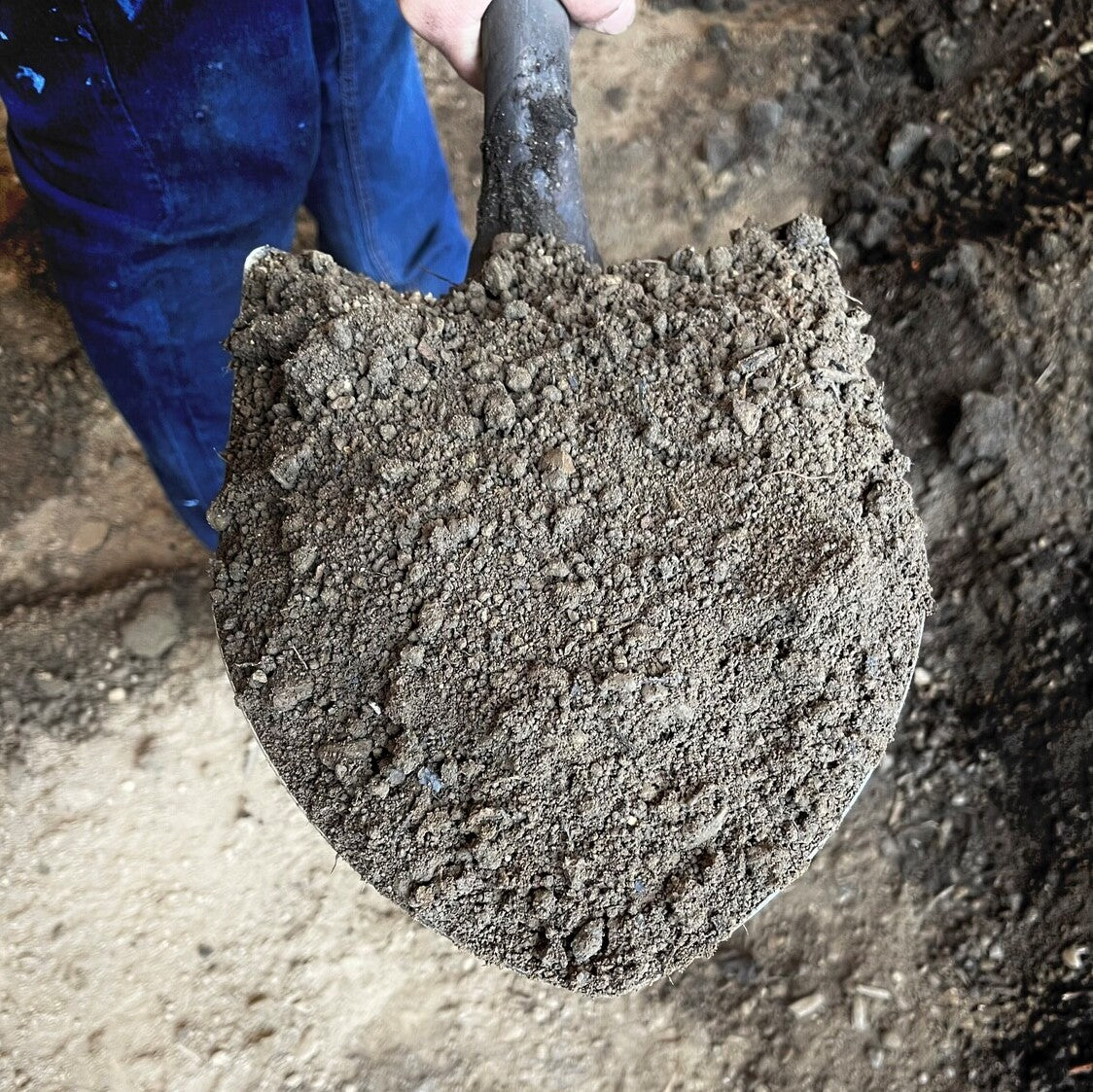
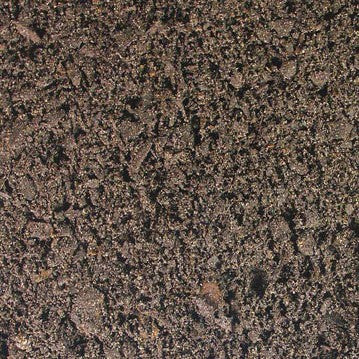
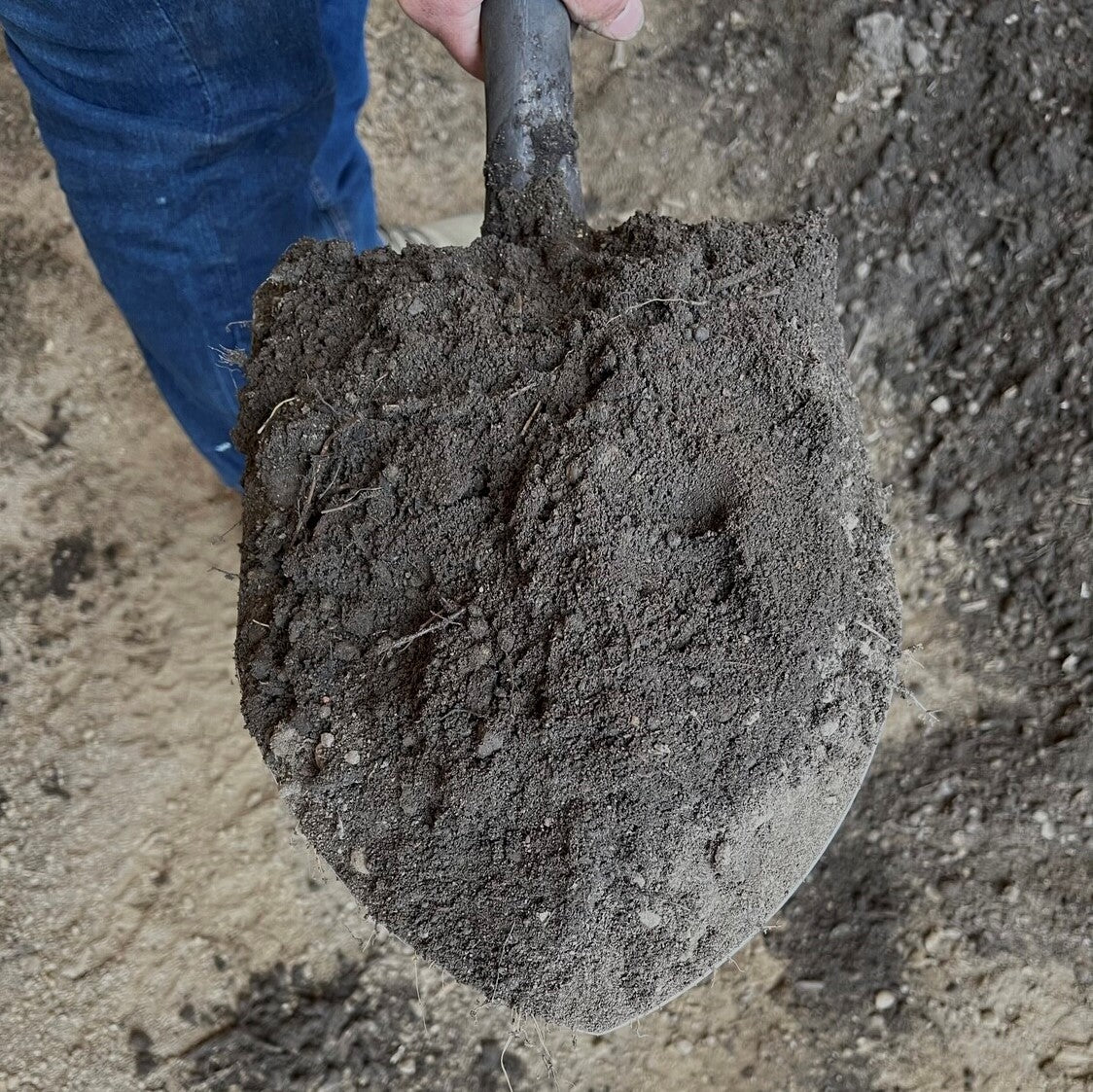
This topsoil is screened to remove rocks and debris, leaving clean material for Chicago projects. Spread it for lawn leveling, mix it into beds, or use it wherever quality soil makes the difference. Quality material makes the difference in Chicago yards. Topsoil that drains well, holds nutrients, and supports root development sets up every planting for success.

View full details

How It Works

Getting started is easy — just follow these simple steps

1

Choose your soil

Make sure you adjust the quantity to your home's needs. You can use our calculator to estimate how much you'll need.

2

Select your delivery date

Select a delivery date you'd like for the product to be dropped off at your home

3

Sit back and wait

Sit back, wait, and let us work our magic to make sure the highest quality product is delivered to your driveway.

What Chicago Customers Like About Our Soil

4.9
out of 5 based on 99 reviews
Google Reviews

Need Help Calculating How Much Soil You Need?

Use our NEW Trace from Satellite tool to get an estimate for your project based on an aerial view of your property

Try Our Calculator
📍

Soil estimates depend on what you're doing: lawn leveling needs less depth, raised beds need more. Trace your project area to get yardage numbers. For Chicago yards dealing with heavy lakefront clay, good soil makes a real difference.

Complete Your Outdoor Soil Project

A complete Chicago landscape needs layers. Soil for planting, mulch for protection, stone for structure. We bring all three in one trip.

Frequently Asked Questions

Click a question to see the answer

Answer

Topsoil vs garden mix—which should I use?

Different jobs: topsoil for fill and grade, garden mix for growing. Chicago's clay responds better to amended garden mix.

Answer

How do I prepare the area before adding soil?

Start by clearing vegetation, then break up compacted ground. With Chicago's clay, this integration step prevents water issues.

Answer

Is bagged soil or bulk better?

For any real project, bulk wins on cost and quality. Bagged soil makes sense only for container work or small patches.

Answer

How do I fix clay soil?

Add organic matter and gypsum. Never add sand to clay—it makes concrete. Compost tilled into the top layer helps over seasons.

Answer

What soil is best for raised beds?

Raised bed mix combines topsoil, compost, and drainage amendments. Better than using Chicago's clay directly—especially for vegetables.

Answer

Is new soil safe for pets?

Plain soil and compost are pet-safe. Wash paws after digging. Avoid soil with added fertilizers if your dog eats dirt.

Answer

How do I fill a raised bed?

Deep beds can start with yard waste at the bottom. Fill remainder with raised bed mix, leaving 1–2 inches of space for mulch.

Mulch Mound Pro Tip

Never spread topsoil over frozen ground during Chicago winters. It will not bond with the frozen soil below and will wash away completely with the first heavy spring rain, wasting your money.

Mulch Mound Pro Tip

Skip the topsoil entirely for topdressing established lawns. Grass cannot push through more than about half an inch of new material. Use fine compost for lawn top-dressing instead of soil.

Mulch Mound Pro Tip

Spread soil when it is slightly moist, not soaking wet or bone dry. Wet soil clumps together and compacts badly under foot traffic. Dry soil blows away in wind and will not blend properly with existing ground.

The Unique Landscape of Chicago

Chicago projects move faster when you can level, plant, and water into a clean soil layer. After wet stretches, beds can crust over or settle unevenly. Helpful for vegetable beds, new borders, and rebuilding spots that eroded or settled. Avoid burying stems and plant crowns; keep soil below them and mulch after planting. Delivery is just the practical part—less lifting and fewer trips.
