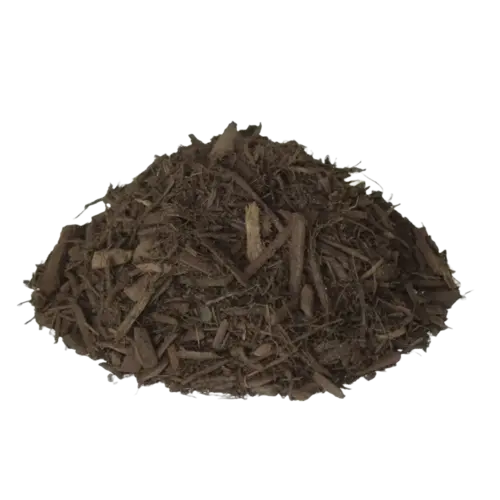
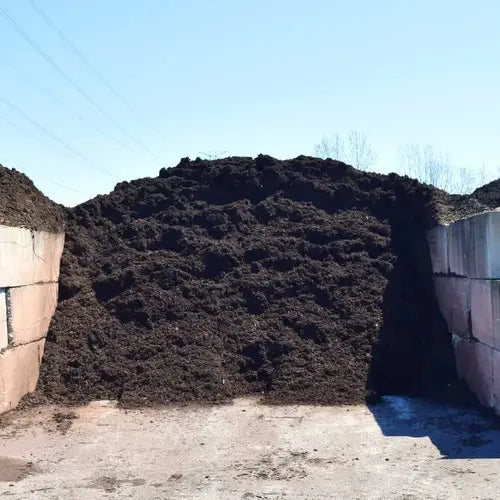
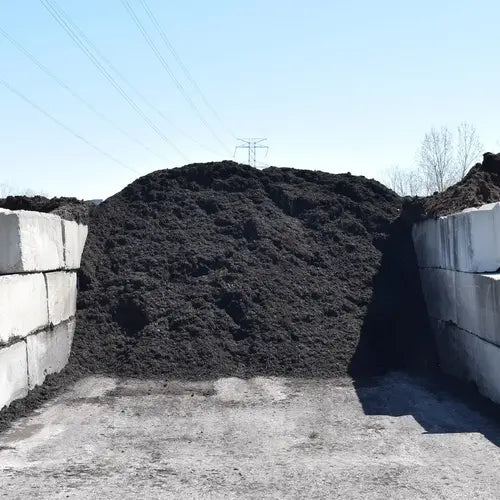
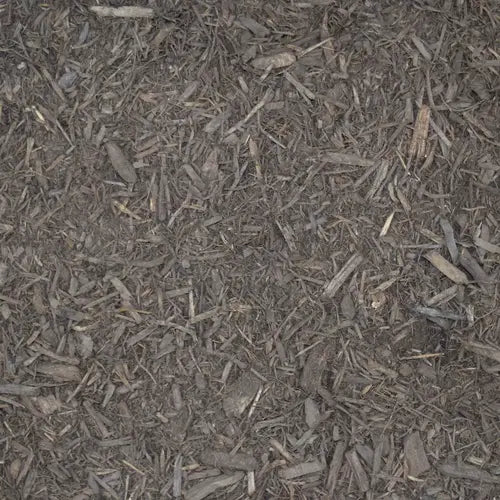
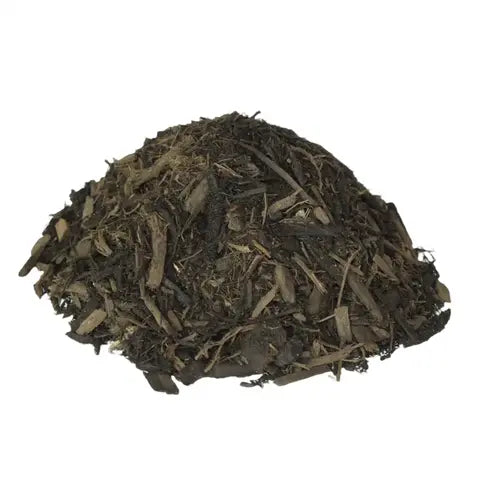
Warm brown double shredded mulch with lasting color that looks freshly applied for weeks. Spreads smooth, stays put, and gives beds a natural, polished appearance.
They offered a quick turnaround and delivered high quality mulch at a reasonable price. They also dropped it off exactly where I told them to put it. Good service!
Tell us what you're looking for
Thanks! We received your request.
Something went wrong. Please try again.
How Much Material Do I Need?
For Claremont's fast-draining sandy loam, apply 3 inches in planting beds and 2 inches around established trees and shrubs to balance moisture retention without smothering roots.
Use our free mulch calculator
What is a yard?
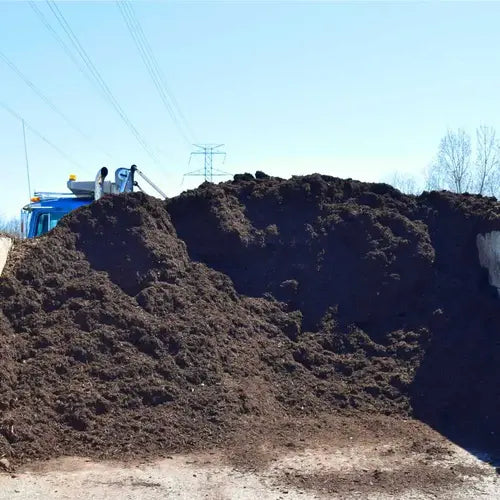
A yard is approximately 27 cubic feet. As a general guideline, one yard of material can cover an area of about 100-160 square feet at a 2-3 inch depth.
We hand-pick and partner with the best yards in your region, keep only the ones our buyers rate well, and back each load with our guarantee.
Mulch Mound Guarantee
If your mulch isn't the quantity or quality you ordered, we'll make it right.
About this mulch
Warm brown double shredded mulch with lasting color that looks freshly applied for weeks. Spreads smooth, stays put, and gives beds a natural, polished appearance.
They offered a quick turnaround and delivered high quality mulch at a reasonable price. They also dropped it off exactly where I told them to put it. Good service!
How Much Material Do I Need?
For Claremont's fast-draining sandy loam, apply 3 inches in planting beds and 2 inches around established trees and shrubs to balance moisture retention without smothering roots.
Use our free mulch calculator
What is a yard?
A yard is approximately 27 cubic feet. As a general guideline, one yard of material can cover an area of about 100-160 square feet at a 2-3 inch depth.
They offered a quick turnaround and delivered high quality mulch at a reasonable price. They also dropped it off exactly where I told them to put i...
Read full review
They offered a quick turnaround and delivered high quality mulch at a reasonable price. They also dropped it off exactly where I told them to put it. Good service!
Great experience! Easy to order, they delivered promptly and were very respectful of the property! Ordered the triple shredded brown mulch and it w...
Read full review
Great experience! Easy to order, they delivered promptly and were very respectful of the property! Ordered the triple shredded brown mulch and it was EXACTLY what I wanted. Very clean product too, no garbage or filler. Already put these guys in my calendar to order from next year! Keep up the good work.
Measure each bed's length and width in feet and multiply for total square footage. Claremont's sandy loam benefits most from a full 3-inch depth, so plan on one cubic yard covering roughly 100 square feet at that depth. Adding up all your beds before ordering saves you from needing a second delivery trip.
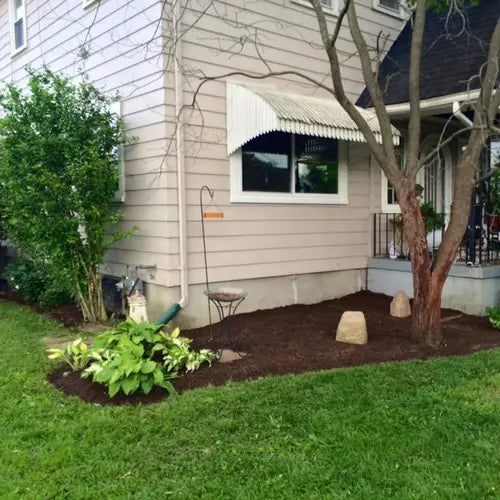
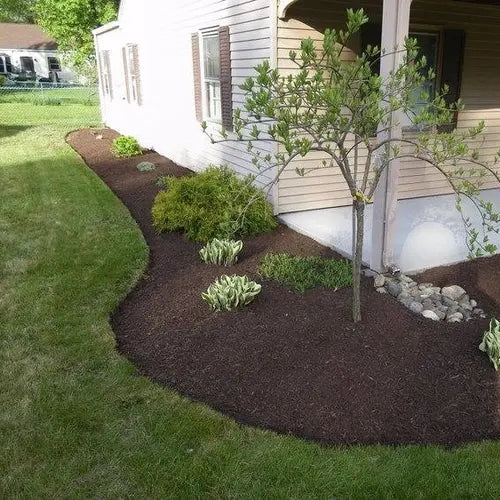
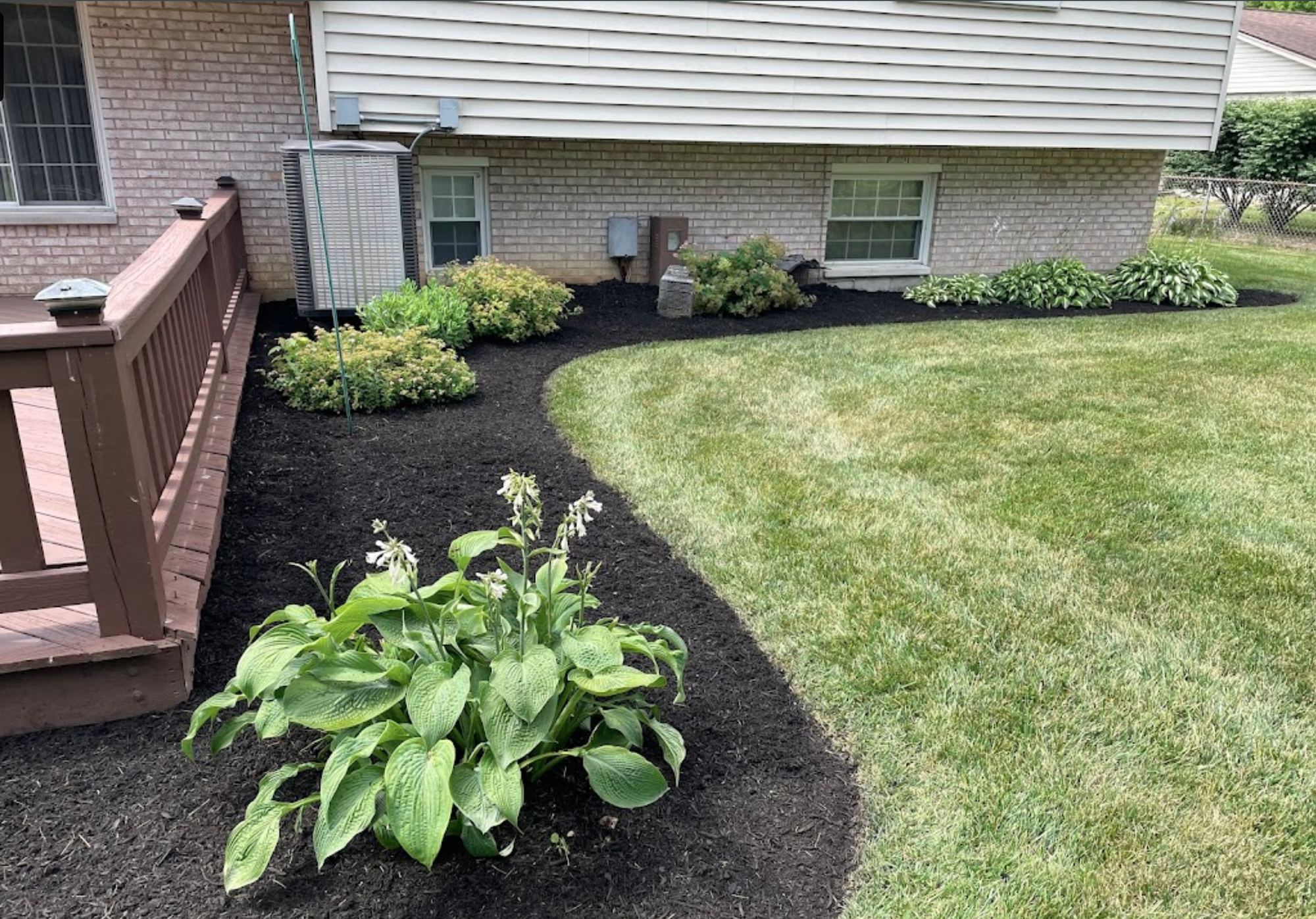
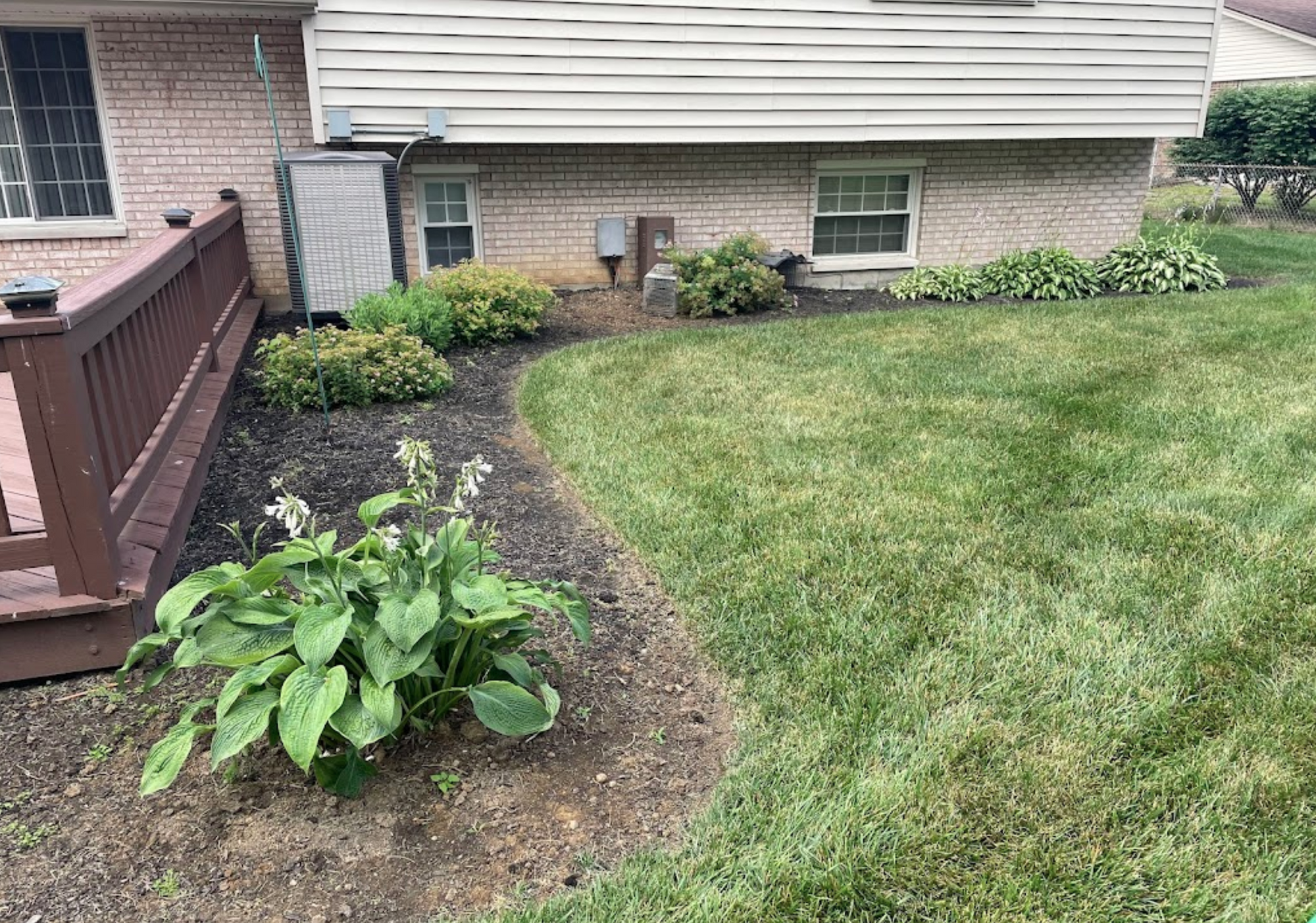
Mulch vs. No Mulch: The Difference
Claremont's freeze-thaw cycles and moist springs accelerate the breakdown of natural hardwood mulch, which works in your favor by feeding organic matter into the sandy loam over time. Dyed mulches break down at a similar rate but hold their color longer into the growing season, making them popular for high-visibility front yard beds. The choice often comes down to whether you want faster soil improvement or longer-lasting curb appeal through Claremont's shorter visual season.
Before
After
Best Mulch Choice for Claremont Lawns
Most yards in the Claremont area sit on Sandy Loam type of soil. Sandy loam soil in Claremont has low organic content and does not grip moisture or nutrients the way heavier soils do, which means plant beds need a consistent mulch layer to stay productive through the growing season.
Hardwood Mulch
Hardwood mulch is especially well suited for Claremont's sandy loam because as it decomposes it releases humus that slowly binds soil particles, gradually improving water retention and creating a richer growing environment over multiple seasons.
Mulch Types We Deliver in Claremont
When you order bulk mulch delivery in Claremont, every yard arrives ready to spread across your beds, borders, and planting areas. We deliver by the cubic yard so you get exactly what your project needs, without bags or waste. New Hampshire's freeze-thaw seasons make a quality mulch layer especially valuable for protecting roots and locking in soil moisture through the warmer months.
Dyed Black Mulch
Available in double shredded style, this bold black mulch creates a sharp contrast against the granite foundations and mixed perennial gardens common throughout this part of New Hampshire. The rich color holds through wet springs and warm summers, and the smooth texture spreads easily around shrubs, trees, and flower beds alike.
Dyed Brown Mulch
Double shredded and dyed for lasting color, this warm brown mulch suits the classic colonial and cape-style homes common in western New Hampshire. The color stays fresh-looking for weeks even after heavy rain, and the fine texture lays flat so beds look neat and well-tended all season long.
Natural Brown Mulch
This undyed double shredded mulch offers an honest earthy tone that fits naturally into the wooded surroundings and mixed hardwood landscapes typical of this region. It pairs well with native plantings and cottage-style gardens, and its smooth consistent texture makes spreading across larger beds quick and even.
Complete Your Outdoor Mulch Project
If your beds have settled or eroded, consider pairing mulch with a fresh layer of our bulk garden soil to rebuild the base before mulching. Stone edging products are also popular in Claremont for keeping mulch in place along walkways and driveways.
Claremont's sandy loam warms up quickly in spring, which is great for early planting, but it also dries out fast once temperatures rise in June and July. Pull mulch a few inches back from plant stems when you first apply it in spring to let the soil warm, then nudge it back in once nighttime temperatures stay consistently above 45 degrees. This small adjustment protects roots without slowing the warm-up your Zone 5b plants need after the long winter.
Mulch Mound Pro Tip
With a first frost arriving around September 27, Claremont gardeners have a shorter window than many regions to prep beds for winter. Apply your fall mulch layer in mid-September rather than waiting until October. That timing lets the mulch settle before freeze-thaw cycles begin, giving perennial roots a more stable insulating blanket through the cold months and reducing heaving in the sandy loam.
Mulch Mound Pro Tip
Claremont receives about 41 inches of rain annually, but the distribution matters more than the total. Spring and early summer tend to bring the heaviest rainfall, while August can turn dry just when plants are setting fruit or storing energy for next year. A consistent 3-inch mulch layer acts as a moisture buffer during those late-summer dry spells, reducing how much supplemental watering sandy loam beds need to stay productive all the way to the first frost.
Frequently Asked Questions
Click a question to see the answer
Answer
How thick should I apply mulch given Claremont's sandy loam soil?
Sandy loam drains quickly and does not hold moisture well on its own, so we recommend applying 3 inches of mulch across all garden beds. That depth gives enough buffer to slow evaporation during dry summer stretches without staying so wet that it promotes rot or mold near plant crowns.
Answer
When is the best time to put down mulch in Claremont?
The ideal time is just after the last frost, around April 15, when the soil has begun to warm. Mulching too early can trap cold and delay root activity in the sandy loam. A second light top-off in early September, before the first frost around September 27, helps insulate perennial roots heading into winter.
Answer
Will mulch wash away during heavy rain events in Claremont?
Claremont receives about 41 inches of rain per year, and some of that comes in heavy spring downpours that can shift lightweight mulch. Hardwood mulch tends to interlock and stay put better than shredded bark on slopes. For beds on grades, consider mixing in a stone border to hold the edges in place.
Answer
Does natural mulch actually improve my sandy loam soil over time?
Yes, and this is one of the biggest benefits for Claremont gardeners. Sandy loam is low in organic matter and loses nutrients through quick drainage. As hardwood mulch breaks down over one to two seasons, it contributes organic material that slowly improves soil structure, helping the ground hold water and nutrients a bit longer each year.
Answer
How often do I need to reapply mulch in Claremont?
At Claremont's elevation and with Zone 5b freeze-thaw cycles, hardwood mulch typically breaks down within 12 to 18 months. Plan to refresh beds every spring after the April 15 frost window has passed. If you used a dyed mulch for color, the pigment fades by late summer so you may want a fresh layer annually for appearance.
Answer
Is colored mulch safe around my vegetable garden in Claremont?
Most modern dyed mulches use iron oxide or carbon-based pigments that are considered safe, but many Claremont gardeners prefer natural hardwood around edible plants just to be cautious. Save the colored options for ornamental beds and use undyed hardwood near vegetables and herbs.
Answer
How much mulch do I need for a typical Claremont front yard bed?
Measure the length and width of each bed in feet, multiply to get square footage, then divide by 12 and multiply by your desired depth in inches. For example, a 200 square foot bed at 3 inches deep needs about 50 cubic feet, which is roughly 2 cubic yards. Our calculator on the product page can handle that math for you.
The Unique Landscape of Claremont
Claremont's sandy loam soil drains quickly, which means plant beds dry out faster than homeowners expect, especially during the drier stretches of summer. With only a short window between the last frost around April 15 and the first frost around September 27, retaining soil moisture during the growing season is critical for root development. A proper mulch layer insulates against Claremont's wide temperature swings, keeping roots warmer during the cool spring shoulder season and cooler during July heat spells. At 561 feet of elevation, winds can accelerate surface drying even when rainfall seems adequate. Claremont receives about 41 inches of rain per year, but that precipitation is not evenly distributed, leaving dry gaps that stress shallow-rooted plants in sandy loam beds. Mulching is one of the most effective ways to bridge those dry spells and reduce how often you need to supplement with irrigation.