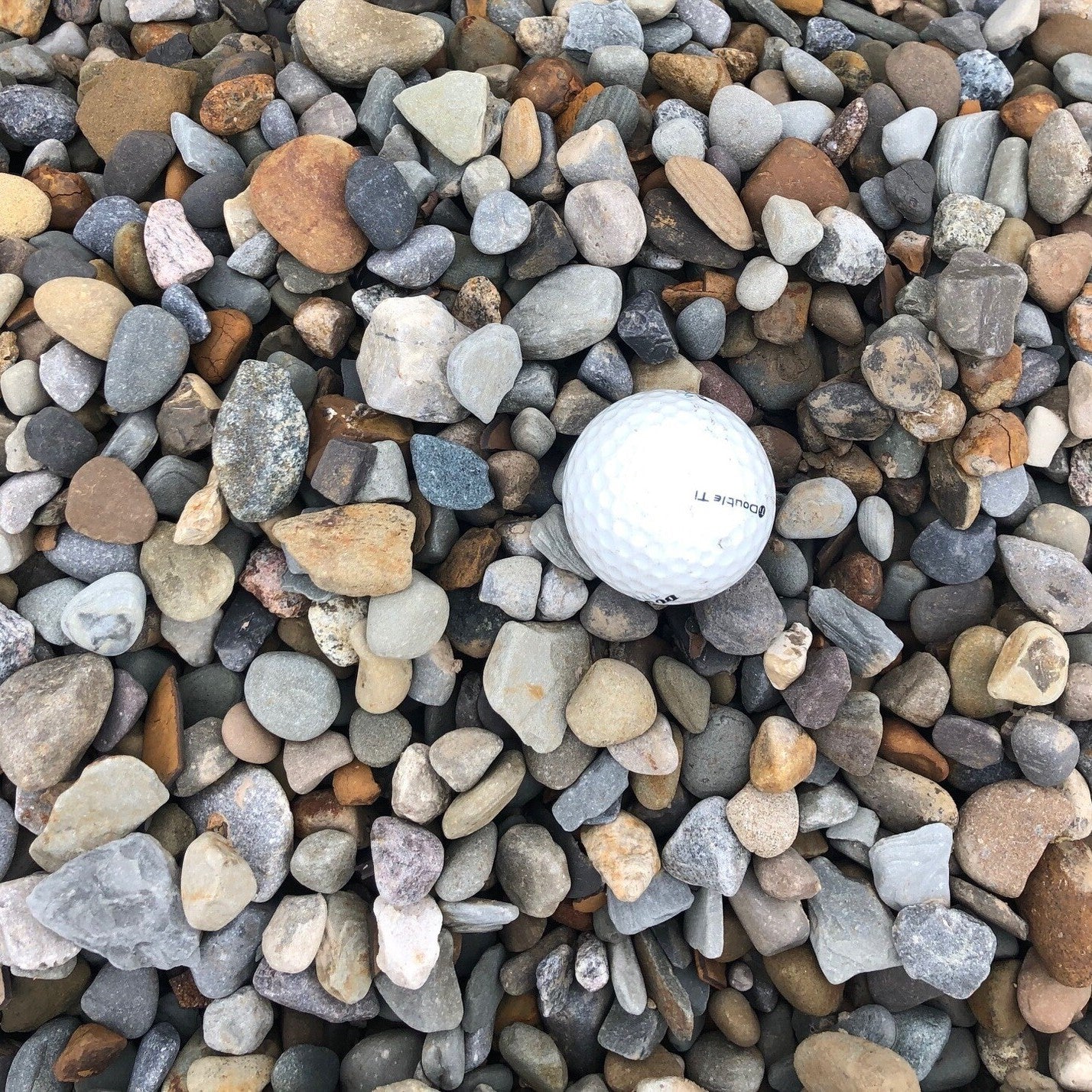
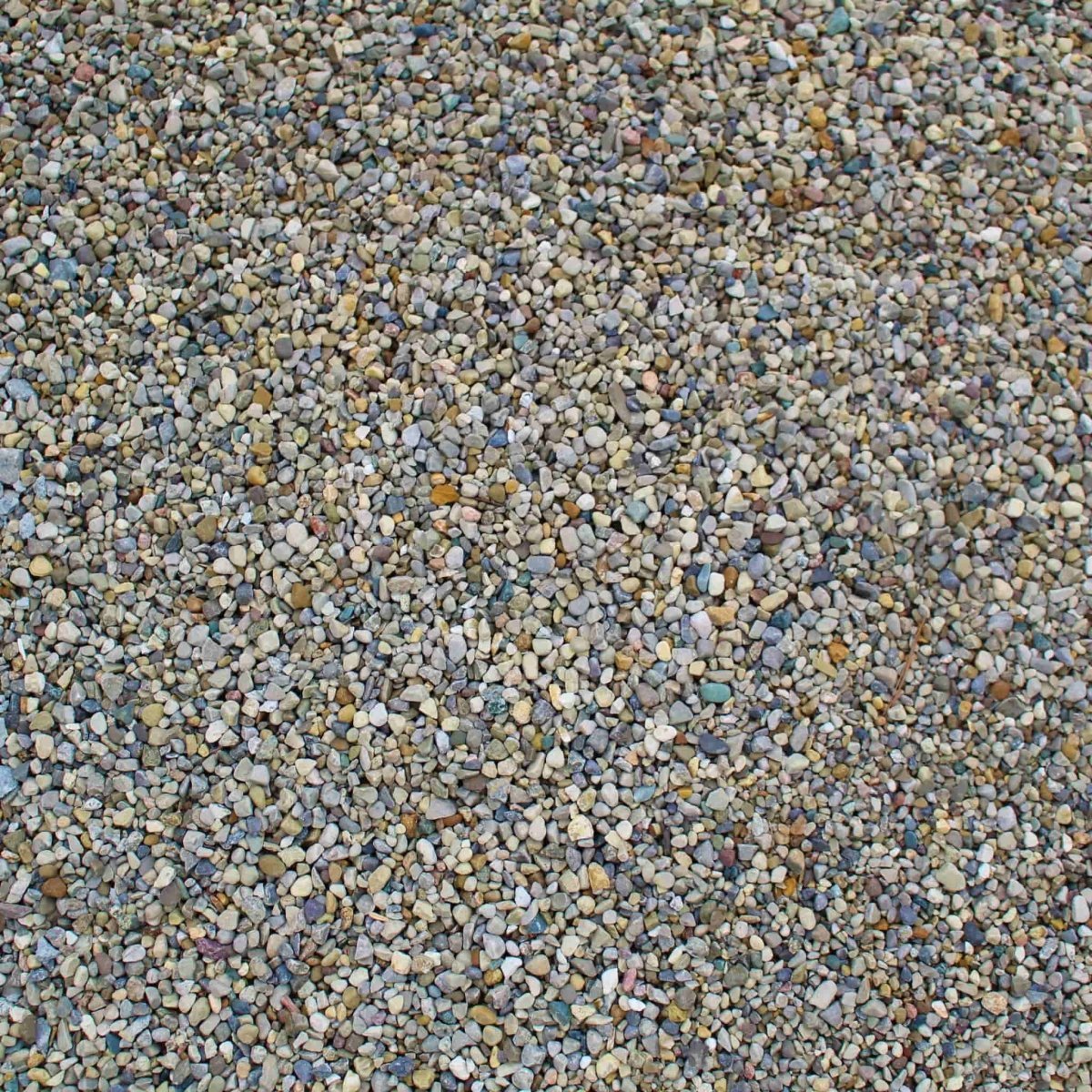
Number 57 crushed stone, angular limestone graded to about three quarters of an inch. The standard driveway, base and drainage gravel, it locks together under traffic and drains fast.
Mulch Mound delivered a yard of pea gravel to us. Delivery was on time, driver was friendly and hit a bullseye on the “tarp target”. We used the pea gravel (which was diameter as specified) to fill several muskrat holes around our pond. I would definitely recommend Mulch Mo...
Tell us what you're looking for
Thanks! We received your request.
Something went wrong. Please try again.
How Much Material Do I Need?
For Claremont pathways and decorative beds, plan for 3 to 4 inches of stone depth. For erosion control on slopes with sandy loam, use 4 inches of crushed stone to adequately slow and redirect runoff.
Use our free gravel calculator
What is a yard?
A yard is approximately 27 cubic feet. As a general guideline, one yard of material can cover an area of about 100-160 square feet at a 2-3 inch depth.
We can't take orders for this right now. Tell us what you need and we'll get back to you.
What do you need?
Thanks! We received your request.
Something went wrong. Please try again.
Hand-picked local yards
4,000+ regional deliveries
Dedicated support
Why order through Mulch Mound
The best local stone, without the guesswork.
We hand-pick and partner with the best yards in your region, keep only the ones our buyers rate well, and back each load with our guarantee.
Mulch Mound Guarantee
If your stone isn't the quantity or quality you ordered, we'll make it right.
About this stone
Number 57 crushed stone, angular limestone graded to about three quarters of an inch. The standard driveway, base and drainage gravel, it locks together under traffic and drains fast.
Mulch Mound delivered a yard of pea gravel to us. Delivery was on time, driver was friendly and hit a bullseye on the “tarp target”. We used the pea gravel (which was diameter as specified) to fill several muskrat holes around our pond. I would definitely recommend Mulch Mo...
How Much Material Do I Need?
For Claremont pathways and decorative beds, plan for 3 to 4 inches of stone depth. For erosion control on slopes with sandy loam, use 4 inches of crushed stone to adequately slow and redirect runoff.
Use our free gravel calculator
What is a yard?
A yard is approximately 27 cubic feet. As a general guideline, one yard of material can cover an area of about 100-160 square feet at a 2-3 inch depth.
Mulch Mound delivered a yard of pea gravel to us. Delivery was on time, driver was friendly and hit a bullseye on the “tarp target”. We used the ...
Read full review
Mulch Mound delivered a yard of pea gravel to us. Delivery was on time, driver was friendly and hit a bullseye on the “tarp target”. We used the pea gravel (which was diameter as specified) to fill several muskrat holes around our pond. I would definitely recommend Mulch Mound to a friend!
Measure the length and width of your stone project area in feet and determine your desired depth. For Claremont pathways and borders, 3 to 4 inches of stone is standard. Multiply length by width by depth in feet, then divide by 27 for cubic yards, keeping in mind that one ton of crushed stone covers roughly 80 to 100 square feet at 3 inches deep.
Stone Types We Deliver in Claremont
When you need bulk gravel by the yard in Claremont, we make it simple with direct delivery right to your driveway or job site. Our stone is sold and delivered by the cubic yard, so you get exactly the volume your project requires without overpaying. New Hampshire's freeze-thaw winters and rocky native soils make choosing the right stone an important decision, and we are here to help you get it right.
Pea Gravel
Pea gravel is one of the most popular choices among Claremont homeowners thanks to its smooth, rounded texture and warm natural earth tones. It works beautifully for garden pathways, patio borders, and drainage beds, and its compact weight makes it easy to spread across the uneven terrain common in this part of New Hampshire.
Complete Your Outdoor Stone Project
Stone borders pair naturally with a fresh layer of bulk mulch inside the bed for a clean, polished finish. If you are grading or filling areas near your stone installation, our bulk topsoil and garden soil blends round out the project nicely for Claremont landscapes.
In Claremont, the transition between late fall and early winter can bring freeze-thaw swings before the ground fully locks up. If you are installing stone pathways or borders, try to complete the project by early October so the base material has time to compact and settle before the hard freezes begin. Stone installed on a compacted base in the fall typically comes through the Zone 5b winter far more stable than stone placed on loose, partially frozen ground.
Mulch Mound Pro Tip
Claremont's sandy loam erodes predictably along the uphill side of structures, along fence lines, and at the base of downspouts where water concentrates. Before spreading decorative stone, walk your property during a moderate rain and note where water flows. Installing stone in those specific runoff corridors does far more erosion control work than spreading it randomly across a bed, and targeting those flow paths reduces how much stone you need to order overall.
Mulch Mound Pro Tip
Stone around Claremont foundations is most effective when it creates a slight grade away from the house. With 41 inches of annual rainfall and heavy spring snowmelt, water that pools against a foundation can cause long-term damage. Spread your stone with a gentle slope away from the building, and pair it with a layer of coarse crushed base stone beneath the decorative surface layer for maximum drainage performance.
The Unique Landscape of Claremont
Stone is one of the most practical landscape materials for Claremont properties because it handles the region's wide range of conditions without demanding much maintenance. Freeze-thaw cycles in Zone 5b can heave and shift softer materials, but properly installed crushed stone and decorative gravel stay stable through Claremont's winters and thaw seasons. With 41 inches of annual rainfall, drainage management is a real concern, and stone pathways and borders create permeable surfaces that guide water away from foundations and low spots naturally. Sandy loam soil in Claremont, while well-draining, can erode on slopes and along driveways where runoff concentrates. Stone acts as erosion control without the maintenance that plant-based solutions require. Whether framing a flower bed, lining a drainage swale, or creating a durable pathway, stone adds function and structure to Claremont landscapes year after year.
Frequently Asked Questions
Click a question to see the answer
Answer
What size stone works best for a walking path in a Claremont yard?
Three-quarter inch crushed stone or pea gravel works well for Claremont foot paths. The smaller size compacts enough to walk on comfortably while still allowing rainfall to drain through rather than pool. Avoid very fine stone dust on paths in Claremont because it can turn muddy during the heavy spring rain events that come with 41 inches of annual precipitation.
Answer
Will stone shift or sink during Claremont's freeze-thaw cycles?
Some movement is natural in Zone 5b, but a properly prepared base minimizes it significantly. Excavate 4 to 6 inches, add a layer of compacted crushed stone base, then top with your finish stone. That depth gets below the worst of the frost action in Claremont's climate and keeps the surface stable through spring thaw.
Answer
Can I use decorative stone instead of mulch around my foundation plants in Claremont?
Yes, and many Claremont homeowners prefer this for low-maintenance beds. Stone does not break down or need annual refreshing the way mulch does, which is appealing in areas with limited access. Keep in mind that stone does not add organic matter to the sandy loam the way mulch would, so foundation beds may need periodic fertilizing if you switch from mulch to stone permanently.
Answer
How much stone do I need to control erosion on a sloped Claremont yard?
For a sloped area, a 3 to 4 inch depth of 1.5 inch crushed stone is typically enough to slow runoff and hold the soil surface. Claremont's sandy loam is prone to surface erosion during heavy rain because the particles are light and loosely bonded. Stone placed at the base of slopes or along concentrated flow paths catches that energy before it removes topsoil.
Answer
Is crushed stone a good choice for a low-maintenance driveway apron in Claremont?
Crushed stone driveways and aprons are popular in Claremont because they handle the freeze-thaw cycle well and require no sealing or crack repair. A depth of 4 to 6 inches of compacted crushed gravel gives a firm, all-season surface that drains well and does not heave as severely as solid paving materials in Zone 5b winters.
Answer
How do I keep stone from spreading into my lawn along a Claremont garden bed?
A rigid or flexible landscape edging installed before you place the stone is the most reliable solution. In Claremont where frost can shift things over winter, use a spiked metal or heavy plastic edging that anchors deeply enough to resist heaving. Check and reset edging each spring after the ground thaws as a regular part of your yard maintenance routine.
Answer
What stone works best for a drainage swale in a Claremont yard?
River rock or 1.5 to 2 inch washed stone works best in drainage swales. It is large enough to stay in place during heavy runoff events, which matter in Claremont given the 41 inches of annual rainfall, and the rounded shape allows water to flow through it efficiently. Line the swale with landscape fabric first to prevent the sandy loam underneath from migrating up into the stone layer over time.
Answer
What is stone dust used for?
Stone dust is fine crushed stone, a quarter inch and down, commonly used as a compactable setting bed under pavers and flagstone or as a firm path surface. Since it sheds water rather than draining, Claremont properties dealing with heavy rainfall or freeze-thaw movement often do better with our Crushed Stone #57 for a free-draining, stable base.
Answer
Is there a stone yard near Claremont?
A drainage path or stone border along a Claremont garden bed is a typical project for crushed stone, and you do not need to find a stone yard for it. Mulch Mound delivers it by the cubic yard and drops it right at your driveway or work area, so there is no loading or hauling from a quarry.