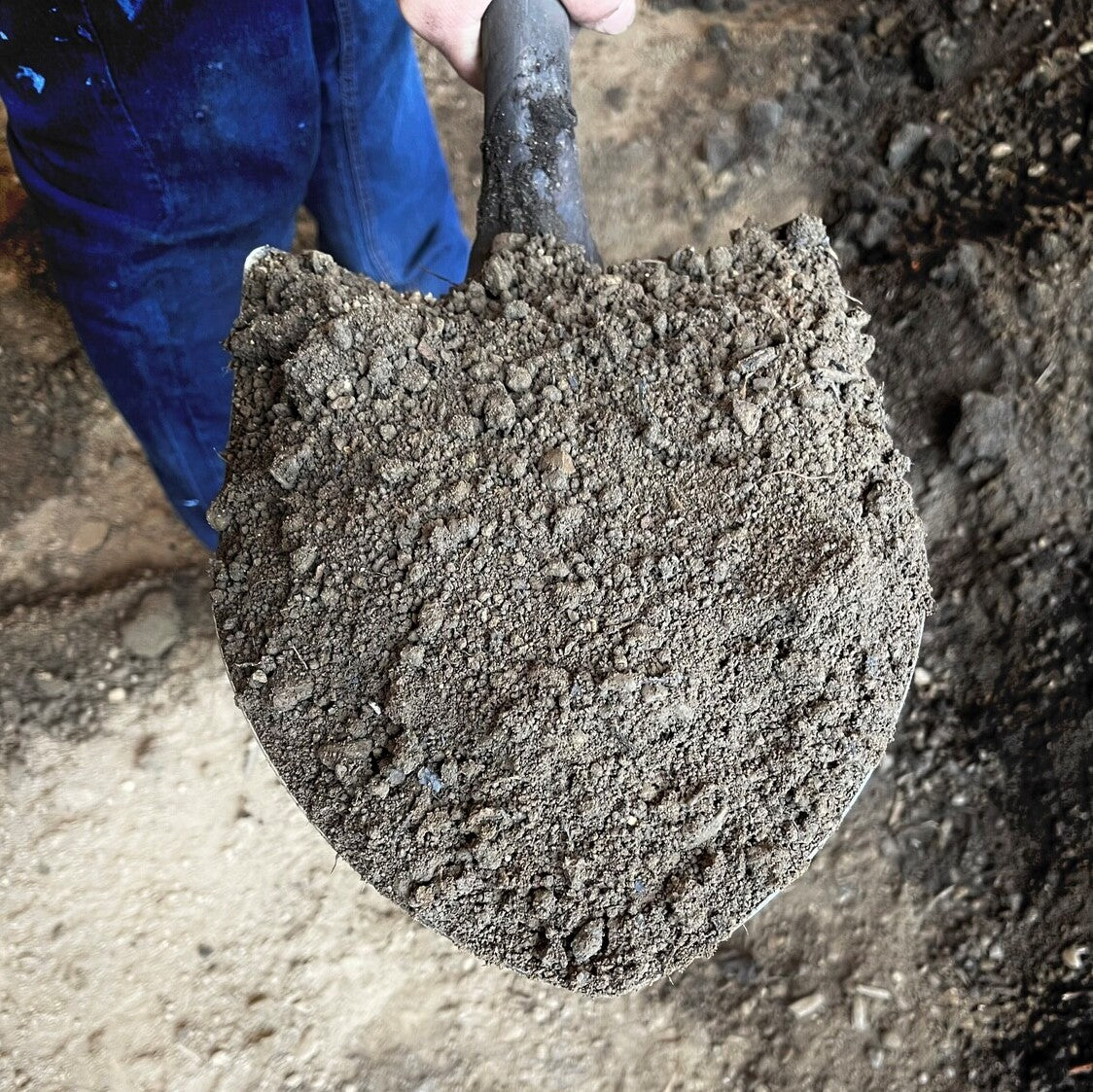
Quality topsoil for lawns, gardens, and landscape projects. Nutrient rich and ready to support strong root development and healthy plant establishment.
I got 3 yards of dirt to create a garden bed on the side of my house and to help fill my new raised garden beds. We had enough dirt to do all of this and fill some holes in the yard! Thanks 😃
Tell us what you're looking for
Thanks! We received your request.
Something went wrong. Please try again.
How Much Material Do I Need?
For Claremont lawn leveling over sandy loam, plan for 1 to 2 inches of screened topsoil. For new planting beds, budget 8 to 10 inches of blended garden soil to give roots a nutrient-rich zone above the native ground.
Use our free soil calculator
What is a yard?
A yard is approximately 27 cubic feet. As a general guideline, one yard of material can cover an area of about 100-160 square feet at a 2-3 inch depth.
We can't take orders for this right now. Tell us what you need and we'll get back to you.
What do you need?
Thanks! We received your request.
Something went wrong. Please try again.
Hand-picked local yards
4,000+ regional deliveries
Dedicated support
Why order through Mulch Mound
The best local soil, without the guesswork.
We hand-pick and partner with the best yards in your region, keep only the ones our buyers rate well, and back each load with our guarantee.
Mulch Mound Guarantee
If your soil isn't the quantity or quality you ordered, we'll make it right.
About this soil
Quality topsoil for lawns, gardens, and landscape projects. Nutrient rich and ready to support strong root development and healthy plant establishment.
I got 3 yards of dirt to create a garden bed on the side of my house and to help fill my new raised garden beds. We had enough dirt to do all of this and fill some holes in the yard! Thanks 😃
How Much Material Do I Need?
For Claremont lawn leveling over sandy loam, plan for 1 to 2 inches of screened topsoil. For new planting beds, budget 8 to 10 inches of blended garden soil to give roots a nutrient-rich zone above the native ground.
Use our free soil calculator
What is a yard?
A yard is approximately 27 cubic feet. As a general guideline, one yard of material can cover an area of about 100-160 square feet at a 2-3 inch depth.
I got 3 yards of dirt to create a garden bed on the side of my house and to help fill my new raised garden beds. We had enough dirt to do all of th...
Read full review
I got 3 yards of dirt to create a garden bed on the side of my house and to help fill my new raised garden beds. We had enough dirt to do all of this and fill some holes in the yard! Thanks 😃
Measure your project area in feet and note the depth you plan to add. For lawn leveling in Claremont, you typically need 1 to 2 inches of topsoil, while new garden beds over sandy loam benefit from 8 to 10 inches of improved soil. Multiply length by width by depth in feet and divide by 27 to convert to cubic yards.
Soil Types We Deliver in Claremont
Claremont's mix of established yards, vegetable gardens, and hillside landscaping creates a steady demand for quality bulk soil delivered right to your property. Whether you are filling raised beds, leveling a lawn, or starting a new planting area, we make it easy to order bulk topsoil by the yard in Claremont without hauling it yourself. We deliver by the cubic yard so you get exactly the volume your project needs.
Screened Top Soil
Our screened topsoil is finely processed to remove rocks, clumps, and debris, making it ideal for lawns, garden beds, and general landscaping across Claremont properties. It arrives nutrient rich and ready to support strong root development, helping plants establish quickly even in the cooler growing seasons common to this part of New Hampshire.
Complete Your Outdoor Soil Project
After soil work is complete, layer our bulk mulch on top of new beds to lock in moisture through Claremont's dry late-summer stretches. Stone borders and pathway material can also finish off graded areas with a clean, low-maintenance edge.
What type of soil works best for filling raised beds in Claremont?
A blended garden mix with compost added is ideal for Claremont raised beds. Because the growing window runs only from mid-April to late September, plants need immediate access to nutrients without waiting for native sandy loam to release them. A rich blend with good drainage lets roots establish fast during the short warm season.
Answer
Can I use bulk topsoil to fix the frost heaves in my lawn?
Yes, and this is one of the most common uses in Claremont. Zone 5b freeze-thaw cycles cause soil to heave and settle unevenly over winter, leaving bumpy, difficult-to-mow surfaces. Screened topsoil raked into low spots in early spring, after the ground thaws but before April 15, levels things out nicely before grass starts growing aggressively.
Answer
When should I apply new topsoil in Claremont if I want to start a lawn from seed?
Early May is the sweet spot in Claremont. By then the ground has thawed, the last frost window has passed, and soil temperatures are rising toward the 50 degrees that grass seed needs to germinate. Applying fresh topsoil at that time gives seed a loose, nutrient-rich bed and enough of the growing season to establish before the September 27 first frost.
Answer
How deep should I go when adding soil to a new garden bed over Claremont's sandy loam?
For annual vegetable gardens, aim for at least 8 to 10 inches of quality soil above the existing sandy loam. Sandy loam does not hold fertility well on its own, so the deeper your improved layer, the more buffer you have for plants that root deeply. For perennial flower beds, 6 inches of amended soil on top is usually sufficient.
Answer
Does bulk soil delivery work for smaller Claremont yards with tight access?
Yes, as long as there is a clear path to drop the load. Most Claremont properties have a driveway or side yard where we can place the pile, and you can then wheelbarrow it to the garden or lawn area. We can discuss access specifics when you schedule your delivery.
Answer
How do I keep new topsoil from washing away during Claremont's spring rains?
Claremont averages 41 inches of rain per year and spring tends to bring some of the heaviest downpours. On sloped areas, apply the soil and seed or plant it as quickly as possible, then cover with a light mulch layer to hold things in place until vegetation establishes. On flatter areas, raking the soil smooth and lightly compacting is usually enough to prevent runoff.
Answer
Is bulk topsoil delivery a better value than bags for a large Claremont landscaping project?
For any project over about 3 cubic yards, bulk delivery is significantly more cost effective and less labor intensive than hauling bags. A typical Claremont raised bed or lawn repair project needs 5 to 10 cubic yards of soil, which would require dozens of heavy bags from a hardware store. Bulk delivery saves both money and time.
Mulch Mound Pro Tip
Claremont's sandy loam is one of the easiest soil types to work with in spring because it drains quickly and does not stay muddy as long as heavier soils. That means you can often get into the yard and start soil prep earlier than other Zone 5b gardeners in the region. Take advantage of that early access window in late April to get raised beds filled and leveled before the planting rush in early May.
Mulch Mound Pro Tip
If you are using bulk soil to level frost heaves in your Claremont lawn, apply it in thin layers rather than all at once. Sandy loam-based lawns that receive a thick soil dump can end up with a layered profile that resists root penetration. Raking one inch at a time and letting it settle between applications gives you a more uniform result that grass roots can grow through naturally.
Mulch Mound Pro Tip
When building new raised beds in Claremont, consider the short growing season from April 15 to September 27. Fill beds with a mix that drains well but also holds nutrients, and orient beds on a south or southeast-facing slope if possible to capture maximum sun during the shortened season. Quality bulk soil with added compost gives you the best shot at high yields within that narrow window.
The Unique Landscape of Claremont
Claremont's native sandy loam is workable and well-drained, but it struggles to hold the nutrients and moisture that productive gardens and healthy lawns depend on. Whether you are building a raised bed, grading a low spot in the yard, or establishing a new lawn after the last frost in mid-April, adding quality bulk soil is often the foundation that makes everything else work. At 561 feet of elevation, Claremont yards can have uneven terrain shaped by decades of frost heave, and fresh topsoil is the practical solution for leveling those problem areas. The growing window between April 15 and September 27 is short enough that plants cannot afford to spend weeks struggling in depleted ground. Bringing in rich topsoil gives transplants and seedlings an immediate nutritional head start when the season finally opens. Good soil also improves drainage in compacted spots while giving loosely structured sandy areas more body and moisture-holding capacity.