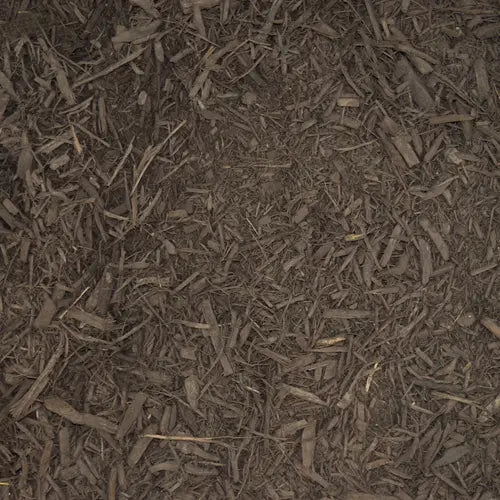
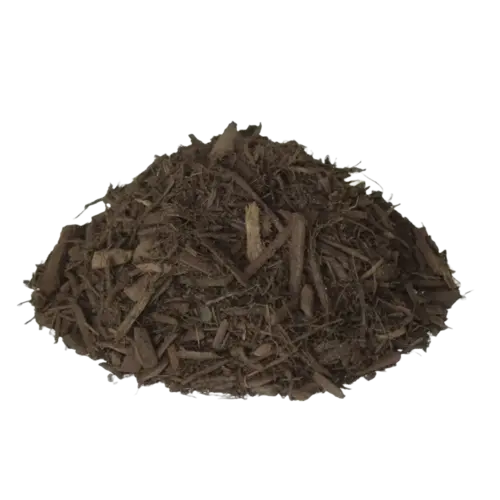
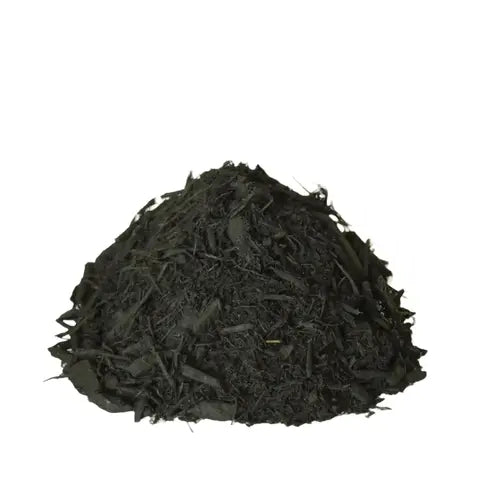
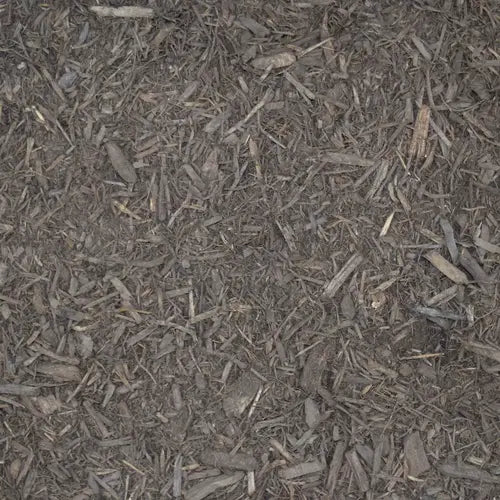
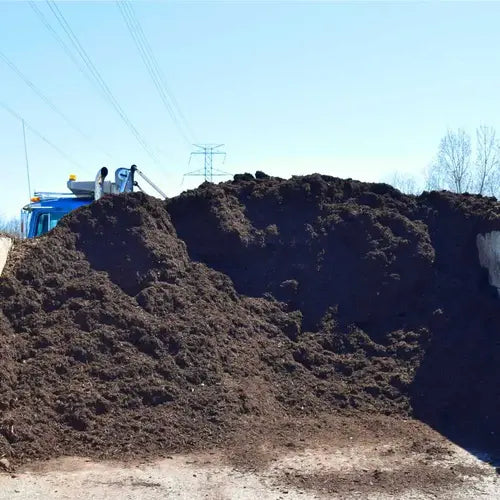
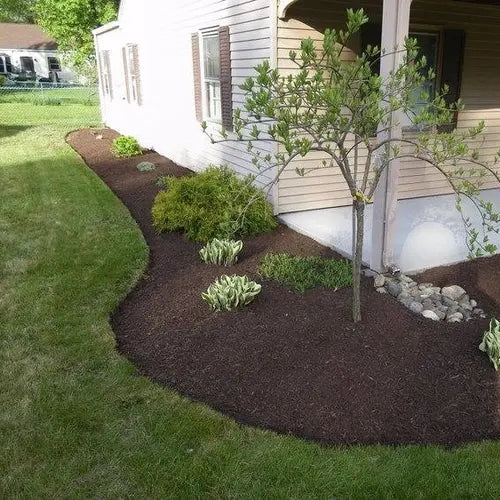
Warm brown double shredded mulch with lasting color that looks freshly applied for weeks. Spreads smooth, stays put, and gives beds a natural, polished appearance.
Good quality, great price, fast delivery. All online - no submitting forms and waiting for days for quotes. Getting mulch should be this easy from everyone. Only Mulch Mound is ACTUALLY this simple.
Tell us what you're looking for
Thanks! We received your request.
Something went wrong. Please try again.
How Much Material Do I Need?
For College Station's clay soil beds, a 3 to 4 inch layer of mulch provides the best balance of moisture retention and weed suppression without smothering plant roots in our dense soil. Beds in full sun or along south-facing walls may benefit from the full 4 inch depth to combat the intensity of our summer heat.
Use our free mulch calculator
What is a yard?
A yard is approximately 27 cubic feet. As a general guideline, one yard of material can cover an area of about 100-160 square feet at a 2-3 inch depth.
We can't take orders for this right now. Tell us what you need and we'll get back to you.
What do you need?
Thanks! We received your request.
Something went wrong. Please try again.
Hand-picked local yards
4,000+ regional deliveries
Dedicated support
Why order through Mulch Mound
The best local mulch, without the guesswork.
We hand-pick and partner with the best yards in your region, keep only the ones our buyers rate well, and back each load with our guarantee.
Mulch Mound Guarantee
If your mulch isn't the quantity or quality you ordered, we'll make it right.
About this mulch
Warm brown double shredded mulch with lasting color that looks freshly applied for weeks. Spreads smooth, stays put, and gives beds a natural, polished appearance.
Good quality, great price, fast delivery. All online - no submitting forms and waiting for days for quotes. Getting mulch should be this easy from everyone. Only Mulch Mound is ACTUALLY this simple.
How Much Material Do I Need?
For College Station's clay soil beds, a 3 to 4 inch layer of mulch provides the best balance of moisture retention and weed suppression without smothering plant roots in our dense soil. Beds in full sun or along south-facing walls may benefit from the full 4 inch depth to combat the intensity of our summer heat.
Use our free mulch calculator
What is a yard?
A yard is approximately 27 cubic feet. As a general guideline, one yard of material can cover an area of about 100-160 square feet at a 2-3 inch depth.
Good quality, great price, fast delivery. All online - no submitting forms and waiting for days for quotes. Getting mulch should be this easy fr...
Read full review
Good quality, great price, fast delivery. All online - no submitting forms and waiting for days for quotes. Getting mulch should be this easy from everyone. Only Mulch Mound is ACTUALLY this simple.
I highly recommend Mulch Mound. The quality of the mulch is very good. The ordering system on their website makes it very easy. The delivery driver...
Read full review
I highly recommend Mulch Mound. The quality of the mulch is very good. The ordering system on their website makes it very easy. The delivery driver did a great job placing the mulch on the driveway. To finish off, the pricing was very reasonable as well.
They offered a quick turnaround and delivered high quality mulch at a reasonable price. They also dropped it off exactly where I told them to put i...
Read full review
They offered a quick turnaround and delivered high quality mulch at a reasonable price. They also dropped it off exactly where I told them to put it. Good service!
To estimate the right amount of mulch, measure the length and width of each bed in feet and multiply those numbers together to get square footage. In College Station, where summer heat demands a full 3 to 4 inch coverage, divide your total square footage by 100 to get a rough cubic yard estimate at 3 inches deep. Add a little extra if your beds have irregular shapes or include sloped areas common near the drainage swales found throughout many College Station neighborhoods.
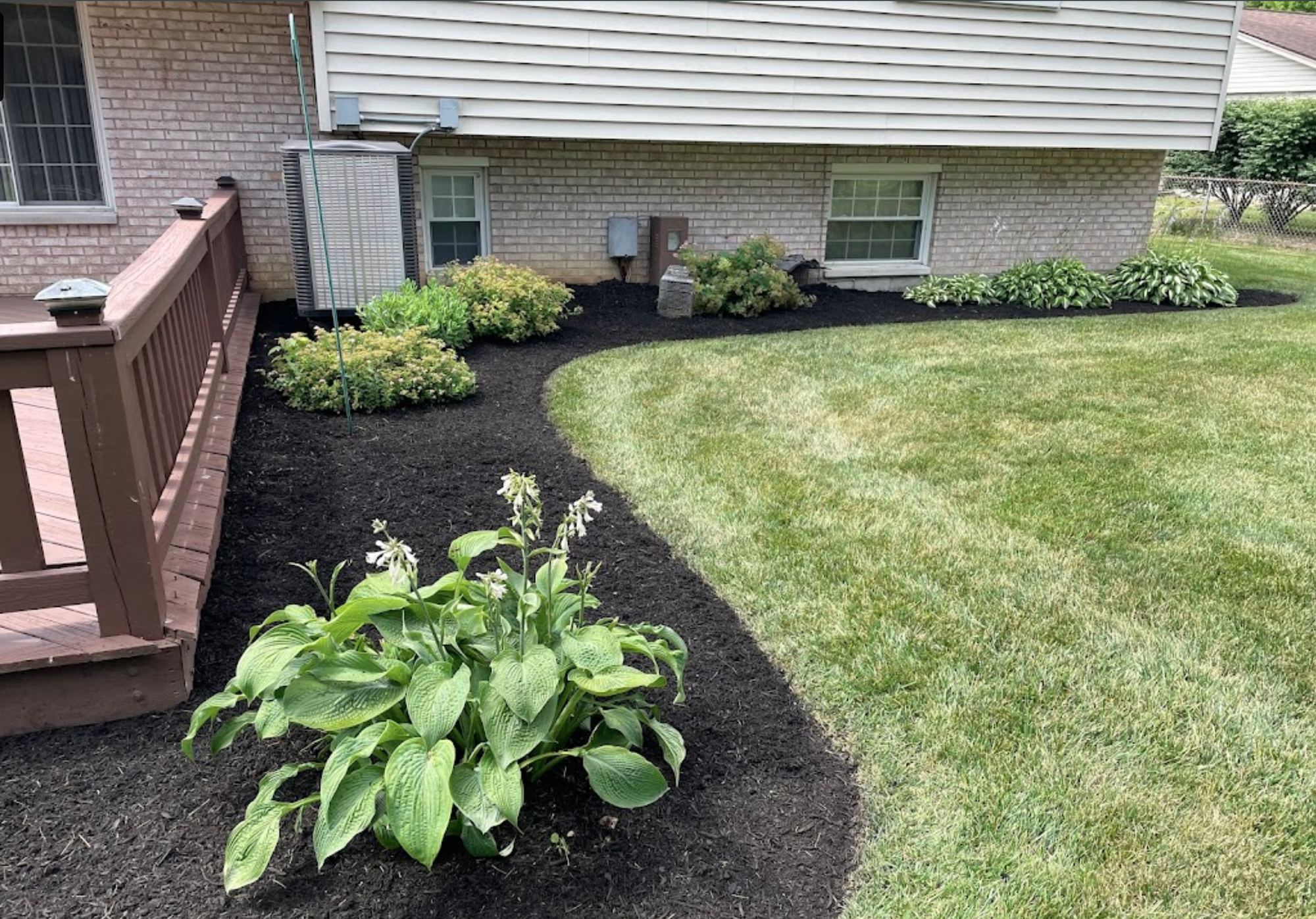
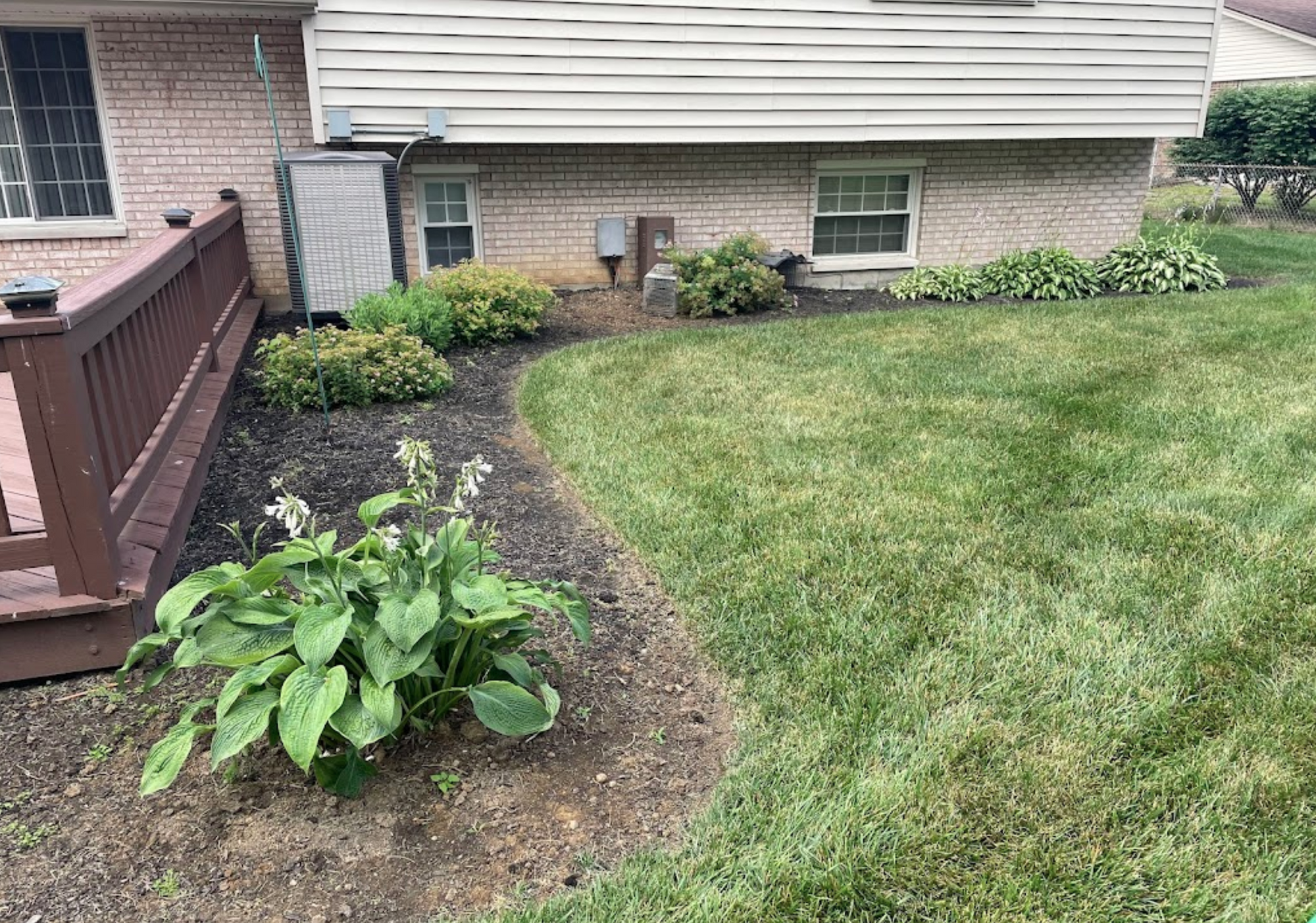
Mulch vs. No Mulch: The Difference
College Station's heat and humidity create an environment where organic mulches break down faster than in cooler, drier regions, which means natural hardwood mulch will cycle nutrients into your clay soil more actively but will need more frequent replenishment. Dyed or colored mulch options use processed wood that decomposes at a similar rate but retains visual appeal longer through the sunny summer months. Choosing between the two often comes down to whether you prioritize long-term soil improvement or a consistently polished appearance in your landscape beds.
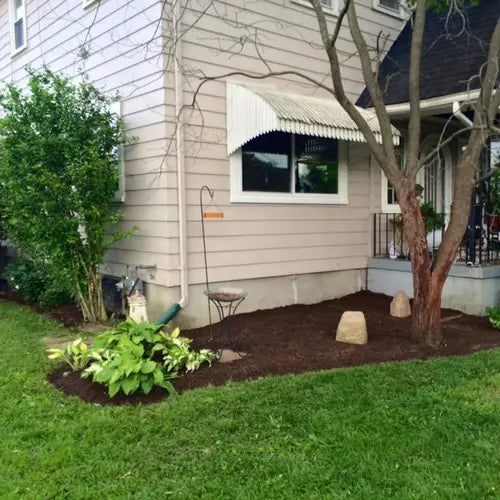
Before
After
Best Mulch Choice for College Station Lawns
Most yards in the College Station area sit on Clay type of soil. College Station's clay soil compacts easily under both foot traffic and heavy seasonal rains, making it difficult for plant roots to expand and for water to penetrate the soil surface in garden beds.
Hardwood Mulch
Hardwood mulch is particularly well-suited to College Station clay soil because as it decomposes, it adds organic matter that gradually loosens the clay's tight particle structure, improving both drainage and the soil's ability to support healthy root development over multiple growing seasons.
Mulch Types We Deliver in College Station
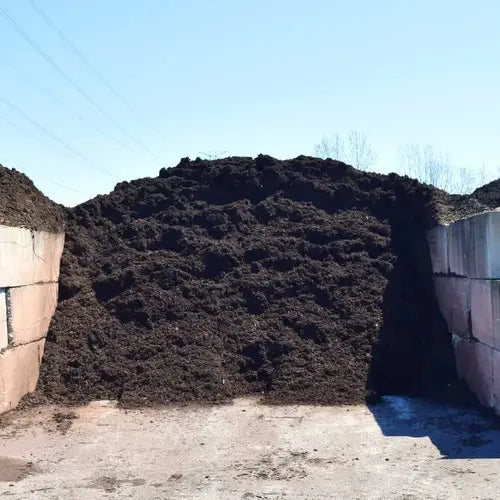
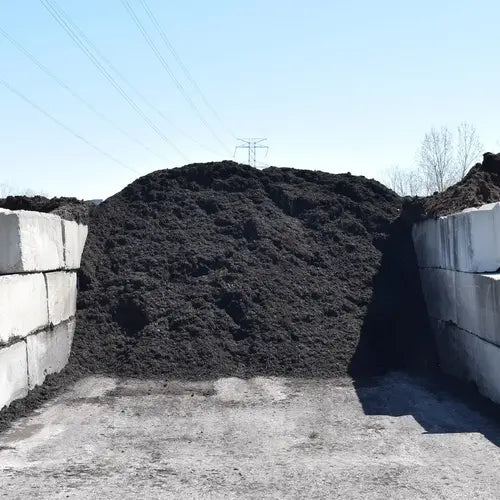
Bulk mulch delivery in College Station means getting the cubic yards you need dropped right at your property, without hauling bags from a store. The region's hot, humid summers and clay-heavy soils reward a fresh mulch layer every season, helping beds hold moisture and stay weed-free. We carry dyed and natural varieties so every yard gets the look and performance it needs.
Dyed Black Mulch
Our double shredded dyed black mulch creates a bold contrast against the warm-toned brick and stone common on Central Texas homes. The rich color holds through rain and intense summer sun without fading quickly, and the fine texture spreads evenly over large beds. It suits anyone who wants a clean, high-contrast landscape look.
Dyed Brown Mulch
Warm brown double shredded mulch blends naturally with the red clay and sandy loam tones typical of area soils, giving beds a tidy, cohesive appearance. The lasting color stays fresh-looking for weeks even under the Texas sun, making it a top pick for homeowners who want low-maintenance curb appeal.
Natural Brown Mulch
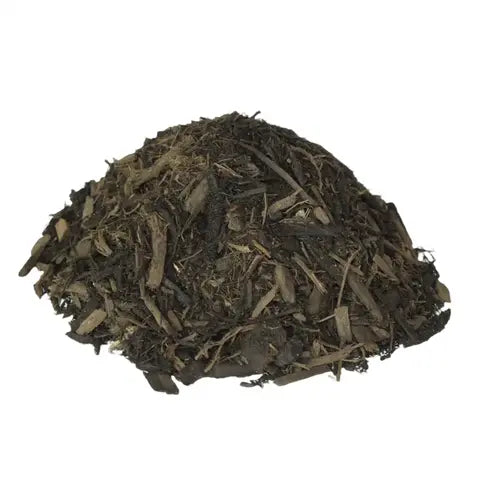
Double shredded natural brown mulch skips the dye entirely, offering the honest earthy tone of the wood itself. It pairs well with native plantings and the naturalistic landscape styles popular in this part of Texas. The smooth texture makes spreading easy, and it breaks down over time to add organic matter to tired clay soils.
Complete Your Outdoor Mulch Project
Pair your mulch order with our premium garden soil to improve the clay foundation beneath your beds before mulching, or add a border of decorative stone to frame your beds and reduce edge maintenance in College Station's fast-growing warm season.
College Station's clay soil does not absorb water as quickly as sandy or loamy soil, so when you first lay fresh mulch over dry compacted clay, water the bed thoroughly before spreading. This pre-wetting step ensures your plants' roots can access moisture right away rather than having the clay surface repel water under the new mulch layer. It makes a noticeable difference in plant health through the first few weeks after installation.
Mulch Mound Pro Tip
Timing your mulch application to coincide with the end of College Station's last frost, around April 9, sets your garden up for a strong growing season. Spreading mulch just after the last frost allows the soil to warm naturally from winter temperatures while still protecting roots as summer heat builds. Avoid mulching too early in February or March when late cold snaps can trap cold air against plant crowns.
Mulch Mound Pro Tip
With College Station receiving around 41 inches of rain annually, much of it falling in intense spring storms, mulch placement and depth matter for erosion control as much as moisture retention. Use shredded hardwood mulch in sloped beds rather than nuggets, as the interlocking texture resists displacement during heavy downpours. Check bed edges after major rain events and redistribute any mulch that has migrated toward low spots or street gutters.
Frequently Asked Questions
Click a question to see the answer
Answer
How often should I replace mulch in College Station given the heat and humidity?
College Station's combination of Zone 9a heat and over 40 inches of annual rainfall accelerates organic mulch decomposition significantly compared to drier climates. Most natural hardwood mulches in this area will need to be refreshed or topped off every 12 to 18 months. A quick check in early spring, just after the last frost around April 9, is a good time to assess thickness and replenish before summer heat arrives.
Answer
Will mulch actually help with my heavy clay soil here in College Station?
Absolutely. College Station's clay soil is notorious for compacting under foot traffic and heavy rainfall, and mulch serves as a protective layer that reduces surface compaction in bed areas. Over time, as organic mulch breaks down into the clay, it gradually improves soil structure, adding organic matter that helps loosen the dense texture and improve drainage.
Answer
What depth of mulch do I need to get through a College Station summer?
We recommend a mulch depth of 3 to 4 inches for most College Station plant beds. The intense summer heat can dry out shallower applications quickly, especially in open, south-facing beds. Deeper layers maintain moisture longer between watering sessions and help keep soil temperatures stable during July and August.
Answer
Does dyed mulch hold its color well under College Station's sun?
Dyed mulch performs reasonably well in College Station but does fade faster than in cooler climates due to the high UV exposure through our long summer season. Most dyed products retain good color for one full growing season. Applying a fresh top layer each spring keeps beds looking sharp through the warmer months.
Answer
Should I pull mulch back from plant bases before the first frost hits in November?
In College Station, the first frost typically arrives around November 10, which is relatively late compared to most of the country. You generally do not need to pull mulch back before frost. Instead, keeping mulch snug around plant bases, but not touching stems directly, helps insulate roots from the brief freezes that College Station experiences through winter.
Answer
Is there a mulch type that holds up better during College Station's wet spring storms?
Hardwood bark nuggets tend to hold their structure longer than shredded hardwood varieties in College Station's wet spring conditions, which can see several inches of rain in March and April alone. Larger nuggets resist washing and decompose more slowly, making them a good choice for areas that experience runoff or standing water after heavy rains.
Answer
Can piling on too much mulch cause problems in my College Station beds?
Yes. Piling mulch more than 4 to 5 inches deep in College Station clay soil beds can trap excess moisture against plant crowns and roots, especially during our rainy season. Clay's limited drainage means water does not escape quickly, and overly thick mulch layers can create soggy, oxygen-poor conditions that invite root rot and fungal issues.
The Unique Landscape of College Station
College Station's heavy clay soil creates a unique set of challenges for homeowners trying to maintain healthy plant beds. The soil's dense structure limits water infiltration, meaning moisture either pools on the surface after rain or evaporates quickly during the region's intense summer heat. A consistent layer of mulch acts as a buffer, slowing evaporation between College Station's frequent spring rains and the long dry stretches common in July and August. Zone 9a summers push soil temperatures well above the comfort range for most root systems, and mulch provides critical insulation that keeps root zones cooler during peak heat. Without proper mulch coverage, clay surfaces bake hard in the sun, forming a crust that further blocks water and air from reaching plant roots. Keeping beds well-mulched year-round is one of the most effective maintenance strategies available to College Station gardeners.