




Good quality top soil and was delivered exactly where I wanted it. Nice Job!
About this soil
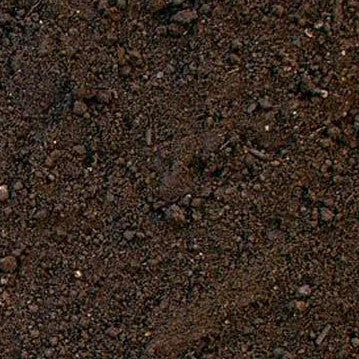
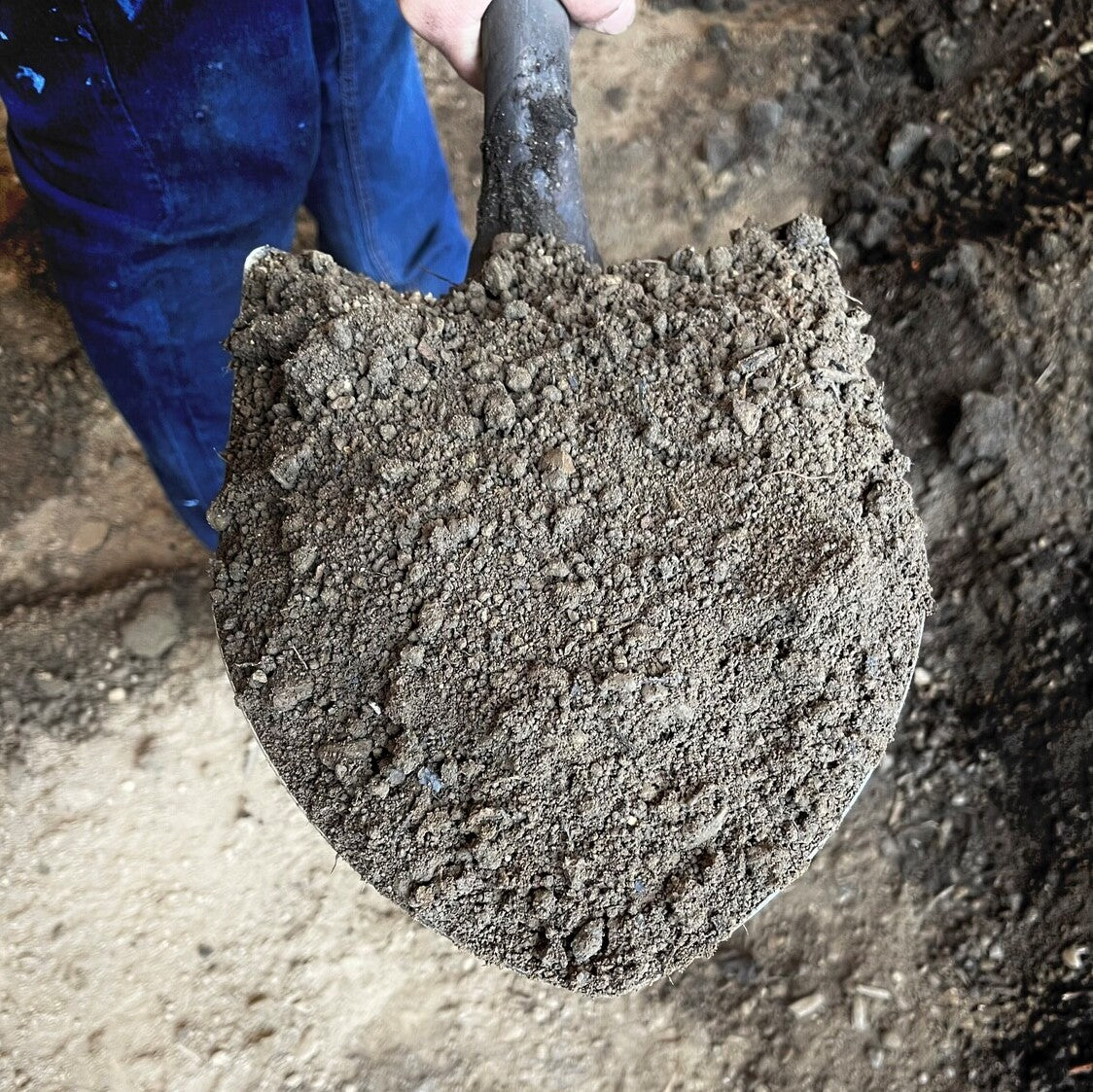
Quality topsoil for lawns, gardens, and landscape projects. Nutrient rich and ready to support strong root development and healthy plant establishment.
Good quality top soil and was delivered exactly where I wanted it. Nice Job!
Tell us what you're looking for
Thanks! We received your request.
Something went wrong. Please try again.
How Much Material Do I Need?
How Much Material Do I Need?
For top-dressing a College Station lawn to correct minor unevenness, a layer of 1 to 2 inches of topsoil is typically sufficient. For filling raised beds or correcting significant grade issues in our clay-heavy yards, plan on at least 6 to 12 inches of quality garden or fill material to achieve proper drainage and growing depth.
Use our free soil calculator
What is a yard?
What is a yard?
FAQs
FAQs
College Station Soil Delivery
College Station Soil Delivery
Regular price
$64.00
per
yard
Regular price
Sale price
$64.00
Unit price
per
Shipping calculated at checkout.
Minimum of 3 yard
Couldn't load pickup availability
Not currently available
We can't take orders for this right now. Tell us what you need and we'll get back to you.
Hand-picked local yards
4,000+ regional deliveries
Dedicated support
Why order through Mulch Mound
The best local soil, without the guesswork.
We hand-pick and partner with the best yards in your region, keep only the ones our buyers rate well, and back each load with our guarantee.
Mulch Mound Guarantee
If your soil isn't the quantity or quality you ordered, we'll make it right.
About this soil
Quality topsoil for lawns, gardens, and landscape projects. Nutrient rich and ready to support strong root development and healthy plant establishment.
Good quality top soil and was delivered exactly where I wanted it. Nice Job!
How Much Material Do I Need?
How Much Material Do I Need?
For top-dressing a College Station lawn to correct minor unevenness, a layer of 1 to 2 inches of topsoil is typically sufficient. For filling raised beds or correcting significant grade issues in our clay-heavy yards, plan on at least 6 to 12 inches of quality garden or fill material to achieve proper drainage and growing depth.
Use our free soil calculator
What is a yard?
What is a yard?
FAQs
FAQs
Tell us what you're looking for
Thanks! We received your request.
Something went wrong. Please try again.
How It Works
Getting started is easy — just follow these simple steps
1
Choose your soil
Make sure you adjust the quantity to your home's needs. You can use our calculator to estimate how much you'll need.
2
Select your delivery date
Select a delivery date you'd like for the product to be dropped off at your home
3
Sit back and wait
Sit back, wait, and let us work our magic to make sure the highest quality product is delivered to your driveway.

Online ordering was really simple and I liked the transparent pricing.

Easy to order, great service, and great product. We enjoy the final look of a very neglected beds we inherited!
Need Help Calculating How Much Soil You Need?
Use our NEW Trace from Satellite tool to get an estimate for your project based on an aerial view of your property
Try Our CalculatorStart by measuring the length, width, and desired depth of the area you need to fill or top-dress in feet. Multiply those three numbers together to get cubic feet, then divide by 27 to convert to cubic yards for ordering. In College Station, where correcting low spots that pool during our frequent spring rains often requires more material than expected, adding 10 to 15 percent to your estimate helps account for settling in our clay-based soil.
Soil Types We Deliver in College Station
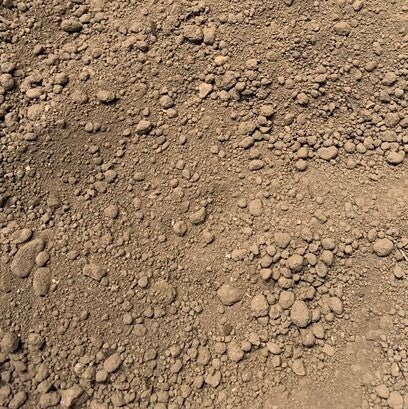
College Station yards and gardens often sit on heavy clay-based ground that benefits from added organic matter and quality fill. We make it easy to order bulk topsoil by the yard in College Station, with delivery straight to your driveway or job site. Whether you are establishing a new lawn, building raised beds, or grading a landscape, we bring the cubic yards you need.
Screened Top Soil
A clean, nutrient-rich topsoil that has been screened to remove rocks, clumps, and debris, leaving a fine and workable texture. It is an excellent choice for lawns, vegetable gardens, and landscape beds across the Brazos Valley, supporting strong root development and healthy plant establishment in the region's warm growing season.
Complete Your Outdoor Soil Project
After prepping your soil, top your beds with a layer of hardwood mulch to protect the new planting surface through College Station's hot summers, or define bed edges with decorative stone to keep mulch and soil in place during our heavy spring rains.


Mulch Mound Pro Tip
When working with College Station's clay soil, avoid tilling or amending when the ground is saturated after heavy rain. Wet clay smears and clumps rather than breaking apart, and working it in this state destroys the soil's natural structure, creating dense clods that dry into hard chunks. Wait until the soil is moist but not wet, usually a day or two after a significant rain event, for the best results when mixing in new garden soil or compost.
Mulch Mound Pro Tip
If you are building raised beds in College Station, consider lining the bottom with a layer of coarse gravel or wood chips before adding your garden soil mix. Because native clay sits below your raised bed and drains slowly, this buffer layer gives water somewhere to go before it backs up into your root zone during our wet spring months. Even a 2 to 3 inch drainage layer makes a significant difference in overall bed performance.
Mulch Mound Pro Tip
College Station's growing season stretches from late April through early November, giving you an unusually long window to get full value from well-prepared soil. Plan your soil work in phases if needed, prepping warm-season vegetable beds in April and then transitioning those same beds to fall crops like greens, broccoli, and root vegetables in September. Refreshing your soil with compost between plantings keeps nutrient levels up through both growing windows.
The Unique Landscape of College Station
College Station's native clay soil presents real challenges for homeowners trying to establish healthy lawns, garden beds, or raised vegetable plots. The clay is slow to drain, prone to compacting under the weight of heavy spring rains, and tends to crack and harden into a concrete-like surface during the dry heat of summer. Imported garden soil or fill dirt gives homeowners the ability to build growing environments with the right texture and nutrient content that native clay simply cannot provide on its own. Whether you are grading a low spot in your yard that pools after rain, filling raised beds for a fall vegetable garden, or top-dressing a lawn that has grown uneven over time, quality soil makes a measurable difference in results. College Station's long growing season, from the last frost around April 9 through the first frost around November 10, gives gardeners an extended window to get the most out of well-prepared planting areas.