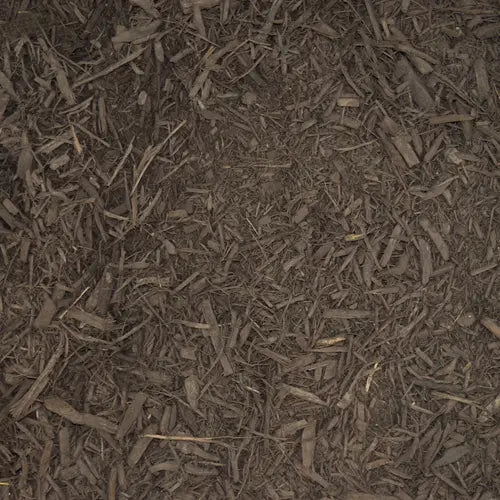
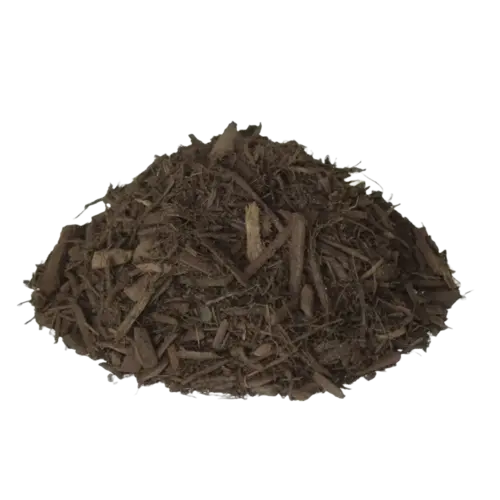
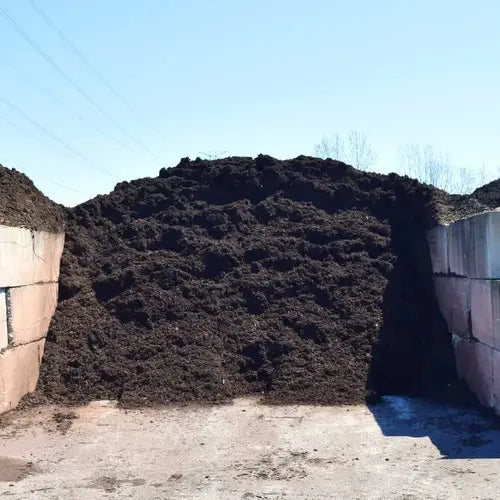
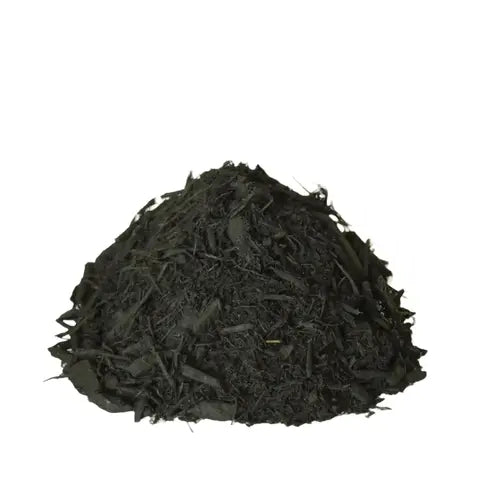
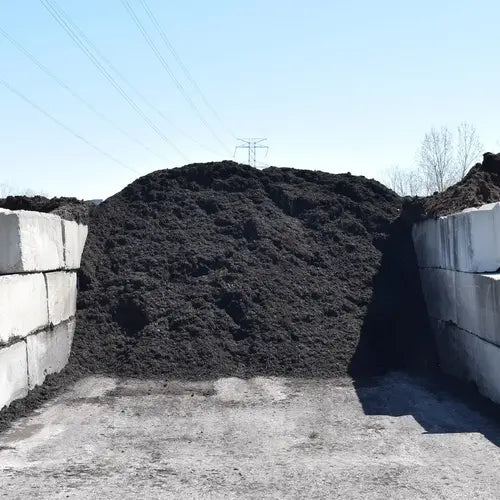
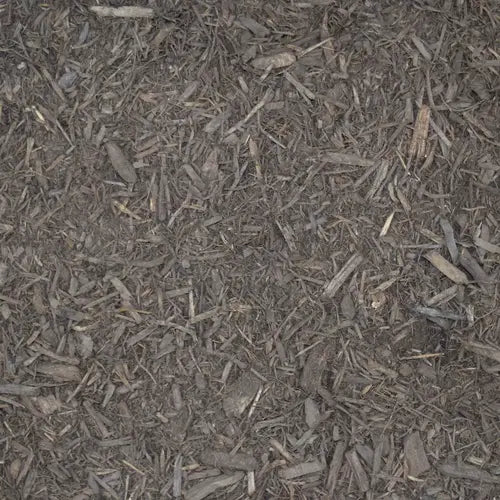
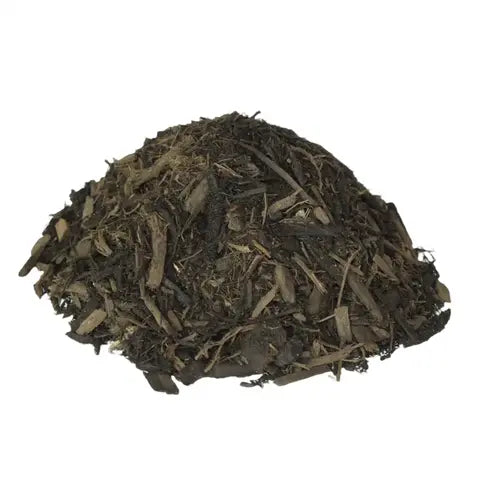
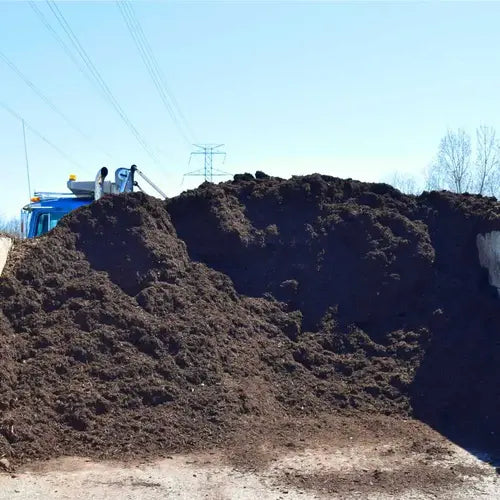
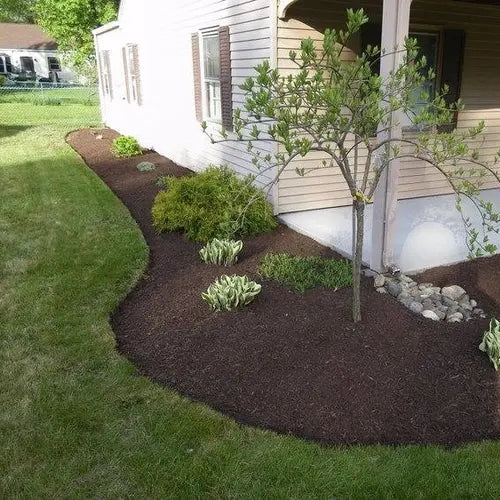
Warm brown double shredded mulch with lasting color that looks freshly applied for weeks. Spreads smooth, stays put, and gives beds a natural, polished appearance.
Mulch Mound delivered a yard of pea gravel to us. Delivery was on time, driver was friendly and hit a bullseye on the “tarp target”. We used the pea gravel (which was diameter as specified) to fill several muskrat holes around our pond. I would definitely recommend Mulch Mo...
Tell us what you're looking for
Thanks! We received your request.
Something went wrong. Please try again.
How Much Material Do I Need?
Plan for 2 to 3 inches of mulch depth across garden beds, as Columbia's clay soil benefits from consistent coverage that moderates both moisture and temperature without smothering roots. For areas under trees with surface roots, keep the layer closer to 2 inches to avoid stressing those roots.
Use our free mulch calculator
What is a yard?
A yard is approximately 27 cubic feet. As a general guideline, one yard of material can cover an area of about 100-160 square feet at a 2-3 inch depth.
We can't take orders for this right now. Tell us what you need and we'll get back to you.
What do you need?
Thanks! We received your request.
Something went wrong. Please try again.
Hand-picked local yards
4,000+ regional deliveries
Dedicated support
Why order through Mulch Mound
The best local mulch, without the guesswork.
We hand-pick and partner with the best yards in your region, keep only the ones our buyers rate well, and back each load with our guarantee.
Mulch Mound Guarantee
If your mulch isn't the quantity or quality you ordered, we'll make it right.
About this mulch
Warm brown double shredded mulch with lasting color that looks freshly applied for weeks. Spreads smooth, stays put, and gives beds a natural, polished appearance.
Mulch Mound delivered a yard of pea gravel to us. Delivery was on time, driver was friendly and hit a bullseye on the “tarp target”. We used the pea gravel (which was diameter as specified) to fill several muskrat holes around our pond. I would definitely recommend Mulch Mo...
How Much Material Do I Need?
Plan for 2 to 3 inches of mulch depth across garden beds, as Columbia's clay soil benefits from consistent coverage that moderates both moisture and temperature without smothering roots. For areas under trees with surface roots, keep the layer closer to 2 inches to avoid stressing those roots.
Use our free mulch calculator
What is a yard?
A yard is approximately 27 cubic feet. As a general guideline, one yard of material can cover an area of about 100-160 square feet at a 2-3 inch depth.
Mulch Mound delivered a yard of pea gravel to us. Delivery was on time, driver was friendly and hit a bullseye on the “tarp target”. We used the ...
Read full review
Mulch Mound delivered a yard of pea gravel to us. Delivery was on time, driver was friendly and hit a bullseye on the “tarp target”. We used the pea gravel (which was diameter as specified) to fill several muskrat holes around our pond. I would definitely recommend Mulch Mound to a friend!
I can’t say enough good things about Mulch Mound! If you read my review below you will see I had a problem with my order. Mulch Mou...
Read full review
UPDATE!
I can’t say enough good things about Mulch Mound! If you read my review below you will see I had a problem with my order. Mulch Mound was quick to respond and solved the issue with my delivery. Will definitely be a customer next year.
First time purchase from Mulch Mound!! First what I liked! Easy to order online and straight forward pricing and delivery. The driver was on time and courteous and delivered my Mulch exactly where I requested! The product is of good quality and comparable to others I have purchased from before. Now what I DID’NT LIKE! I have been mulching the same house and yard for almost 20 years. I always order the same amount and don’t have any issues with covering the same area but this year I fell about a yard short. I was home when the mulch was delivered and when the driver dumped it I noticed that it seemed a bit less than I was used to. I didn’t apply it any thicker than usual and probably a bit thinner than usual because I was worried about running out.
Measure each bed's length and width in feet and multiply to get square footage, then add all your bed areas together. Columbia homeowners often underestimate coverage on irregularly shaped beds around trees or along curved borders, so sketching a rough outline helps. A cubic yard of mulch covers roughly 100 square feet at a 3-inch depth, which is the recommended layer for most Columbia beds dealing with clay soil and variable rainfall.
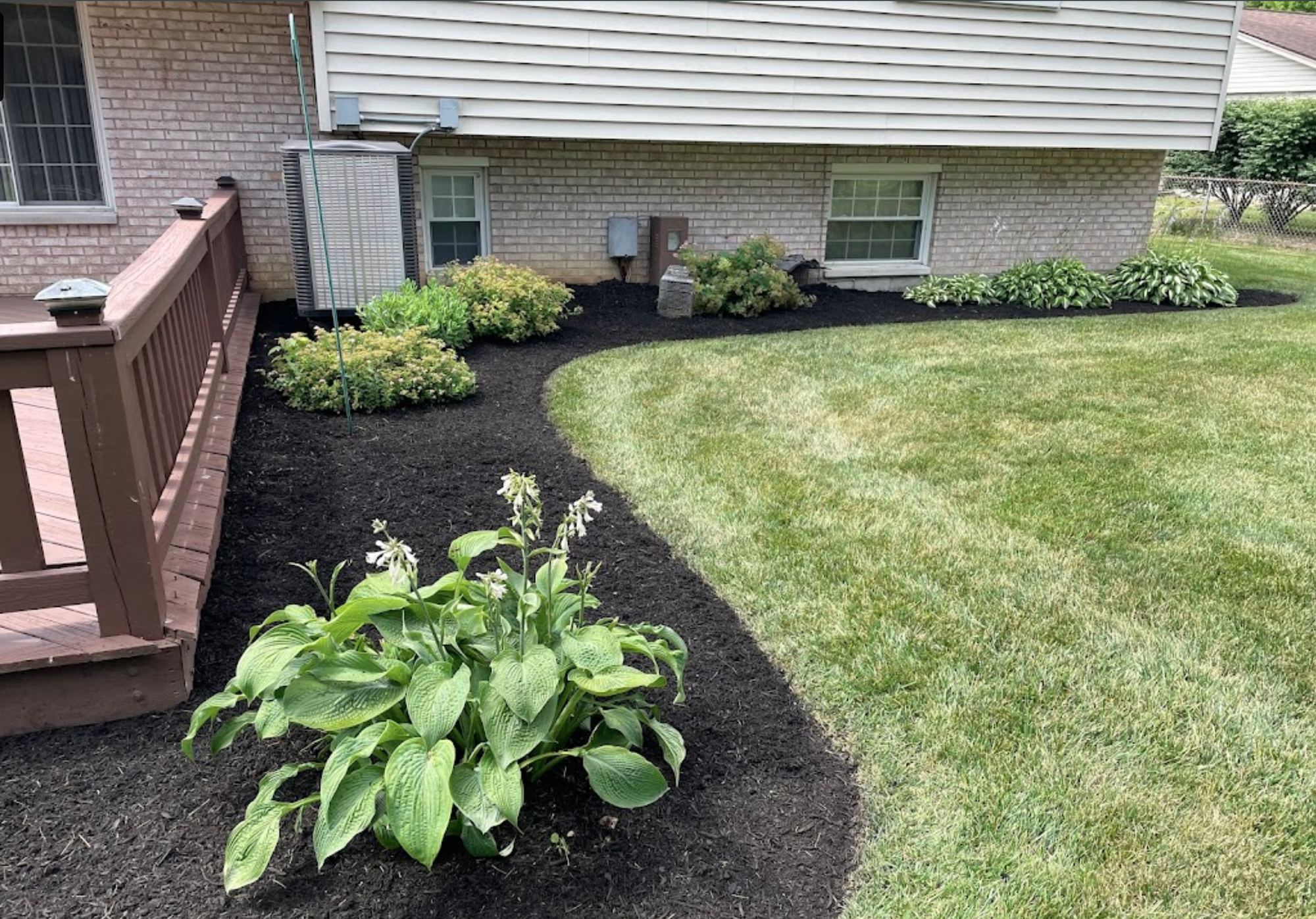
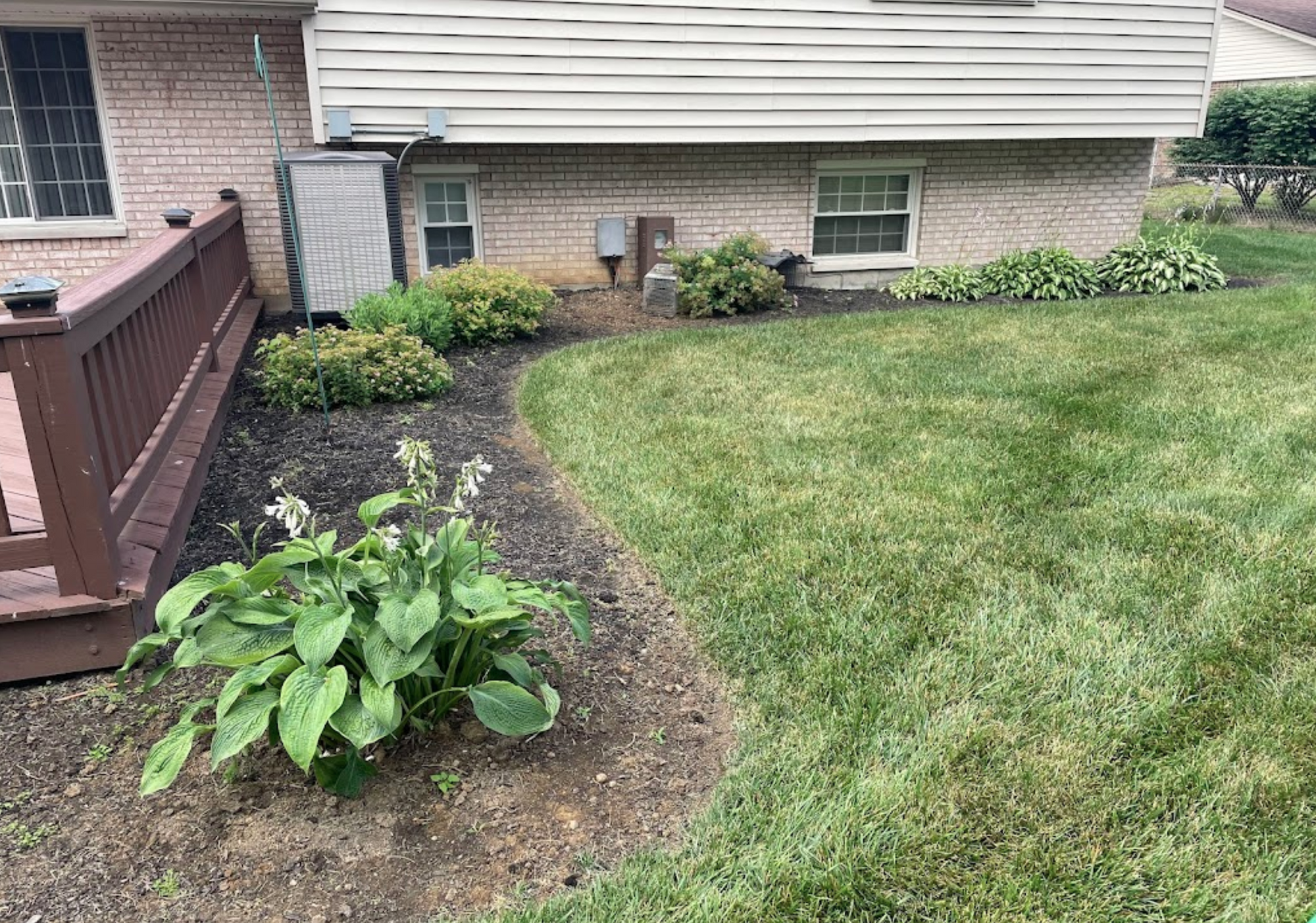
Mulch vs. No Mulch: The Difference
Columbia's warm, humid summers accelerate the breakdown of natural hardwood mulch more quickly than gardeners in drier climates experience. Natural mulch decomposes and feeds the clay soil below, which is genuinely valuable here, but it means you will be refreshing beds more often than you might expect. Dyed or colored mulch uses a slower-breaking-down base wood and holds its appearance through a full Columbia growing season, making it a practical choice when aesthetics are a priority alongside function.
Before
After
Best Mulch Choice for Columbia Lawns
Most yards in the Columbia area sit on Clay type of soil. Columbia's clay soil drains poorly after heavy rains, and plant beds can stay waterlogged for days following a spring storm. Choosing the right mulch means finding a product that allows water to pass through without creating an additional barrier above already saturated clay.
Hardwood Mulch
Hardwood mulch is a particularly good match for Columbia's clay-heavy soil because as it breaks down it introduces fibrous organic matter that physically loosens the clay structure over multiple seasons. That gradual improvement in soil texture allows more water infiltration, reduces surface crusting, and creates better conditions for roots to expand through what would otherwise be a dense and restrictive growing medium.
Mulch Types We Deliver in Columbia
Mulch Mound delivers bulk mulch by the cubic yard to homes and landscapes throughout central Missouri. Whether you are refreshing flower beds or covering a large planting area, bulk mulch delivery in Columbia makes it easy to get the volume you need in a single drop. We carry a curated selection of premium shredded mulches well suited to the rich clay soils and humid summers typical of this region.
Dyed Black Mulch
Bold and deeply colored, dyed black double shredded mulch creates a striking contrast against green plants and stone edging, a look well suited to the mixed traditional and modern landscapes common around Columbia. The color holds through Missouri summers and heavy rains, and the smooth texture spreads with ease across beds of any size.
Dyed Brown Mulch
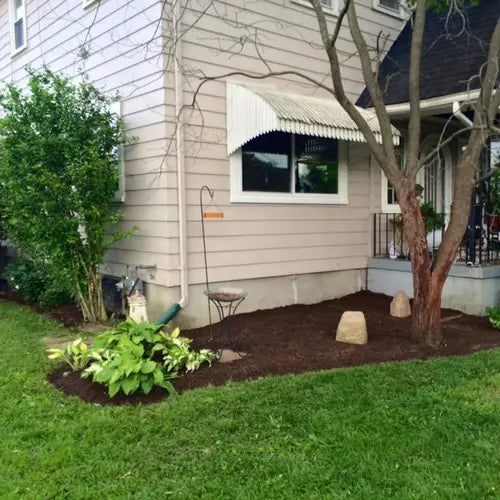
Warm and polished, dyed brown double shredded mulch suits brick home exteriors and established garden beds common in Columbia yards. The warm color holds for weeks through the wet Missouri spring, and the smooth texture spreads evenly to give any planting area a clean, finished appearance.
Natural Brown Mulch
An undyed option that draws its color from the wood itself, natural brown double shredded mulch offers a grounded, earthy look that suits wooded backyard settings and native plantings common across central Missouri. It breaks down gradually over time to feed the dense clay soils found throughout this part of the state.
Complete Your Outdoor Mulch Project
If your beds need more than mulch, our bulk garden soil is ideal for amending Columbia's clay before planting, and our stone options work well for edging beds or creating low-maintenance borders that hold mulch in place on sloped yards.
Columbia's clay soil stays cool well into April, slowing root activity in early spring. Avoid mulching over cold, wet clay too early in the season because you trap cold temperatures and delay soil warming. Wait until after the last frost date around April 18, when soil temperatures are climbing through the 50s, then apply mulch to lock in that warmth and give spring plantings the best possible start.
Mulch Mound Pro Tip
Many Columbia homeowners over-mulch around trees, piling material up against the trunk in a volcano shape. That practice traps moisture against bark and encourages rot and insect damage, especially given how much rain the area receives. Instead, spread mulch in a flat donut shape, keeping a clear gap of several inches around the trunk base, and extend the ring outward toward the drip line where feeder roots actually live.
Mulch Mound Pro Tip
Columbia's 44 inches of annual rainfall means that poorly mulched beds lose topsoil steadily to erosion, especially on any property with grading changes or sloped beds. A properly installed mulch layer acts as a permeable blanket, absorbing raindrop impact that would otherwise loosen and carry away your topsoil. Over time, the beds that stay consistently mulched retain a deeper, richer surface layer, while unmulched areas slowly thin out and compact into the hard clay below.
Frequently Asked Questions
Click a question to see the answer
Answer
How much mulch should I put down given how wet Columbia gets in spring?
Columbia averages 44 inches of rain per year, with a good portion of that falling in spring. A 2 to 3 inch layer is the right depth for most beds here. Going too deep, over 4 inches, traps excessive moisture against plant crowns and can cause crown rot, which is especially problematic when spring rains are already saturating the clay beneath. Two to three inches lets water move through to the root zone while still slowing evaporation during dry summer stretches.
Answer
Will mulch actually help my clay soil over time?
Yes, organic mulches like hardwood break down gradually and introduce organic matter into the top layer of Columbia's dense clay. As decomposition occurs, it loosens soil structure, improves drainage, and feeds soil microbes that further aerate the ground. It is a slow process measured in years rather than weeks, but consistent mulching is one of the best low-effort tools for improving clay soil long term.
Answer
When is the best time of year to put down fresh mulch in Columbia?
Late April through early May is the ideal window, right after Columbia's average last frost date of April 18. The soil is warming up, spring rains are tapering off, and plants are actively growing into the new season. A fresh layer at that point locks in soil moisture before summer heat arrives and gives beds a clean look going into the growing season. A second light refresh in early October, just before the first frost around October 10, helps insulate root zones through winter.
Answer
Does dyed mulch hold its color through a Columbia summer?
Dyed mulches generally hold color well through the first full season. Columbia's summer sun is intense, and by late August you will notice some fading on the most sun-exposed beds. Premium colorized mulches with UV-stabilized dye last longer than budget options. If color consistency matters to you, a light top-dressing the following spring restores the look without needing to remove old material.
Answer
My backyard has a slight slope and the mulch always washes away after big rains. What should I do?
Columbia clay sheds water quickly during heavy rain events because it absorbs moisture slowly. On slopes, shredded hardwood mulch works better than nugget-style because the irregular pieces interlock and resist movement. Applying mulch at 3 inches rather than 2 also helps anchor the layer. For steeper grades, pairing mulch with a stone border at the low edge of each bed can catch and hold material during intense downpours.
Answer
Is it okay to mulch right up against my house foundation in Columbia?
It is better to leave a 3 to 4 inch gap between mulch and your foundation. Columbia gets enough rainfall that keeping organic material pressed against a foundation promotes moisture retention and can attract termites or cause wood deterioration on older homes. Pull mulch back slightly from the structure and slope it gently away to encourage water to drain outward rather than pooling at the base.
Answer
What is the difference between hardwood mulch and wood chip mulch for Columbia yard conditions?
Hardwood mulch is ground more finely and breaks down faster, adding organic matter to Columbia's clay soil more quickly. Wood chip mulch is coarser, lasts longer before decomposing, and works well in paths or low-traffic areas where you want coverage without frequent reapplication. For garden beds where soil improvement is a goal, hardwood is usually the better choice. For utility areas or naturalized spaces, wood chips offer great coverage with less maintenance.
The Unique Landscape of Columbia
Columbia's heavy clay soil creates a unique set of challenges for homeowners trying to maintain healthy plant beds. That clay compacts under foot traffic and summer heat, limiting oxygen and water movement to root systems. With 44 inches of annual rainfall, mulch acts as a critical buffer, slowing runoff across slopes and preventing the soil crusting that Columbia gardeners see every summer after hard rains. Zone 6b winters bring enough cold to stress shallow-rooted plants, and a proper mulch layer helps insulate root zones through the temperature swings that arrive between October and April. Without mulch, Columbia's clay surface bakes hard in July heat and then heaves and cracks as freeze-thaw cycles hit in late fall. Keeping beds mulched year-round is less a decorating choice here and more a genuine soil management strategy.