




Very happy with the ease of ordering. Delivery went exactly as planned. Garden soil looks great and couldn’t be happier.
About this soil
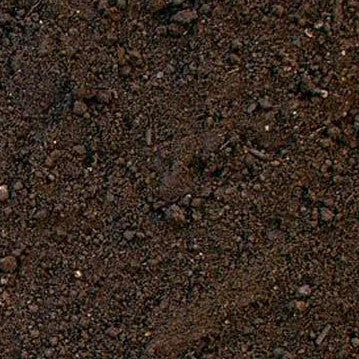
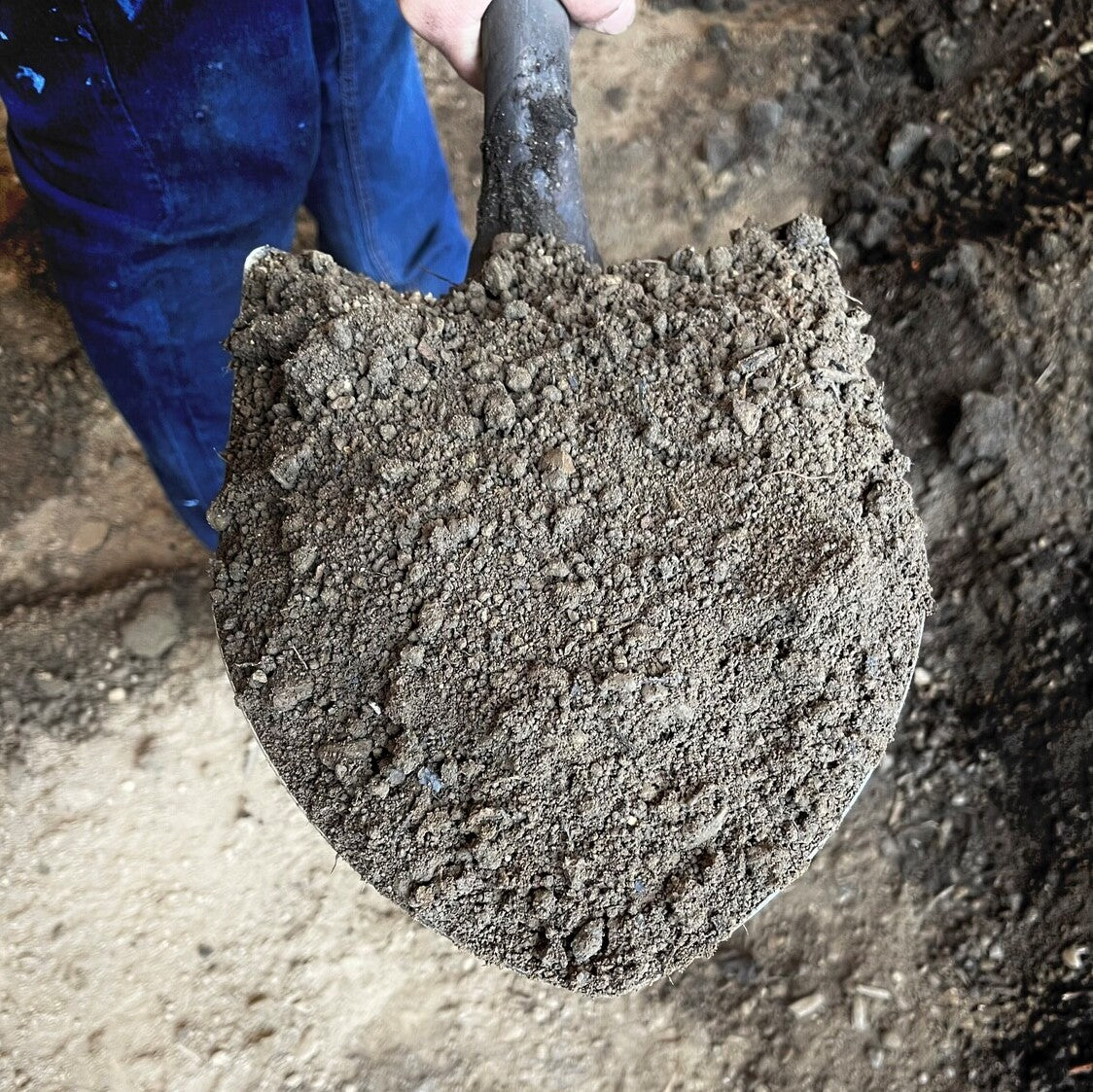
Quality topsoil for lawns, gardens, and landscape projects. Nutrient rich and ready to support strong root development and healthy plant establishment.
Very happy with the ease of ordering. Delivery went exactly as planned. Garden soil looks great and couldn’t be happier.
Tell us what you're looking for
Thanks! We received your request.
Something went wrong. Please try again.
How Much Material Do I Need?
How Much Material Do I Need?
For lawn leveling in Columbia, spread soil at no more than half an inch per application to avoid smothering existing turf, and plan to repeat over multiple seasons for significant grade changes. Raised garden beds and new planting areas work best with 8 to 12 inches of quality soil to keep roots out of the native clay layer below.
Use our free soil calculator
What is a yard?
What is a yard?
FAQs
FAQs
Columbia Soil Delivery
Columbia Soil Delivery
Regular price
$64.00
per
yard
Regular price
Sale price
$64.00
Unit price
per
Shipping calculated at checkout.
Minimum of 3 yard
Couldn't load pickup availability
Not currently available
We can't take orders for this right now. Tell us what you need and we'll get back to you.
Hand-picked local yards
4,000+ regional deliveries
Dedicated support
Why order through Mulch Mound
The best local soil, without the guesswork.
We hand-pick and partner with the best yards in your region, keep only the ones our buyers rate well, and back each load with our guarantee.
Mulch Mound Guarantee
If your soil isn't the quantity or quality you ordered, we'll make it right.
About this soil
Quality topsoil for lawns, gardens, and landscape projects. Nutrient rich and ready to support strong root development and healthy plant establishment.
Very happy with the ease of ordering. Delivery went exactly as planned. Garden soil looks great and couldn’t be happier.
How Much Material Do I Need?
How Much Material Do I Need?
For lawn leveling in Columbia, spread soil at no more than half an inch per application to avoid smothering existing turf, and plan to repeat over multiple seasons for significant grade changes. Raised garden beds and new planting areas work best with 8 to 12 inches of quality soil to keep roots out of the native clay layer below.
Use our free soil calculator
What is a yard?
What is a yard?
FAQs
FAQs
Tell us what you're looking for
Thanks! We received your request.
Something went wrong. Please try again.
How It Works
Getting started is easy — just follow these simple steps
1
Choose your soil
Make sure you adjust the quantity to your home's needs. You can use our calculator to estimate how much you'll need.
2
Select your delivery date
Select a delivery date you'd like for the product to be dropped off at your home
3
Sit back and wait
Sit back, wait, and let us work our magic to make sure the highest quality product is delivered to your driveway.

Really appreciate the care and follow thru that this company had with our order. A hiccup came up but they were quick to respond and address all co...
Read full review
Really appreciate the care and follow thru that this company had with our order. A hiccup came up but they were quick to respond and address all concerns, which made our garden day a success! Thank you for your prompt care.

Highest compliments. Great driver.
Website is easy to navigate. Just a seamless process. 5 stars!!
Need Help Calculating How Much Soil You Need?
Use our NEW Trace from Satellite tool to get an estimate for your project based on an aerial view of your property
Try Our CalculatorFor raised beds, multiply length by width by depth in feet and divide by 27 to get cubic yards. Columbia homeowners often build beds at 12 inches deep to clear the clay layer, so a 4 by 8 foot bed at that depth needs just under 1.2 cubic yards. Buying slightly more than your calculation suggests is wise since bulk soil settles after delivery and again after rain, and topping off a half-empty bed mid-project adds extra cost.
Soil Types We Deliver in Columbia
Columbia homeowners and gardeners know that Missouri's native clay-heavy ground can use a boost, and we make it easy to get bulk topsoil by the yard in Columbia delivered straight to your driveway or job site. Whether you are leveling a lawn, filling raised beds, or grading around a new build, our screened soil arrives loose and ready to spread. We sell by the cubic yard with no minimum haul requirement, so you only order what your project needs.
Screened Top Soil
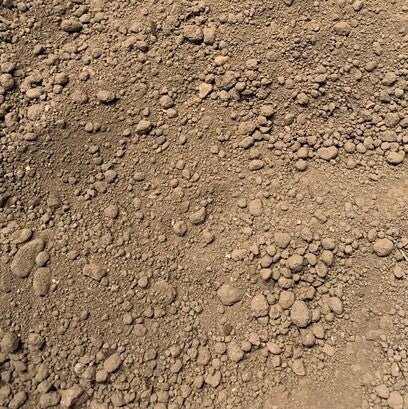
Our screened top soil is run through a fine mesh to remove rocks, clumps, and debris, leaving a smooth, workable blend that layers cleanly over Columbia's dense clay base. It is nutrient rich and well suited for lawn repairs, vegetable gardens, and landscape grading, giving roots the loose, fertile environment they need to establish quickly in the region's warm growing season.
Complete Your Outdoor Soil Project
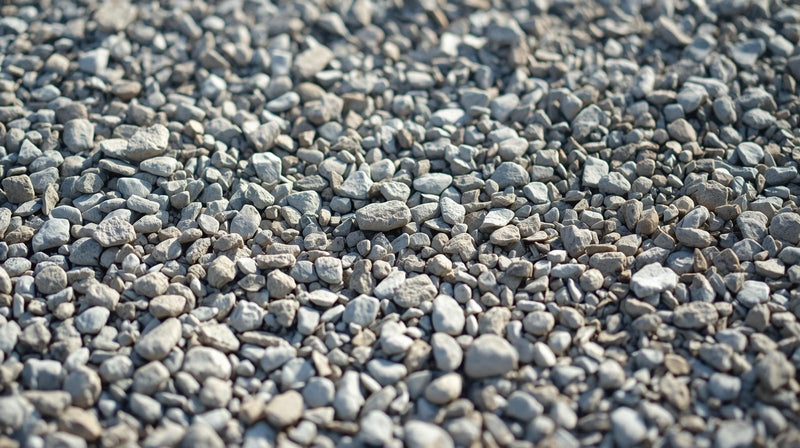
Pair your soil order with bulk mulch to top-dress finished beds and lock in moisture through Columbia's variable summers, and consider our stone selection for bed edging or drainage channels that help manage the runoff that clay-heavy yards generate during spring rain events.

Service area
Areas we deliver soil in Columbia, Missouri
Mulch Mound Pro Tip
Columbia's clay soil is prone to compaction, and the worst time to work it is when it is wet. If you have fresh soil delivered after a spring rain, wait until the material is moist but not saturated before spreading and grading. Working wet clay-heavy soil destroys its structure and creates a dense, cloddy surface that is hard to correct. A day or two of drying after rain makes a noticeable difference in how easily the material moves and settles.
Mulch Mound Pro Tip
If you are using bulk soil to level a lawn area that will be seeded, rough up the existing clay surface slightly before adding new material. Columbia's clay can act almost like a sealed layer, and roots from new grass will have a harder time penetrating downward if the two soil types sit as separate layers. Even a light pass with a garden fork loosens the surface enough to encourage roots to move between the old and new material as the grass establishes.
Mulch Mound Pro Tip
Columbia's 44 inches of annual rainfall is helpful for establishing new plantings, but it also means fresh soil can erode during heavy spring storms before vegetation fills in. After spreading new soil in open areas, consider a light straw cover or immediate seeding to hold the surface. Even a thin mulch layer over freshly graded soil prevents the kind of surface washing that undoes grading work and sends your new material into the lawn or street after the first hard rain.
The Unique Landscape of Columbia
Columbia sits on a base of heavy clay that challenges almost every landscaping and gardening project in the area. Clay drains slowly, compacts under foot traffic, and can shift noticeably with seasonal moisture changes, making grading and lawn leveling more complicated than in sandier soils. Whether you are filling a raised bed, repairing low spots after a wet spring, or prepping a new garden area, bringing in quality bulk soil gives you a workable base that your native clay simply cannot provide on its own. The area's 44 inches of annual rainfall means drainage is a recurring issue, and well-amended soil placed at the right grade makes a real difference in how water moves across your property. Columbia's growing season runs roughly from late April through early October, and proper soil prep before planting pays dividends through the entire season. Starting with good material means less time correcting problems mid-season.