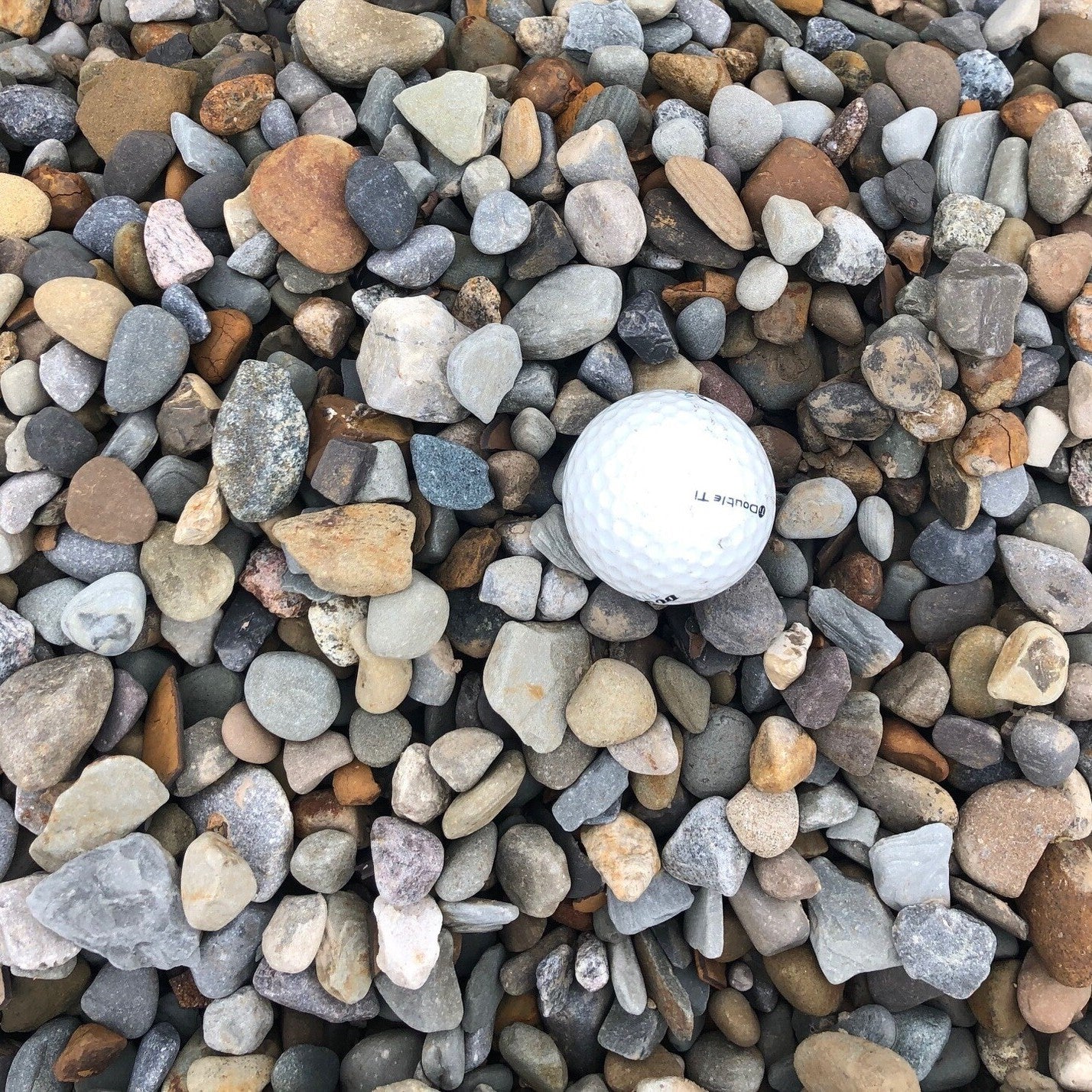
Number 57 crushed stone, angular limestone graded to about three quarters of an inch. The standard driveway, base and drainage gravel, it locks together under traffic and drains fast.
I contacted Mulch Mound for #57 river rocks and it was easy and fast to get a delivery right before the holiday weekend. Stone was delivered as promised and place exactly where I asked. Excellent service! I will be ordering mulch next!
Tell us what you're looking for
Thanks! We received your request.
Something went wrong. Please try again.
How Much Material Do I Need?
Plan for 2 to 3 inches of stone depth for decorative and ground cover applications in Columbia, as clay soil beneath will absorb some of the stone layer depth as it settles through wet seasons. Drainage swales and creek beds may need 4 to 6 inches of depth to handle the volume of runoff that Columbia's heavier rain events generate.
Use our free gravel calculator
What is a yard?
A yard is approximately 27 cubic feet. As a general guideline, one yard of material can cover an area of about 100-160 square feet at a 2-3 inch depth.
We can't take orders for this right now. Tell us what you need and we'll get back to you.
What do you need?
Thanks! We received your request.
Something went wrong. Please try again.
Hand-picked local yards
4,000+ regional deliveries
Dedicated support
Why order through Mulch Mound
The best local stone, without the guesswork.
We hand-pick and partner with the best yards in your region, keep only the ones our buyers rate well, and back each load with our guarantee.
Mulch Mound Guarantee
If your stone isn't the quantity or quality you ordered, we'll make it right.
About this stone
Number 57 crushed stone, angular limestone graded to about three quarters of an inch. The standard driveway, base and drainage gravel, it locks together under traffic and drains fast.
I contacted Mulch Mound for #57 river rocks and it was easy and fast to get a delivery right before the holiday weekend. Stone was delivered as promised and place exactly where I asked. Excellent service! I will be ordering mulch next!
How Much Material Do I Need?
Plan for 2 to 3 inches of stone depth for decorative and ground cover applications in Columbia, as clay soil beneath will absorb some of the stone layer depth as it settles through wet seasons. Drainage swales and creek beds may need 4 to 6 inches of depth to handle the volume of runoff that Columbia's heavier rain events generate.
Use our free gravel calculator
What is a yard?
A yard is approximately 27 cubic feet. As a general guideline, one yard of material can cover an area of about 100-160 square feet at a 2-3 inch depth.
I contacted Mulch Mound for #57 river rocks and it was easy and fast to get a delivery right before the holiday weekend. Stone was delivered as pro...
Read full review
I contacted Mulch Mound for #57 river rocks and it was easy and fast to get a delivery right before the holiday weekend. Stone was delivered as promised and place exactly where I asked. Excellent service! I will be ordering mulch next!
Measure your stone coverage area in length and width in feet, multiply together for square footage, and then estimate depth in inches. A cubic yard of stone covers about 80 to 100 square feet at a 3-inch depth. In Columbia, account for slight settling into the clay soil below your stone layer, which can reduce effective depth by a quarter inch or more after the first full rain season, so buying a little extra ensures your coverage stays consistent.
Stone Types We Deliver in Columbia
Mulch Mound delivers bulk stone by the cubic yard straight to homes and properties across Columbia, making it easy to tackle any landscape project without hauling material yourself. Whether you are searching for bulk gravel by the yard in Columbia or simply need a reliable local source for quality stone, we bring the material right to your driveway or job site. Our delivery team is familiar with the area and ready to help you get exactly what your project calls for.
Pea Gravel
Pea gravel is a top choice for Columbia homeowners thanks to its smooth, rounded edges and warm natural tones that complement the area's traditional brick homes and mature tree canopy. It drains well through Missouri's clay-heavy soils and works beautifully for garden pathways, patios, and decorative ground cover.
Complete Your Outdoor Stone Project
For a finished landscape, pair stone with our bulk mulch to define distinct zones where each material performs best, and consider adding quality soil to any areas where you are transitioning from stone to planted beds, giving roots a workable medium above Columbia's native clay.
Before laying stone in any area of your Columbia yard, install quality landscape fabric underneath to prevent clay from working up through the stone layer over time. Columbia's clay is fine-grained and migrates upward through stone with repeated wet and dry cycles, eventually creating a muddy mix at the surface that is difficult to clean up. A woven geotextile fabric lets water drain through while blocking the clay migration, keeping your stone looking clean through multiple seasons.
Mulch Mound Pro Tip
If you are building a stone pathway across a Columbia lawn, consider the compaction effect on the clay beneath. Stone paths concentrate foot traffic and prevent water infiltration in a narrow strip, which can create a hard, compacted clay channel underneath. Before laying base material, loosen the clay 4 to 6 inches deep along the path and add a thin layer of coarse sand or fine gravel as a base. This improves drainage under the path and reduces frost heaving during Columbia's winter freeze-thaw cycles.
Mulch Mound Pro Tip
Columbia's 44 inches of annual rainfall make dry creek beds one of the most functional stone installations you can add to a mid-Missouri property. A well-designed creek bed does not just look natural, it actively channels stormwater away from foundations, low spots, and garden areas that would otherwise flood or stay saturated for days after heavy spring rains. Size the creek bed generously, at least 18 to 24 inches wide, because Columbia can see several inches of rain in a single event and a narrow channel will overflow before it can do its job.
The Unique Landscape of Columbia
Stone is one of the most practical materials you can add to a Columbia landscape, largely because of what clay soil and heavy rainfall do to bare ground over time. With 44 inches of rain annually, unprotected areas between beds and along property edges erode steadily, and clay soil that gets repeatedly wet and dry develops ruts and uneven surfaces that become real maintenance problems. Stone paths, borders, and drainage channels stay put through all of that, requiring almost no upkeep compared to organic ground covers. Columbia's freeze-thaw cycles, which run from roughly October through March, are harder on some materials than others, but crushed stone and river rock handle the seasonal movement in clay soil far better than pavers or poured concrete in many residential applications. Whether you are defining a garden edge, creating a dry creek bed to redirect storm runoff, or building a low-maintenance side yard, stone works with Columbia's conditions rather than against them. Its permanence is its biggest advantage in a climate that tests organic materials every season.
Frequently Asked Questions
Click a question to see the answer
Answer
What size stone works best for a backyard walkway in Columbia?
For a functional walkway in a Columbia yard, crushed limestone in the three-eighths to three-quarter inch range is a popular and reliable choice. Pea gravel shifts underfoot and tends to spread outside the path edges over time, especially in areas that see significant foot traffic. Crushed stone compacts more firmly and stays in place better, which matters in Columbia where clay soil beneath the path can heave slightly during freeze-thaw cycles in late fall and early spring. A compacted crushed stone base with a finer top layer gives you a stable and comfortable surface.
Answer
Will stone help with the drainage problems I have in my backyard after heavy rain?
Stone is one of the most effective tools for managing runoff on clay-heavy Columbia lots. A dry creek bed filled with river rock or larger fieldstone creates a defined channel that directs stormwater away from foundations and low spots without requiring a pipe or a permit in most cases. For smaller problem areas, a stone-filled French drain trench improves subsurface drainage significantly. Columbia's combination of clay soil and 44 inches of annual rainfall makes surface water management a genuine need, and stone handles it durably.
Answer
How deep should I lay stone for a low-maintenance ground cover area in Columbia?
A 2 to 3 inch layer is the standard depth for ground cover stone applications. That depth is enough to suppress most weed growth, especially when laid over landscape fabric, while keeping the total material volume manageable. In Columbia, where clay can shift with moisture and frost, going a full 3 inches gives the stone layer enough mass to stay level and resist minor heaving. Thinner layers tend to look sparse by the second season as material settles into the surface.
Answer
Does stone get too hot in Columbia summers for areas near patios or play spaces?
Dark stones like black lava rock or dark gray crushed stone do absorb and radiate heat during Columbia's July and August afternoons, and they can become uncomfortable near barefoot play areas or seating spaces. Lighter colored stones like cream limestone, pea gravel, or white river rock reflect more heat and stay noticeably cooler. For patio borders or areas where people will be walking barefoot, lighter stone colors are the practical choice during mid-Missouri summers.
Answer
How do I keep stone from mixing into my lawn edges in my Columbia yard?
A solid edging material installed between stone areas and turf is the most reliable solution. Metal or plastic landscape edging installed several inches deep creates a barrier that holds stone in place and keeps grass from creeping into the stone bed. In Columbia's clay, that edging seats firmly and tends to stay put well. Without edging, clay soil movement through wet and dry cycles gradually blurs the line between stone and lawn, and the stone ends up mixed into the turf within a season or two.
Answer
Can I use decorative stone around the base of trees in my Columbia yard?
Stone can work around tree bases, but there are a few things to consider specific to Columbia's conditions. Stone does not add organic matter the way mulch does, so trees growing in clay soil that benefit from organic decomposition miss out on that amendment. Stone also retains more heat around the root zone, which can stress trees during hot Columbia summers. If you use stone near trees, keep it pulled back from the trunk, maintain a 3 to 4 inch gap, and consider whether a tree in poor clay soil would benefit more from an organic mulch instead.
Answer
What is the difference between river rock and crushed stone for a drainage swale in Columbia?
River rock is rounded and smooth, allowing water to flow through the gaps between stones easily, making it ideal for surface drainage channels like dry creek beds in Columbia yards. Crushed stone has angular edges that lock together and compact more firmly, making it better for subsurface drainage like French drain trenches where you want good water movement through the material. For a visible dry creek bed that needs to handle Columbia's spring runoff and look attractive, river rock is usually the preferred choice. For buried drainage work, crushed stone performs better.
Answer
Is there a stone yard near Columbia?
A drainage channel along a Columbia property edge is a common job for crushed stone, since 44 inches of yearly rain wears bare clay into ruts. We deliver it by the cubic yard to your driveway, so there is no trip to a stone yard or any need to find a quarry. Order online and we drop it where you want it.