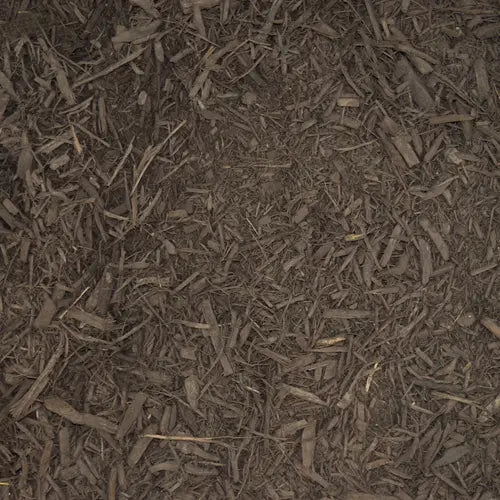
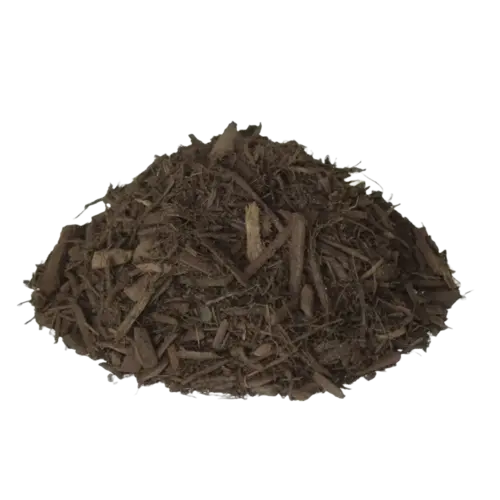
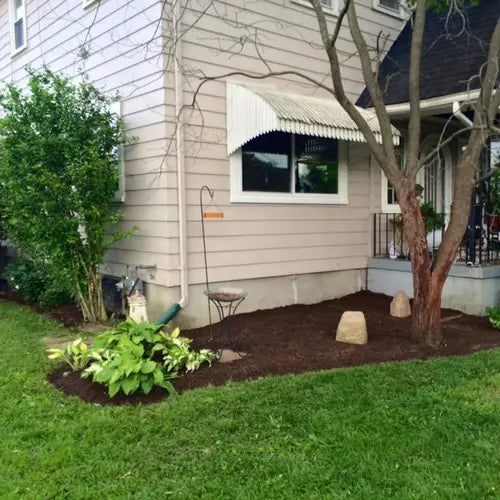
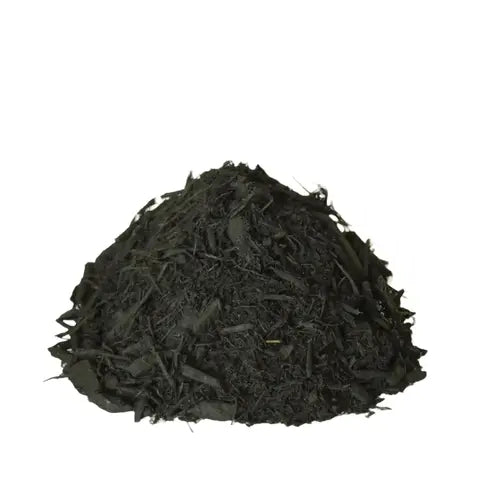
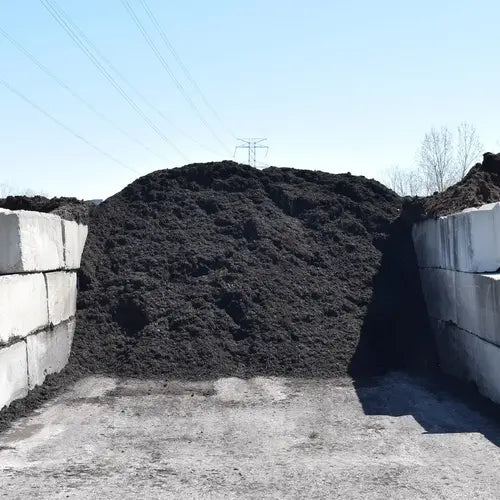
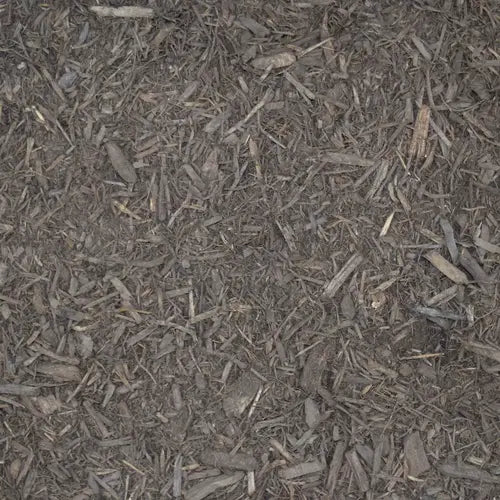
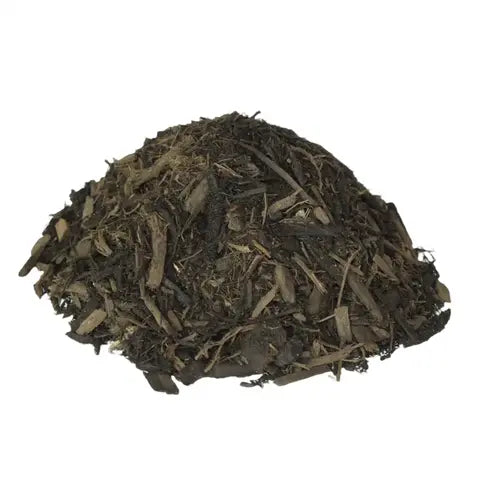
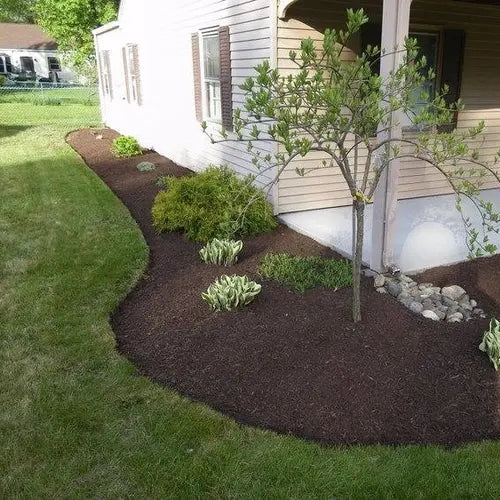
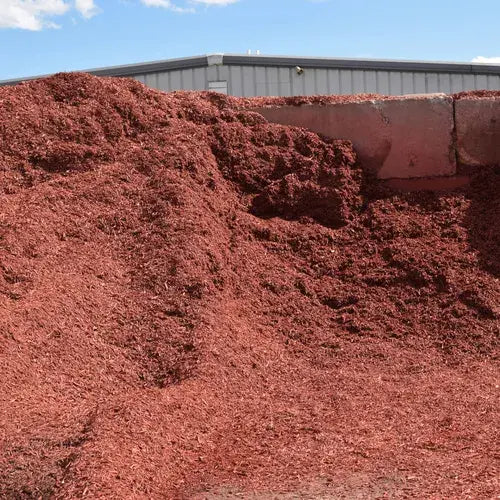
Warm brown double shredded mulch with lasting color that looks freshly applied for weeks. Spreads smooth, stays put, and gives beds a natural, polished appearance.
I can’t say enough good things about Mulch Mound! If you read my review below you will see I had a problem with my order. Mulch Mound was quick to respond and solved the issue with my delivery. Will definitely be a customer next year.
First time purchase...
Tell us what you're looking for
Thanks! We received your request.
Something went wrong. Please try again.
How Much Material Do I Need?
For most Columbia planting beds over clay soil, a 3-inch application depth strikes the right balance between moisture retention and avoiding waterlogged conditions. Aim for the lower end of that range around the crowns of shrubs and perennials to reduce rot risk.
Use our free mulch calculator
What is a yard?
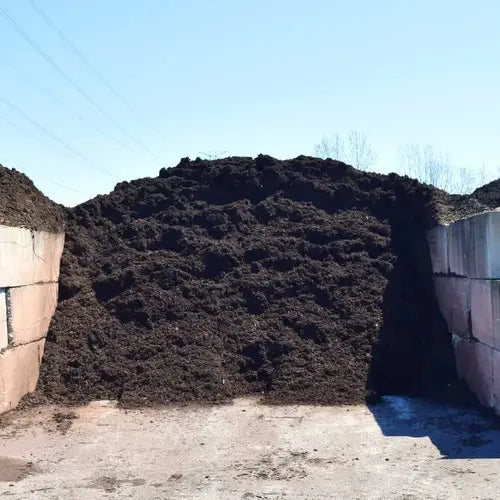
A yard is approximately 27 cubic feet. As a general guideline, one yard of material can cover an area of about 100-160 square feet at a 2-3 inch depth.
We can't take orders for this right now. Tell us what you need and we'll get back to you.
What do you need?
Thanks! We received your request.
Something went wrong. Please try again.
Hand-picked local yards
4,000+ regional deliveries
Dedicated support
Why order through Mulch Mound
The best local mulch, without the guesswork.
We hand-pick and partner with the best yards in your region, keep only the ones our buyers rate well, and back each load with our guarantee.
Mulch Mound Guarantee
If your mulch isn't the quantity or quality you ordered, we'll make it right.
About this mulch
Warm brown double shredded mulch with lasting color that looks freshly applied for weeks. Spreads smooth, stays put, and gives beds a natural, polished appearance.
I can’t say enough good things about Mulch Mound! If you read my review below you will see I had a problem with my order. Mulch Mound was quick to respond and solved the issue with my delivery. Will definitely be a customer next year.
First time purchase...
How Much Material Do I Need?
For most Columbia planting beds over clay soil, a 3-inch application depth strikes the right balance between moisture retention and avoiding waterlogged conditions. Aim for the lower end of that range around the crowns of shrubs and perennials to reduce rot risk.
Use our free mulch calculator
What is a yard?
A yard is approximately 27 cubic feet. As a general guideline, one yard of material can cover an area of about 100-160 square feet at a 2-3 inch depth.
I can’t say enough good things about Mulch Mound! If you read my review below you will see I had a problem with my order. Mulch Mou...
Read full review
UPDATE!
I can’t say enough good things about Mulch Mound! If you read my review below you will see I had a problem with my order. Mulch Mound was quick to respond and solved the issue with my delivery. Will definitely be a customer next year.
First time purchase from Mulch Mound!! First what I liked! Easy to order online and straight forward pricing and delivery. The driver was on time and courteous and delivered my Mulch exactly where I requested! The product is of good quality and comparable to others I have purchased from before. Now what I DID’NT LIKE! I have been mulching the same house and yard for almost 20 years. I always order the same amount and don’t have any issues with covering the same area but this year I fell about a yard short. I was home when the mulch was delivered and when the driver dumped it I noticed that it seemed a bit less than I was used to. I didn’t apply it any thicker than usual and probably a bit thinner than usual because I was worried about running out.
Mulch Mound made it so easy! So happy with the pricing, turn around time, delivery and product. I submitted my online order on a Thursday. The mu...
Read full review
Mulch Mound made it so easy! So happy with the pricing, turn around time, delivery and product. I submitted my online order on a Thursday. The mulch was delivered to the designated location by a local landscape company at 8:30 a.m. the following Saturday morning. We had the job completed by that afternoon. We chose the natural brown mulch, and the plant beds are beautiful.
To estimate mulch for your Columbia beds, measure the length and width of each bed in feet and multiply to get square footage. Columbia's clay soil does not need extra-deep applications, so plan for a 3-inch depth, which means you will need roughly 1 cubic yard for every 108 square feet of bed space. If your beds slope at all, add a small buffer because mulch shifts on grades during Columbia's heavy spring rains.
Mulch vs. No Mulch: The Difference
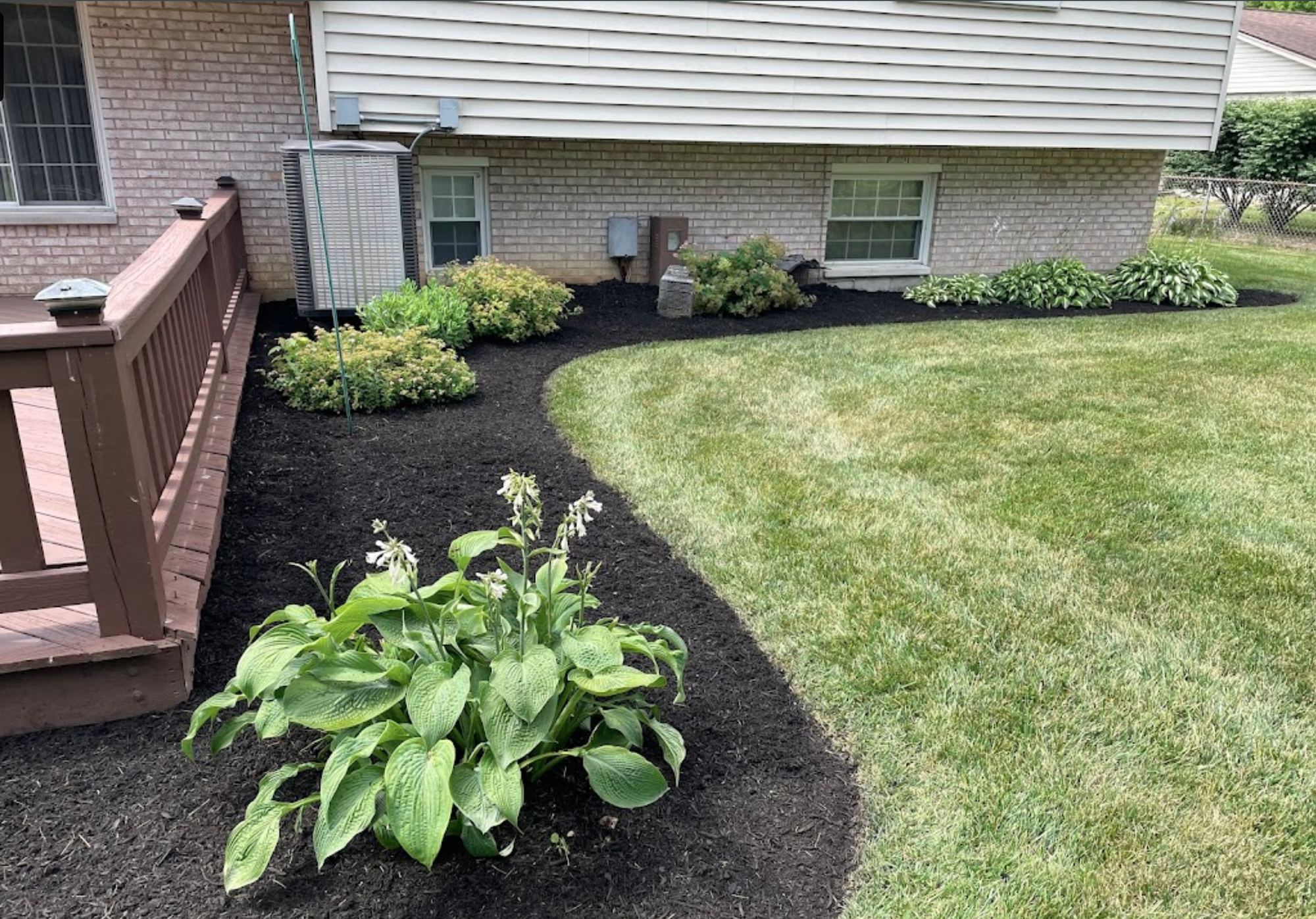
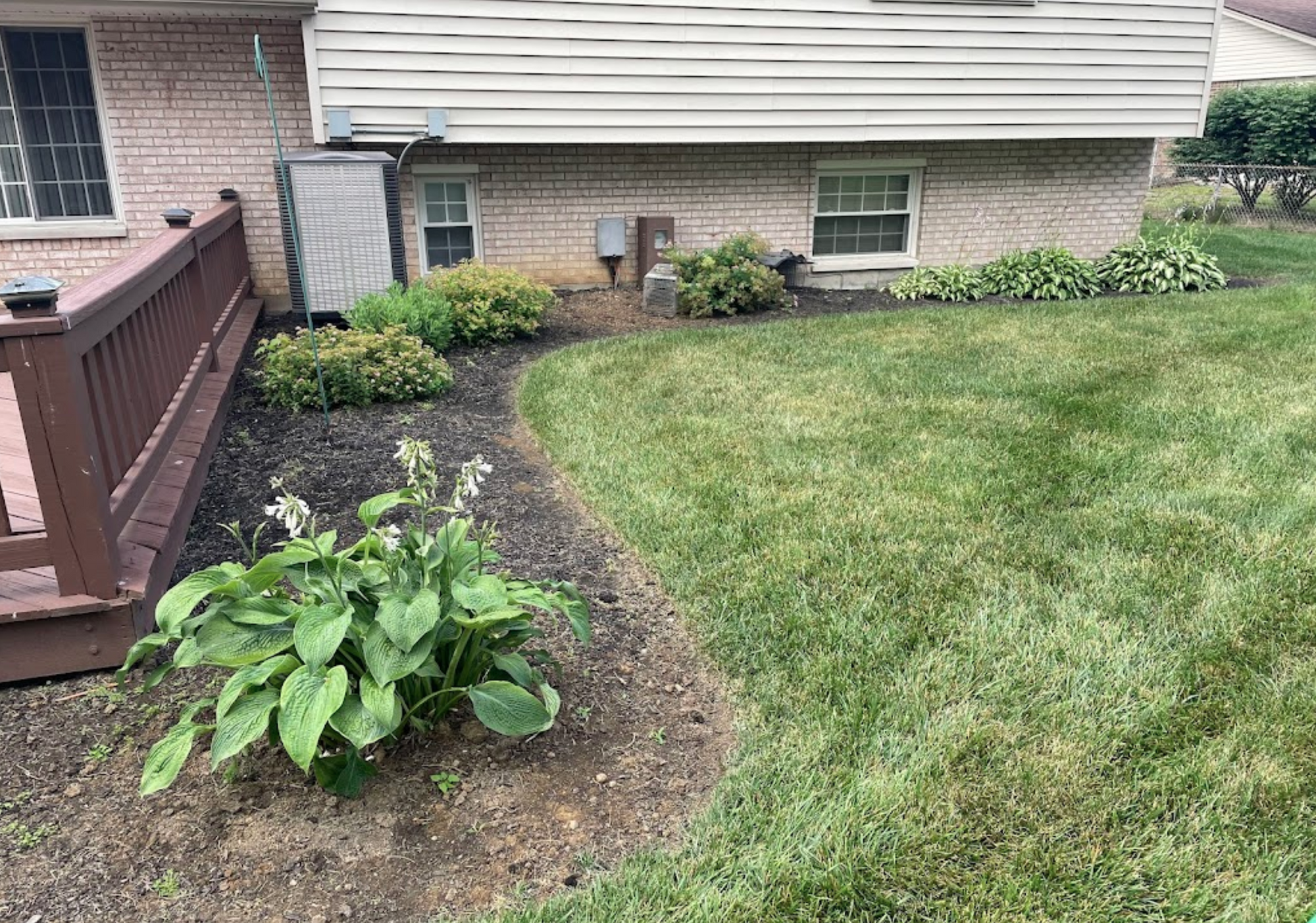
Columbia's warm Zone 7b summers and frequent rain accelerate the breakdown of natural hardwood mulch, meaning it steadily adds organic matter to clay soil but needs replenishing on an annual schedule. Dyed mulches use a wood base that decomposes at a similar rate, but the color pigment keeps the bed looking fresh and intentional for a full season even as the material slowly works into the soil below. For Columbia homeowners who want both long-term soil improvement and consistent curb appeal, dyed hardwood mulch often delivers the best of both qualities through a growing season that runs nearly six months.
Before
After
Best Mulch Choice for Columbia Lawns
Most yards in the Columbia area sit on Clay type of soil. Columbia's native clay soil drains poorly and compacts easily, which leaves planting bed roots sitting in wet, oxygen-poor conditions after heavy rains and then baking in hard, cracked ground during midsummer dry stretches.
Hardwood Mulch
Hardwood mulch is especially well suited for Columbia's clay soil because as it decomposes it contributes organic matter that gradually loosens clay structure over successive seasons, improving both drainage and the soil's ability to hold nutrients at a depth where plant roots can actually access them.
Mulch Types We Deliver in Columbia
If you are searching for bulk mulch delivery in Columbia, we bring fresh material straight to your driveway or job site by the cubic yard. Middle Tennessee's warm summers and clay-heavy soils make mulch essential for keeping moisture in and weeds out. We deliver to homes, gardens, and commercial properties throughout the area.
Dyed Black Mulch
Bold double shredded mulch that gives garden beds a dramatic, finished look. The deep black color contrasts beautifully against the green lawns common in this part of Tennessee and holds up through the humid summer heat. A top choice for homeowners who want lasting curb appeal.
Dyed Brown Mulch
Warm double shredded mulch with a rich brown tone that looks freshly applied for weeks after delivery. It pairs naturally with the brick and earth-toned exteriors common across Middle Tennessee and spreads smooth over flower beds and tree rings alike.
Natural Brown Mulch
An undyed double shredded option for homeowners who prefer an honest, earthy appearance. The warm tone comes straight from the wood itself and blends seamlessly into the region's landscapes. It helps improve drainage and retain moisture in the clay-heavy soils typical of this area.
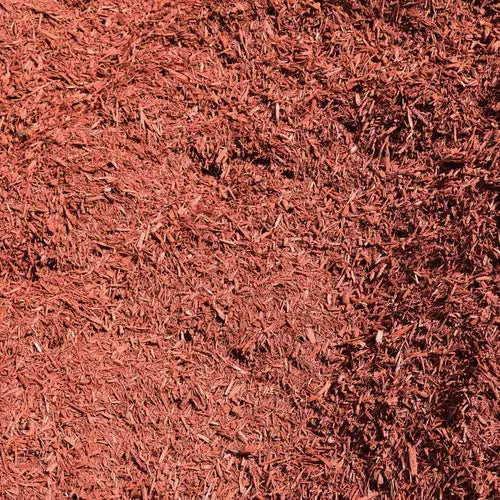
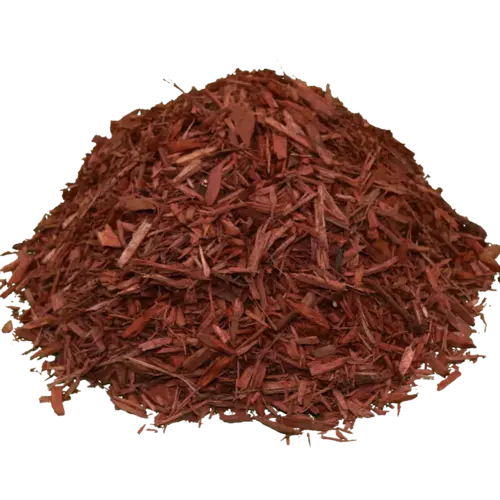
Dyed Red Mulch
Vibrant double shredded mulch that brings bold contrast to green shrubs and ornamental plantings. The intense red tone holds its color through Tennessee's rainy springs and long summers. A popular pick for adding a pop of color along driveways and front foundation beds.
Complete Your Outdoor Mulch Project
If your clay soil is heavily compacted before you mulch, consider pairing your order with a bulk topsoil or garden soil blend to loosen and amend bed areas first. Decorative stone from our inventory also works well as a border material along bed edges to keep mulch contained during Columbia's heavy rain events.
Columbia's clay soil tends to shed water during intense rain rather than absorbing it evenly. Before spreading mulch, use a garden fork or aerator to break up the top inch of compacted soil in your beds. That small step opens channels for water and mulch nutrients to work into the clay, which dramatically improves how well ornamentals establish in Columbia's feast-or-famine rain pattern throughout the growing season.
Mulch Mound Pro Tip
Keep mulch pulled back 2 to 3 inches from the base of shrub stems and tree trunks. Columbia's warm, humid summers create ideal conditions for fungal issues when organic material stays pressed against bark for extended periods. That small gap between the mulch and the plant crown improves air circulation and significantly reduces the risk of crown rot, which is a genuine concern in Maury County's moist clay soil environment.
Mulch Mound Pro Tip
With 57 inches of rain falling on Columbia each year, mulch erosion in sloped beds is a common frustration for homeowners. Shredded hardwood mulch is a better choice than nuggets or large chips for any bed with even a slight grade because the irregular fibers knit together and resist washing far better during heavy downpours. For steeper slopes, consider installing a simple timber or stone border at the downhill edge to keep your mulch investment in place through Columbia's wettest spring months.
Frequently Asked Questions
Click a question to see the answer
Answer
How thick should I apply mulch over Columbia's clay soil?
In Columbia, a 3-inch layer is the right target for most planting beds. Clay soil does not drain quickly, so going thicker than 4 inches can trap too much moisture against plant crowns after a heavy rain. Three inches gives you solid weed suppression and moisture retention without creating a soggy mat on top of ground that is already slow to absorb water.
Answer
Will mulch help my beds recover faster after a heavy spring rain?
Mulch slows surface runoff, which means rainwater soaks into the bed more gradually rather than pooling on top of compacted clay. During Columbia's wet springs, that slower infiltration reduces soil erosion in sloped beds and keeps nutrients from washing out. The mulch layer also helps the soil surface return to a workable state more quickly after a soaking rain.
Answer
When is the best time to put down fresh mulch in Columbia?
Mid-April is ideal for most Columbia homeowners. By then the last frost date of April 22 has passed, the soil is warming up, and weeds are just starting to germinate. Getting mulch down at that point smothers early weed seeds before they establish. A second application in late September or early October, ahead of the October 28 first frost window, gives perennials and shrubs an extra layer of root insulation going into winter.
Answer
Does hardwood mulch break down faster in Columbia because of all the summer rain?
Yes, Columbia's combination of heat and 57 inches of annual rainfall accelerates decomposition compared to drier climates. Natural hardwood mulch can break down noticeably within a single growing season here, especially in shaded beds where moisture lingers. That decomposition is actually beneficial because it adds organic matter to Columbia's clay soil over time, but it does mean you should plan to top off beds every year to maintain a full 3-inch depth.
Answer
Should I remove old mulch before adding a new layer?
In most cases you do not need to fully remove old mulch in Columbia. If the existing layer has broken down to less than an inch of material, simply add enough fresh mulch to bring the depth back to 3 inches. If you have several years of buildup approaching 5 or 6 inches, pull some of the older material out first. Excess depth on clay soil can keep the ground too wet between Columbia's frequent rain events and invite crown rot on shrubs and perennials.
Answer
Will dyed mulch hold its color through a Middle Tennessee summer?
Quality dyed mulch is colorfast enough to hold up well through Columbia's summers, though some fading is normal after months of direct sun and rain. Black and brown dyed mulches tend to maintain their appearance longer than red in Zone 7b conditions. Placing fresh dyed mulch in mid-April lets it look its best through the peak outdoor season, and a light top-dress in early fall can refresh the color before the landscape goes dormant.
Answer
Can mulch really protect my plants when we get an early frost in late October?
A 3-inch mulch layer acts as meaningful insulation for root zones when temperatures drop around Columbia's average first frost of October 28. It will not protect above-ground foliage, but it slows the rate at which soil temperature drops overnight, giving roots extra buffer time. For tender perennials and newly planted shrubs going into their first winter in Columbia's Zone 7b climate, that insulation can make the difference between a plant bouncing back in spring and one that does not survive.
The Unique Landscape of Columbia
Columbia's native clay soil compacts aggressively after heavy rain, leaving plant roots starved for oxygen by the time the ground dries out in midsummer. With 57 inches of annual rainfall spread unevenly across the year, the top layer of soil in Maury County alternates between waterlogged and brick-hard, which stresses shallow-rooted ornamentals and shrubs. A consistent mulch layer slows that moisture swing by holding water in the bed during dry July and August stretches and reducing surface runoff during spring downpours. Zone 7b also means Columbia gardeners face a first frost as early as October 28, so insulating the root zone before that window closes matters for perennials. Mulch is one of the most practical tools Columbia homeowners have for fighting the weed pressure that builds throughout the long growing season between the last frost on April 22 and the first fall freeze.