




I needed 3 yards of top soil and that's what I got! Right on time and right where I asked it to be placed (Order# 2041).
About this soil
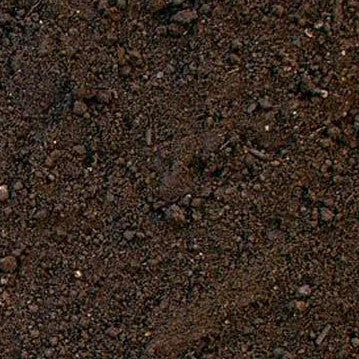
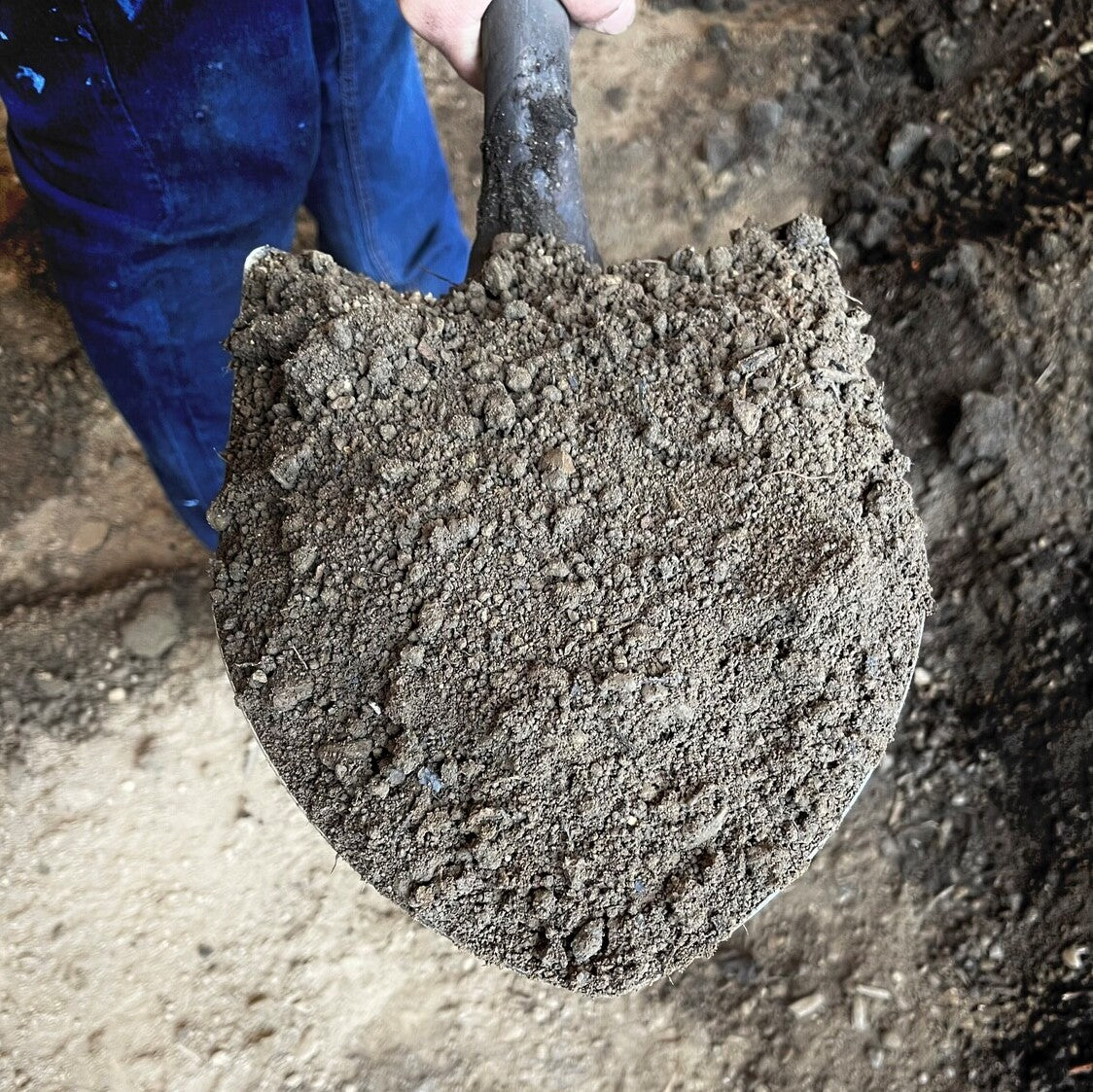
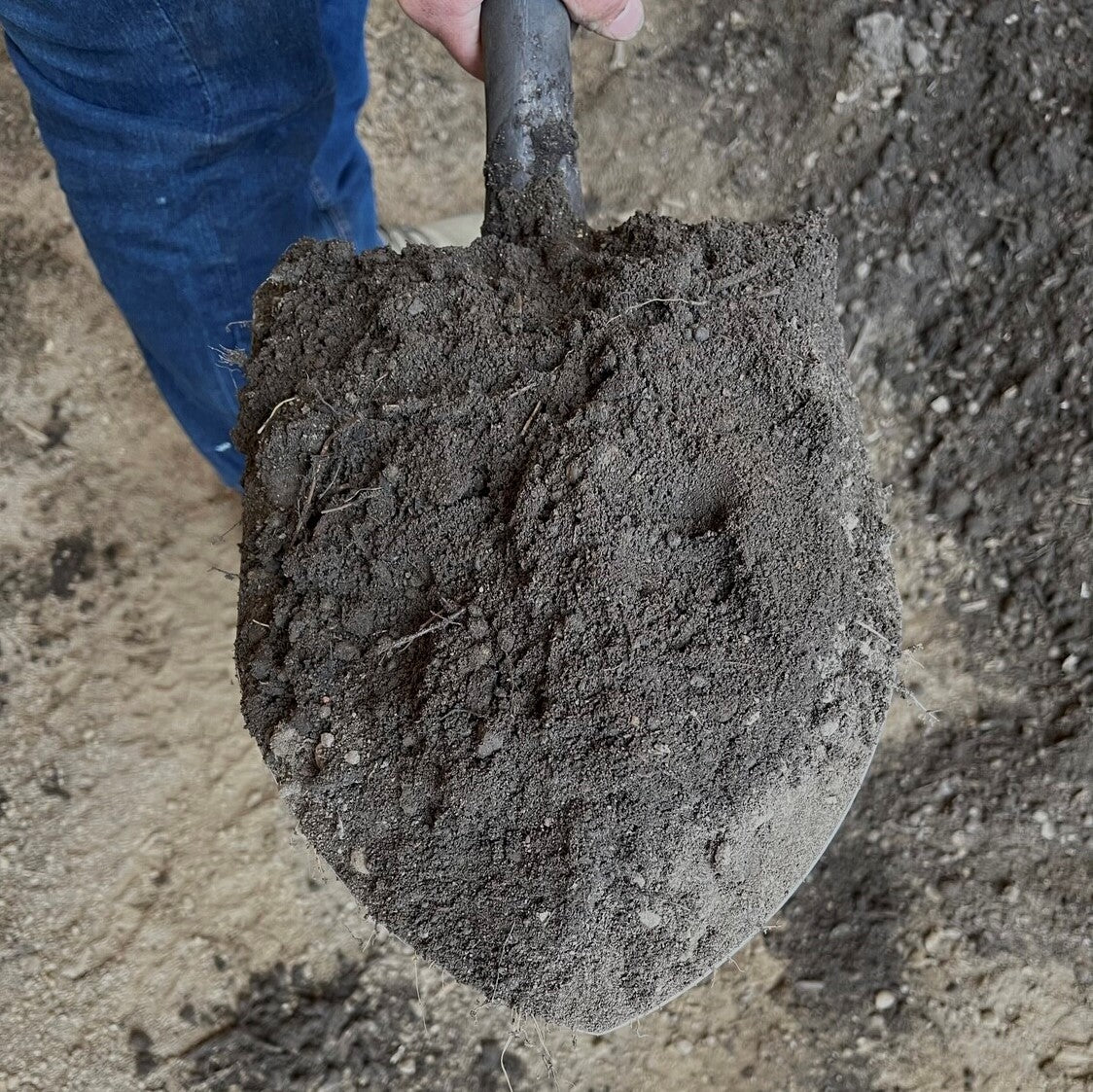
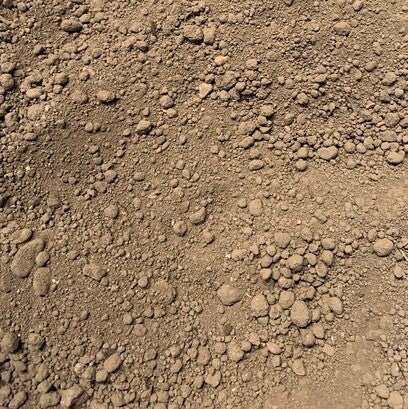
Quality topsoil for lawns, gardens, and landscape projects. Nutrient rich and ready to support strong root development and healthy plant establishment.
I needed 3 yards of top soil and that's what I got! Right on time and right where I asked it to be placed (Order# 2041).
Tell us what you're looking for
Thanks! We received your request.
Something went wrong. Please try again.
How Much Material Do I Need?
How Much Material Do I Need?
For raised garden beds in Columbia, plan on filling to a full 10 to 12 inches of depth to give roots room to grow entirely above the clay subgrade. For top-dressing and grading over existing clay lawn areas, a 2 to 4 inch layer is usually sufficient to improve surface drainage and turf performance.
Use our free soil calculator
What is a yard?
What is a yard?
FAQs
FAQs
Columbia Soil Delivery
Columbia Soil Delivery
Regular price
$119.00
per
yard
Regular price
Sale price
$119.00
Unit price
per
Shipping calculated at checkout.
Minimum of 3 yard
Couldn't load pickup availability
Not currently available
We can't take orders for this right now. Tell us what you need and we'll get back to you.
Hand-picked local yards
4,000+ regional deliveries
Dedicated support
Why order through Mulch Mound
The best local soil, without the guesswork.
We hand-pick and partner with the best yards in your region, keep only the ones our buyers rate well, and back each load with our guarantee.
Mulch Mound Guarantee
If your soil isn't the quantity or quality you ordered, we'll make it right.
About this soil
Quality topsoil for lawns, gardens, and landscape projects. Nutrient rich and ready to support strong root development and healthy plant establishment.
I needed 3 yards of top soil and that's what I got! Right on time and right where I asked it to be placed (Order# 2041).
How Much Material Do I Need?
How Much Material Do I Need?
For raised garden beds in Columbia, plan on filling to a full 10 to 12 inches of depth to give roots room to grow entirely above the clay subgrade. For top-dressing and grading over existing clay lawn areas, a 2 to 4 inch layer is usually sufficient to improve surface drainage and turf performance.
Use our free soil calculator
What is a yard?
What is a yard?
FAQs
FAQs
Tell us what you're looking for
Thanks! We received your request.
Something went wrong. Please try again.
How It Works
Getting started is easy — just follow these simple steps
1
Choose your soil
Make sure you adjust the quantity to your home's needs. You can use our calculator to estimate how much you'll need.
2
Select your delivery date
Select a delivery date you'd like for the product to be dropped off at your home
3
Sit back and wait
Sit back, wait, and let us work our magic to make sure the highest quality product is delivered to your driveway.

Highest compliments. Great driver.
Website is easy to navigate. Just a seamless process. 5 stars!!

Need Help Calculating How Much Soil You Need?
Use our NEW Trace from Satellite tool to get an estimate for your project based on an aerial view of your property
Try Our CalculatorMeasure the length and width of the area you need to fill or grade in feet, then estimate the average depth you need to add. For Columbia raised beds, a full 12 inches of blended soil is a common target. For lawn leveling over clay, even 2 to 4 inches makes a measurable difference in drainage and root depth, and you can use those numbers to calculate cubic yards by dividing the total cubic feet by 27.
Soil Types We Deliver in Columbia
Whether you are filling raised beds, grading a lawn, or refreshing tired garden areas, Mulch Mound delivers bulk soil by the yard in Columbia so you can skip the bag-by-bag trips to the store. Middle Tennessee yards often sit on dense clay that drains poorly and compacts easily, making quality soil amendments a common need for homeowners and landscapers alike. We deliver cubic yard orders direct to your property, ready to spread.
Screened Top Soil
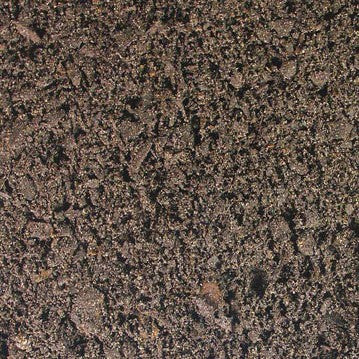
Screened Top Soil is the go-to choice for lawn repairs, garden beds, and grading projects around Columbia homes. The screening process removes clumps, rocks, and debris so it spreads and grades easily across uneven ground. It provides strong nutrient support for healthy root development in both new lawns and established planting areas.
Gardening Blend
This balanced mix of topsoil and organic amendments is well suited to the raised beds, flower gardens, and new planting areas popular with local homeowners. It drains well, holds nutrients effectively, and breaks apart easily under a shovel, making it a practical choice for spring and fall planting seasons.
Leaf Compost
Made from decomposed leaves and organic matter, this compost is ideal for improving the heavy clay soils common throughout Middle Tennessee. It boosts water retention, enhances drainage, and feeds the beneficial microorganisms that keep garden soil alive. Mix it into planting beds or spread it as a top dressing to revitalize worn ground.
Complete Your Outdoor Soil Project
Pairing bulk soil with a hardwood mulch topdress over new planting beds helps lock in moisture and moderate soil temperature through Columbia's warm summers and early fall. Adding decorative stone borders around raised beds or garden areas also keeps soil contained and reduces the amount that washes out during heavy rain events.


Service area
Areas we deliver soil in Columbia, Tennessee
Mulch Mound Pro Tip
When filling new raised beds in Columbia, resist the temptation to use straight topsoil without any organic amendment. Columbia's heat and frequent rain will compact even good topsoil over a season or two if it lacks organic matter to maintain structure. Ask for a blended garden mix or plan to work compost into the bed each spring before planting to keep the soil loose and productive through the full growing season.
Mulch Mound Pro Tip
If you are using bulk soil to level low areas in a Columbia yard that floods, overfill each depression by about half an inch above the surrounding grade before seeding. Clay-heavy yards settle noticeably after the first few heavy rains, and if you fill exactly to grade the spot often ends up slightly low again within a few months. That small extra crown gives the area room to settle into a flat, well-draining surface rather than re-forming the problem.
Mulch Mound Pro Tip
Columbia's growing season runs roughly from late April through late October, which is long enough for two rounds of vegetable production in well-prepared raised beds. Starting with quality blended soil in spring lets you plant warm-season crops like tomatoes and peppers right after the last frost clears. After pulling those plants in late September, the same loose, workable bed is ready for a fall planting of greens, kale, or root crops that can carry you right up to the first October frost.
The Unique Landscape of Columbia
Columbia's native clay soil is notoriously difficult to work with for gardens, raised beds, and lawn repairs because it compacts under foot traffic and heavy rain, leaving little pore space for roots or drainage. The city's 57 inches of annual rainfall makes that drainage problem especially visible in spring, when low spots in yards stay saturated for days after a storm and vegetable gardens planted directly into native clay struggle to germinate evenly. Imported bulk topsoil or blended garden soil gives Columbia homeowners a way to correct those conditions by building up grade, filling raised beds, or amending large areas where clay is too dense to support healthy plant growth. At 637 feet of elevation with a Zone 7b climate, Columbia has a generous growing season stretching from late April through late October, but that season only delivers on its promise when plant roots have loose, nutrient-rich soil to grow in. A quality soil blend is the foundation that makes everything else in the Columbia landscape perform the way it should.