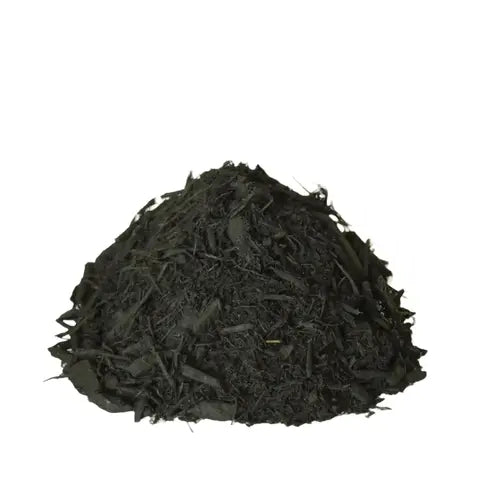
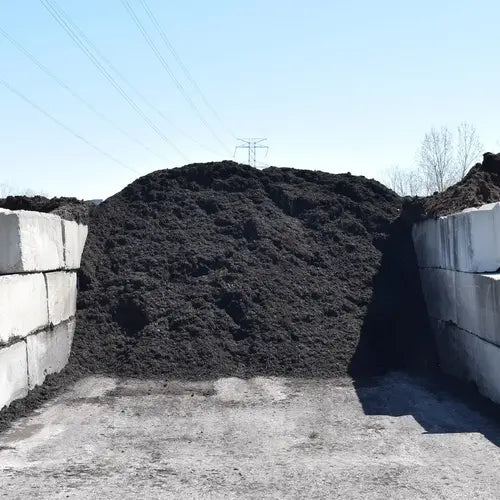
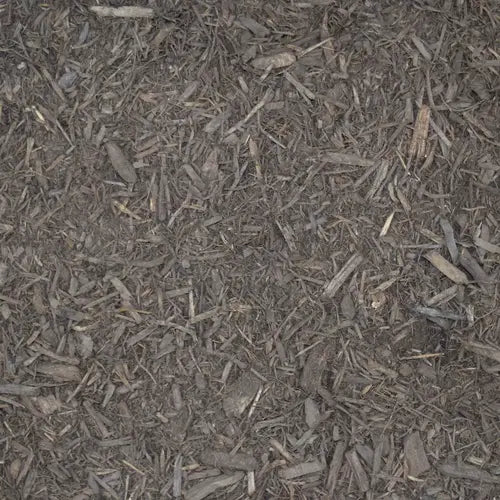
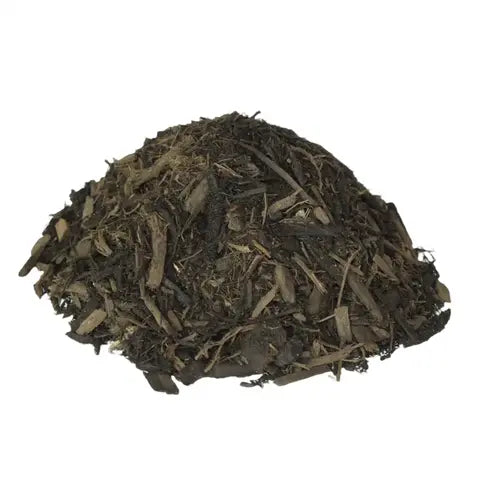
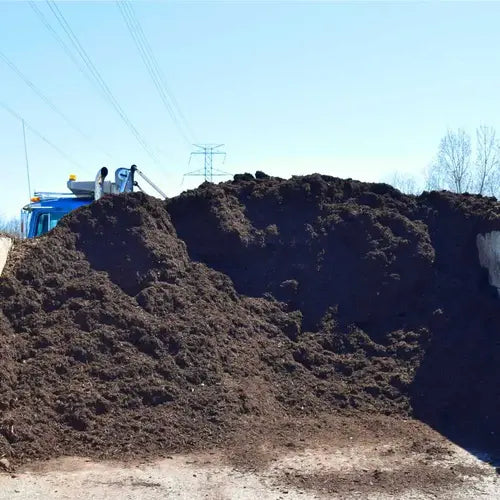
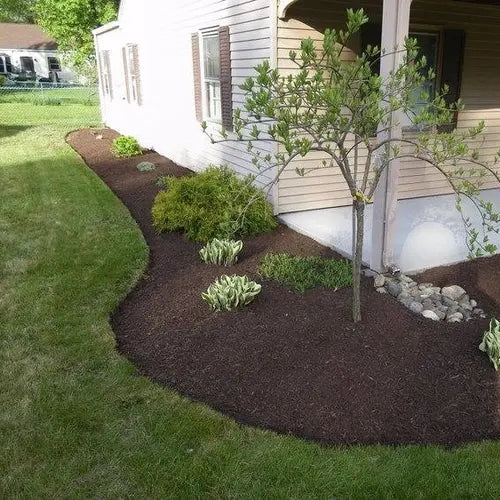
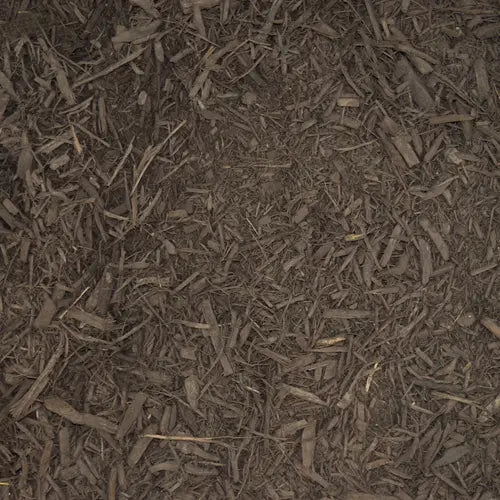
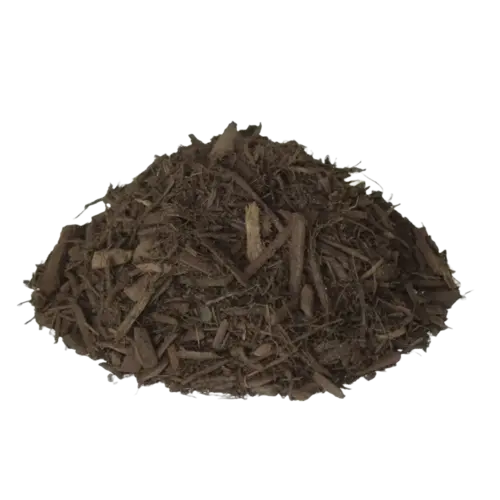
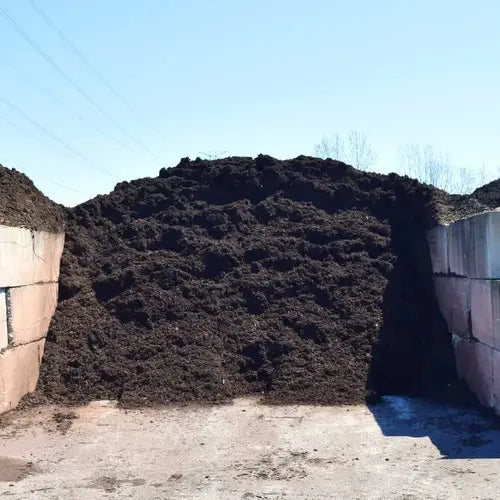
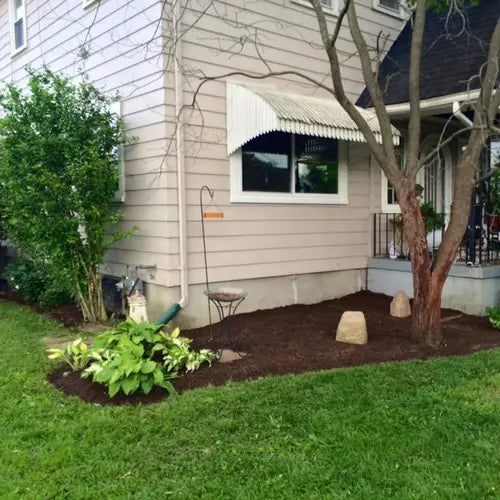
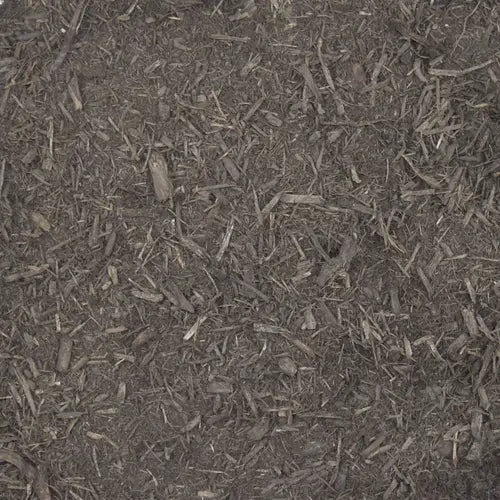
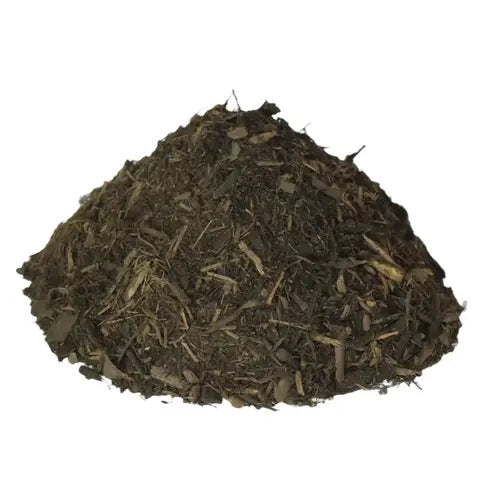
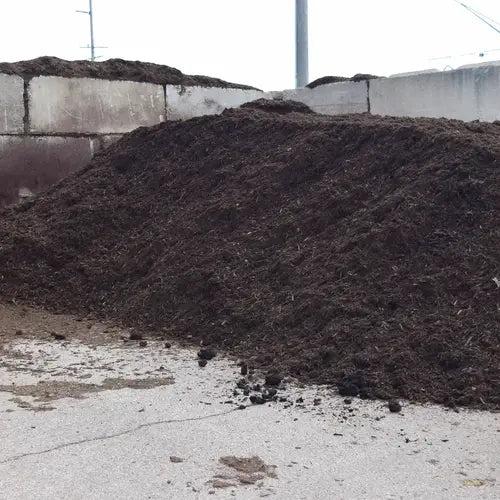
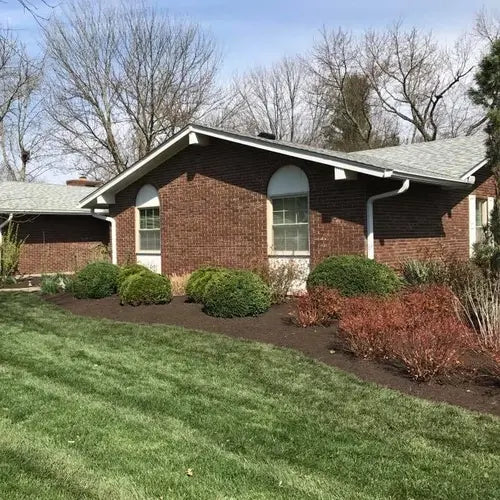
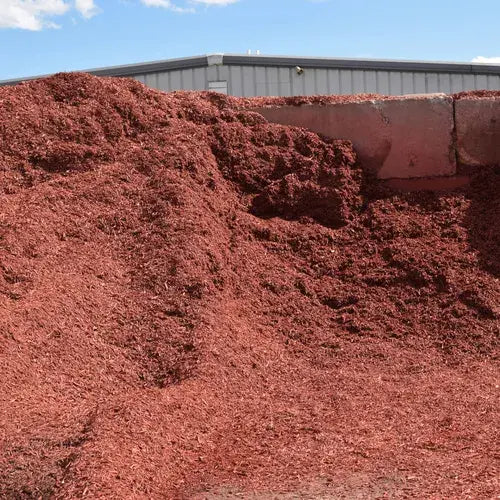
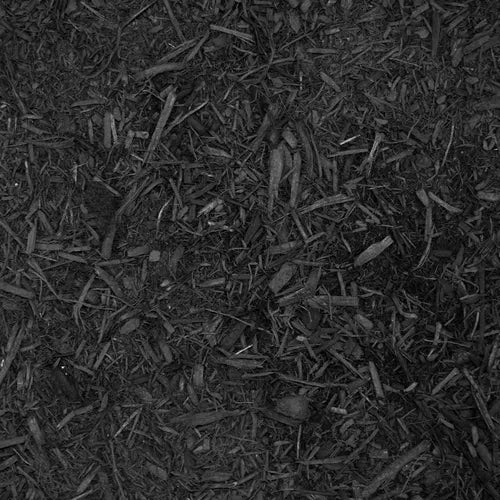
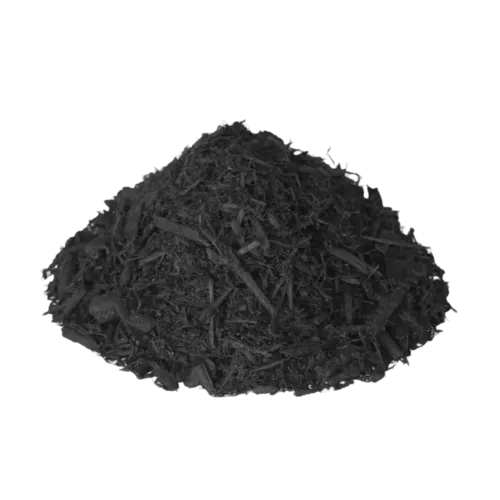
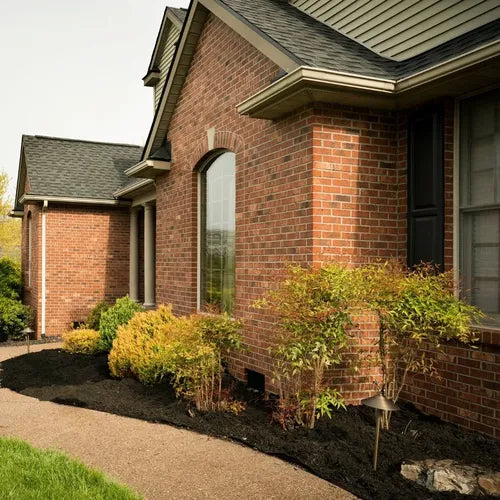
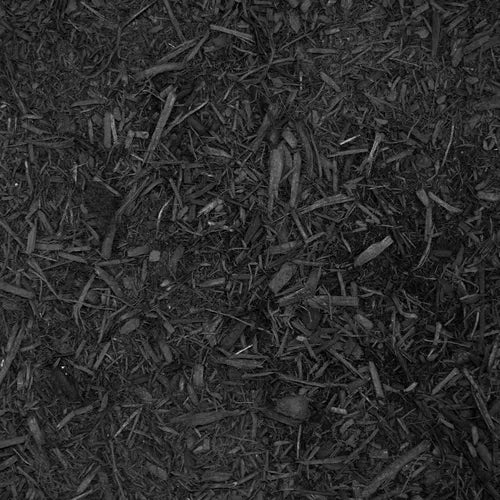
Bold black double shredded mulch that transforms beds instantly. The rich color holds strong through sun and rain, and the smooth texture spreads effortlessly.
I highly recommend Mulch Mound. The quality of the mulch is very good. The ordering system on their website makes it very easy. The delivery driver did a great job placing the mulch on the driveway. To finish off, the pricing was very reasonable as well.
Tell us what you're looking for
Thanks! We received your request.
Something went wrong. Please try again.
How Much Material Do I Need?
In Concord's red clay landscape, target 3 inches of mulch depth across all ornamental beds — this provides meaningful insulation against summer heat and enough physical mass to hold in place during the heavy rainfall events that move through Cabarrus County in spring and late summer.
Use our free mulch calculator
What is a yard?
A yard is approximately 27 cubic feet. As a general guideline, one yard of material can cover an area of about 100-160 square feet at a 2-3 inch depth.
We can't take orders for this right now. Tell us what you need and we'll get back to you.
What do you need?
Thanks! We received your request.
Something went wrong. Please try again.
Hand-picked local yards
4,000+ regional deliveries
Dedicated support
Why order through Mulch Mound
The best local mulch, without the guesswork.
We hand-pick and partner with the best yards in your region, keep only the ones our buyers rate well, and back each load with our guarantee.
Mulch Mound Guarantee
If your mulch isn't the quantity or quality you ordered, we'll make it right.
About this mulch
Bold black double shredded mulch that transforms beds instantly. The rich color holds strong through sun and rain, and the smooth texture spreads effortlessly.
I highly recommend Mulch Mound. The quality of the mulch is very good. The ordering system on their website makes it very easy. The delivery driver did a great job placing the mulch on the driveway. To finish off, the pricing was very reasonable as well.
How Much Material Do I Need?
In Concord's red clay landscape, target 3 inches of mulch depth across all ornamental beds — this provides meaningful insulation against summer heat and enough physical mass to hold in place during the heavy rainfall events that move through Cabarrus County in spring and late summer.
Use our free mulch calculator
What is a yard?
A yard is approximately 27 cubic feet. As a general guideline, one yard of material can cover an area of about 100-160 square feet at a 2-3 inch depth.
I highly recommend Mulch Mound. The quality of the mulch is very good. The ordering system on their website makes it very easy. The delivery driver...
Read full review
I highly recommend Mulch Mound. The quality of the mulch is very good. The ordering system on their website makes it very easy. The delivery driver did a great job placing the mulch on the driveway. To finish off, the pricing was very reasonable as well.
They offered a quick turnaround and delivered high quality mulch at a reasonable price. They also dropped it off exactly where I told them to put i...
Read full review
They offered a quick turnaround and delivered high quality mulch at a reasonable price. They also dropped it off exactly where I told them to put it. Good service!
Measure each bed's length and width in feet, multiply them together to get square footage, then multiply by 0.25 for a 3-inch depth to get cubic feet — divide by 27 to convert to cubic yards. Because Concord's red clay doesn't compact or absorb mulch the way sandy soils do, your material sits almost entirely on the surface, so measure accurately and round up slightly rather than short-ordering and making a second trip.
Mulch vs. No Mulch: The Difference
In Concord's Zone 8a climate, natural hardwood and pine mulches break down faster than they would in cooler regions — the combination of summer heat and 44 inches of annual rainfall accelerates decomposition, which feeds organic matter back into the red clay below but also means the layer thins more quickly than homeowners often expect. Dyed mulch uses a colorfast pigment applied to a wood base that resists breakdown, holding its appearance through Concord's wet spring and humid summer considerably longer than undyed material before fading. If soil improvement over several seasons is the primary goal, natural mulch earns its place; if curb appeal and consistent color are the priority, a dyed product buys you a full extra season of appearance before the red clay shows through.
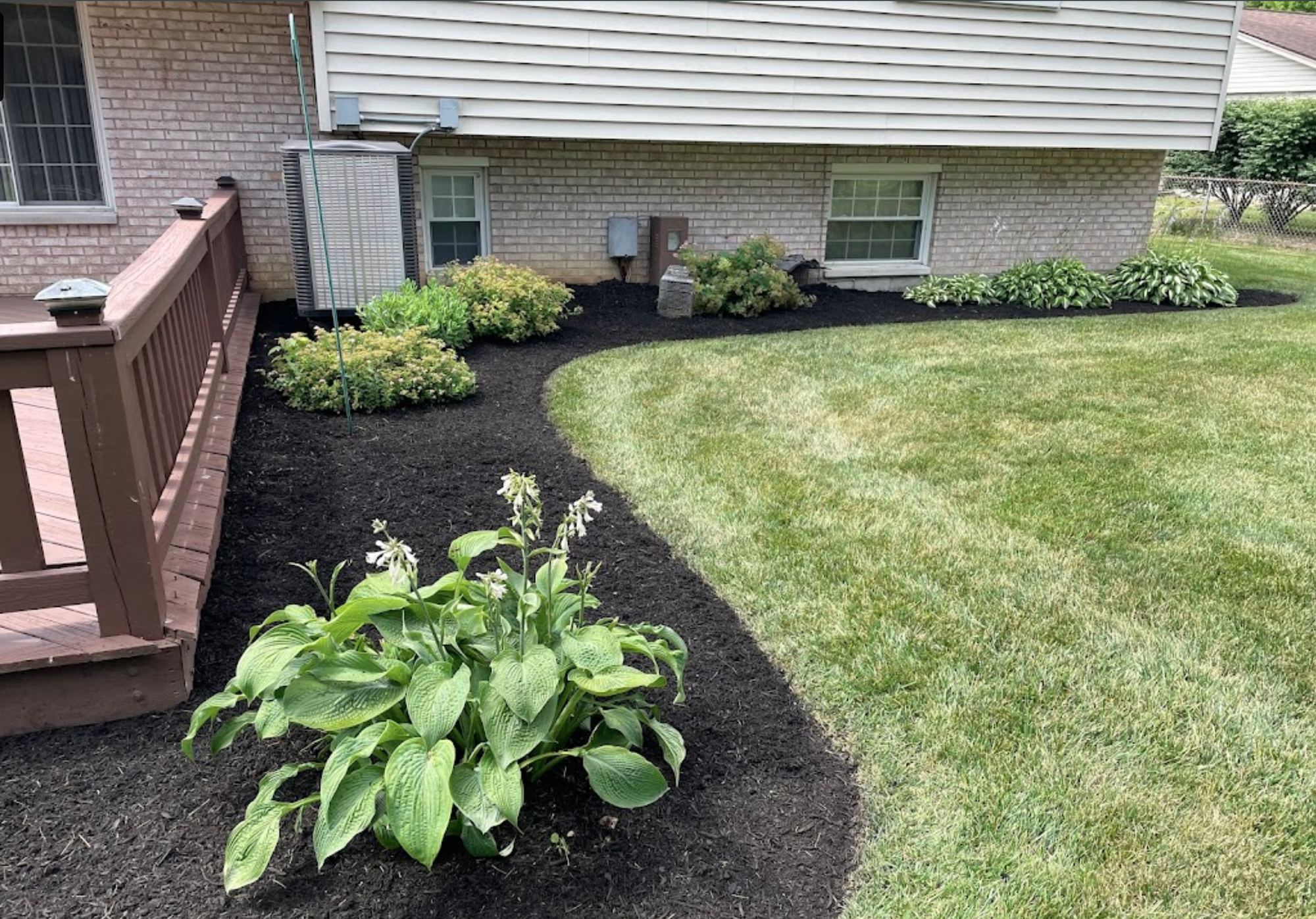
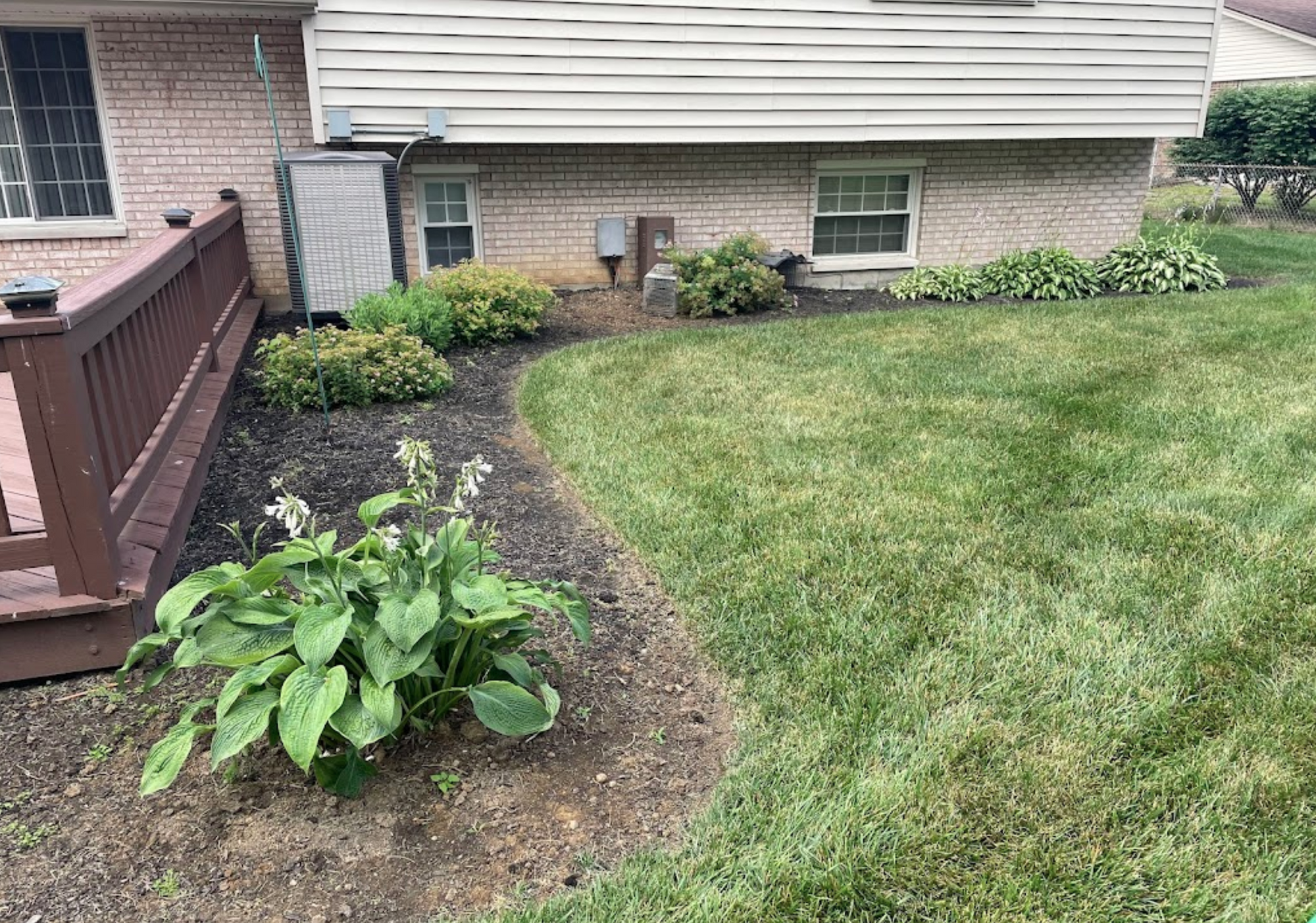
Before
After
Best Mulch Choice for Concord Lawns
Most yards in the Concord area sit on Red Clay type of soil. Concord's red clay soil forms a hard, nearly impenetrable crust when it dries out — and bare, unprotected planting beds accelerate this problem by leaving the surface fully exposed to the baking summer sun and compacting foot traffic.
Hardwood Mulch
As hardwood mulch slowly decomposes into Concord's red clay, it continuously introduces organic matter that loosens the dense particle structure over successive seasons — improving both water infiltration and root penetration without the disruption of tilling established beds.
Mulch Types We Deliver in Concord
When you need bulk mulch delivery in Concord, we bring full cubic yard loads straight to your property so you can skip the bags and cover more ground. The warm Piedmont summers and heavy clay soils common in this part of North Carolina make a consistent layer of mulch essential for moisture retention and weed control. We deliver direct from our yard and you choose the type and amount that fits your beds.
Dyed Black Mulch
Bold double shredded mulch with a deep black color that makes green plantings and colorful blooms stand out. The rich tone holds through Piedmont heat and heavy summer rain, and it spreads smoothly for a sharp, finished look in any bed.
Dyed Brown Mulch
Warm double shredded mulch with lasting color that complements the brick and traditional home styles common across this part of the Piedmont. It holds its tone for weeks and spreads smooth for a clean, polished finish in landscape beds.
Natural Brown Mulch
Available in double shredded or triple shredded, this undyed mulch delivers a warm earthy tone straight from the wood. Triple shredded breaks down faster and works well in the heavy clay soils common in the Piedmont. A good choice for gardeners who want a natural look without added color.
Cedar Mulch
Double shredded cedar brings natural pest deterrent oils and a woody aroma to any bed. A smart choice in the humid Piedmont climate where insects can stress plantings. It resists decay longer than most mulches and keeps beds looking fresh through a full North Carolina growing season.
Complete Your Outdoor Mulch Project
If your beds have compacted red clay that needs loosening before mulching, pair your order with amended garden soil to give roots a better foundation from the start — and consider stone edging along bed borders to keep mulch from migrating during Concord's heavier rain events.
Before laying fresh mulch in early spring, take advantage of the exposed soil to pull any weeds that germinated during Concord's mild late-winter stretches — henbit, chickweed, and hairy bittercress often appear in February before the last frost. Red clay holds weed roots surprisingly tight when moist, so work right after a rain when the soil is pliable. Clearing these winter annuals before mulching means you aren't simply covering them to re-emerge and flower through your fresh layer a few weeks later.
Mulch Mound Pro Tip
Zone 8a supports a wide range of acid-loving plants — azaleas, camellias, and gardenias are fixtures in Concord landscapes — and pine bark or pine straw mulch can modestly lower soil pH as they decompose, which those plants appreciate. However, Concord's red clay already tends to run on the acidic side in the Piedmont, so run an annual soil test before defaulting to pine-based products in mixed beds. Pushing pH too low over several seasons can lock out nutrients even for plants that prefer acidic conditions.
Mulch Mound Pro Tip
Concord's 44 inches of annual rainfall arrives unevenly — intense spring storms and late-summer events can physically displace lightweight mulch from sloped beds in a single afternoon. If your yard has any grade, choose a shredded hardwood product over chunky bark nuggets. The irregular fibrous texture of shredded material knits together when it settles, resisting the washing and displacement that round nuggets experience when water moves quickly across the surface during Cabarrus County's heavy-rain events.
Frequently Asked Questions
Click a question to see the answer
Answer
How thick should I apply mulch in my Concord yard?
Three inches is the target depth for most ornamental beds in Concord — deep enough to suppress the aggressive weed flush that begins right after the last frost around March 15, but not so thick it suffocates shallow roots or holds excess moisture against plant crowns during the wet spring months. On beds with any slope, where Concord's heavier rain events cause runoff, a slightly deeper application on the uphill edge helps anchor the material and prevent it from washing downhill.
Answer
Will mulch actually help my plants get through Concord's summer heat?
Significantly. Soil surface temperatures under exposed red clay can spike well above air temperature during Concord's July and August heat, stressing shallow root systems even when you're watering regularly. A 3-inch mulch layer can hold the root zone 10 to 15 degrees cooler than bare soil, which makes a real difference for plants like azaleas, gardenias, and hydrangeas — all extremely popular in Zone 8a landscapes — that struggle when roots overheat.
Answer
How often will I need to replenish mulch in this part of North Carolina?
Plan on a fresh top-dressing every 12 to 18 months for natural hardwood mulch. Concord's combination of heat, humidity, and 44 inches of annual rainfall speeds up decomposition compared to drier or cooler climates — that's a net benefit for your soil long-term, but it means the layer thins faster than you might expect. Dyed mulch typically holds its color for about one full season before it fades noticeably, though the underlying wood base is still providing soil benefit even after the color is gone.
Answer
Should I keep mulch away from my house foundation here in Concord?
Yes, and it matters more in Concord than in drier climates. With 44 inches of annual rainfall, mulch piled against a foundation wicks moisture into siding or brick over time and creates persistently damp conditions that invite both wood rot and subterranean termites. Maintain a 6-inch clear gap between your mulch bed and any structure, and make sure the grade slopes slightly away from the foundation so rain doesn't pool along the base during the heavy spring storms common in Cabarrus County.
Answer
What's the best time of year to put down fresh mulch in Concord?
Early spring — right around the last frost date of March 15 — is the prime window. Refreshing mulch at that point locks soil moisture in before the dry stretches of May arrive, suppresses the first flush of warm-season weeds, and insulates root systems that are just breaking dormancy after winter. A second light top-dressing in late October, just ahead of the November 15 first frost, helps protect perennial roots through winter and gives beds a clean, finished look heading into the dormant season.
Answer
Does mulch attract pests or snakes in this area?
Moist mulch does create harborage that certain insects find attractive, and Concord's warm, humid summers extend pest activity season considerably. Keeping the layer at 3 inches — rather than piling it deeper — limits the dark, damp hiding space that slugs, earwigs, and the non-venomous snakes that hunt them prefer. Pulling mulch slightly back from perennial crowns also improves airflow at the base of plants, reducing the conditions that encourage fungal issues during Concord's humid late summer.
Answer
Can mulching my beds actually improve the red clay soil underneath over time?
Yes, and it's one of the most hands-off soil improvement strategies available to Concord homeowners. As natural hardwood mulch decomposes on top of the red clay, earthworms and soil microbes incorporate that organic matter downward, gradually improving water infiltration and softening the compacted texture. It takes several seasons of consistent top-dressing to see meaningful change, but over time you'll notice plant roots penetrating deeper and beds needing less watering during Concord's summer dry spells.
The Unique Landscape of Concord
Concord's heavy red clay soil compacts under foot traffic and summer heat, restricting the oxygen and water movement that ornamental beds depend on to stay healthy. A consistent mulch layer acts as a buffer between your soil surface and the intense Zone 8a sun, keeping root zones measurably cooler during the stretches of 90°F-plus heat that Cabarrus County sees from June through August. With 44 inches of annual rainfall arriving largely in short, intense bursts, unprotected beds in Concord experience significant surface erosion and nutrient loss — a proper mulch layer slows that process dramatically. The growing season here runs from the last frost around March 15 all the way to mid-November, meaning mulch has to perform for eight solid months of fluctuating temperature and moisture. Choosing the right product and applying it at the correct depth ensures your plants stay insulated and your beds look intentional through every stage of Concord's demanding growing cycle.