

Skip to product information
1 of 0
Concord Soil Delivery

Concord Soil Delivery

Concord Soil Delivery

Regular price $55.00 per yard
Regular price Sale price $55.00
Sale Sold out
Type
Style
Minimum of 3

For new garden beds in Concord, install at least 8 to 12 inches of quality soil above the native red clay to give plant roots enough improved growing medium before they hit the dense subgrade; for lawn leveling and topdressing, 1 to 3 inches applied in stages is typically the right range depending on how severe the grade issue is.
Use our free soil calculator

A yard is approximately 27 cubic feet. As a general guideline, one yard of material can cover an area of about 100-160 square feet at a 2-3 inch depth.

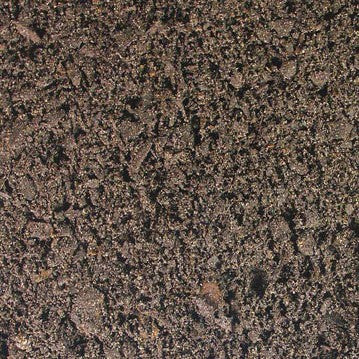
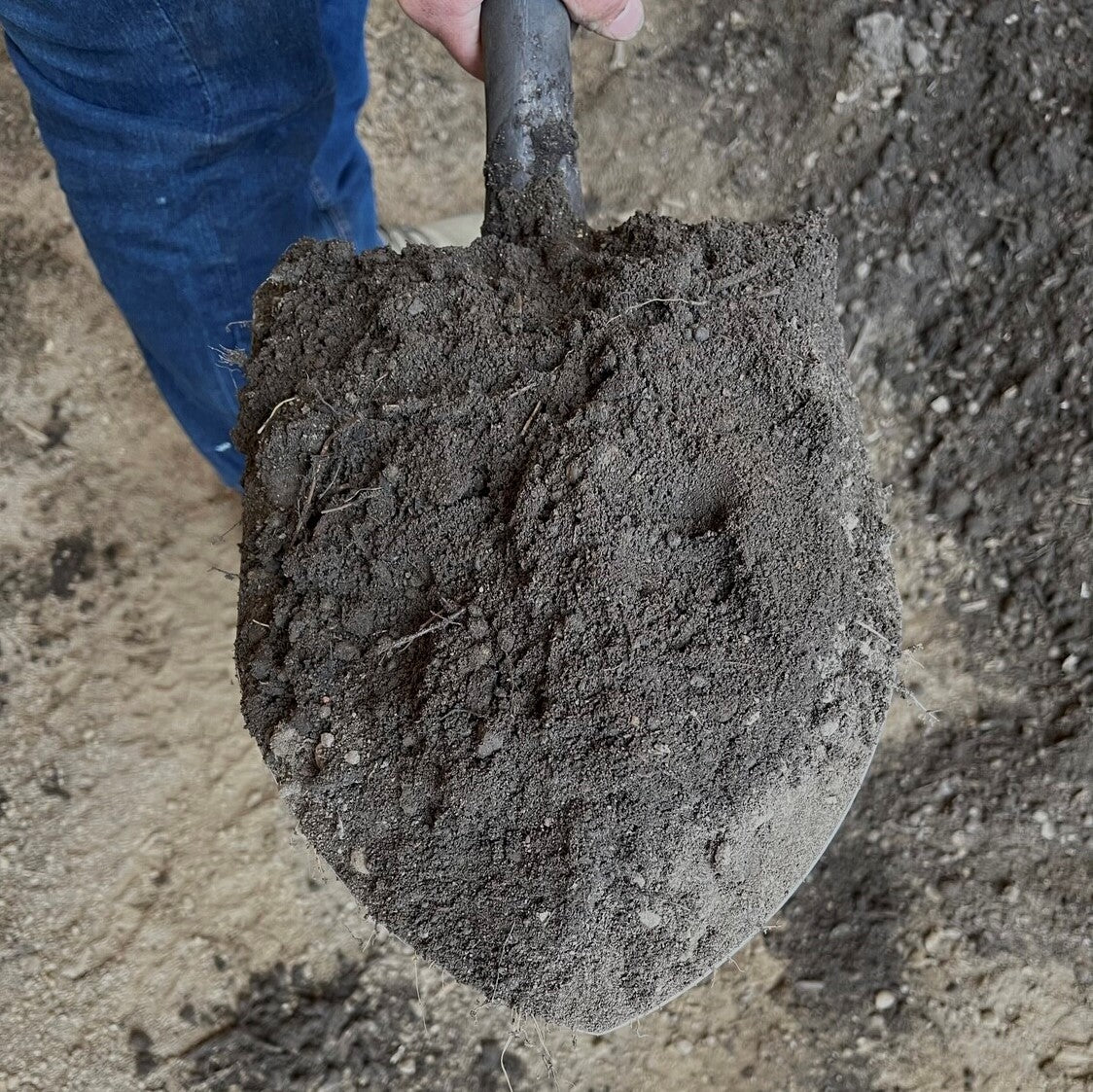
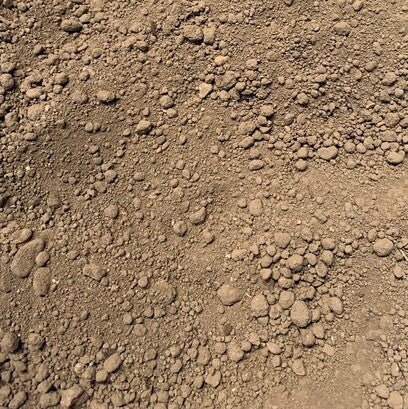
Quality topsoil for lawns, gardens, and landscape projects. Nutrient rich and ready to support strong root development and healthy plant establishment.

View full details

How It Works

Getting started is easy — just follow these simple steps

1

Choose your soil

Make sure you adjust the quantity to your home's needs. You can use our calculator to estimate how much you'll need.

2

Select your delivery date

Select a delivery date you'd like for the product to be dropped off at your home

3

Sit back and wait

Sit back, wait, and let us work our magic to make sure the highest quality product is delivered to your driveway.

What Concord Customers Like About Our Soil

4.8
out of 5 based on 104 reviews
Google Reviews

Need Help Calculating How Much Soil You Need?

Use our NEW Trace from Satellite tool to get an estimate for your project based on an aerial view of your property

Try Our Calculator
📍

Measure your project area in feet, multiply length by width by the depth in feet — so 8 inches equals 0.67 feet — to get cubic feet, then divide by 27 to convert to cubic yards. For Concord projects, add roughly 10% to your calculated order to account for settling: imported soil placed over compacted red clay drops noticeably as it absorbs the first several heavy rain events and the clay below adjusts.

Complete Your Outdoor Soil Project

Once your soil is in place, protect the surface with a 3-inch layer of mulch to prevent compaction from Concord's heavy spring rains and to reduce surface evaporation during summer dry spells — and consider stone edging to keep both soil and mulch contained in well-defined bed areas.

Map of Concord, North Carolina

Areas We Deliver Soil in Concord, North Carolina

No cities found for this region.

See All Locations

Frequently Asked Questions

Click a question to see the answer

Answer

How much topsoil do I need to level out my Concord lawn?

For filling minor depressions in an established Concord lawn, a quarter to half inch of topsoil across the affected area is usually sufficient to raise low spots without smothering existing warm-season grass. For more significant grade corrections — which are common in Concord neighborhoods built on cut-and-fill red clay sites — you may need several inches applied in stages, allowing the grass to grow through each layer before adding the next so the turf isn't buried and killed outright.

Answer

Can I just till my red clay and use it as a garden bed?

Tilling red clay improves its structure temporarily, but once it goes through a few wet-dry cycles driven by Concord's rainfall patterns, it re-compacts and forms a dense hardpan that roots struggle to penetrate. Without significant organic matter incorporated at tilling time, the improvement lasts less than a single growing season. Bringing in quality amended soil — either as a full bed replacement or blended in at a 50/50 ratio — creates a lasting improvement rather than a fix that reverses itself before summer ends.

Answer

What type of soil works best for raised vegetable beds in Concord?

A blended garden mix containing compost, aged bark fines, and a topsoil component performs well for raised beds in Concord's Zone 8a climate. This type of blend drains freely enough to prevent waterlogging — important because raised beds built directly over red clay can still experience water-table backup during Concord's heavy spring rains if the bed soil drains faster than the clay underneath can accept it — while retaining enough structure to hold nutrients and moisture during the dry stretches of May and September.

Answer

When is the best time to bring in soil for a new garden bed in Concord?

Late February through early March — just ahead of Concord's last frost around March 15 — is ideal for vegetable and annual flower beds, giving you time to get soil placed and settled before the planting window opens. For fall gardens, plan deliveries by late August so beds are ready for cool-season crops like kale, lettuce, and broccoli that thrive in Concord from September through the first frost in mid-November.

Answer

How do I improve drainage in a chronically wet low spot in my Concord yard?

Low spots on red clay sites hold water because the soil structure doesn't allow rapid infiltration and there's no path for it to escape quickly. Raising the grade with quality topsoil helps, but if water is flowing into the depression from surrounding areas, fill alone will shift the problem rather than solve it. Pairing a soil fill with a French drain or a stone dry creek bed gives incoming water a managed path to move through and away from the area, addressing the root cause rather than just covering it.

Answer

How many cubic yards of soil do I need to fill raised garden beds?

A standard 4x8 raised bed filled to 12 inches deep requires roughly 0.9 cubic yards of soil — so one yard covers one bed with a small amount left over. If you're building multiple raised beds at once to work around Concord's red clay — a very common approach in the area — ordering in bulk significantly reduces the cost per yard compared to bagged products, and you'll have material on hand to top-dress beds as the soil settles over the first few rain cycles.

Answer

Will imported soil blend naturally with my red clay base over time?

Yes, gradually. Earthworm activity, plant root growth, and Concord's regular rainfall all work to integrate the transition zone between imported topsoil and native red clay below. To speed this process, lightly work the top inch or two of native clay before placing your imported material so there's no sharp interface that roots have to punch through. Adding mulch on the soil surface above further drives organic matter cycling that continues blending both layers over successive seasons.

Mulch Mound Pro Tip

When building raised beds over Concord's red clay, resist sealing the bottom with landscape fabric expecting it to isolate your growing mix from the clay permanently. After a few seasons of rainfall, clay particles migrate upward through fabric via water movement, gradually degrading your soil structure from below. Instead, lay flattened cardboard or several layers of newspaper at the base — it breaks down naturally within a season, initially blocks weed and grass growth from below, and allows earthworms to move freely between the clay and your imported soil, which improves both layers over time.

Mulch Mound Pro Tip

Concord's growing season runs from mid-March to mid-November — about eight months of active planting. If you're bringing in new soil for a spring garden, run a basic soil test through the NC Department of Agriculture before you plant into the fresh material. Even high-quality imported topsoil may need lime or specific nutrient adjustments depending on the crops you're growing, and knowing your pH before planting saves you from diagnosing nutrient deficiencies mid-season when plants are already under heat stress.

Mulch Mound Pro Tip

Lawn leveling in Concord is best done in late spring when warm-season grasses like Bermuda and zoysia — the dominant lawn types in Zone 8a — are actively growing and can push up through light topdressing applications within days. Avoid heavy soil applications in fall, when these grasses are heading into dormancy and won't recover before the first frost around November 15. Thin, staged applications during the active growing season produce far cleaner results than a single deep fill that buries turf entirely.

The Unique Landscape of Concord

Concord sits on a dense red clay base that creates real obstacles for homeowners trying to establish healthy lawns, productive gardens, or defined planting areas. Red clay compacts readily under foot traffic and equipment weight, limiting root penetration and causing water to puddle on the surface rather than infiltrate during rain events. Because the region receives 44 inches of rainfall annually — much of it arriving in short, intense bursts — poor drainage in unimproved clay beds can leave plant roots saturated for days after a storm, promoting rot and disease. Bringing in quality topsoil or amended garden soil allows Concord homeowners to create growing environments with improved structure, adequate nutrient levels, and the drainage that native clay simply cannot provide on its own. Whether you're grading a lawn, building raised vegetable beds, or amending an existing planting area ahead of Concord's March 15 planting window, the right soil product is the foundation on which everything else depends.
