




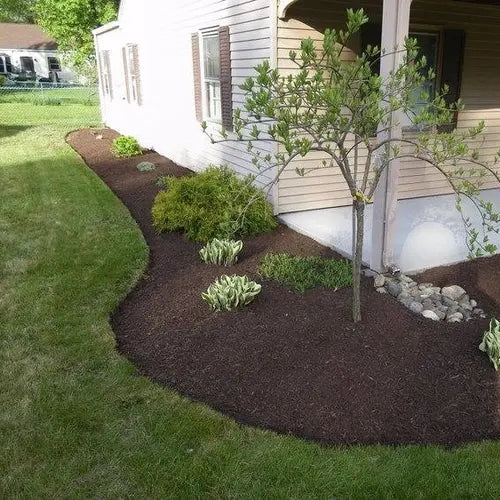

Delivery was smooth and on time!
The triple shredded mulch was great quality and just what we were looking for.
About this mulch
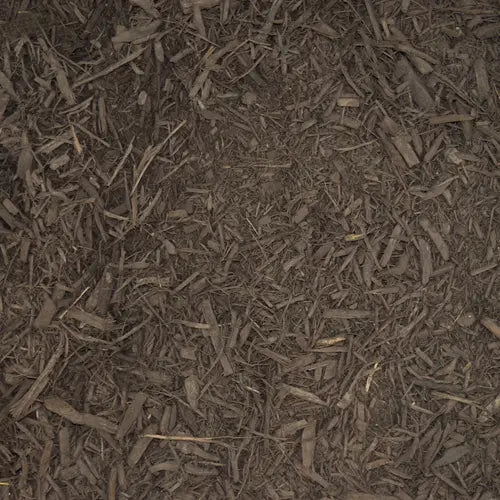
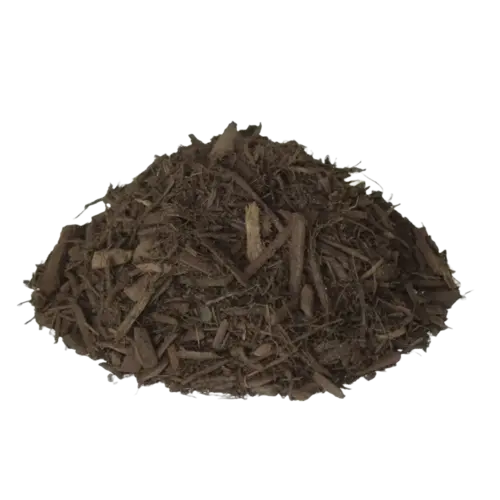
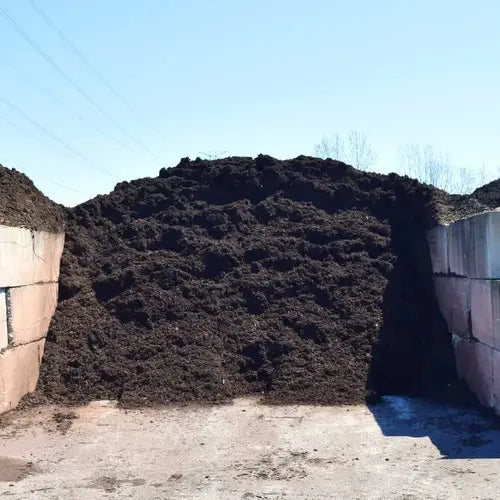
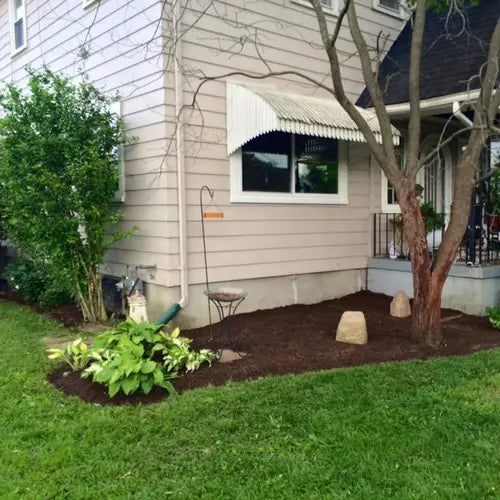
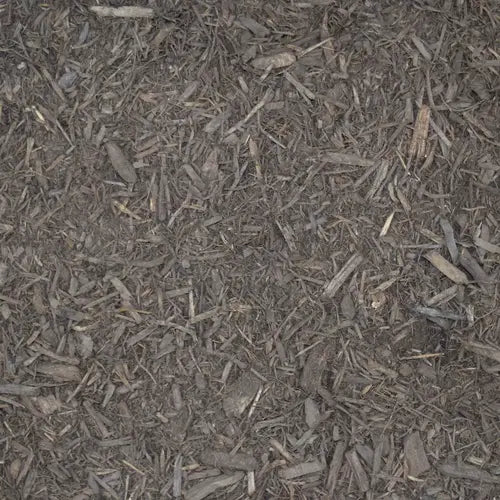
Warm brown double shredded mulch with lasting color that looks freshly applied for weeks. Spreads smooth, stays put, and gives beds a natural, polished appearance.
Delivery was smooth and on time!
The triple shredded mulch was great quality and just what we were looking for.
Tell us what you're looking for
Thanks! We received your request.
Something went wrong. Please try again.
How Much Material Do I Need?
How Much Material Do I Need?
For Conneaut's silt loam soil, aim for 3 inches of mulch in most plant beds and 2 inches around shallow-rooted perennials where the soil's natural moisture retention is already high. Avoid piling mulch against plant stems or tree bark, especially in areas that stay damp from the region's frequent spring rain events.
Use our free mulch calculator
What is a yard?
What is a yard?
FAQs
FAQs
Conneaut Mulch Delivery
Conneaut Mulch Delivery
Regular price
$64.00
per
yard
Regular price
Sale price
$64.00
Unit price
per
Shipping calculated at checkout.
Minimum of 3 yard
Couldn't load pickup availability
Not currently available
We can't take orders for this right now. Tell us what you need and we'll get back to you.
Hand-picked local yards
4,000+ regional deliveries
Dedicated support
Why order through Mulch Mound
The best local mulch, without the guesswork.
We hand-pick and partner with the best yards in your region, keep only the ones our buyers rate well, and back each load with our guarantee.
Mulch Mound Guarantee
If your mulch isn't the quantity or quality you ordered, we'll make it right.
About this mulch
Warm brown double shredded mulch with lasting color that looks freshly applied for weeks. Spreads smooth, stays put, and gives beds a natural, polished appearance.
Delivery was smooth and on time!
The triple shredded mulch was great quality and just what we were looking for.
How Much Material Do I Need?
How Much Material Do I Need?
For Conneaut's silt loam soil, aim for 3 inches of mulch in most plant beds and 2 inches around shallow-rooted perennials where the soil's natural moisture retention is already high. Avoid piling mulch against plant stems or tree bark, especially in areas that stay damp from the region's frequent spring rain events.
Use our free mulch calculator
What is a yard?
What is a yard?
FAQs
FAQs
Tell us what you're looking for
Thanks! We received your request.
Something went wrong. Please try again.

How It Works
Getting started is easy — just follow these simple steps
1
Choose your Mulch
Make sure you adjust the quantity to your home's needs. You can use our calculator to estimate how much you'll need.
2
Select your delivery date
Select a delivery date you'd like for the product to be dropped off at your home
3
Sit back and wait
Sit back, wait, and let us work our magic to make sure the highest quality product is delivered to your driveway.

Great experience with mulch mound. Their online calculator made it easy to estimate how many yards of mulch I needed and delivery was quick. I woul...
Read full review
Great experience with mulch mound. Their online calculator made it easy to estimate how many yards of mulch I needed and delivery was quick. I would definitely recommend them for your future projects.

We needed mulch for our HOA common areas. Local providers were all holding high prices even for 40 yards of mulch. Mulch mound was easy to wowith...
Read full review
We needed mulch for our HOA common areas. Local providers were all holding high prices even for 40 yards of mulch. Mulch mound was easy to wowith & has great price for natural mulch + delivery schedule options. They called before delivery to ensure Delivery was exactly where we wanted it.
Calculate mulch for your Conneaut project
For Conneaut's Silt Loam type of soil, we recommend 2-3 inches for best weed suppression and moisture retention
Try Our CalculatorMeasure each bed by length and width in feet and multiply to get square footage, then add up all your bed areas before calculating yards needed. At a 3-inch depth, one cubic yard of mulch covers roughly 100 square feet, which is a handy number to keep in mind for Conneaut properties where beds often wrap around mature trees and large foundation plantings. Always round up slightly because silt loam beds with uneven surfaces and root interruptions typically use a bit more material than a perfectly flat calculation suggests.
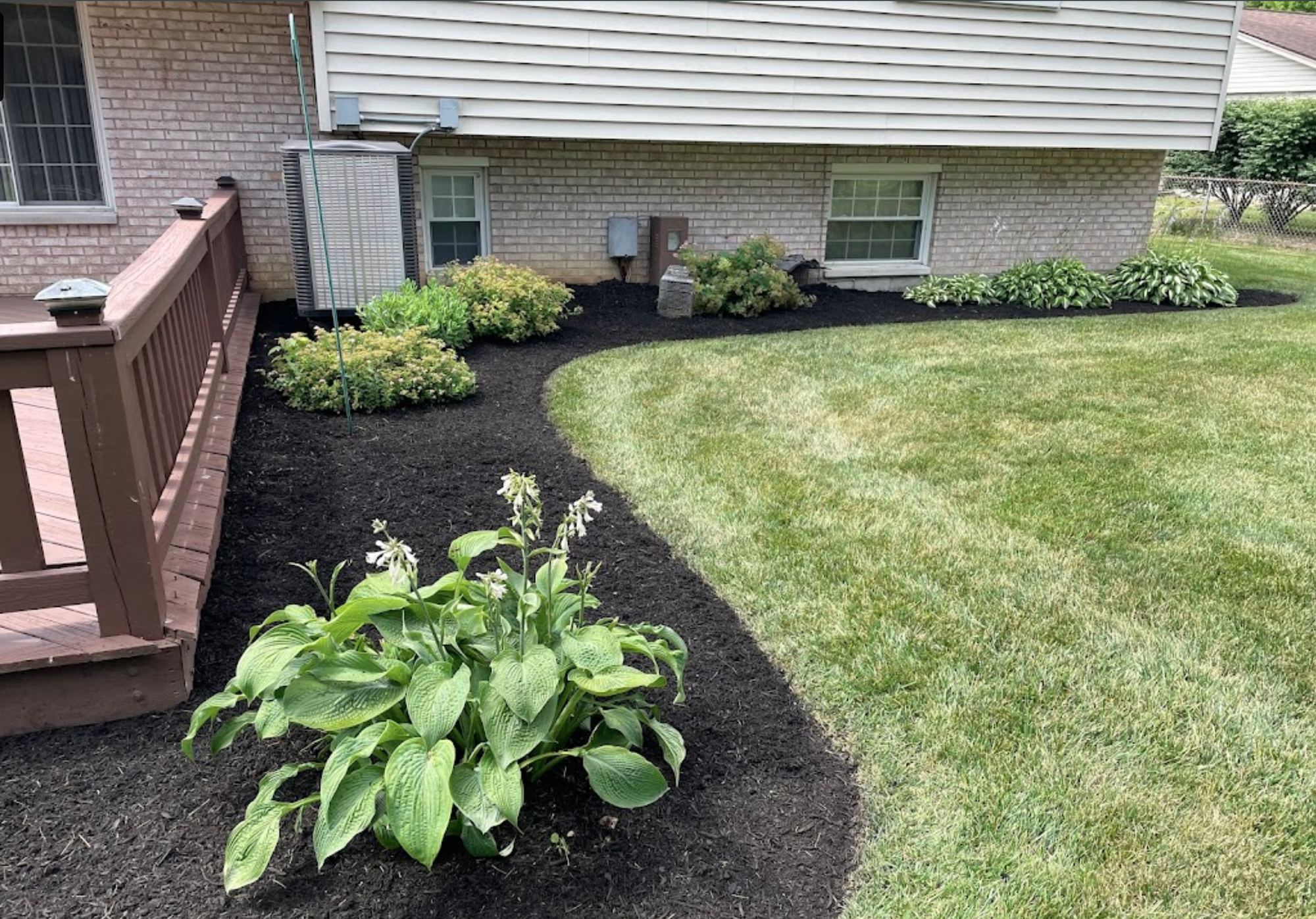
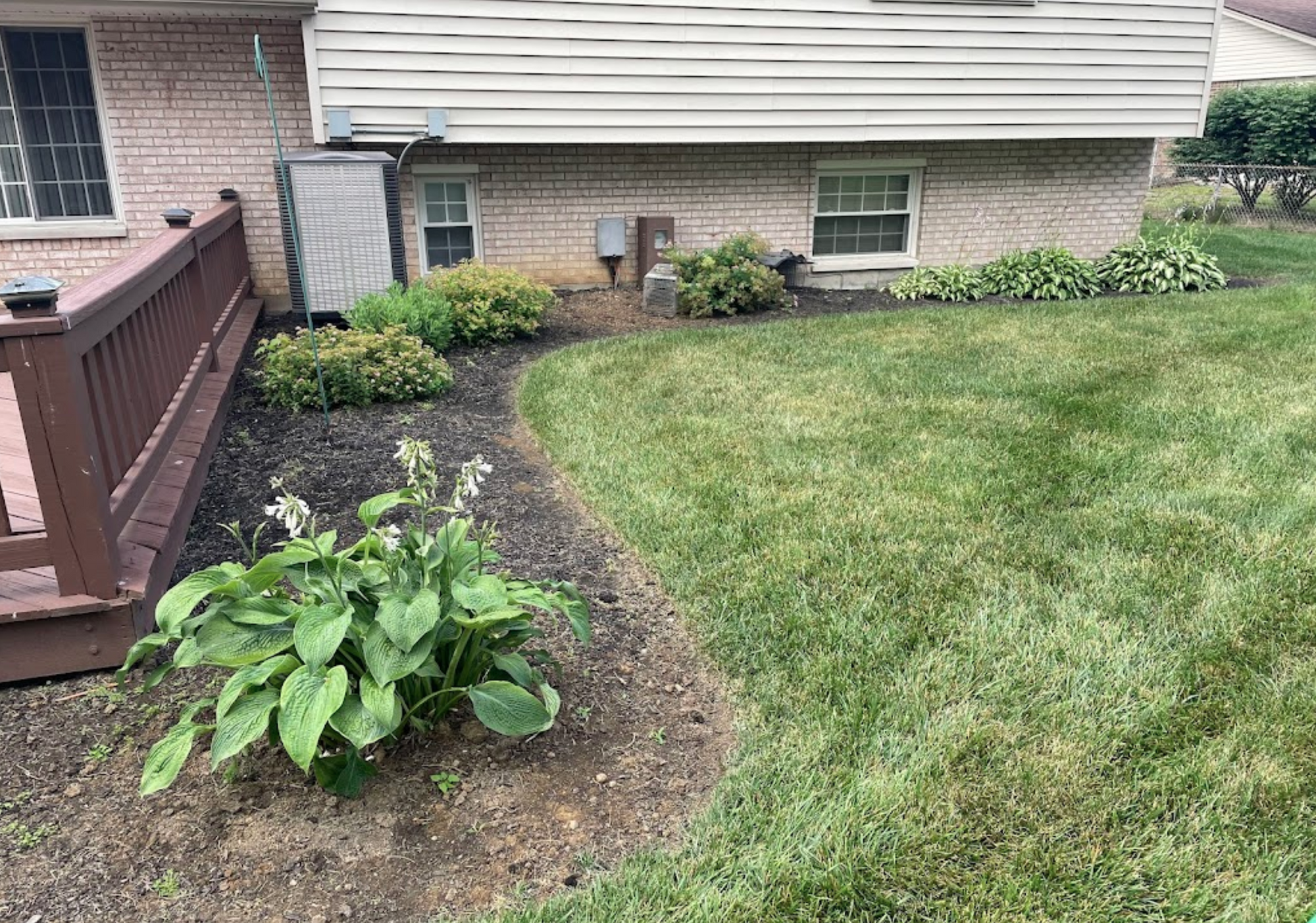

Best Mulch Choice for Conneaut Lawns
Most yards in the Conneaut area sit on Silt Loam type of soil. Conneaut's silt loam is prone to surface crusting after repeated rain events, which suffocates plant roots and makes it hard for water to penetrate into the bed during drier stretches. A coarse-textured mulch layer breaks that cycle by absorbing rainfall impact and keeping the soil surface open and workable throughout the season.
Hardwood Mulch
As hardwood mulch slowly decomposes into Conneaut's silt loam, it adds the organic matter that this soil type naturally lacks in most residential settings, loosening the texture and improving drainage over multiple seasons. The result is a progressively softer, more workable bed that resists the compaction and surface crusting that make silt loam so challenging to maintain without consistent amendment.
Mulch Types We Deliver in Conneaut
Getting bulk mulch delivery in Conneaut has never been easier, whether you are refreshing a few flower beds or mulching an entire property. Mulch Mound delivers by the cubic yard, dropping your order right where you need it so there is no hauling, no bags, and no wasted trips. Northeastern Ohio's clay-heavy soils and cold winters make a fresh layer of mulch each season both practical and worthwhile.
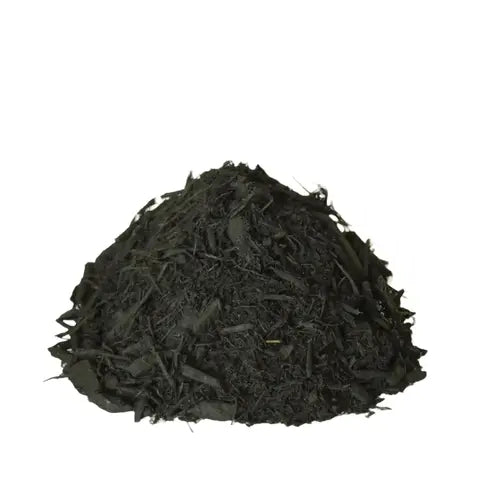
Dyed Black Mulch
Dyed Black Mulch comes double shredded for a smooth, even spread that makes plant colors and stone accents stand out against the bed. The bold tone holds up well through the wet springs and cool summers typical here, giving beds a polished, high-contrast look that stays fresh for weeks.
Dyed Brown Mulch
Dyed Brown Mulch is double shredded to a smooth texture that spreads cleanly across garden beds and borders. The warm brown color blends naturally with the earthy tones common to this region's landscape, and the lasting dye keeps beds looking freshly done well into the growing season.
Natural Brown Mulch
Natural Brown Mulch is double shredded and free of any dye, showing the warm, honest color of the wood itself. It pairs well with the traditional home styles and established shade trees found throughout this corner of Ohio, and it breaks down over time to help condition the region's heavier clay soils.
Complete Your Outdoor Mulch Project
If you are refreshing beds alongside your mulch order, consider adding bulk topsoil to build up low spots or enrich thin planting areas before you mulch over them. A border of decorative stone around bed edges also helps keep mulch in place during Conneaut's heavy spring rain events when loose material tends to scatter.


Mulch Mound Pro Tip
Conneaut's silt loam warms slowly in spring because it holds residual moisture from snowmelt well into April. Pull mulch back a few inches from bed centers in late March to let the soil warm faster, then re-spread it after planting once temperatures stabilize above freezing overnight. This small step speeds germination and gives transplants a stronger head start before the last frost window closes around April 15.
Mulch Mound Pro Tip
Lake-effect weather patterns bring Conneaut sudden heavy rain events that can displace lightweight mulch from sloped beds toward the street or neighboring properties. If your yard has any grade, choose a double-ground hardwood mulch rather than a finely shredded product for those areas. The denser, more interlocked texture of double-ground material resists washing and holds its position far better on slopes during the intense downpours common in spring and early summer.
Mulch Mound Pro Tip
With 42 inches of annual rainfall, Conneaut homeowners sometimes skip summer irrigation entirely and assume mulch is unnecessary because the region stays relatively moist. In reality, late July and August often bring stretches of two to three dry weeks that stress shallow roots in silt loam faster than homeowners expect. A consistent 3-inch mulch layer cuts soil moisture loss dramatically during those dry gaps, reducing or eliminating the need to water mid-summer and keeping plants healthy through the rest of the growing season.
The Unique Landscape of Conneaut
Conneaut's silt loam soil holds moisture well but compacts quickly under foot traffic and repeated rain events, leaving plant beds dense and starved for air. With 42 inches of rainfall each year, bare soil in landscape beds washes and crusts between storms, making it hard for roots to establish and stay healthy through the growing season. A consistent layer of mulch buffers that rainfall impact, keeps the soil surface open, and moderates the wide swings between a wet spring and a dry July stretch. Because Conneaut sits in zone 6b with a last frost near April 15 and a first frost around October 20, soil temperature fluctuations in early spring and late fall can stress shallow-rooted perennials and shrubs significantly. Mulch acts as an insulating blanket on both ends of the season, slowing the freeze-thaw cycles that are especially damaging to compacted silt loam. Keeping beds mulched year-round is one of the most effective steps a Conneaut gardener can take to improve plant survival and reduce annual maintenance time.