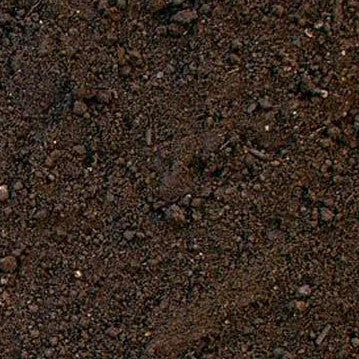
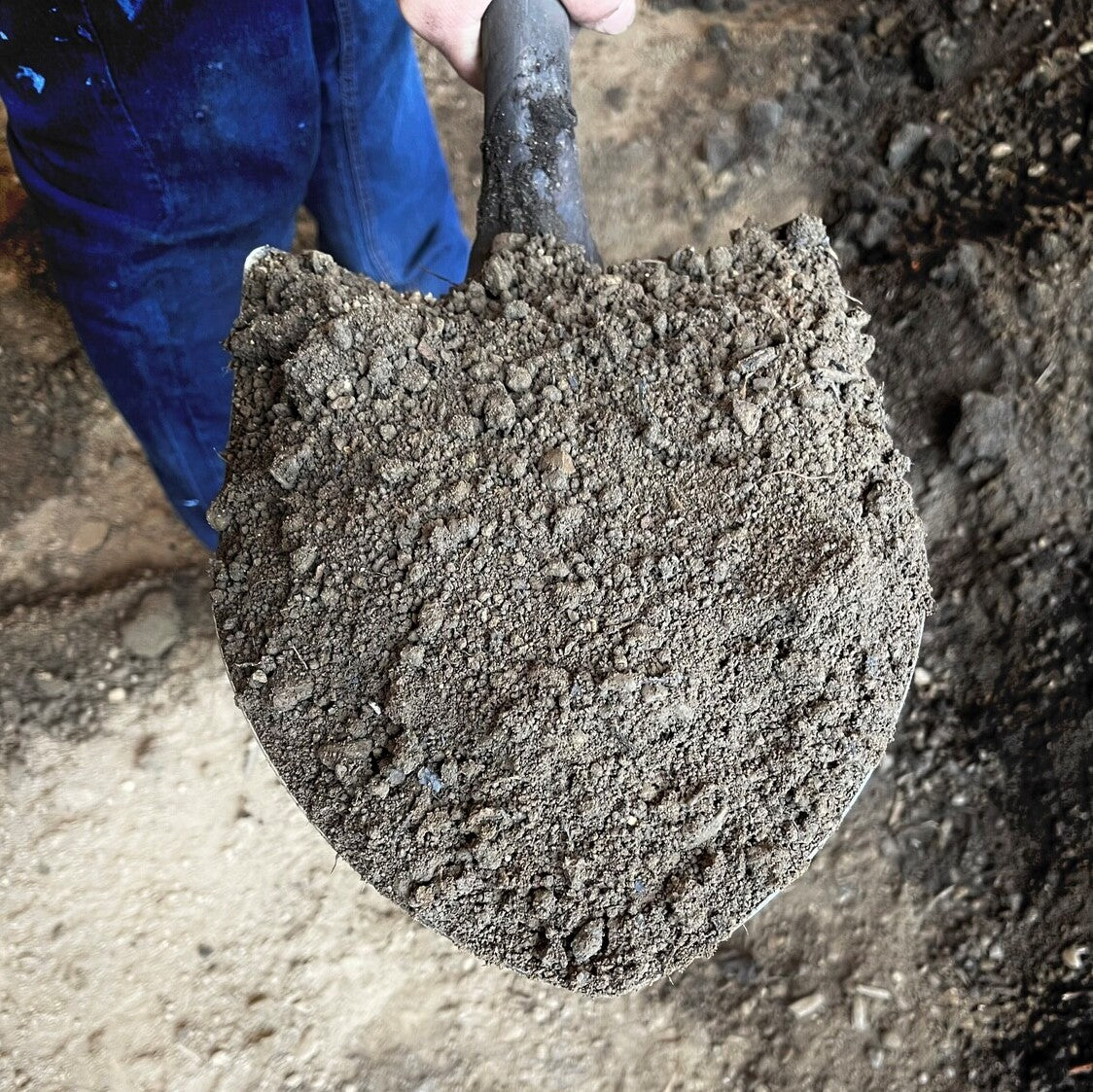
Quality topsoil for lawns, gardens, and landscape projects. Nutrient rich and ready to support strong root development and healthy plant establishment.
Great experience - not only was this the most affordable option for dirt delivery in Cleveland heights, but the delivery was fast and friendly. Got exactly what I needed and the truck got as close as possible to where I needed the dirt - even in my cramped driveway. Will be us...
Tell us what you're looking for
Thanks! We received your request.
Something went wrong. Please try again.
How Much Material Do I Need?
For lawn leveling in Conneaut, plan on 2 to 4 inches of topsoil depending on how severely the silt loam has settled or eroded over recent seasons. For new garden beds or raised planting areas built from scratch, 6 to 8 inches gives roots the depth they need to thrive through zone 6b winters without heaving out of shallow soil.
Use our free soil calculator
What is a yard?
A yard is approximately 27 cubic feet. As a general guideline, one yard of material can cover an area of about 100-160 square feet at a 2-3 inch depth.
We can't take orders for this right now. Tell us what you need and we'll get back to you.
What do you need?
Thanks! We received your request.
Something went wrong. Please try again.
Hand-picked local yards
4,000+ regional deliveries
Dedicated support
Why order through Mulch Mound
The best local soil, without the guesswork.
We hand-pick and partner with the best yards in your region, keep only the ones our buyers rate well, and back each load with our guarantee.
Mulch Mound Guarantee
If your soil isn't the quantity or quality you ordered, we'll make it right.
About this soil
Quality topsoil for lawns, gardens, and landscape projects. Nutrient rich and ready to support strong root development and healthy plant establishment.
Great experience - not only was this the most affordable option for dirt delivery in Cleveland heights, but the delivery was fast and friendly. Got exactly what I needed and the truck got as close as possible to where I needed the dirt - even in my cramped driveway. Will be us...
How Much Material Do I Need?
For lawn leveling in Conneaut, plan on 2 to 4 inches of topsoil depending on how severely the silt loam has settled or eroded over recent seasons. For new garden beds or raised planting areas built from scratch, 6 to 8 inches gives roots the depth they need to thrive through zone 6b winters without heaving out of shallow soil.
Use our free soil calculator
What is a yard?
A yard is approximately 27 cubic feet. As a general guideline, one yard of material can cover an area of about 100-160 square feet at a 2-3 inch depth.
Great experience - not only was this the most affordable option for dirt delivery in Cleveland heights, but the delivery was fast and friendly. Got...
Read full review
Great experience - not only was this the most affordable option for dirt delivery in Cleveland heights, but the delivery was fast and friendly. Got exactly what I needed and the truck got as close as possible to where I needed the dirt - even in my cramped driveway. Will be using again and recommending to my neighbors.
Measure your project area in feet, multiply length by width, then multiply by the depth in feet to get cubic feet, and divide by 27 to convert to cubic yards. For Conneaut lawn leveling projects where silt loam has settled unevenly across a large area, it helps to measure the needed depth at several low points and use an average rather than relying on a single spot measurement. When grading for drainage away from the house or a low area, add 10 to 15 percent extra to your estimate to account for settling after the first several rain events.
Soil Types We Deliver in Conneaut
Conneaut homeowners and landscapers trust us for bulk topsoil by the yard in Conneaut, delivered straight to your driveway or job site. Whether you are filling raised beds, grading a lawn, or establishing new plantings, having the right soil foundation makes all the difference in this part of northeastern Ohio. We deliver by the cubic yard so you get exactly what your project needs, nothing more and nothing less.
Screened Top Soil
A clean, fine-textured topsoil screened to remove rocks, clumps, and debris, making it easy to spread and grade. It is nutrient rich and well suited to the cool, moist growing conditions common along Lake Erie, supporting strong root development in lawns, garden beds, and new landscape plantings.
Complete Your Outdoor Soil Project
After your topsoil is graded and settled, a layer of bulk mulch over planting beds locks in moisture and prevents the surface erosion that Conneaut's rainfall steadily causes on bare soil. For low-lying areas or pathway transitions, adding a base of crushed stone beneath your topsoil grade improves drainage and keeps finished grade work from washing out repeatedly through wet seasons.
My backyard has low spots that flood every spring when the snow melts. Will topsoil fix that or do I need something else too?
Topsoil can fill and regrade low spots effectively, but in Conneaut where 42 inches of annual rainfall keeps ground saturation high through spring, you want fill soil that drains well rather than one that just relocates the standing water problem. A blend with coarse organic material or a small percentage of sand works better than pure silt loam for low-lying fill areas. In severe cases, pairing a topsoil fill with a French drain or a stone drainage layer underneath the fill gives the best long-term results.
Answer
When is the best time of year to bring in topsoil for a lawn leveling project in Conneaut?
Late April through early June is the best window for lawn leveling in Conneaut. By then the last frost has typically passed around April 15 and the soil is dry enough to be workable, but summer heat has not yet set in to stress newly seeded turf. Early fall, around late August through mid-September, is the second-best window because grass seed germinates well in cooling temperatures and has enough time to root before the first frost arrives around October 20.
Answer
Can I use bulk topsoil to build raised garden beds here, or does it need to be mixed with something first?
Bulk topsoil works well as the base of a raised bed in Conneaut, but mixing it with compost or aged organic material improves drainage and nutrient availability significantly for vegetable and perennial growing. Pure topsoil in a raised bed can still compact and hold water in a way that challenges root development, especially given the region's high annual rainfall and prolonged wet springs. A 60-40 blend of topsoil and compost is a reliable starting mix for most raised beds in zone 6b.
Answer
How deep should I go with new topsoil when reseeding a lawn after a tough Conneaut winter?
For overseeding or patch repairs, a 1 to 2 inch layer of fresh topsoil is usually enough to give seed good soil contact and moisture retention through germination. For a full lawn renovation where Conneaut's native silt loam has been compacted or heavily eroded over multiple wet seasons, spreading 4 to 6 inches of fresh topsoil before seeding gives roots the proper growing zone they need. The goal is a root bed that stays loose enough to drain between rain events but holds enough moisture to support establishment through the spring.
Answer
Fresh topsoil I put down last fall washed downhill every time it rained hard. What can I do to keep it in place this time?
Conneaut's intense spring rain events can move freshly placed topsoil quickly on any grade steeper than a gentle slope. Seeding immediately after grading is the most effective stabilization method, since grass roots begin anchoring soil within a few weeks of germination. On steeper grades, a thin layer of straw erosion blanket or a border of landscape stone at the base of the slope slows sheet flow and keeps topsoil where you placed it until vegetation can fully establish.
Answer
Is there a difference between topsoil and garden soil, and which one do I actually need for my project?
Bulk topsoil is a mineral-based soil used for grading, filling, and building depth in planting areas where volume is the primary need. Garden soil typically refers to a more heavily amended blend with compost, perlite, or other additives designed specifically for in-ground planting fertility. For Conneaut homeowners doing general grade work or lawn renovation, bulk topsoil is the right and most cost-effective choice. For a new vegetable garden or intensive perennial bed where you want immediate fertility and drainage, a topsoil and compost blend is worth the extra investment.
Answer
How much topsoil do I need to repair the bare and uneven spots in my lawn after this past winter?
Plan for about 1 cubic yard per 300 square feet at a 1-inch depth, or roughly 1 yard per 100 square feet at a 3-inch depth, as a general starting guide. Conneaut winters with repeated freeze-thaw cycles and heavy snow cover often leave more bare area than homeowners expect once the ground fully thaws in April. Ordering a little more than your initial calculation suggests is smart because silt loam settles as it moistens and you may need to top off thin areas again before seeding.
Mulch Mound Pro Tip
Conneaut's spring rains often arrive before the frost is fully out of the ground, which means topsoil delivered in late March can sit in a soggy pile for weeks before it is workable without causing damage. Schedule your delivery for late April when the ground is dry enough to rake and grade without compacting your freshly placed material underfoot. Working saturated silt loam destroys its structure and eliminates the drainage improvement you are trying to achieve with the new soil.
Mulch Mound Pro Tip
Frost heaving is a real problem in Conneaut for any recently graded topsoil area that has not established a root cover before the October 20 first frost date. If you are completing a topsoil project in late summer, seed aggressively right away and water consistently to get grass or groundcover rooted before the first hard freeze. Bare topsoil left through a northeast Ohio winter will shift, crack, and require regrading in spring, adding unnecessary time and material cost to your project.
Mulch Mound Pro Tip
When filling raised beds with bulk topsoil in Conneaut, leave the top of the bed 2 to 3 inches below the frame edge to allow for watering and mulching without material washing over the sides. The region's frequent and sometimes intense rain events can fill a raised bed quickly and push loose soil over the edge if it is filled flush to the top. That small margin also gives you room to add a compost top-dressing each growing season without rebuilding or raising the border frame.
The Unique Landscape of Conneaut
Conneaut's native silt loam is workable and moderately fertile when conditions are right, but it compacts under foot traffic and heavy equipment, drains slowly after the region's frequent spring rains, and settles unevenly after any grading work is done. When you need to level a lawn, build up a planting bed, or establish a new garden area from scratch, starting with quality bulk topsoil gives you control over texture and drainage that native silt loam alone simply cannot provide. The 42 inches of annual rainfall that Conneaut receives means poorly drained low spots become recurring problems year after year unless they are properly graded and filled with well-structured soil. Zone 6b winters also cause significant frost heaving in areas where soil has been recently disturbed, making proper fill and compaction critical before the ground freezes in late October. Whether you are filling in ruts from a wet spring, building raised garden beds, or reestablishing turf after a construction project, bulk topsoil is the foundation every successful Conneaut landscape starts from. Getting the grade and soil composition right once saves years of patching, reseeding, and replanting work down the road.