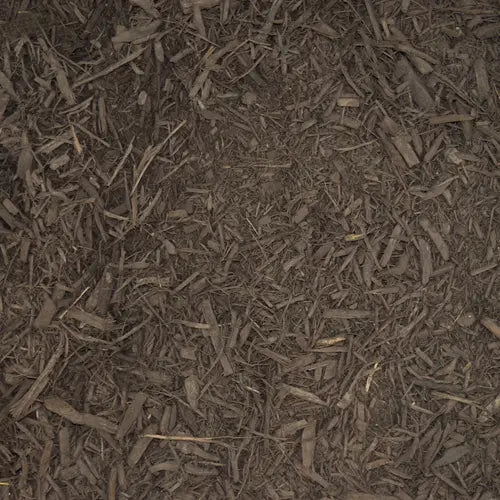
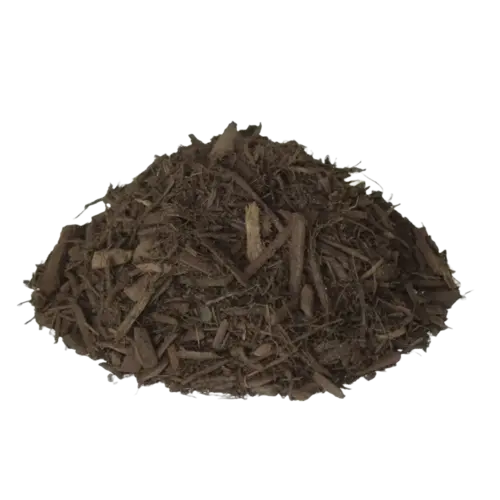
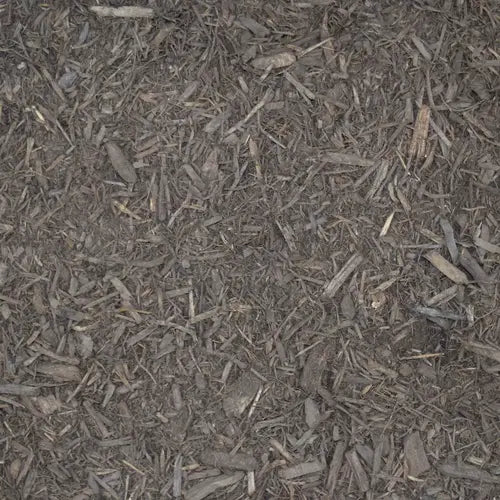
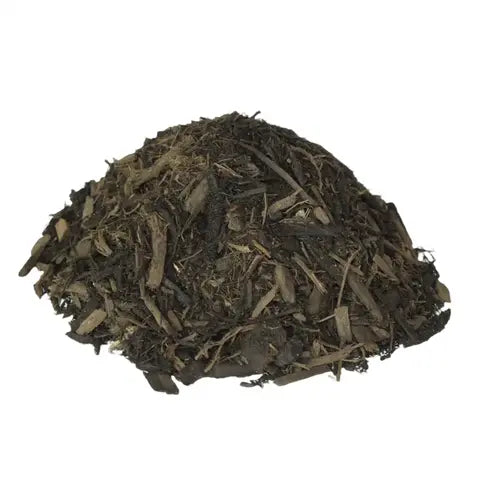
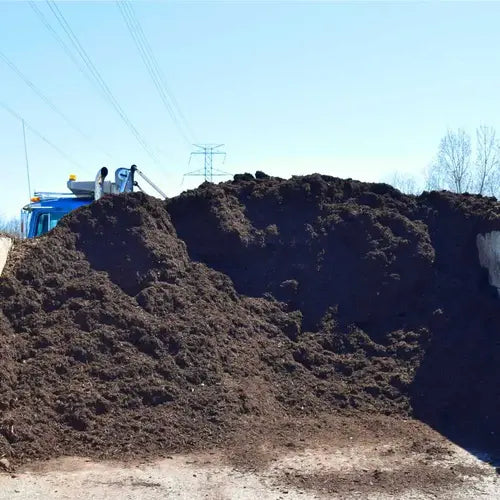
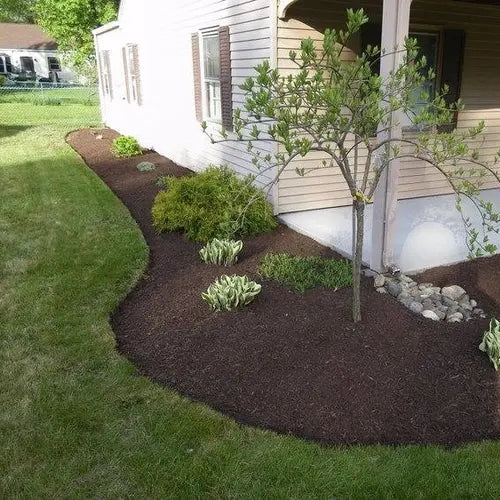
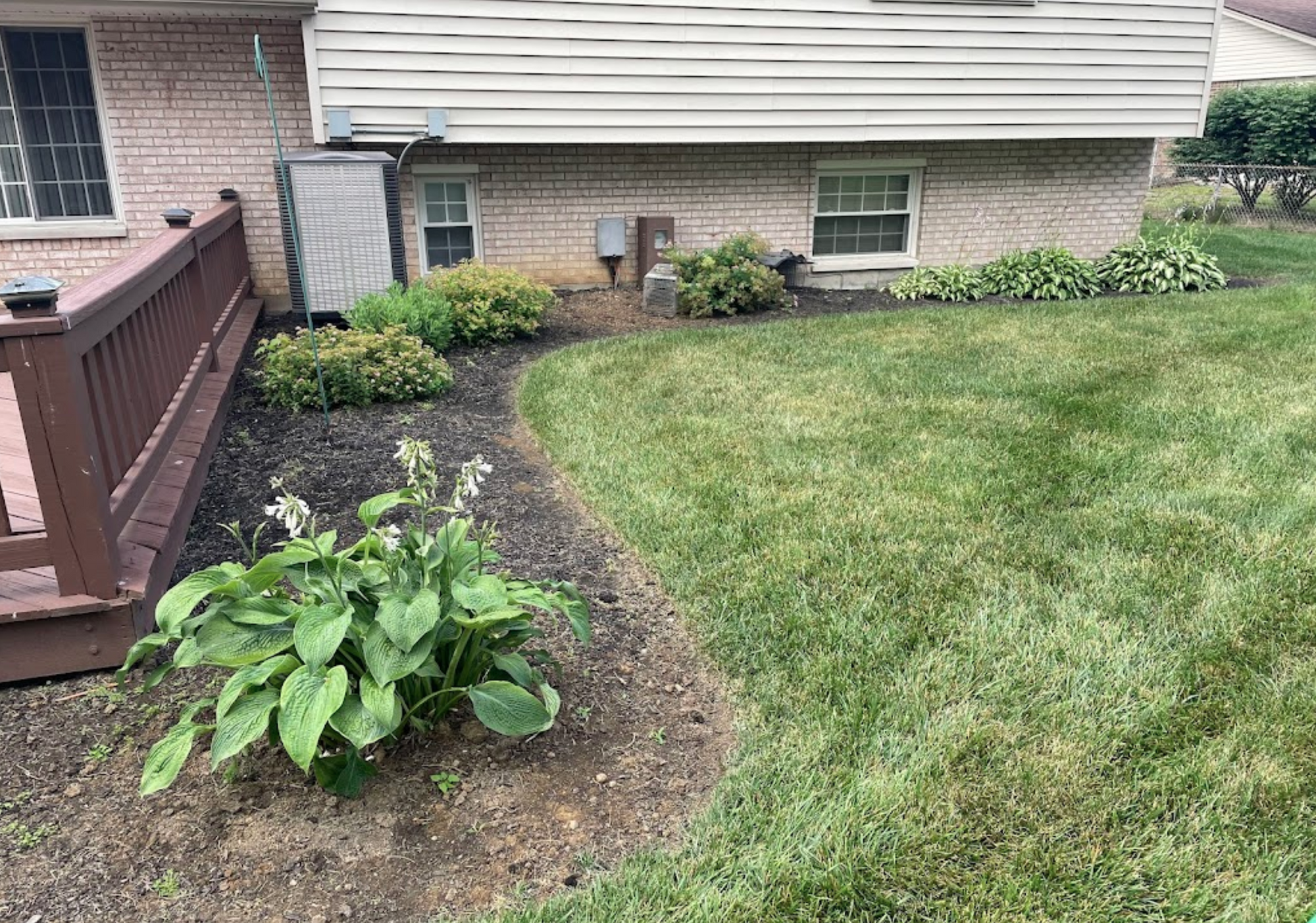
Warm brown double shredded mulch with lasting color that looks freshly applied for weeks. Spreads smooth, stays put, and gives beds a natural, polished appearance.
Mulch Mound made it so easy! So happy with the pricing, turn around time, delivery and product. I submitted my online order on a Thursday. The mulch was delivered to the designated location by a local landscape company at 8:30 a.m. the following Saturday morning. We had the...
Tell us what you're looking for
Thanks! We received your request.
Something went wrong. Please try again.
How Much Material Do I Need?
For Cookeville's silt loam soil, a 2 to 3 inch layer of mulch is ideal for most planting beds, providing enough insulation and moisture retention without smothering roots or creating soggy conditions during our wet spring season. Pathways and high-traffic decorative areas can handle up to 4 inches for better weed suppression and a more cushioned surface underfoot.
Use our free mulch calculator
What is a yard?
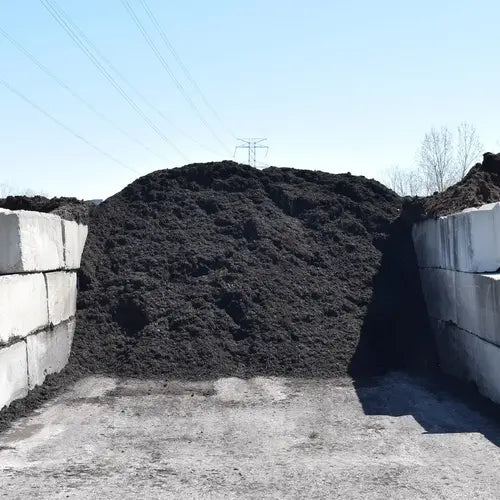
A yard is approximately 27 cubic feet. As a general guideline, one yard of material can cover an area of about 100-160 square feet at a 2-3 inch depth.
We can't take orders for this right now. Tell us what you need and we'll get back to you.
What do you need?
Thanks! We received your request.
Something went wrong. Please try again.
Hand-picked local yards
4,000+ regional deliveries
Dedicated support
Why order through Mulch Mound
The best local mulch, without the guesswork.
We hand-pick and partner with the best yards in your region, keep only the ones our buyers rate well, and back each load with our guarantee.
Mulch Mound Guarantee
If your mulch isn't the quantity or quality you ordered, we'll make it right.
About this mulch
Warm brown double shredded mulch with lasting color that looks freshly applied for weeks. Spreads smooth, stays put, and gives beds a natural, polished appearance.
Mulch Mound made it so easy! So happy with the pricing, turn around time, delivery and product. I submitted my online order on a Thursday. The mulch was delivered to the designated location by a local landscape company at 8:30 a.m. the following Saturday morning. We had the...
How Much Material Do I Need?
For Cookeville's silt loam soil, a 2 to 3 inch layer of mulch is ideal for most planting beds, providing enough insulation and moisture retention without smothering roots or creating soggy conditions during our wet spring season. Pathways and high-traffic decorative areas can handle up to 4 inches for better weed suppression and a more cushioned surface underfoot.
Use our free mulch calculator
What is a yard?
A yard is approximately 27 cubic feet. As a general guideline, one yard of material can cover an area of about 100-160 square feet at a 2-3 inch depth.
Mulch Mound made it so easy! So happy with the pricing, turn around time, delivery and product. I submitted my online order on a Thursday. The mu...
Read full review
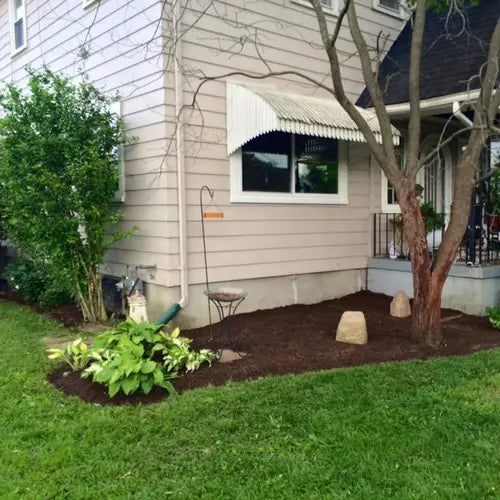
Mulch Mound made it so easy! So happy with the pricing, turn around time, delivery and product. I submitted my online order on a Thursday. The mulch was delivered to the designated location by a local landscape company at 8:30 a.m. the following Saturday morning. We had the job completed by that afternoon. We chose the natural brown mulch, and the plant beds are beautiful.
Good quality, great price, fast delivery. All online - no submitting forms and waiting for days for quotes. Getting mulch should be this easy fr...
Read full review
Good quality, great price, fast delivery. All online - no submitting forms and waiting for days for quotes. Getting mulch should be this easy from everyone. Only Mulch Mound is ACTUALLY this simple.
I highly recommend Mulch Mound. The quality of the mulch is very good. The ordering system on their website makes it very easy. The delivery driver...
Read full review
I highly recommend Mulch Mound. The quality of the mulch is very good. The ordering system on their website makes it very easy. The delivery driver did a great job placing the mulch on the driveway. To finish off, the pricing was very reasonable as well.
To estimate how much mulch you need, measure the length and width of each bed in feet and multiply to get total square footage, then divide by 108 for a 3-inch application depth to get cubic yards. Cookeville beds with sloped terrain or irregular shapes can be tricky to measure accurately, so it helps to break them into smaller rectangular sections and add the results together. Always round up slightly since silt loam beds with low spots tend to absorb more material than a flat calculation suggests.
Mulch vs. No Mulch: The Difference
Cookeville's warm, humid growing season accelerates the breakdown of organic mulch materials, which is actually a benefit for silt loam soil because decomposing mulch adds organic matter that improves structure and long-term drainage. Natural hardwood mulches break down steadily and feed the soil beneath them, making them especially valuable in beds where improving the silt loam over multiple seasons is a goal. Dyed or processed mulches resist breakdown longer, giving you a more consistent color and slightly better weed suppression, but they contribute far less organic material to the soil profile over time.
Before
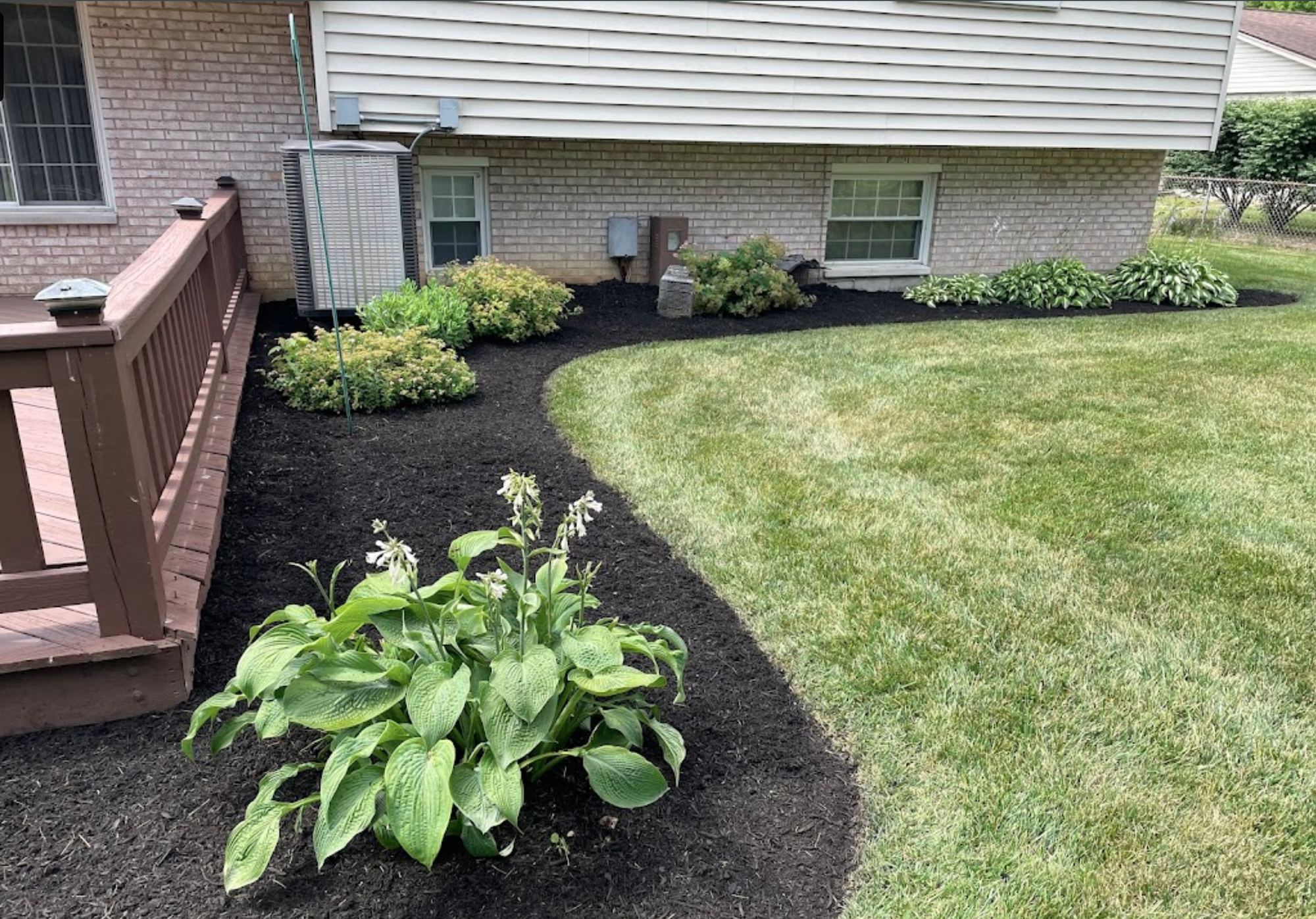
After
Best Mulch Choice for Cookeville Lawns
Most yards in the Cookeville area sit on Silt Loam type of soil. Cookeville's silt loam soil compacts easily under the repeated impact of heavy rain and foot traffic, which leaves plant beds dense and poorly drained without a steady input of organic matter to keep the structure open.
Hardwood Mulch
Shredded hardwood mulch is particularly well suited for Cookeville's silt loam beds because as it decomposes it releases humus that binds fine silt particles into larger aggregates, gradually improving both drainage and aeration in a way that benefits the soil for multiple growing seasons.
Mulch Types We Deliver in Cookeville
Mulch Mound delivers bulk mulch by the cubic yard straight to homes and properties throughout the area, making it easy to cover beds, borders, and slopes in one trip. Whether you are searching for bulk mulch delivery in Cookeville or just need a dependable local source, we handle the haul so you can focus on the work. Our materials are priced by the yard and dropped right where you need them.
Dyed Black Mulch
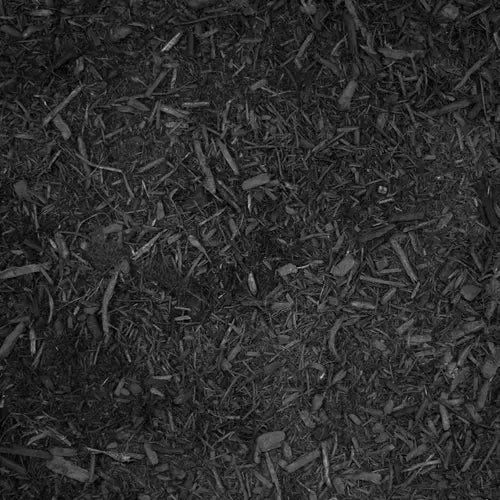
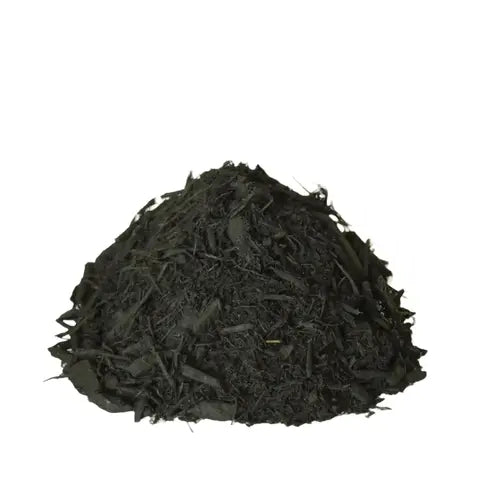
Bold black double shredded mulch that creates sharp contrast against the red clay soils and green plantings common across this part of Tennessee. The rich color holds through summer heat and heavy seasonal rains, giving beds a clean, polished look that stays strong week after week.
Dyed Brown Mulch
Warm brown double shredded mulch that blends naturally with the earthy tones found in Tennessee yards and garden beds. The color stays fresh and vibrant for weeks after delivery, making it a reliable choice for homeowners who want a neat, maintained appearance without frequent reapplication.
Natural Brown Mulch
Undyed double shredded mulch with a warm, earthy tone that fits right in with the wooded surroundings and natural landscapes typical of Middle Tennessee. A good fit for homeowners who prefer an organic look, it spreads cleanly and breaks down over time to add organic matter back into the soil.
Complete Your Outdoor Mulch Project
Pair your mulch order with a quality topsoil or garden soil blend to rebuild bed depth before you mulch, and consider adding decorative stone borders around your beds to keep mulch contained during Cookeville's heavy rain events and give your landscape a clean finished edge.
Cookeville's first frost typically arrives around October 20, so aim to get your fall mulch layer down by early October while the soil still holds residual warmth from summer. Spreading mulch over warm ground encourages roots to keep developing a bit longer before going dormant, which means plants enter winter with a stronger root system. This timing also gives the mulch a chance to settle and form a cohesive mat before the first hard freeze locks the ground.
Mulch Mound Pro Tip
If you are mulching around newly planted trees or shrubs, resist the urge to mound mulch against the trunk in a volcano shape, which is a common mistake in Cookeville landscapes. Our warm humid summers create ideal conditions for fungal diseases and bark rot when mulch stays in constant contact with woody stems, and that kind of damage can kill a young tree within a few seasons. Keep a clear gap of 2 to 3 inches around every trunk and spread the mulch out in a wide, flat ring instead for maximum benefit with minimal risk.
Mulch Mound Pro Tip
With 54 inches of rainfall each year, Cookeville landscapes rarely suffer from too little moisture in the soil itself, but uncovered silt loam crusts over quickly after a heavy downpour and that sealed surface actually sheds water rather than absorbing it. A consistent 2 to 3 inch mulch layer breaks the force of rain before it hits the ground, prevents the surface from sealing over, and allows far more water to percolate down to root zones rather than running off into the street. This single habit can make a noticeable difference in how healthy your beds look during the dry stretches that fall between Cookeville's frequent storms.
Frequently Asked Questions
Click a question to see the answer
Answer
How thick should I apply mulch around my plants given how much rain Cookeville gets each year?
With 54 inches of annual rainfall, Cookeville beds can stay surprisingly moist even during dry stretches, so a 2 to 3 inch layer is the ideal depth for most planting areas. Going deeper than 3 inches can trap too much moisture against plant crowns and encourages rot, especially during the heavy humidity of our summers. Pull mulch back a couple of inches from the base of each plant to give stems and trunks room to breathe and dry out between rain events.
Answer
When is the best time of year to put down fresh mulch in Cookeville?
The two most important windows are early spring just after our last frost around April 15, and mid-fall before the first frost arrives around October 20. The spring application locks in soil moisture before summer heat sets in and smothers the first flush of weed seeds germinating in the warming silt loam. The fall application insulates roots through winter and gives the mulch time to start breaking down and feeding the soil beneath it so beds are in better shape come planting season.
Answer
Will mulch actually help with the compaction problems I get in my silt loam soil?
Silt loam is a fine-textured soil that compacts easily under foot traffic and the repeated impact of heavy rain, and mulch is one of the best defenses against both of those forces. The layer absorbs raindrop energy before it ever hits the soil surface, which reduces crusting and keeps the ground looser over time. As the mulch breaks down through Cookeville's warm humid summers, the organic matter it adds also improves soil structure and makes it more resistant to future compaction.
Answer
I have a sloped yard and I am worried mulch will wash off my beds during big spring storms. Is that a real concern here?
Cookeville does see intense rain events, especially in spring, and lighter wood chip mulches can shift on steeper slopes during a hard downpour. For sloped beds, shredded hardwood mulch is a much better choice because the irregular fibers interlock and grip each other, staying in place far more reliably than larger bark nuggets or smooth chips. On very steep slopes you can also lay a biodegradable erosion mat beneath the mulch layer for extra stability during the wettest months.
Answer
How often do I need to replace or top off my mulch here in Cookeville?
In Cookeville's warm and humid summers, organic mulch breaks down faster than it would in a drier or cooler climate, so most homeowners need to top off beds once a year to maintain that 2 to 3 inch depth. If you put down a fresh layer in fall, a light top-off in late April after the last frost is usually enough to restore the depth lost over winter. Beds in full sun break down mulch faster than shaded areas, so check your sunniest spots first when deciding how much material to order.
Answer
Does the color of dyed mulch hold up well with all the sun and rain we get in Cookeville?
Cookeville's combination of strong summer sun and frequent heavy rain is genuinely tough on dyed mulch color, and most colored products will start fading noticeably within one to two seasons, especially in south-facing beds that receive direct afternoon exposure. If long-lasting color matters to your landscaping goals, look for double or triple-process dyed products that use a deeper colorant, and plan on a fresh application every year to keep beds looking sharp. Natural hardwood mulch that grays gracefully over time can actually be a lower-maintenance alternative if you want to avoid the annual color refresh.
Answer
Can mulch help protect my plants from Cookeville's surprise late frosts in early spring?
Yes, especially for perennials and shrubs that start pushing new growth in March before our official last frost date of April 15. A 3-inch mulch layer acts as a thermal blanket, slowing the rate at which soil temperatures change and giving roots a meaningful buffer against a sudden overnight freeze. Avoid pulling mulch away from plants too early in spring, and wait until nighttime temperatures are consistently above freezing before exposing the root zone to open air.
The Unique Landscape of Cookeville
Cookeville's silt loam soil is prone to surface crusting after heavy downpours, which chokes plant roots and prevents water from penetrating garden beds the way it should. With 54 inches of rainfall per year, moisture management is a constant balancing act, and a proper mulch layer acts as a buffer between rain impact and that vulnerable soil surface. At 1,100 feet of elevation, Cookeville also experiences sharper temperature swings than lower parts of Tennessee, so mulch plays a critical role in insulating root zones through late-season cold snaps and early spring freezes. The growing season here runs from around April 15 to October 20, giving plants roughly six months to establish, and consistent mulching keeps beds productive across that entire window. Whether you are managing a backyard vegetable garden or a front bed full of native perennials, a properly applied mulch layer is one of the most practical investments a Cookeville homeowner can make.