




Great service. We ordered topsoil from Mulch Mound and the best experience. Thank you so much!
About this soil
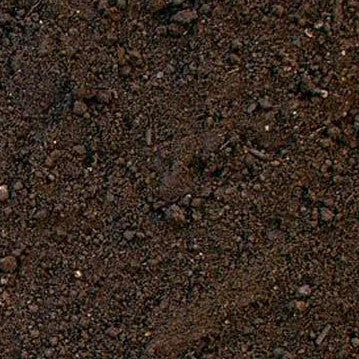
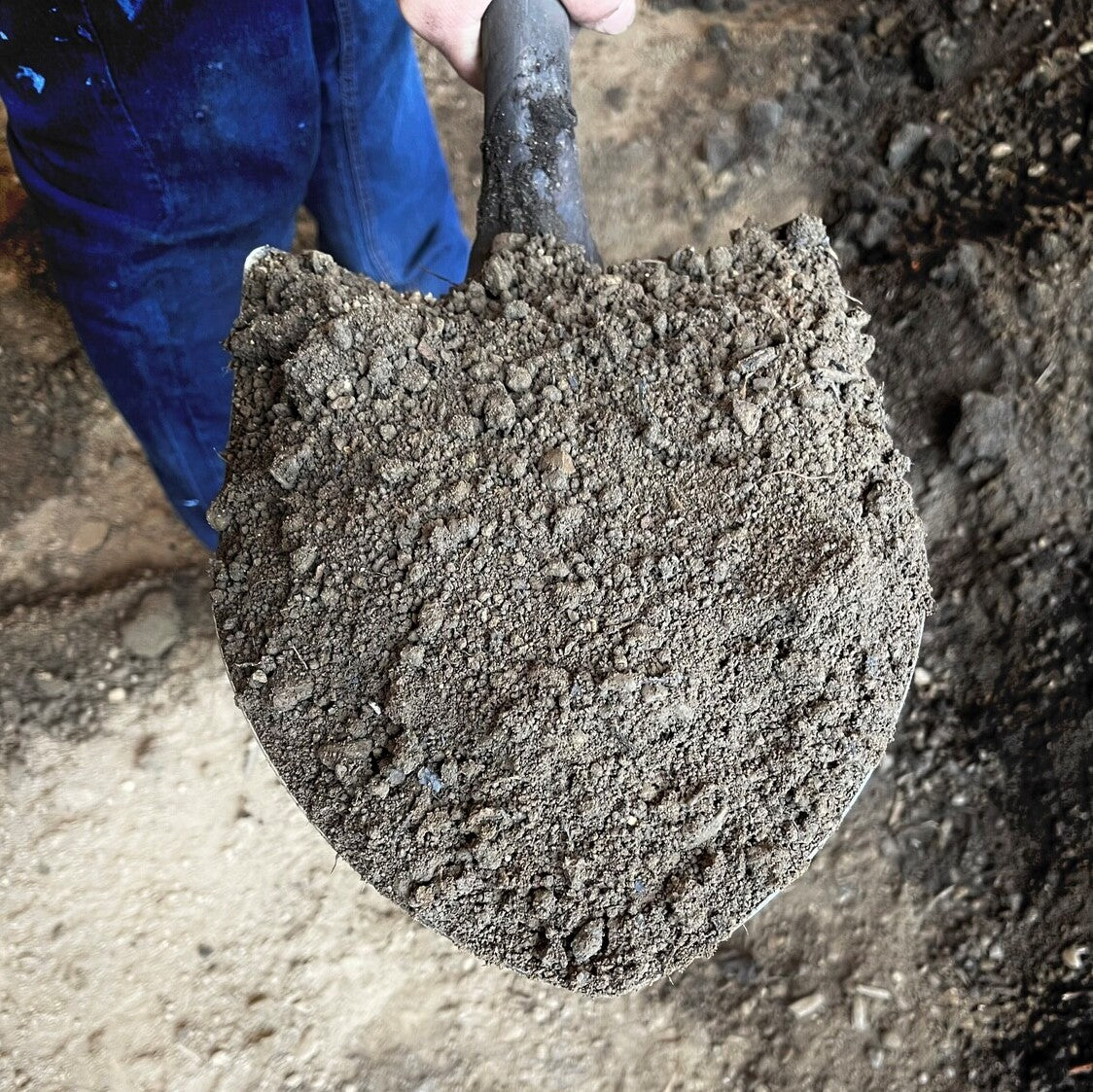
Quality topsoil for lawns, gardens, and landscape projects. Nutrient rich and ready to support strong root development and healthy plant establishment.
Great service. We ordered topsoil from Mulch Mound and the best experience. Thank you so much!
Tell us what you're looking for
Thanks! We received your request.
Something went wrong. Please try again.
How Much Material Do I Need?
How Much Material Do I Need?
For new planting beds in Cookeville, a minimum of 6 to 8 inches of quality soil gives roots enough loose and workable medium to establish before hitting the denser silt loam subsoil below. Lawn leveling and topdressing applications typically need only 1 to 2 inches spread thin enough to filter down through the grass canopy and make contact with the existing soil surface.
Use our free soil calculator
What is a yard?
What is a yard?
FAQs
FAQs
Cookeville Soil Delivery
Cookeville Soil Delivery
Regular price
$64.00
per
yard
Regular price
Sale price
$64.00
Unit price
per
Shipping calculated at checkout.
Minimum of 3 yard
Couldn't load pickup availability
Not currently available
We can't take orders for this right now. Tell us what you need and we'll get back to you.
Hand-picked local yards
4,000+ regional deliveries
Dedicated support
Why order through Mulch Mound
The best local soil, without the guesswork.
We hand-pick and partner with the best yards in your region, keep only the ones our buyers rate well, and back each load with our guarantee.
Mulch Mound Guarantee
If your soil isn't the quantity or quality you ordered, we'll make it right.
About this soil
Quality topsoil for lawns, gardens, and landscape projects. Nutrient rich and ready to support strong root development and healthy plant establishment.
Great service. We ordered topsoil from Mulch Mound and the best experience. Thank you so much!
How Much Material Do I Need?
How Much Material Do I Need?
For new planting beds in Cookeville, a minimum of 6 to 8 inches of quality soil gives roots enough loose and workable medium to establish before hitting the denser silt loam subsoil below. Lawn leveling and topdressing applications typically need only 1 to 2 inches spread thin enough to filter down through the grass canopy and make contact with the existing soil surface.
Use our free soil calculator
What is a yard?
What is a yard?
FAQs
FAQs
Tell us what you're looking for
Thanks! We received your request.
Something went wrong. Please try again.
How It Works
Getting started is easy — just follow these simple steps
1
Choose your soil
Make sure you adjust the quantity to your home's needs. You can use our calculator to estimate how much you'll need.
2
Select your delivery date
Select a delivery date you'd like for the product to be dropped off at your home
3
Sit back and wait
Sit back, wait, and let us work our magic to make sure the highest quality product is delivered to your driveway.

Placing an order online was so easy. Delivery was on time. When the driver realized we had a newly poured driveway they erred on the side of cautio...
Read full review
Placing an order online was so easy. Delivery was on time. When the driver realized we had a newly poured driveway they erred on the side of caution and opted not ti drive in it. The company even sent me a message explaining that call. Would recommend!

Online ordering was really simple and I liked the transparent pricing.
Need Help Calculating How Much Soil You Need?
Use our NEW Trace from Satellite tool to get an estimate for your project based on an aerial view of your property
Try Our CalculatorTo calculate how many cubic yards of soil you need, multiply the length by the width of your area in feet, then multiply by the depth in feet, and divide the result by 27 to convert to cubic yards. Cookeville yards with significant slope or unusual shapes are easier to measure accurately when you break the total area into smaller rectangular sections and add them up. Plan to order 10 to 15 percent more than your calculation produces since silt loam blends compact and settle meaningfully after Cookeville's first rainy season.
Soil Types We Deliver in Cookeville
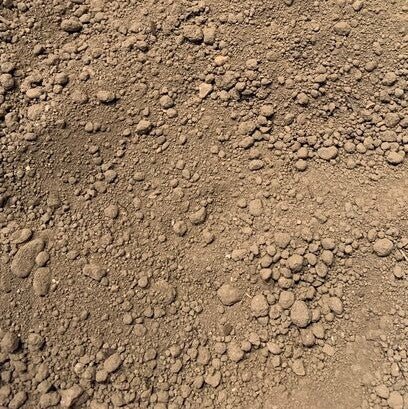
Mulch Mound delivers bulk topsoil by the yard in Cookeville, making it easy to refresh your lawn, fill raised beds, or tackle larger grading projects without hauling it yourself. The Upper Cumberland region sits on clay-heavy native soils that can leave yards compacted and slow to drain, so bringing in quality material gives your plants a real head start. We measure and deliver by the cubic yard so you get exactly what your project needs.
Screened Top Soil
Our screened top soil is run through a fine screen to remove rocks, clumps, and debris, leaving a smooth, workable material that spreads evenly across lawns, garden beds, and landscape borders. It is nutrient rich and ready to support strong root development, making it a smart choice for homeowners dealing with the thin or compacted soils common throughout this part of Tennessee.
Complete Your Outdoor Soil Project
Finish your soil project with a layer of shredded hardwood mulch to protect the new bed surface from Cookeville's heavy rains and retain moisture through the long summer, and consider stone edging to keep your fresh soil contained so it does not wash into the surrounding lawn after a hard storm.


Mulch Mound Pro Tip
If you are building new raised beds in Cookeville, do not skip the step of loosening the native silt loam at the bottom of the bed before adding new soil on top. Driving a garden fork 8 to 10 inches into the existing ground breaks up the compacted layer and creates a drainage pathway that keeps roots from sitting in water after our frequent spring downpours. This step takes about 20 minutes per bed but makes a dramatic difference in how well the bed drains and how vigorously plants grow through the entire season.
Mulch Mound Pro Tip
When regrading low spots in your Cookeville yard, working in early fall rather than spring gives you a meaningful advantage if your schedule allows it. Fall regrading gives the soil all winter to compact naturally from rain and freeze-thaw cycles, so the finished grade is firm and stable by the time April 15 planting season arrives. Spring regrading absolutely works, but the surface may settle unevenly through the first summer and require a follow-up top-off the following year to fully correct the original problem.
Mulch Mound Pro Tip
Cookeville's silt loam has a naturally tight particle structure that makes it slow to accept amendments worked in only from the surface. When preparing a new planting bed, till your added topsoil or garden mix down to a depth of at least 10 inches rather than simply laying it on top of the existing ground, which creates a deep blended root zone rather than two distinct layers that plant roots have to struggle to transition between. This deeper mixing approach produces noticeably better plant performance, especially for vegetables and newly planted trees during their first two critical growing seasons.
The Unique Landscape of Cookeville
Cookeville sits at 1,100 feet on the Cumberland Plateau where the native silt loam is naturally fertile but compacts under heavy use and drains poorly in low-lying areas. With 54 inches of annual rainfall, yards that are not properly graded develop standing water problems that can drown grass roots and make productive gardening nearly impossible in affected spots. Bringing in quality bulk topsoil or a blended garden mix allows homeowners to fix grade issues, build up raised beds, and create planting areas with far better structure than compacted native ground can provide on its own. The growing zone here is 7a, which means plants have a generous window from mid-April through late October, but that potential is wasted when the soil beneath is too dense or nutrient-poor to support healthy root development. Whether you are leveling a soggy corner of your lawn or building an entirely new vegetable garden from scratch, quality soil is the foundation that makes every other investment in your landscape actually work.