Mulch Mound delivered a yard of pea gravel to us. Delivery was on time, driver was friendly and hit a bullseye on the “tarp target”. We used the pea gravel (which was diameter as specified) to fill several muskrat holes around our pond. I would definitely recommend Mulch Mo...
Tell us what you're looking for
Thanks! We received your request.
Something went wrong. Please try again.
How Much Material Do I Need?
Plan for three inches of mulch depth for established beds and tree rings in Culpeper, or two inches if you are topping off a layer from last season that is still partially intact. New beds being built from scratch on raw clay benefit from four inches to give roots maximum buffering through their first summer.
Use our free mulch calculator
What is a yard?
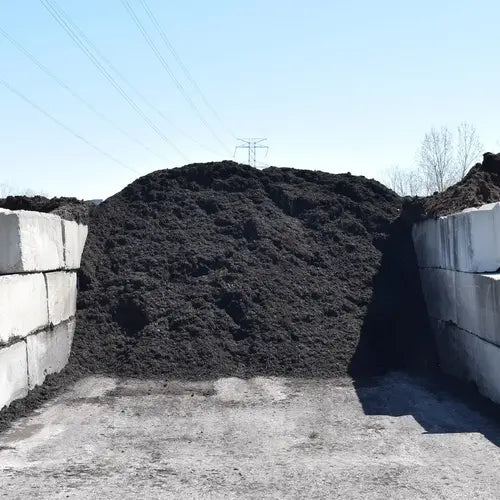
A yard is approximately 27 cubic feet. As a general guideline, one yard of material can cover an area of about 100-160 square feet at a 2-3 inch depth.
Mulch Mound delivered a yard of pea gravel to us. Delivery was on time, driver was friendly and hit a bullseye on the “tarp target”. We used the pea gravel (which was diameter as specified) to fill several muskrat holes around our pond. I would definitely recommend Mulch Mo...
How Much Material Do I Need?
Plan for three inches of mulch depth for established beds and tree rings in Culpeper, or two inches if you are topping off a layer from last season that is still partially intact. New beds being built from scratch on raw clay benefit from four inches to give roots maximum buffering through their first summer.
Use our free mulch calculator
What is a yard?
A yard is approximately 27 cubic feet. As a general guideline, one yard of material can cover an area of about 100-160 square feet at a 2-3 inch depth.
Mulch Mound delivered a yard of pea gravel to us. Delivery was on time, driver was friendly and hit a bullseye on the “tarp target”. We used the ...
Read full review
Mulch Mound delivered a yard of pea gravel to us. Delivery was on time, driver was friendly and hit a bullseye on the “tarp target”. We used the pea gravel (which was diameter as specified) to fill several muskrat holes around our pond. I would definitely recommend Mulch Mound to a friend!
I can’t say enough good things about Mulch Mound! If you read my review below you will see I had a problem with my order. Mulch Mou...
Read full review
UPDATE!
I can’t say enough good things about Mulch Mound! If you read my review below you will see I had a problem with my order. Mulch Mound was quick to respond and solved the issue with my delivery. Will definitely be a customer next year.
First time purchase from Mulch Mound!! First what I liked! Easy to order online and straight forward pricing and delivery. The driver was on time and courteous and delivered my Mulch exactly where I requested! The product is of good quality and comparable to others I have purchased from before. Now what I DID’NT LIKE! I have been mulching the same house and yard for almost 20 years. I always order the same amount and don’t have any issues with covering the same area but this year I fell about a yard short. I was home when the mulch was delivered and when the driver dumped it I noticed that it seemed a bit less than I was used to. I didn’t apply it any thicker than usual and probably a bit thinner than usual because I was worried about running out.
Measure the length and width of each bed in feet and multiply them together to get square footage, then multiply that number by 0.25 for a three-inch depth and divide by 27 to convert to cubic yards. Do this for every separate bed and add the totals together before ordering. Culpeper yards with mature tree rings are often surprised by how much area those circles cover once they do the math.
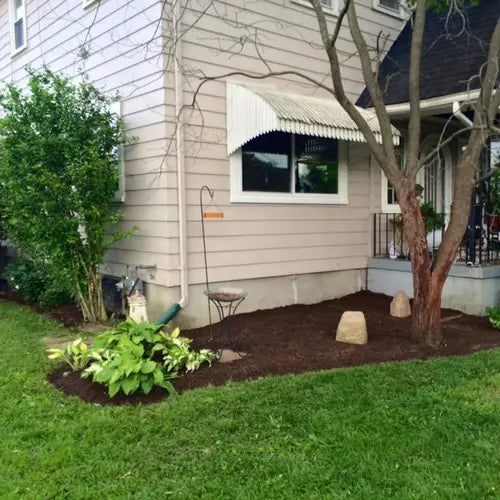
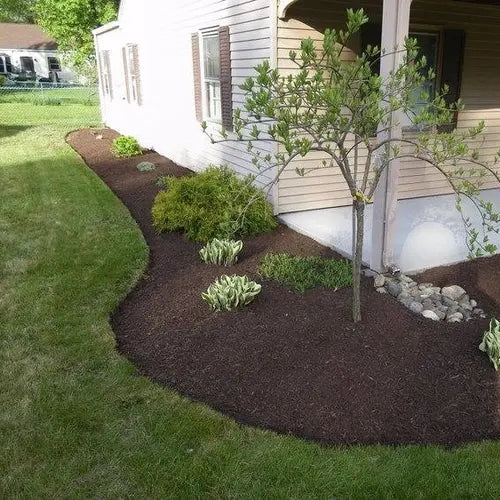
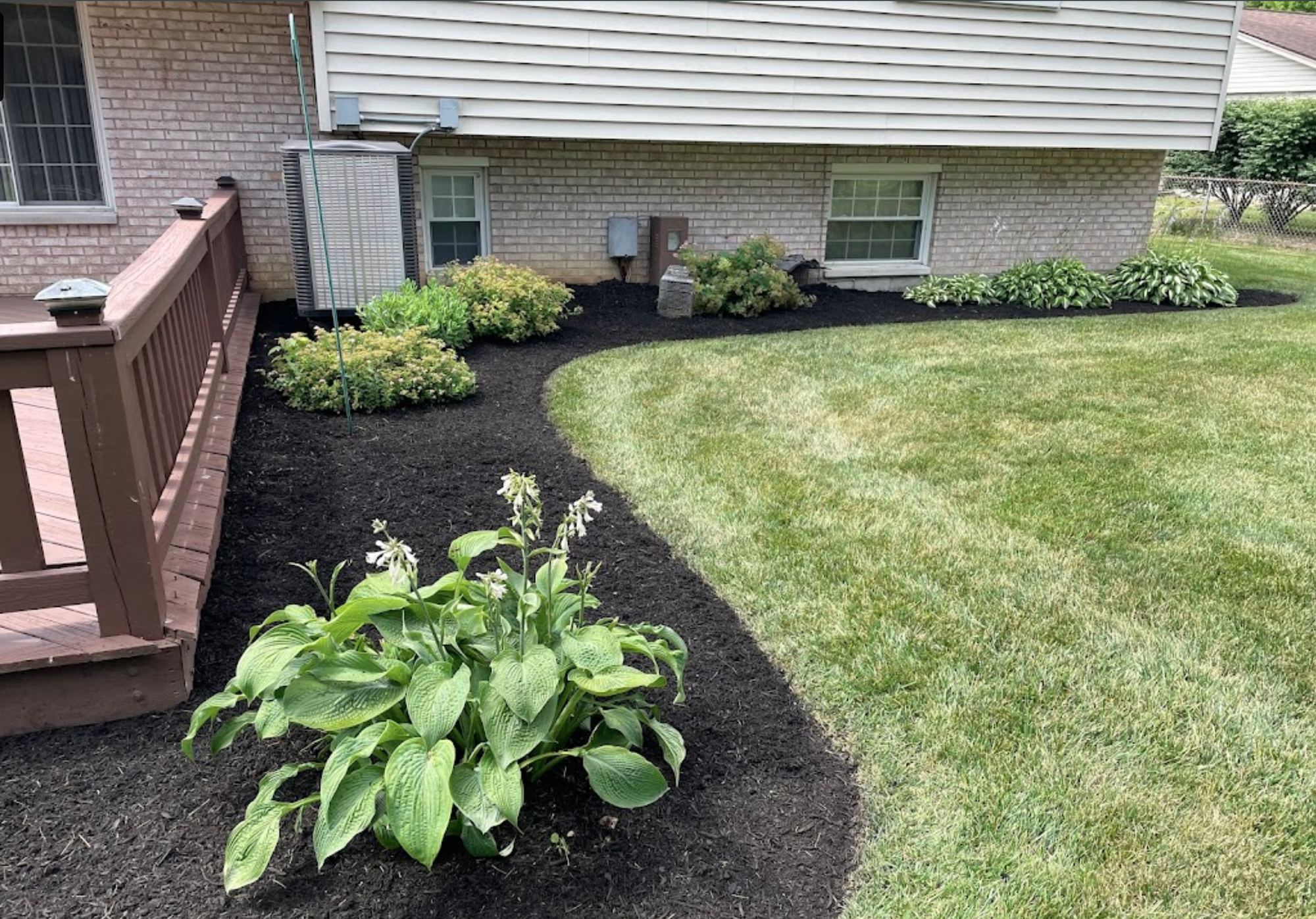
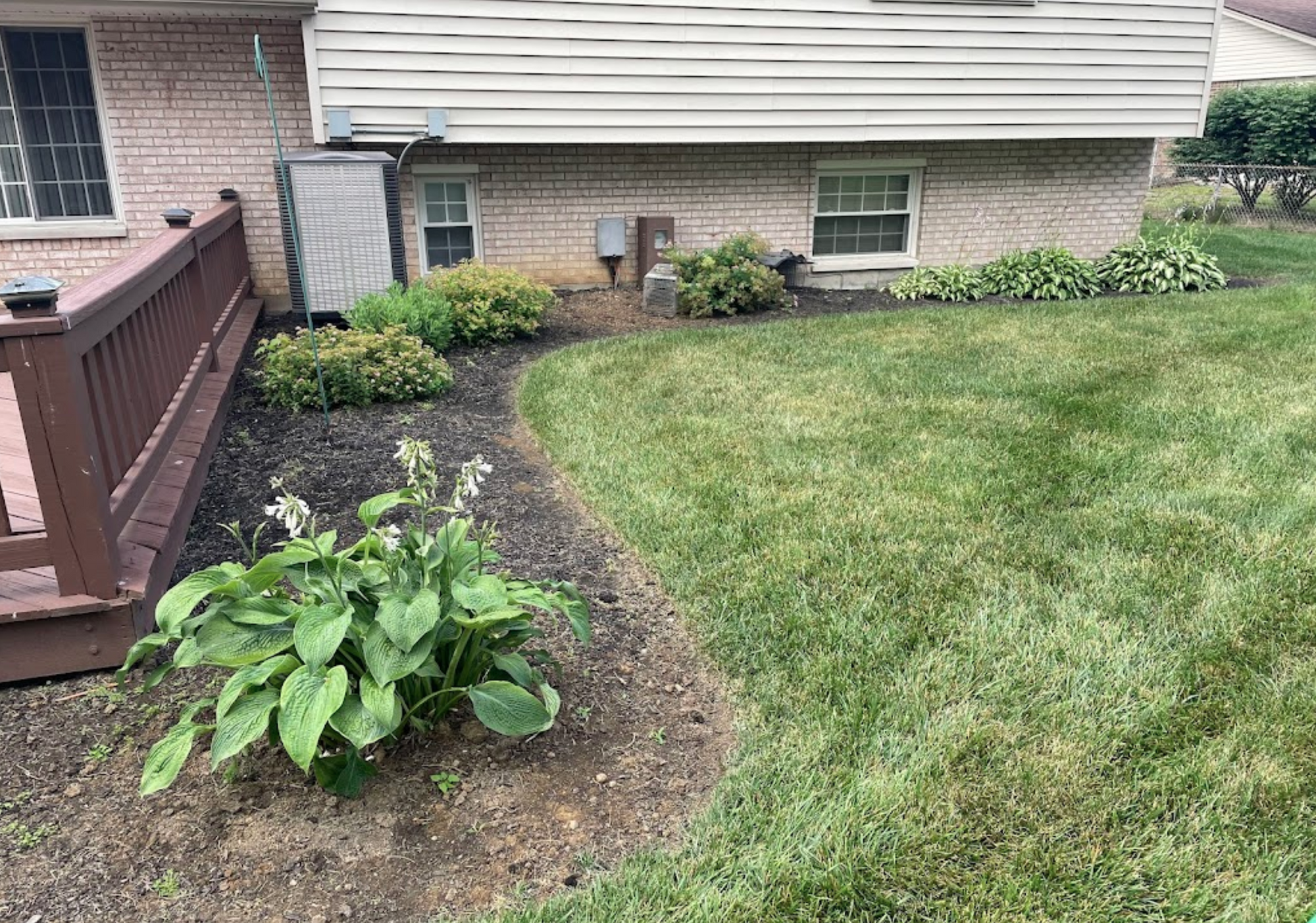
Mulch vs. No Mulch: The Difference
Culpeper's combination of 44 inches of annual rainfall and humid Zone 7a summers means organic mulch breaks down noticeably faster here than in drier regions, typically requiring a fresh application every twelve to eighteen months rather than the every-two-years schedule that works in drier climates. That faster breakdown is actually a benefit for your clay soil because it means more organic matter is being worked into the ground each season. Understanding this cycle helps you plan your mulch budget and delivery schedule realistically rather than being caught with bare beds heading into a hot August.
Before
After
Best Mulch Choice for Culpeper Lawns
Most yards in the Culpeper area sit on type of soil. Culpeper's red clay soil compacts into a dense, poorly aerated layer that suffocates shallow plant roots during both summer heat and winter freeze cycles, making a consistent mulch layer one of the most protective investments you can make for your planting beds. Without that organic buffer, clay surfaces bake into a hard crust that sheds rainfall rather than absorbing it.
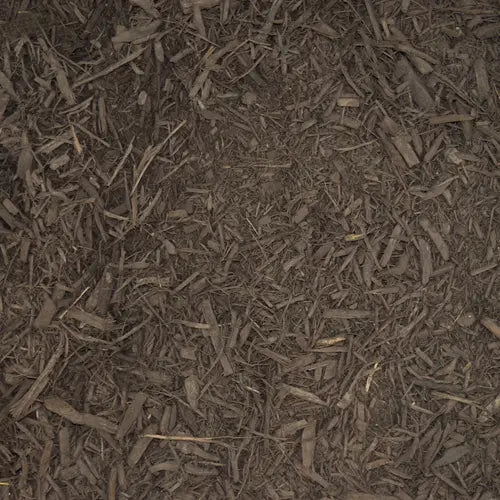
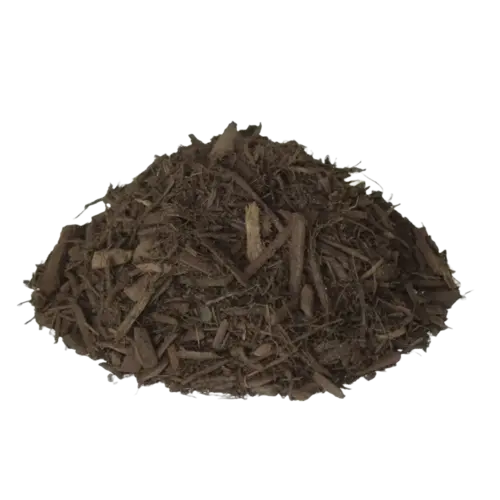
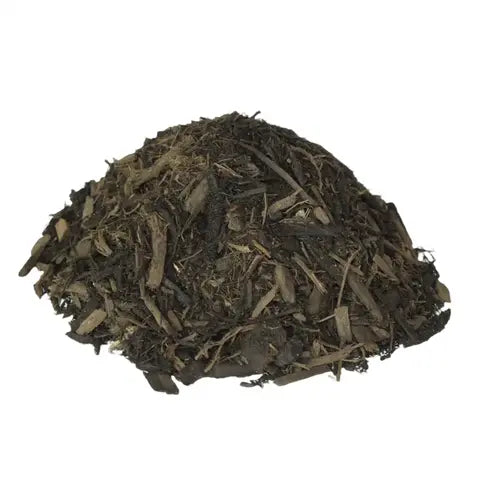
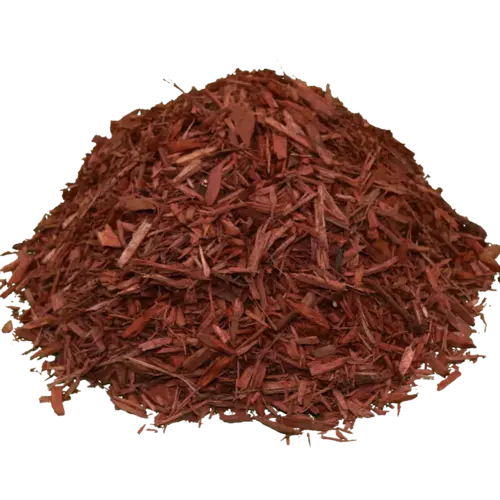
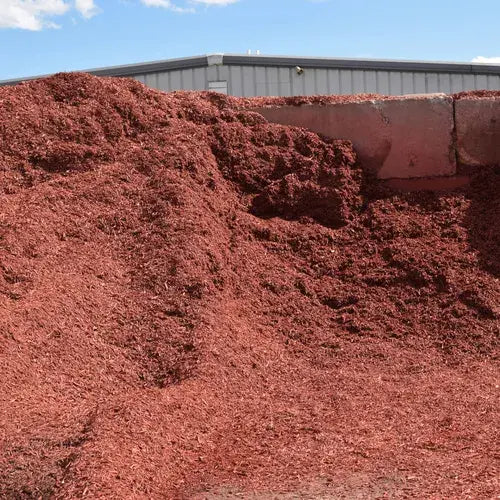
Hardwood Mulch
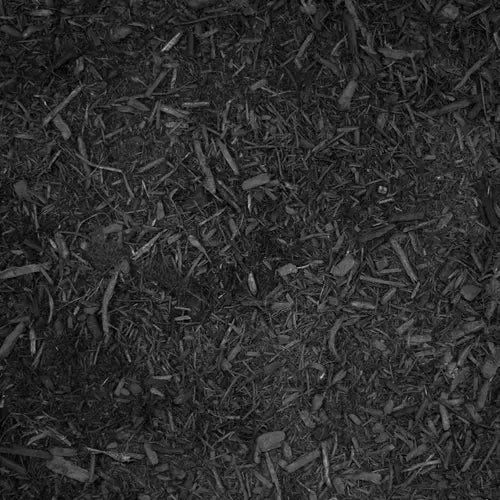
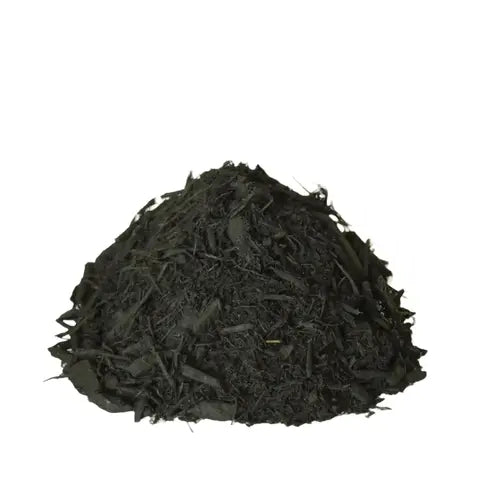
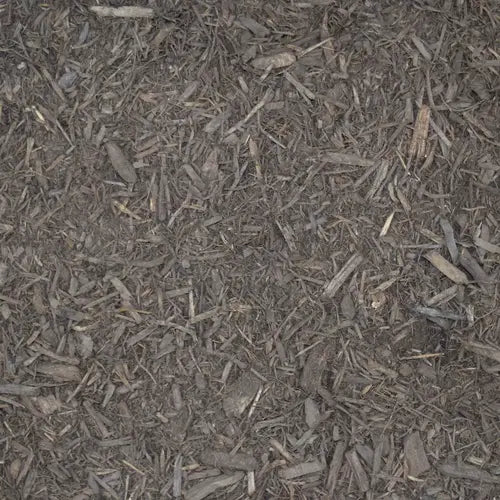
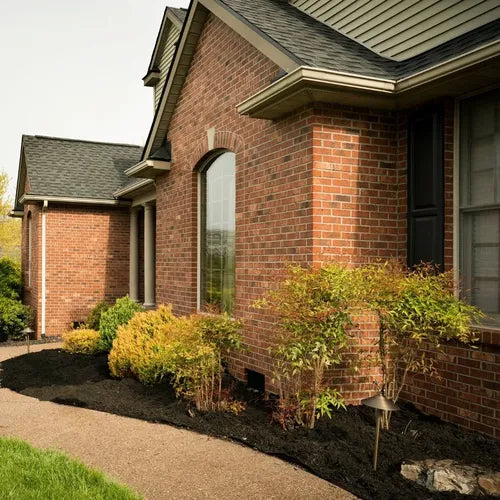
Hardwood mulch applied annually to Culpeper's red clay beds gradually contributes decomposed organic matter to the soil surface, improving its structure, reducing compaction, and making it easier for plant roots to penetrate and establish. Over two to three seasons of consistent mulching, most homeowners notice that their clay feels noticeably looser and more workable than untreated areas of their yard.
Complete Your Outdoor Mulch Project
Mulch works best when your beds are built on good soil, so consider adding a delivery of amended topsoil or compost to work into your clay base before laying down your mulch layer. A load of decorative stone is also a great complement for high-traffic areas, borders, and paths where organic mulch would get kicked around.
Culpeper's red clay compacts heavily under foot traffic during wet spring weather. Before you spread your mulch delivery, take a few minutes to gently loosen the top inch of soil in each bed with a fork or cultivator. This breaks up the compacted surface crust and allows the mulch to make better contact with the soil beneath it, improving moisture retention and giving earthworms easier access to the upper soil layer where they do their best work.
Mulch Mound Pro Tip
Time your mulch delivery to arrive after your last spring weeding session but before your soil fully warms in late May. In Culpeper, weed seeds from common nuisances like crabgrass and clover germinate aggressively once soil temperatures cross 55 degrees. A fresh three-inch layer of hardwood mulch applied before that threshold acts as a physical barrier that keeps light from reaching those seeds, dramatically cutting the number of weeds you will hand-pull through the summer months.
Mulch Mound Pro Tip
When mulching around foundation shrubs and ornamentals in Culpeper, keep a close eye on the moisture level of your clay soil through June and July before you establish a watering routine. Because clay holds water longer than sandy soils, freshly mulched beds can stay moist for extended periods after rain. Push a finger two inches into the soil before watering. If it feels damp, wait another day or two. Overwatering mulched clay beds is one of the most common causes of root decline in Culpeper landscapes.
Frequently Asked Questions
Click a question to see the answer
Answer
How deep should I mulch around my trees and shrubs given Culpeper's clay soil?
In Culpeper's red clay conditions, a three-inch depth is the sweet spot for most planting beds. Clay already holds moisture, so going deeper than four inches can keep the soil too wet and invite root rot, especially through the wet spring season before your April 15 last frost. Pull the mulch back two to three inches from the base of any trunk to prevent bark decay.
Answer
Will mulch actually help with the standing water I get in my beds after a heavy rain?
Mulch will not fix a drainage problem on its own, but it does slow the rate at which water hits the clay surface and gives it more time to absorb. The organic matter from decomposing hardwood mulch also gradually improves clay structure over time, which helps with long-term drainage. If you have serious ponding after Culpeper's heavy spring rains, pairing fresh mulch with a soil amendment or compost layer underneath will make a bigger difference.
Answer
Does mulch really matter for frost protection here, or is that just a marketing claim?
It genuinely matters in Culpeper. Zone 7a means your perennials and shrub roots are close to their cold tolerance limits when temperatures drop in late October and November. A two-to-three-inch layer of mulch insulates the soil and keeps root zone temperatures several degrees warmer than bare clay during hard freezes. That buffer can be the difference between plants bouncing back in April and needing to be replaced.
Answer
What time of year is best to put down fresh mulch in Culpeper?
The two most effective windows are mid-spring after your April 15 last frost date and early fall before your October 28 first frost. Spring mulching locks in soil moisture before the summer heat arrives and suppresses the aggressive weed growth that really takes off in Culpeper's warm, rainy May. Fall mulching protects root systems through winter. If you can only do it once, late spring tends to give you the most benefit across the full growing season.
Answer
How many cubic yards do I need for a typical Culpeper quarter-acre lot?
It depends heavily on how much of your property is planted versus lawn, but a quarter-acre lot with mature foundation plantings, a few tree rings, and a couple of garden beds typically needs eight to twelve cubic yards for a fresh three-inch application. If you are doing a refresh on top of existing mulch that is still somewhat intact, you can often get away with four to six yards. Use our calculator with your actual bed measurements for the most accurate number.
Answer
I have a lot of red clay in my beds that gets rock-hard in summer. Will mulch help break that up over time?
Yes, over several seasons hardwood mulch does meaningful work on Culpeper clay. As it breaks down it adds organic matter to the top layer of soil, improving its texture and making it less prone to forming that brick-like crust in July and August. The process is gradual, taking two to three years of consistent mulching to notice a real difference in soil workability. Mixing in a layer of compost or amended topsoil under your mulch when you plant new beds speeds that process up considerably.
Answer
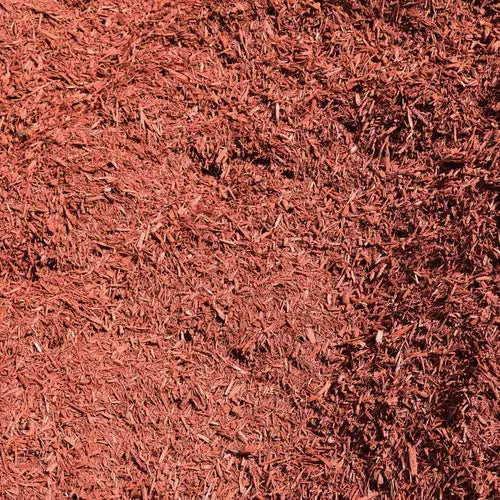
Is dyed mulch okay to use around vegetable gardens or is it better to stick with natural mulch near edibles?
For vegetable gardens in Culpeper, natural undyed hardwood mulch or straw is the better choice. Dyed mulches are generally considered safe, but the colorants break down and deposit into your soil, and most gardeners prefer to keep the growing environment as straightforward as possible around food crops. Natural hardwood mulch also breaks down faster in Culpeper's humid summers, which means it contributes more organic matter to your vegetable beds during the growing season.
The Unique Landscape of Culpeper
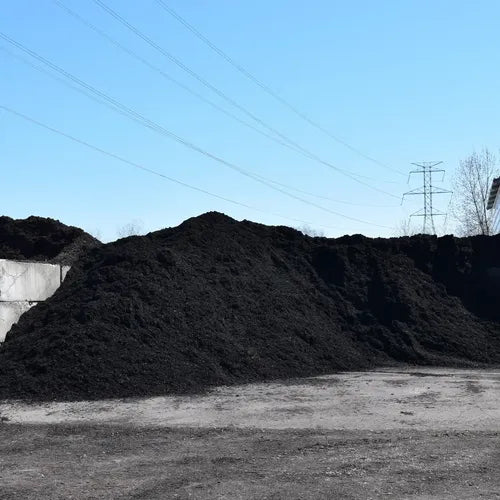
Culpeper sits in a transitional climate zone where hot, humid summers and unpredictable spring frosts create real stress for plant roots. The red clay soil that dominates most Culpeper yards drains poorly after the area's average 44 inches of annual rainfall, leaving plant beds waterlogged and oxygen-starved. A proper layer of mulch acts as a buffer between that dense clay and your plants, moderating soil temperature swings that can be dramatic between an October 28 first frost and an April 15 last frost. Without mulch coverage, Culpeper's clay surface bakes hard in July heat and then cracks and shifts during winter freeze-thaw cycles. Bulk hardwood mulch delivered directly to your driveway gives you enough material to protect every bed properly, rather than making do with a few bags from a hardware store.