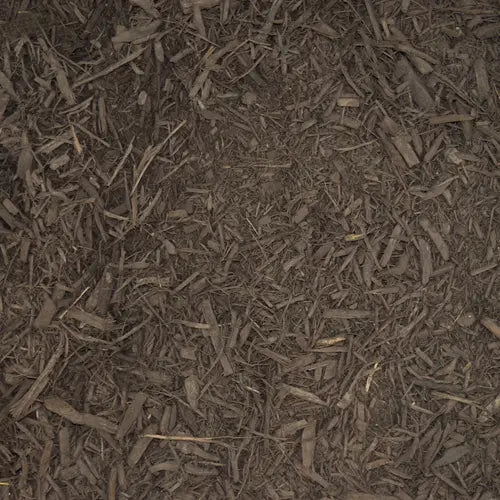
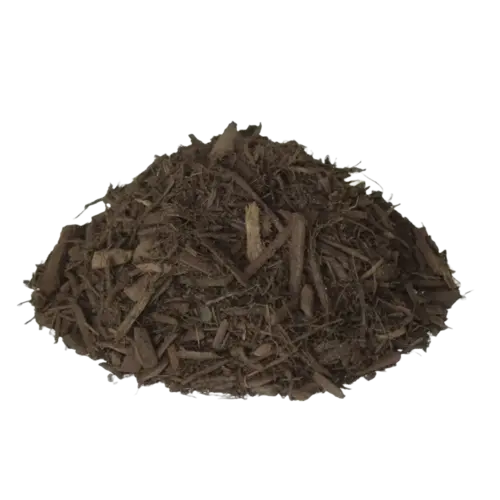
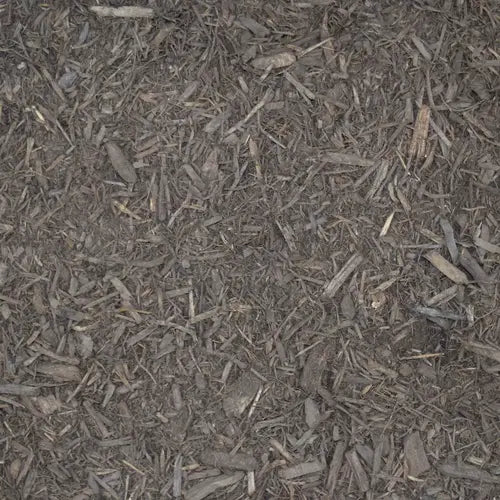
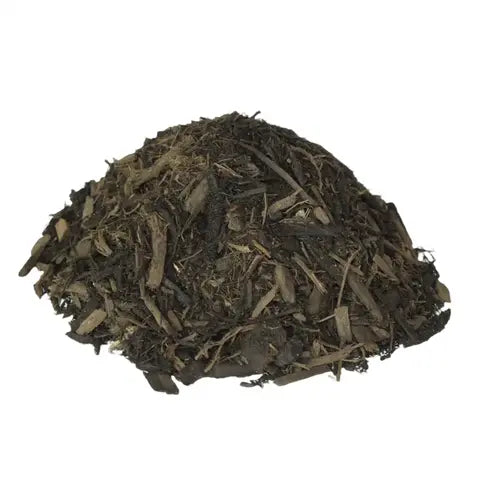
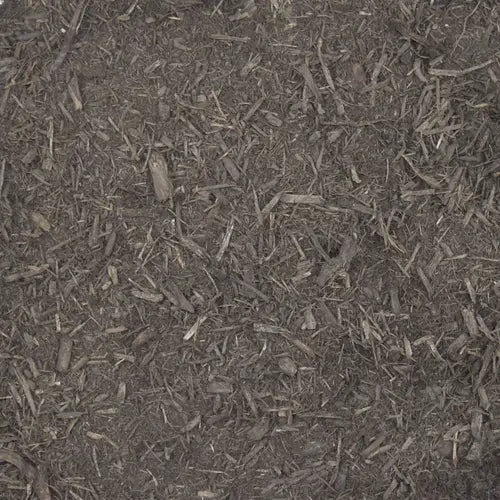
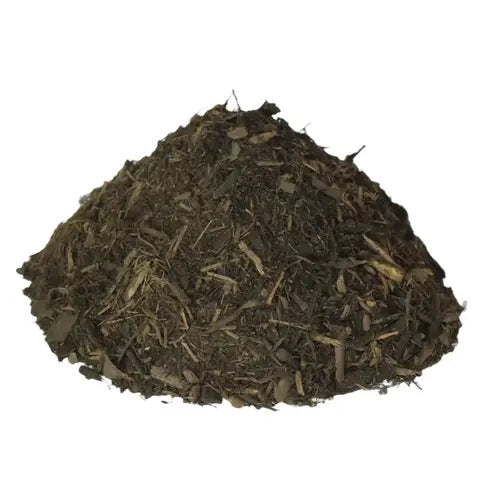
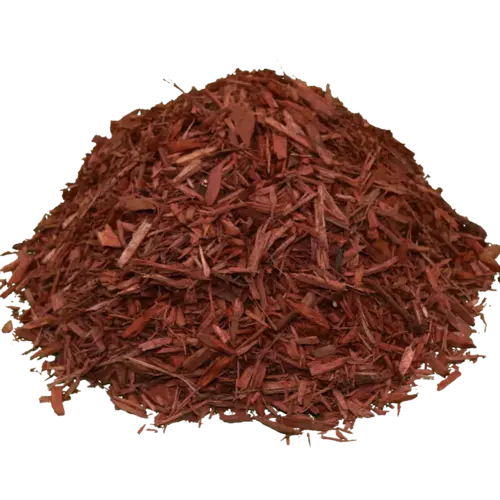
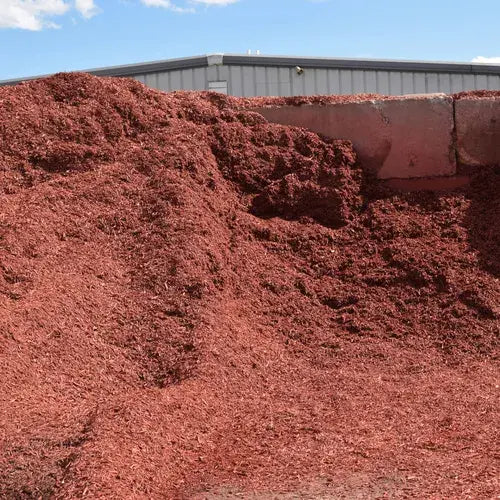
Warm brown double shredded mulch with lasting color that looks freshly applied for weeks. Spreads smooth, stays put, and gives beds a natural, polished appearance.
Great experience with mulch mound. Their online calculator made it easy to estimate how many yards of mulch I needed and delivery was quick. I would definitely recommend them for your future projects.
Tell us what you're looking for
Thanks! We received your request.
Something went wrong. Please try again.
How Much Material Do I Need?
For Dalton's red clay beds, a 3-inch application depth is the standard recommendation, providing enough insulation and weed suppression without trapping excess moisture against the dense clay surface. Most residential beds and tree rings in the area require between 2 and 10 cubic yards depending on layout.
Use our free mulch calculator
What is a yard?
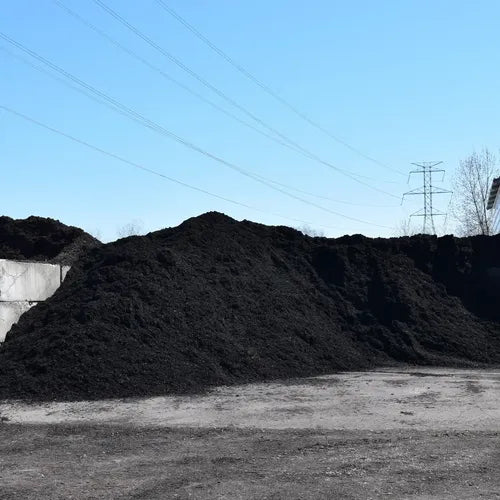
A yard is approximately 27 cubic feet. As a general guideline, one yard of material can cover an area of about 100-160 square feet at a 2-3 inch depth.
We can't take orders for this right now. Tell us what you need and we'll get back to you.
What do you need?
Thanks! We received your request.
Something went wrong. Please try again.
Hand-picked local yards
4,000+ regional deliveries
Dedicated support
Why order through Mulch Mound
The best local mulch, without the guesswork.
We hand-pick and partner with the best yards in your region, keep only the ones our buyers rate well, and back each load with our guarantee.
Mulch Mound Guarantee
If your mulch isn't the quantity or quality you ordered, we'll make it right.
About this mulch
Warm brown double shredded mulch with lasting color that looks freshly applied for weeks. Spreads smooth, stays put, and gives beds a natural, polished appearance.
Great experience with mulch mound. Their online calculator made it easy to estimate how many yards of mulch I needed and delivery was quick. I would definitely recommend them for your future projects.
How Much Material Do I Need?
For Dalton's red clay beds, a 3-inch application depth is the standard recommendation, providing enough insulation and weed suppression without trapping excess moisture against the dense clay surface. Most residential beds and tree rings in the area require between 2 and 10 cubic yards depending on layout.
Use our free mulch calculator
What is a yard?
A yard is approximately 27 cubic feet. As a general guideline, one yard of material can cover an area of about 100-160 square feet at a 2-3 inch depth.
Great experience with mulch mound. Their online calculator made it easy to estimate how many yards of mulch I needed and delivery was quick. I woul...
Read full review
Great experience with mulch mound. Their online calculator made it easy to estimate how many yards of mulch I needed and delivery was quick. I would definitely recommend them for your future projects.
We needed mulch for our HOA common areas. Local providers were all holding high prices even for 40 yards of mulch. Mulch mound was easy to wowith...
Read full review
We needed mulch for our HOA common areas. Local providers were all holding high prices even for 40 yards of mulch. Mulch mound was easy to wowith & has great price for natural mulch + delivery schedule options. They called before delivery to ensure Delivery was exactly where we wanted it.
Delivery was on time and great quality Mulch. Got it done in a reasonable time and yard looks great. Couldn’t be happier!!! Thank you and will us...
Read full review
Delivery was on time and great quality Mulch. Got it done in a reasonable time and yard looks great. Couldn’t be happier!!! Thank you and will use again!!
Measure the length and width of each bed in feet and multiply those numbers to get square footage. Plan for a 3-inch depth, which means you will need one cubic yard of mulch for every 108 square feet of bed space. Dalton's heavy rainfall can compact and thin your mulch layer over the season, so ordering a small buffer of 10 to 15 percent extra is a smart habit.
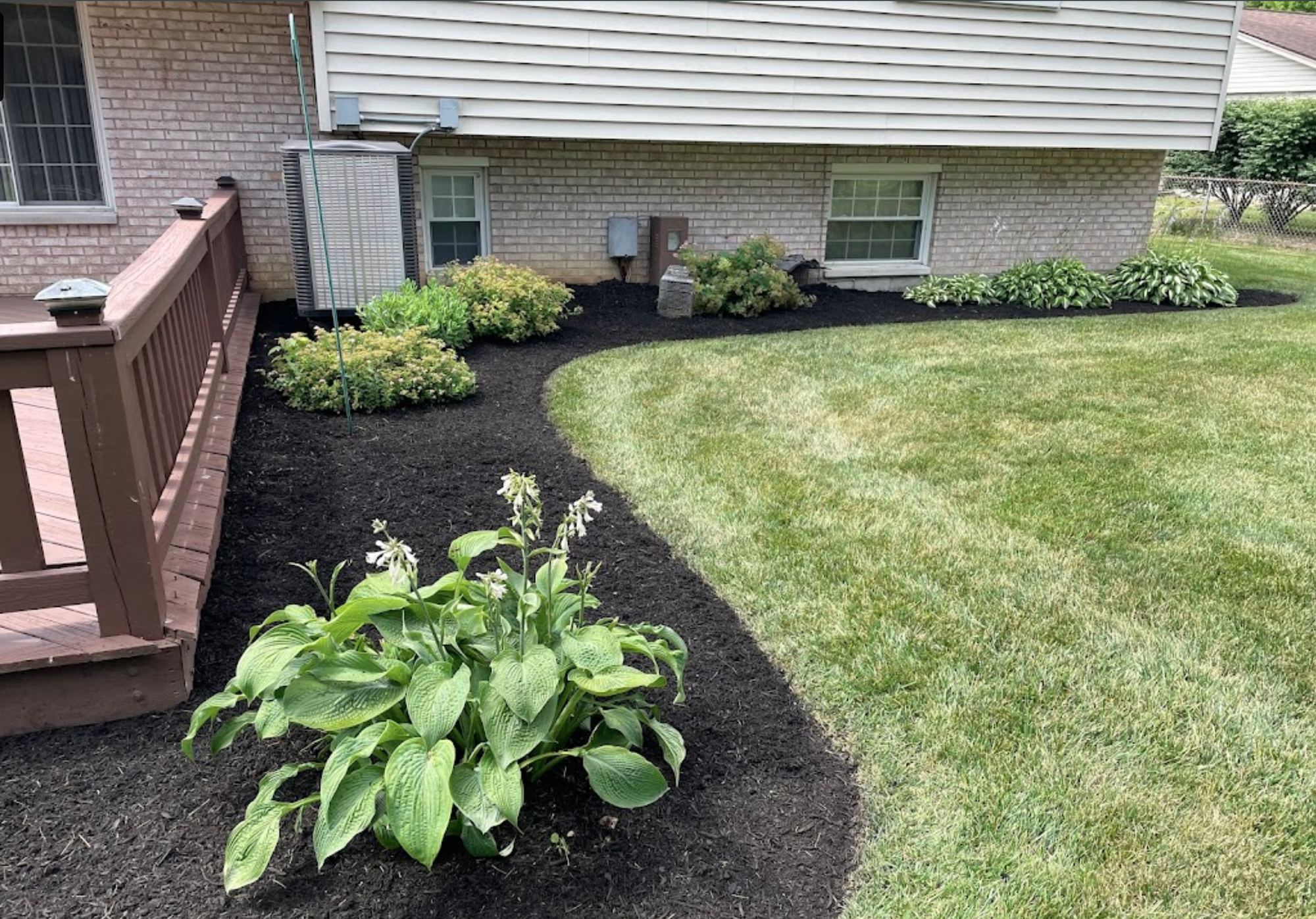
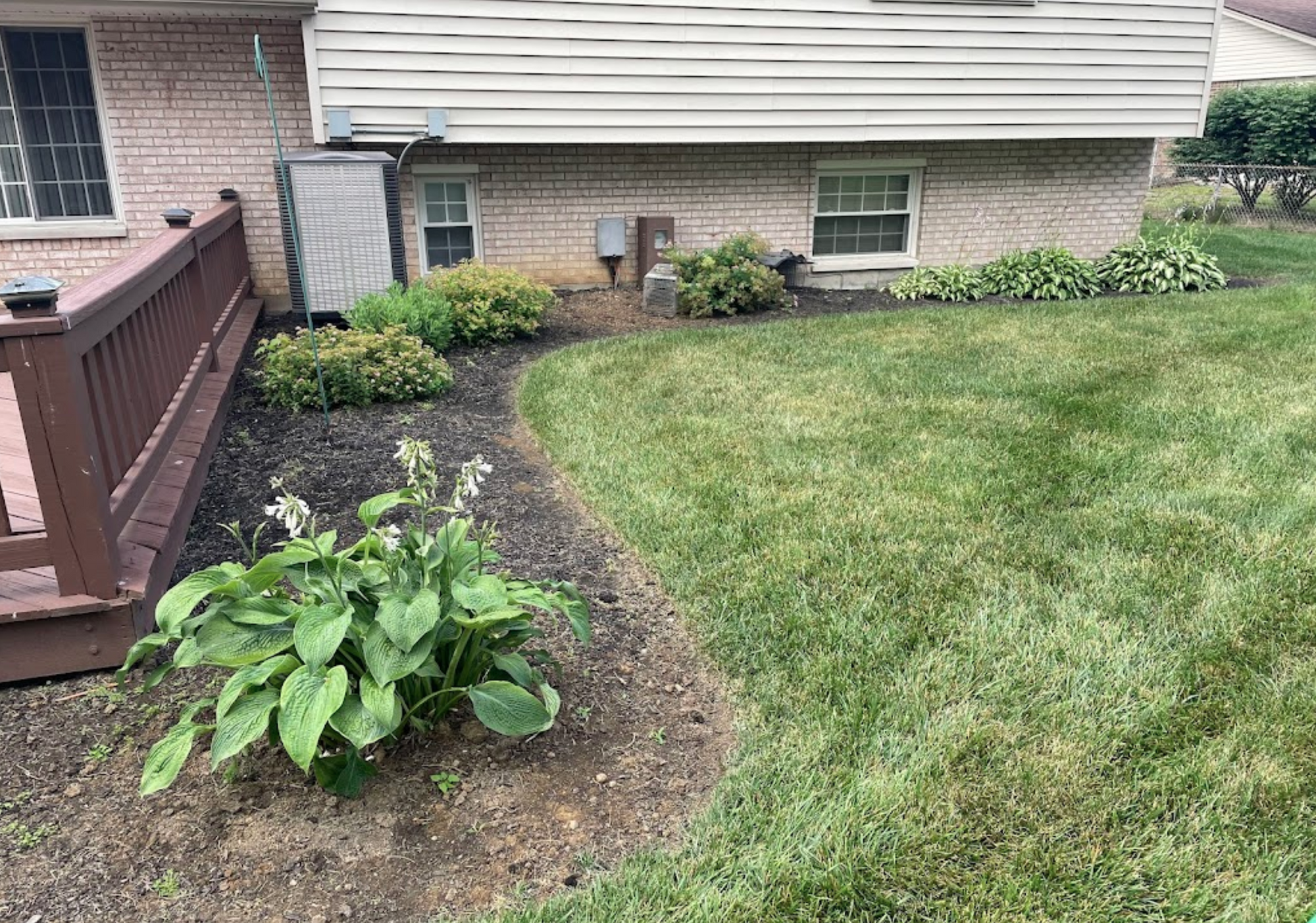
Mulch vs. No Mulch: The Difference
Dalton's heat and humidity accelerate the breakdown of all organic mulches, but natural undyed hardwood tends to decompose slightly faster than color-treated products because dyed mulches often use wood that has been processed to accept pigment, which slows microbial activity. In a climate with Zone 8a summers and over 50 inches of annual rain, that difference in decomposition rate matters when you are planning how often to refresh your beds. Natural mulch feeds your red clay soil with organic matter faster, while dyed mulch holds its appearance longer through the season.
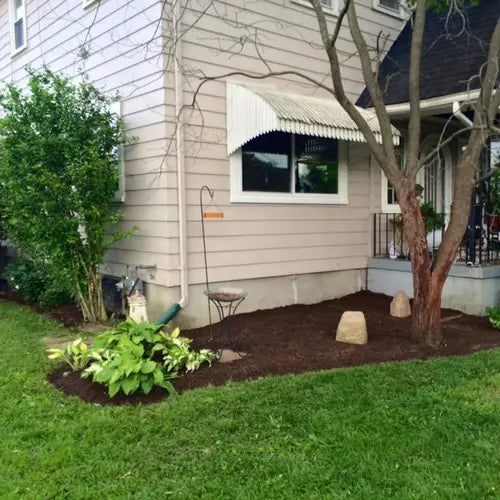
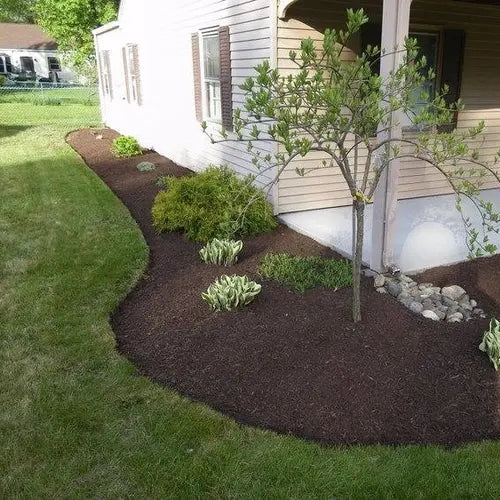
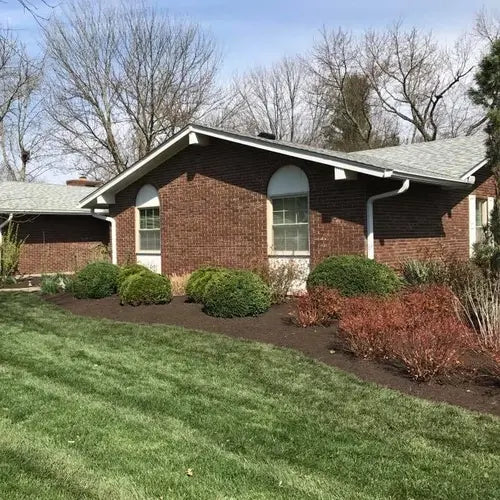
Before
After
Best Mulch Choice for Dalton Lawns
Most yards in the Dalton area sit on Red Clay type of soil. Dalton's red clay is dense and extremely poor at supporting healthy plant roots without help, which means top-dressing beds with quality mulch is not optional but essential for plant survival through the region's hot, humid growing season.
Hardwood Mulch
Hardwood mulch breaks down into humus over time and that decomposed material physically works into the top layer of red clay, improving its texture, reducing compaction, and adding the organic matter that Dalton's Georgia clay soils so desperately lack.
Mulch Types We Deliver in Dalton
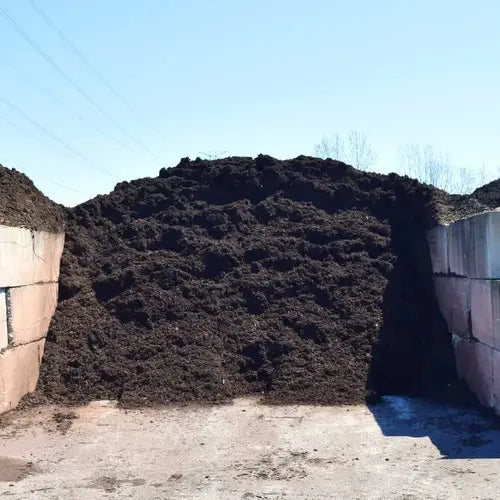
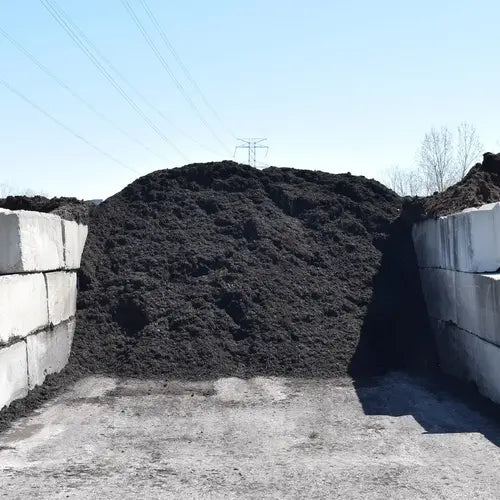
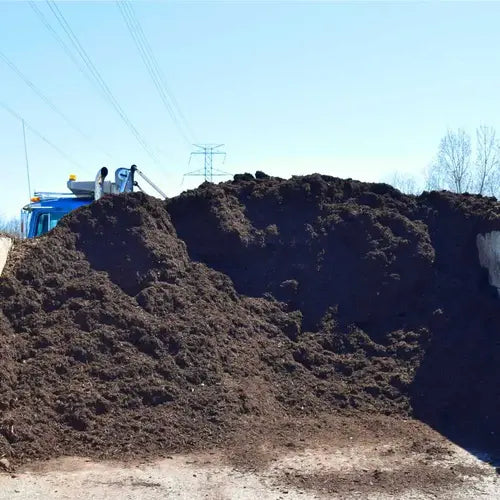
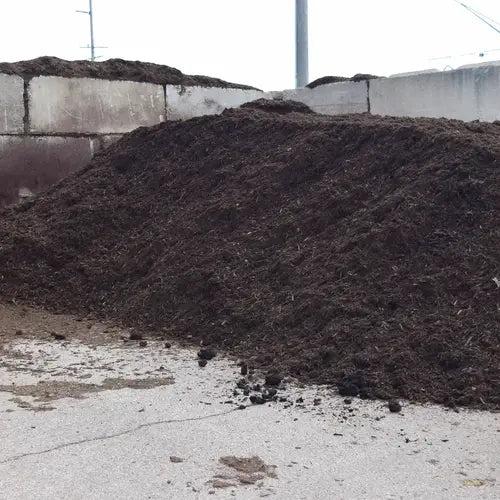
If you are looking for bulk mulch delivery in Dalton, we bring fresh material straight to your property, measured and priced by the cubic yard, so you skip the bags and cover more ground in less time. The warm, humid summers and heavy clay soil common throughout this part of northwest Georgia make a thick layer of mulch one of the smartest investments you can make for your landscape.
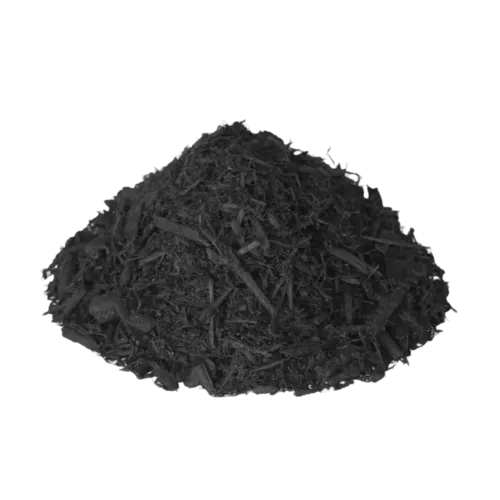
Dyed Black Mulch
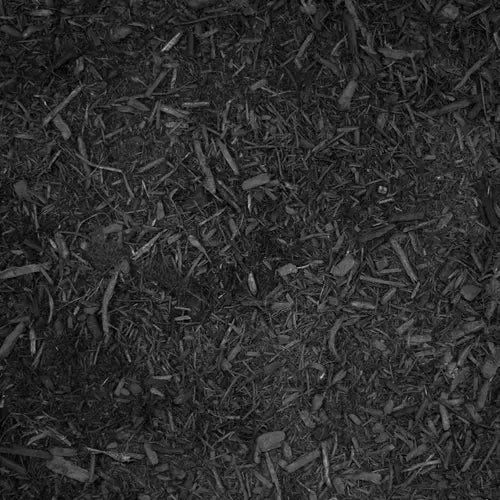
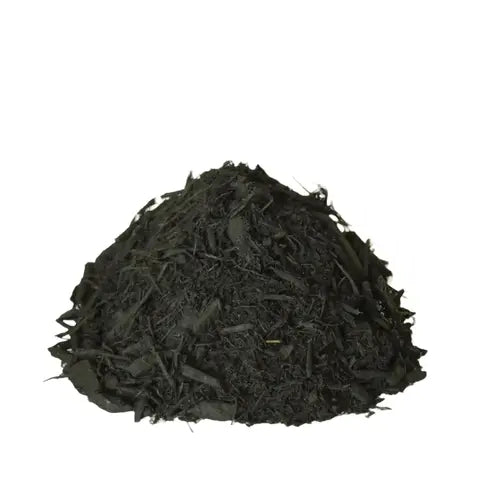
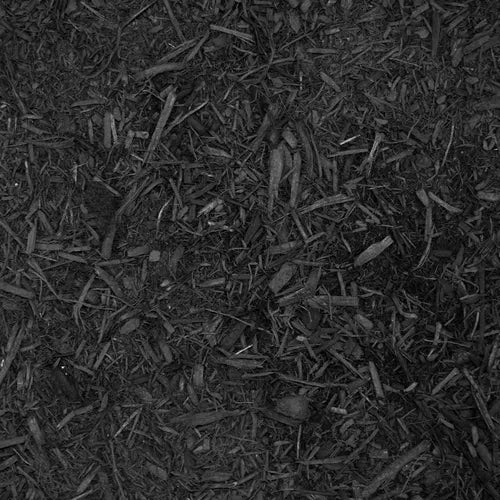
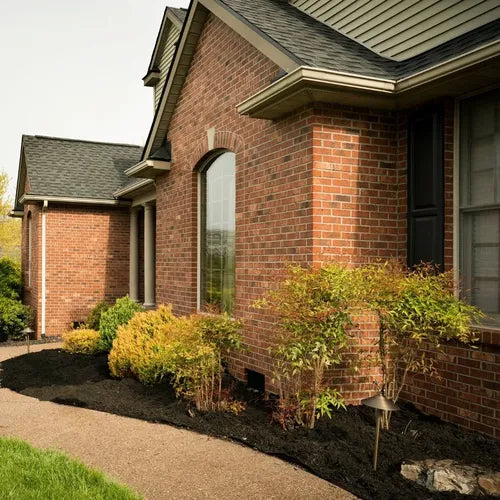
Bold double shredded mulch in a rich black that creates strong contrast against the brick, stone, and green plantings common on homes in northwest Georgia. The color holds well through summer heat and rain, and the fine texture makes it easy to spread evenly across large foundation beds.
Dyed Brown Mulch
Warm brown double shredded mulch offers a clean, polished look without a bold color statement. It pairs naturally with the earthy tones of Georgia clay soil and complements native plantings throughout the region. The lasting color stays looking fresh through weeks of summer sun and humidity.
Natural Brown Mulch
Undyed double shredded mulch with a warm tone that comes straight from the wood itself. A reliable choice for northwest Georgia landscapes built around native plants and natural stone. No color additives, just clean material, a smooth spread, and an honest natural look.
Complete Your Outdoor Mulch Project
If your beds have compaction issues common to Dalton's red clay, adding a layer of amended garden soil before mulching can dramatically improve drainage and root health. Stone edging along bed borders also helps contain mulch during Dalton's heavier rain events.
Dalton's red clay stays saturated for days after a heavy rain, and spreading mulch immediately after a downpour traps that moisture underneath, creating ideal conditions for fungal growth. Wait until the top inch of soil has started to dry before laying fresh mulch. A quick finger test in the bed tells you everything you need to know, and if it still feels cold and sticky, give it another day or two before you spread.
Mulch Mound Pro Tip
Because Dalton sits at 761 feet of elevation and experiences a true Zone 8a winter with occasional hard freezes, mulching your perennial beds in late October gives root systems a fighting chance through cold spells. Focus especially on borderline-hardy plants like loropetalum, encore azaleas, or knockout roses that may be pushing their cold tolerance. A pre-freeze application locks in the soil warmth built up all summer and cushions roots against the temperature swings common in northwest Georgia winters.
Mulch Mound Pro Tip
With 53 inches of annual rainfall in Dalton, mulch in sloped or low-lying beds can shift and wash during heavy spring storms. Shredded hardwood mulch mats together as it settles and resists displacement far better than nuggets or pine bark chips. If you have pitched beds near your foundation, shredded hardwood is worth the upgrade because it stays put through the spring rain events that push looser materials into your lawn and gutters.
Frequently Asked Questions
Click a question to see the answer
Answer
How thick should I apply mulch over Dalton's red clay soil?
Red clay does not breathe or drain well on its own, so a 3-inch layer of mulch is ideal for Dalton beds. Going much thicker than 4 inches can trap moisture right at the soil surface, which promotes mold and root rot in Dalton's humid summers. Stay consistent at 3 inches and pull mulch a few inches away from plant stems and tree trunks.
Answer
Will mulch help with the standing water I get in my beds after heavy rain?
Mulch alone will not fix a drainage problem caused by Dalton's red clay, but it does slow the rate at which water hits the soil surface. This gives clay more time to absorb rainfall rather than letting it sheet off. For areas with chronic standing water, pairing mulch with a soil amendment or a stone drainage channel will give you much better results.
Answer
When is the best time of year to put down fresh mulch in Dalton?
The best window is right after Dalton's last frost, which typically falls around April 27. Applying mulch at that time helps insulate soil as temperatures climb toward summer, suppresses early weed germination, and locks in spring moisture before the dry spells of June and July arrive. A second light refresh in late October, just before the first frost around November 3, helps protect plant roots through winter.
Answer
Does dyed mulch hold its color through Dalton's rainy summers?
Dalton averages 53 inches of rain per year, and that consistent moisture causes color-dyed mulch to fade faster than it would in drier climates. Most dyed products hold their color reasonably well for one full growing season, but you should expect to refresh or top-dress by the following spring. If color retention is a priority, choose a darker dye and avoid placing it in areas with direct afternoon sun, which accelerates fading on top of the rainfall effect.
Answer
What kind of mulch breaks down the fastest in Dalton's climate?
Finely shredded hardwood mulch breaks down the quickest in Dalton's warm, moist conditions. Zone 8a means soil microbes are active for a long growing season, roughly from late April through early November, and they consume finer organic particles faster than chunky wood chips or nuggets. Fast decomposition is not always bad since it feeds nutrients into the clay over time, but it does mean you will need to replenish finely shredded mulch more often than coarser options.
Answer
Can mulch help protect plants from Dalton's occasional hard freezes?
Yes, a 3 to 4-inch layer of mulch acts as insulation for root zones when temperatures dip below freezing after Dalton's first frost date around November 3. Red clay holds cold temperatures longer than sandy or loamy soils, which makes root protection especially important here. Apply your winter mulch layer before the first hard freeze to give perennials and shrubs the best chance of surviving any cold snaps that follow.
Answer
Is there a mulch type that works especially well around the ornamental trees common in Dalton yards?
Hardwood bark mulch is a great choice around ornamental trees in Dalton because it decomposes slowly enough to maintain a protective layer through the full growing season. It also improves the organic matter content of red clay over time, which gradually loosens the soil around tree roots. Keep the mulch ring pulled back several inches from the trunk to prevent bark rot in Dalton's humid summers.
The Unique Landscape of Dalton
Dalton's red clay soil is notoriously dense and slow to drain, which means plant roots often struggle to breathe and absorb nutrients during the wet spring months. With 53 inches of rainfall each year, unprotected beds lose topsoil quickly to runoff and compaction. A proper mulch layer buffers that moisture load, slowing surface water and allowing it to percolate into the ground more gradually. During the long stretch between Dalton's last frost on April 27 and first frost on November 3, the Georgia summer heat bakes exposed soil into a hard crust that suffocates roots. Mulch insulates that clay surface, keeping soil temperatures more consistent through the hottest weeks of July and August. Maintaining a healthy mulch layer is one of the most effective ways Dalton homeowners can fight the dual threats of clay compaction and summer heat stress.