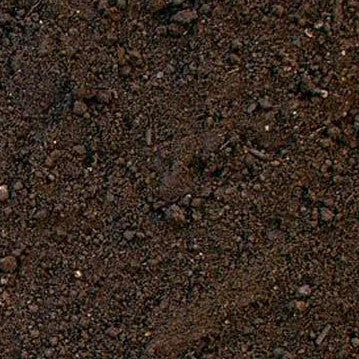
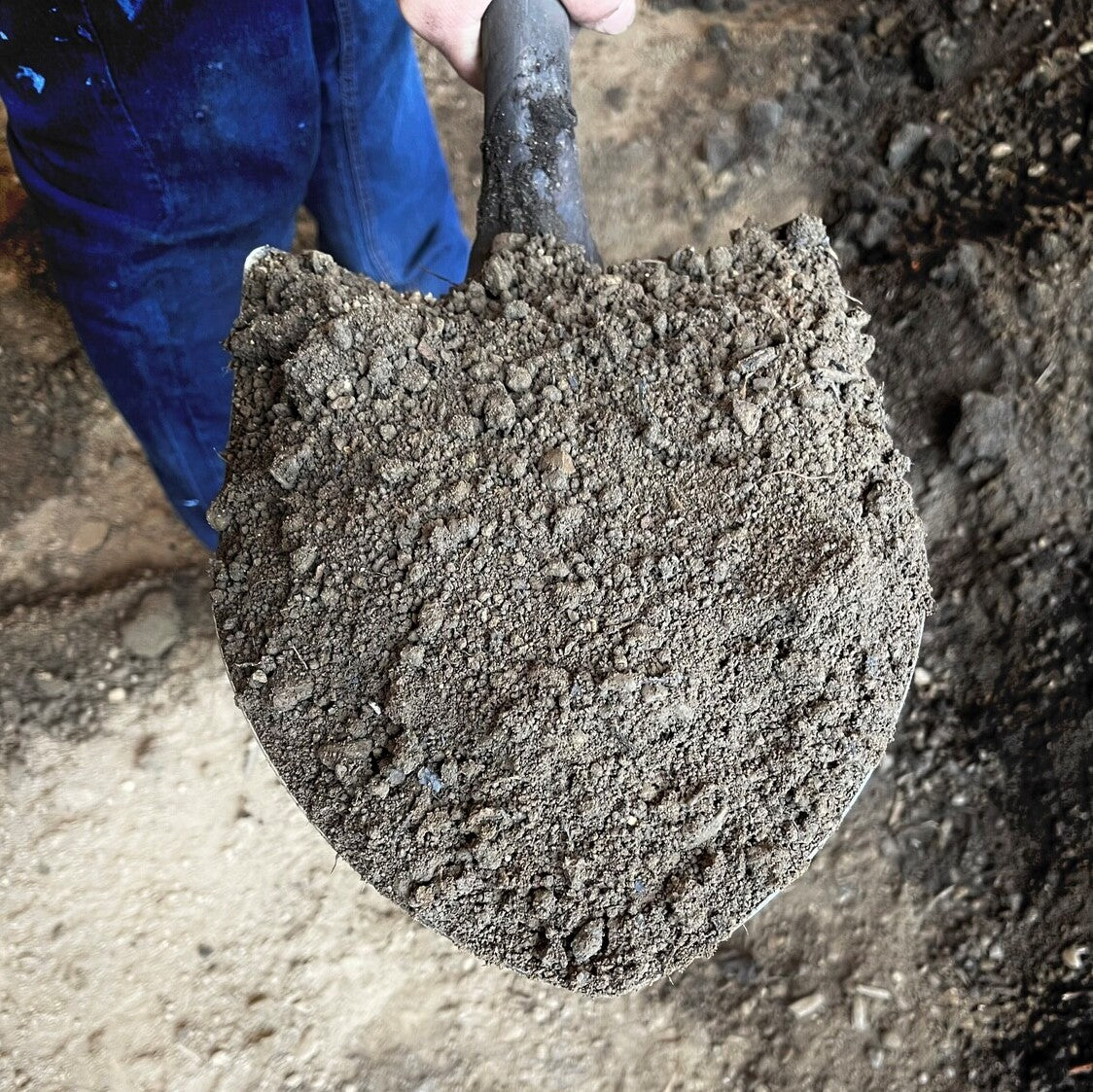
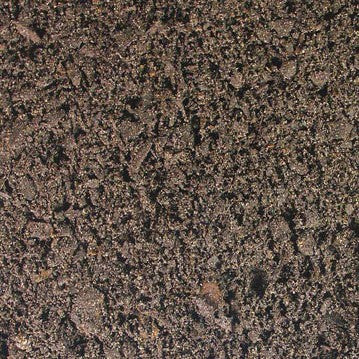
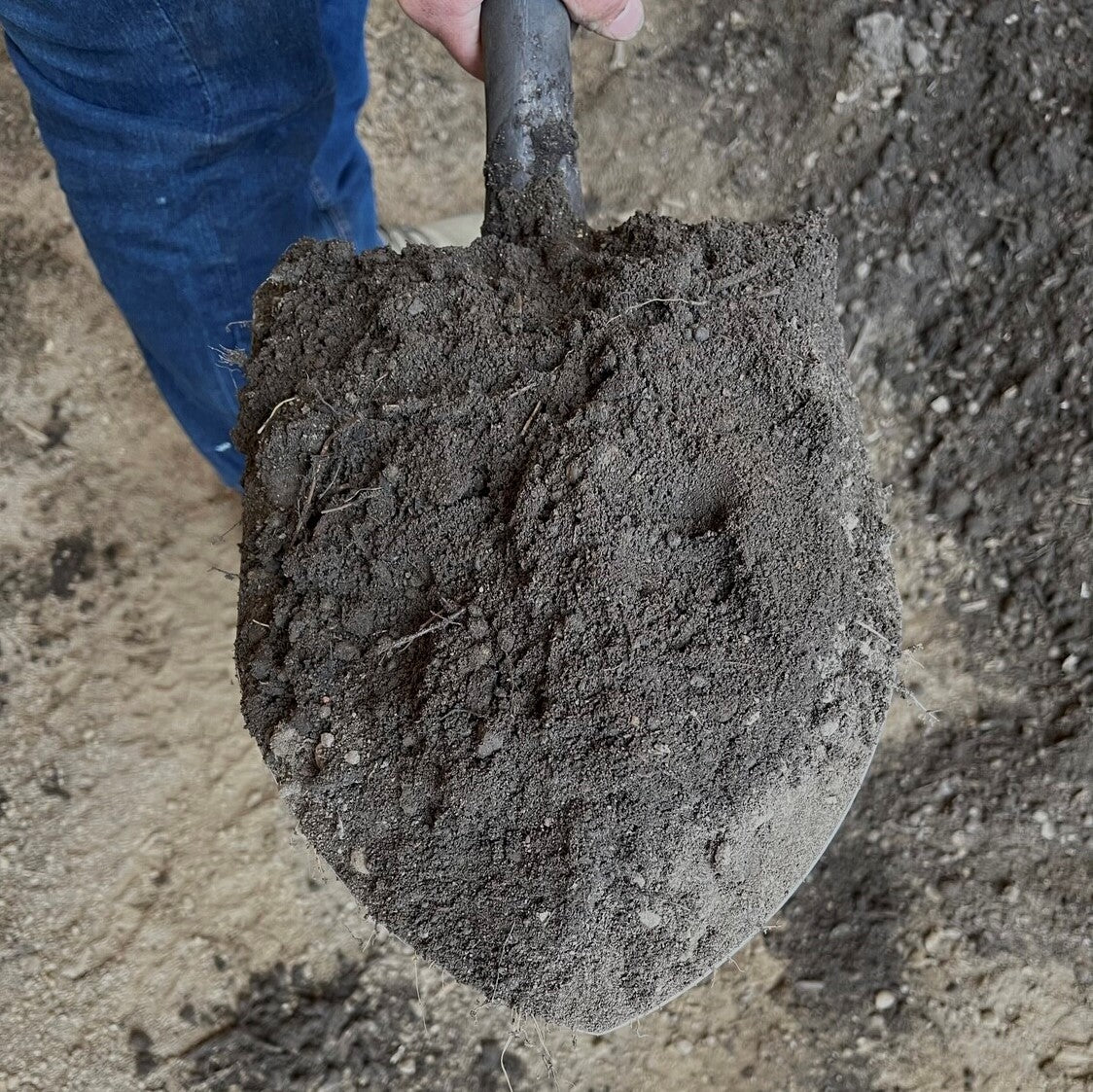
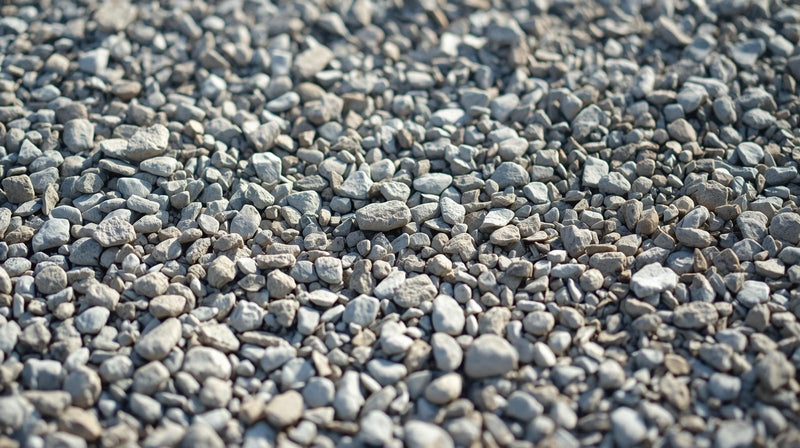
Quality topsoil for lawns, gardens, and landscape projects. Nutrient rich and ready to support strong root development and healthy plant establishment.
I used Mulch Mound to have 3 cubic yards of garden soil delivered. The process was easy and I love that I didn't have to call anyone. I placed my order online, picked my delivery date, laid out my tarp and the dirt was delivered. My delivery had to be pushed back, but I was ke...
Tell us what you're looking for
Thanks! We received your request.
Something went wrong. Please try again.
How Much Material Do I Need?
For raised garden beds in Dalton, a minimum depth of 10 to 12 inches of quality soil above the native clay layer gives roots enough room to establish without hitting the compacted subsoil. Lawn leveling applications should be done in thin 1-inch lifts to allow grass to grow through without smothering.
Use our free soil calculator
What is a yard?
A yard is approximately 27 cubic feet. As a general guideline, one yard of material can cover an area of about 10 feet by 10 feet at a few inches deep.
We hand-pick and partner with the best yards in your region, keep only the ones our buyers rate well, and back each load with our guarantee.
Mulch Mound Guarantee
If your soil isn't the quantity or quality you ordered, we'll make it right.
About this soil
Quality topsoil for lawns, gardens, and landscape projects. Nutrient rich and ready to support strong root development and healthy plant establishment.
I used Mulch Mound to have 3 cubic yards of garden soil delivered. The process was easy and I love that I didn't have to call anyone. I placed my order online, picked my delivery date, laid out my tarp and the dirt was delivered. My delivery had to be pushed back, but I was ke...
How Much Material Do I Need?
For raised garden beds in Dalton, a minimum depth of 10 to 12 inches of quality soil above the native clay layer gives roots enough room to establish without hitting the compacted subsoil. Lawn leveling applications should be done in thin 1-inch lifts to allow grass to grow through without smothering.
Use our free soil calculator
What is a yard?
A yard is approximately 27 cubic feet. As a general guideline, one yard of material can cover an area of about 10 feet by 10 feet at a few inches deep.
I used Mulch Mound to have 3 cubic yards of garden soil delivered. The process was easy and I love that I didn't have to call anyone. I placed my o...
Read full review
I used Mulch Mound to have 3 cubic yards of garden soil delivered. The process was easy and I love that I didn't have to call anyone. I placed my order online, picked my delivery date, laid out my tarp and the dirt was delivered. My delivery had to be pushed back, but I was kept informed via text, which was great. So why not 5 stars? The description of garden soil on the website is "A balanced mix of topsoil and organic amendments ready for raised beds, flower gardens, and new planting areas. Good drainage, solid nutrients, easy to work with." What I got was more like fill dirt. It had a lot of gravel, a lot of clay, and random trash mixed in. I didn't test the soil to see if it actually had "amendments" because I already have compost and alpaca manure ready to add, but if I'd known the quality of the dirt was going to be the same as the bagged dirt I bought last year, I probably would have gotten 2 yards of top soil and a yard of leaf compost for better quality, especially since the leaf compost is cheaper. Photo of my mountain of dirt and just some of the trash I found in it.
Measure the length and width of your project area in feet and estimate the depth of soil you need in inches. Multiply length by width by depth in feet, then divide by 27 to get cubic yards. For Dalton raised beds built above red clay, most homeowners find they need more material than initially expected because of settling after rain, so add 10 to 15 percent to your base estimate.
Soil Types We Deliver in Dalton
Mulch Mound offers bulk soil delivery by the yard in Dalton, bringing quality material straight to your home or job site. Northwest Georgia's red clay base makes the right soil amendment essential for healthy lawns and productive gardens. We carry a range of types to match every project, from new lawn prep to slope grading.
Screened Top Soil
Our screened topsoil has a fine, uniform texture that pairs well with the heavy red clay common in northwest Georgia. It is the preferred choice for seeding new lawns, preparing sod, or building raised garden beds. The screened finish removes clumps and debris so the material spreads evenly and roots can establish quickly.
Fill Dirt
Fill dirt is an unscreened material with a high clay content, suited for grading slopes, filling low areas, and stabilizing ground around foundations. The rolling terrain common throughout this part of Georgia means many yards need leveling before landscaping can begin. Its clay composition retains moisture and compacts firmly for a reliable grading base.
Planting Mix
This mix combines soil, organic compost, sand, and pine fines to create a fertile growing medium that drains freely and stays loose for roots. It suits flower beds and vegetable gardens especially well. Gardeners throughout northwest Georgia often use it to amend and loosen the tight native clay before planting.
Mushroom Compost
Spent mushroom compost is a rich organic amendment that improves the structure of the dense native soils common in northwest Georgia. It feeds beneficial soil life and helps beds hold nutrients more effectively over time. A few cubic yards worked into existing planting areas can noticeably improve both plant health and yield.
Complete Your Outdoor Soil Project
Pairing new soil with a quality mulch layer protects it from Dalton's heavy rainfall and reduces surface compaction through the growing season. Stone edging around raised beds keeps the soil contained during storm events and gives your finished project a clean, polished look that holds up through northwest Georgia's wet springs.
Can I just add topsoil on top of my Dalton red clay, or do I need to till it in?
For lawn leveling and shallow topdressing, laying soil directly on top of red clay works fine as long as you are not exceeding a couple of inches at a time. For garden beds and planting areas, tilling the new soil into the top 6 to 8 inches of clay creates a blended transition zone that roots can grow through much more easily. A pure clay layer beneath thick imported soil can create a perched water table in Dalton, where rain collects at the boundary between materials, so mixing rather than simply layering gives you better drainage over time.
Answer
How much soil do I need to build a raised garden bed in my Dalton yard?
A standard raised bed that is 4 feet by 8 feet and 12 inches deep requires roughly 1.2 cubic yards of soil. For Dalton yards where red clay starts just a few inches below the surface, most homeowners build beds at least 10 to 12 inches tall to give plant roots a clay-free zone to work in. If you are filling multiple beds, ordering 10 to 15 percent extra is a smart buffer since soil settles noticeably after the first few rain events.
Answer
What is the difference between topsoil and garden soil, and which one is better for Dalton beds?
Topsoil is a naturally screened material used primarily for grading, filling low spots, and lawn leveling. Garden soil or amended blends include organic matter, compost, and nutrients that support plant growth more actively. In Dalton, where native red clay is nutritionally limited and structurally poor, amended garden soil is the better choice for any planting bed, vegetable garden, or landscape area where you expect plants to actively grow and produce through the full growing season.
Answer
When is the best time to add new soil to my lawn or garden in Dalton?
For lawn work, the best time to topdress or level with soil in Dalton is in early spring, just before or right after the last frost around April 27, when warm-season grasses are about to break dormancy and will quickly grow through and stabilize the new material. For garden beds, early spring or fall after the heat of summer has passed are both excellent times to build out raised beds or refresh planting areas ahead of Dalton's long growing season.
Answer
Will adding topsoil actually help with my drainage problems, or is the clay just too much to fix?
Adding quality topsoil above your red clay does improve drainage in the immediate root zone, but it does not eliminate the underlying drainage limitation of the clay itself. For persistent drainage problems in Dalton, the most effective approach is to combine new soil with organic amendments, grading adjustments to direct surface water away from problem areas, and in severe cases, a gravel or stone drainage channel underneath raised planting areas.
Answer
How do I keep new soil from washing away during Dalton's heavy spring rains?
Freshly placed soil is highly vulnerable to erosion from Dalton's spring and summer rain events, which can be intense given the area's 53-inch annual average. The fastest way to stabilize it is to seed, plant, or mulch immediately after spreading. For bare soil in open areas, an erosion control blanket or straw covering keeps the surface intact while root systems establish. On slopes, stone edging or retaining borders help contain the material during heavy downpours.
Answer
Can I use bulk soil to level out the low spots in my Dalton lawn?
Yes, bulk topsoil is one of the most practical tools for lawn leveling in Dalton. Low spots collect water after rain, and in red clay soil that water can sit for days, drowning grass roots and creating muddy bare patches. Fill depressions with screened topsoil no more than an inch at a time, letting the grass grow through before adding additional layers. Dalton's warm-season grasses like Bermuda and Zoysia respond well to this gradual leveling approach and knit through new soil quickly during the active growing season.
Mulch Mound Pro Tip
Dalton's red clay becomes almost concrete-hard during the dry stretches of June and July, and if you are planning to till or blend new soil into existing beds, time that work for a day or two after a rain when the clay is moist and workable. Trying to till bone-dry red clay not only wears out equipment but leaves large clods that do not break down quickly. Moist clay tills into smaller particles that blend more evenly with your new soil and create a much better growing environment for roots from the start.
Mulch Mound Pro Tip
If you are building new raised beds in Dalton, orient them so they run north to south. This allows sunlight to reach both sides of the bed more evenly through Dalton's long growing season, which runs from late April through early November. Northwest Georgia's summer sun angle means east to west beds create afternoon shade on the north side that can limit production for sun-loving crops like tomatoes, peppers, and squash.
Mulch Mound Pro Tip
When filling raised beds in Dalton, avoid using straight native red clay as a base filler below your quality soil. Some homeowners try to save money by filling the bottom half of a tall bed with clay, but that creates a drainage barrier that holds water against the roots of your plants. Use a coarse gravel or crushed stone layer at the very bottom for drainage, then fill with quality amended soil all the way to the top for the best results in Dalton's wet climate.
The Unique Landscape of Dalton
Building healthy garden beds in Dalton starts with understanding that native red clay is not a foundation you can simply amend once and forget. Red clay compacts under Dalton's summer downpours, shrinks and cracks during dry spells, and drains so slowly after heavy rain that roots can be left sitting in waterlogged conditions for days at a time. Bringing in quality topsoil or amended garden soil gives you a workable layer above that clay, where roots can establish, spread, and access nutrients without restriction. With Dalton's growing season running from late April through early November, you have an extended window to grow vegetables, annuals, and perennials, but only if the soil structure underneath can support it. Whether you are leveling a lawn, building raised beds, or refreshing tired planting areas, the right bulk soil makes the difference between plants that struggle and plants that thrive in northwest Georgia's climate.