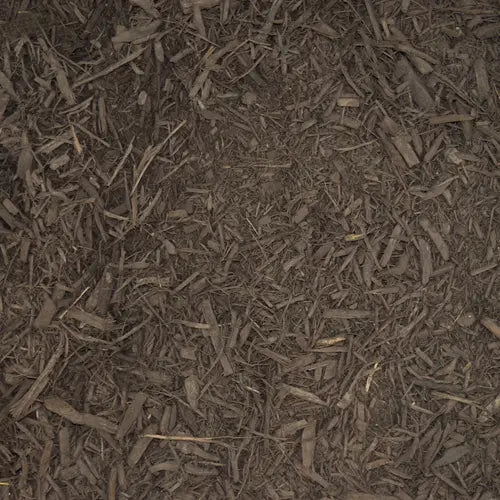
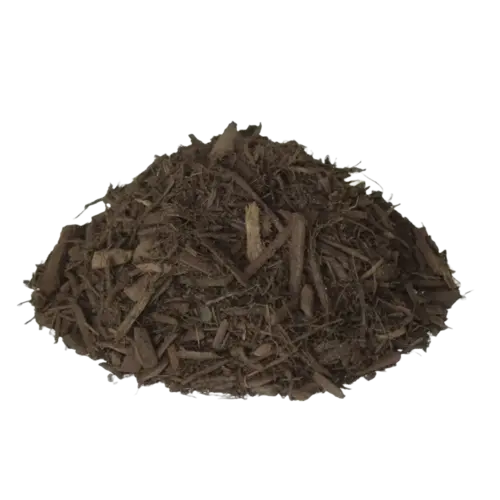
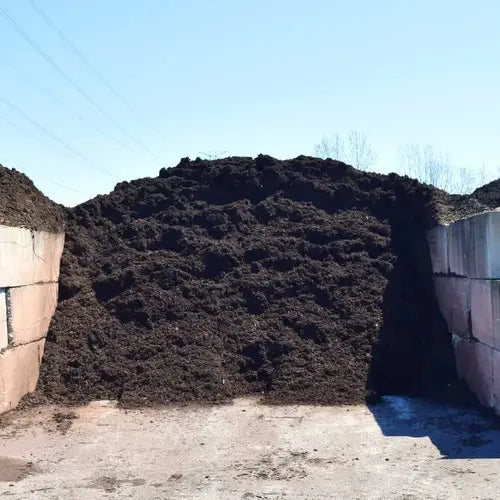
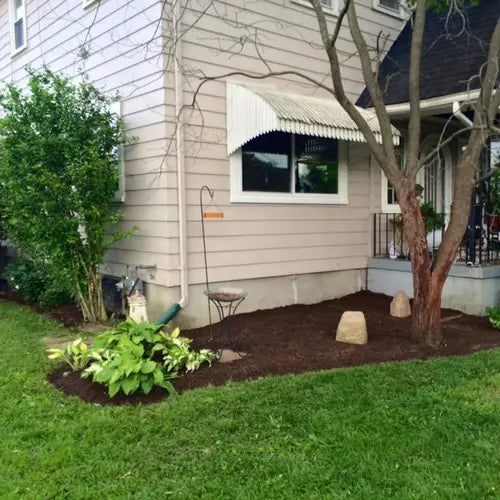
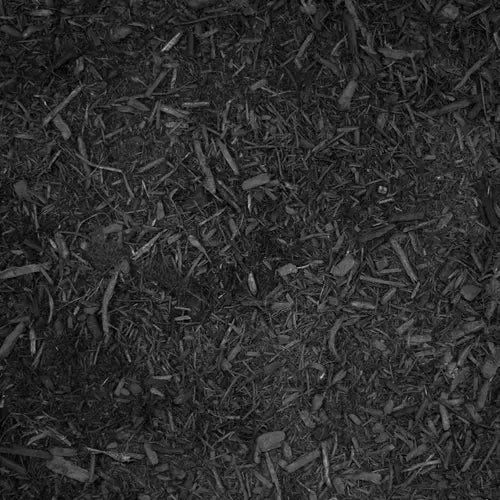
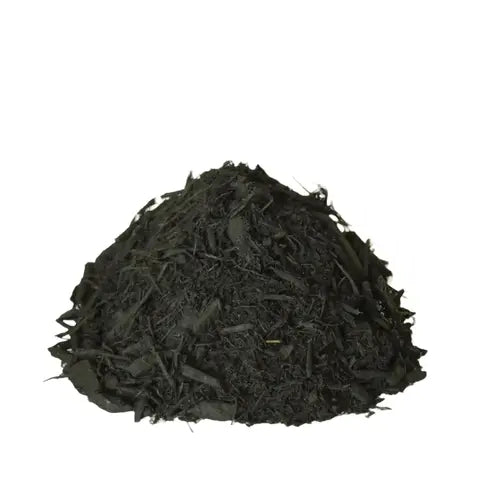
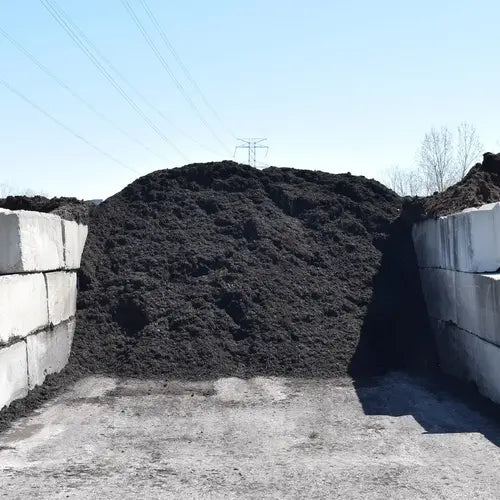
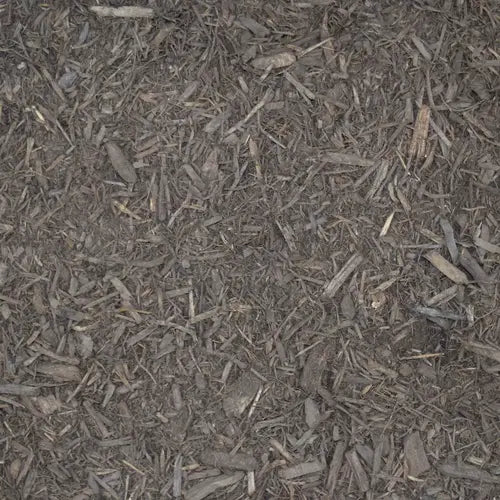
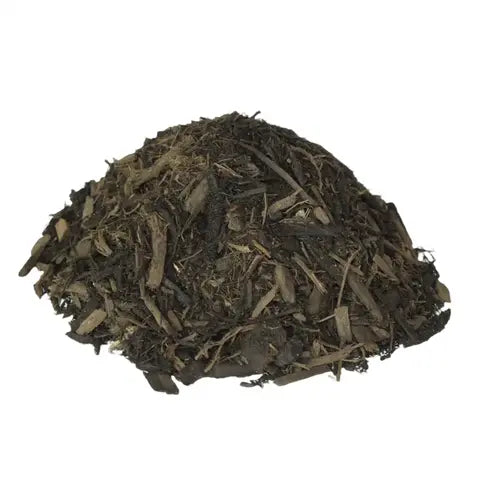
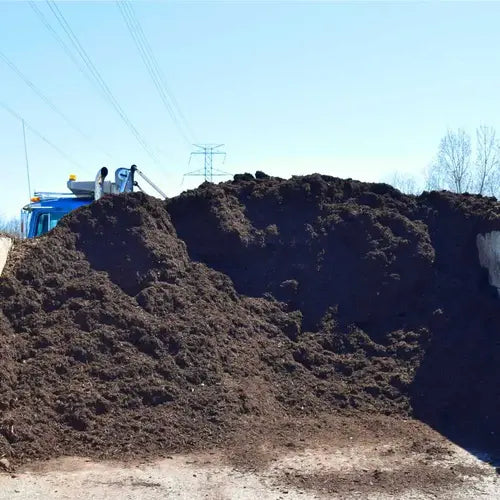
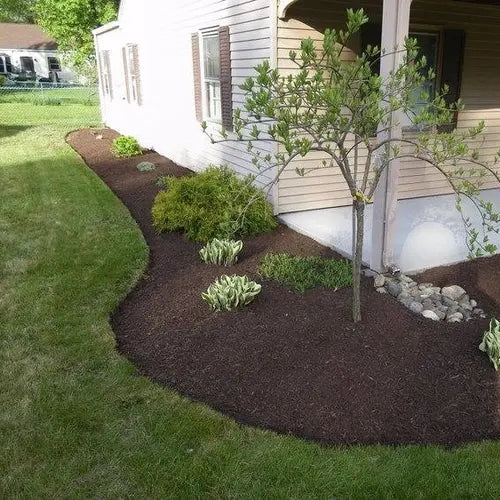
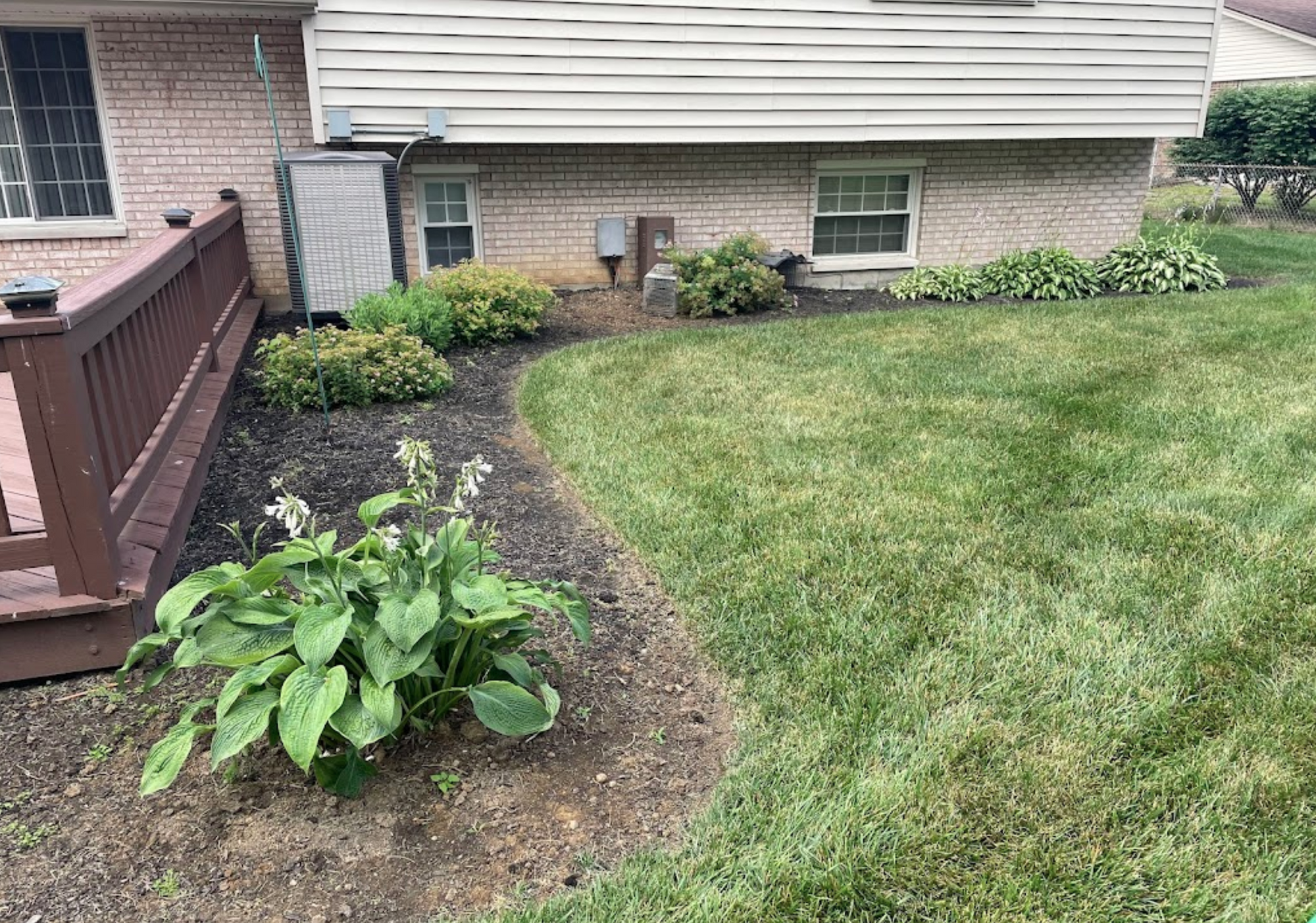
Warm brown double shredded mulch with lasting color that looks freshly applied for weeks. Spreads smooth, stays put, and gives beds a natural, polished appearance.
Good quality, great price, fast delivery. All online - no submitting forms and waiting for days for quotes. Getting mulch should be this easy from everyone. Only Mulch Mound is ACTUALLY this simple.
Tell us what you're looking for
Thanks! We received your request.
Something went wrong. Please try again.
How Much Material Do I Need?
In Daytona Beach's fast-draining sandy soil, three to four inches of mulch across all planting beds is the minimum needed for real moisture retention and weed suppression. A thinner layer evaporates too quickly under zone 9b's long, hot growing season to provide meaningful protection for plant roots.
Use our free mulch calculator
What is a yard?
A yard is approximately 27 cubic feet. As a general guideline, one yard of material can cover an area of about 100-160 square feet at a 2-3 inch depth.
We can't take orders for this right now. Tell us what you need and we'll get back to you.
What do you need?
Thanks! We received your request.
Something went wrong. Please try again.
Hand-picked local yards
4,000+ regional deliveries
Dedicated support
Why order through Mulch Mound
The best local mulch, without the guesswork.
We hand-pick and partner with the best yards in your region, keep only the ones our buyers rate well, and back each load with our guarantee.
Mulch Mound Guarantee
If your mulch isn't the quantity or quality you ordered, we'll make it right.
About this mulch
Warm brown double shredded mulch with lasting color that looks freshly applied for weeks. Spreads smooth, stays put, and gives beds a natural, polished appearance.
Good quality, great price, fast delivery. All online - no submitting forms and waiting for days for quotes. Getting mulch should be this easy from everyone. Only Mulch Mound is ACTUALLY this simple.
How Much Material Do I Need?
In Daytona Beach's fast-draining sandy soil, three to four inches of mulch across all planting beds is the minimum needed for real moisture retention and weed suppression. A thinner layer evaporates too quickly under zone 9b's long, hot growing season to provide meaningful protection for plant roots.
Use our free mulch calculator
What is a yard?
A yard is approximately 27 cubic feet. As a general guideline, one yard of material can cover an area of about 100-160 square feet at a 2-3 inch depth.
Good quality, great price, fast delivery. All online - no submitting forms and waiting for days for quotes. Getting mulch should be this easy fr...
Read full review
Good quality, great price, fast delivery. All online - no submitting forms and waiting for days for quotes. Getting mulch should be this easy from everyone. Only Mulch Mound is ACTUALLY this simple.
I highly recommend Mulch Mound. The quality of the mulch is very good. The ordering system on their website makes it very easy. The delivery driver...
Read full review
I highly recommend Mulch Mound. The quality of the mulch is very good. The ordering system on their website makes it very easy. The delivery driver did a great job placing the mulch on the driveway. To finish off, the pricing was very reasonable as well.
They offered a quick turnaround and delivered high quality mulch at a reasonable price. They also dropped it off exactly where I told them to put i...
Read full review
They offered a quick turnaround and delivered high quality mulch at a reasonable price. They also dropped it off exactly where I told them to put it. Good service!
To estimate mulch for your Daytona Beach beds, measure the length and width of each area in feet, multiply them together for square footage, and calculate volume based on your target depth. Because Daytona Beach's sandy soil loses moisture so quickly, plan for a full three to four inch depth rather than the two-inch minimum recommended in cooler or more moisture-retentive regions. Ordering a little extra up front saves you from a mid-summer top-dress when your beds start drying out between thunderstorms.
Mulch vs. No Mulch: The Difference
In Daytona Beach's humid subtropical climate, natural hardwood mulch breaks down faster than it would in cooler regions, which means it feeds organic matter into your sandy soil over time but needs refreshing more frequently than homeowners from other states might expect. Dyed mulches use a colorant to maintain their visual appearance longer and can be a smart choice for high-visibility beds along driveways or entryways where curb appeal matters year-round. Even quality dyed mulch faces real competition from Daytona Beach's intense sun and frequent summer rains, so the practical refresh cycle ends up being fairly similar between the two options.
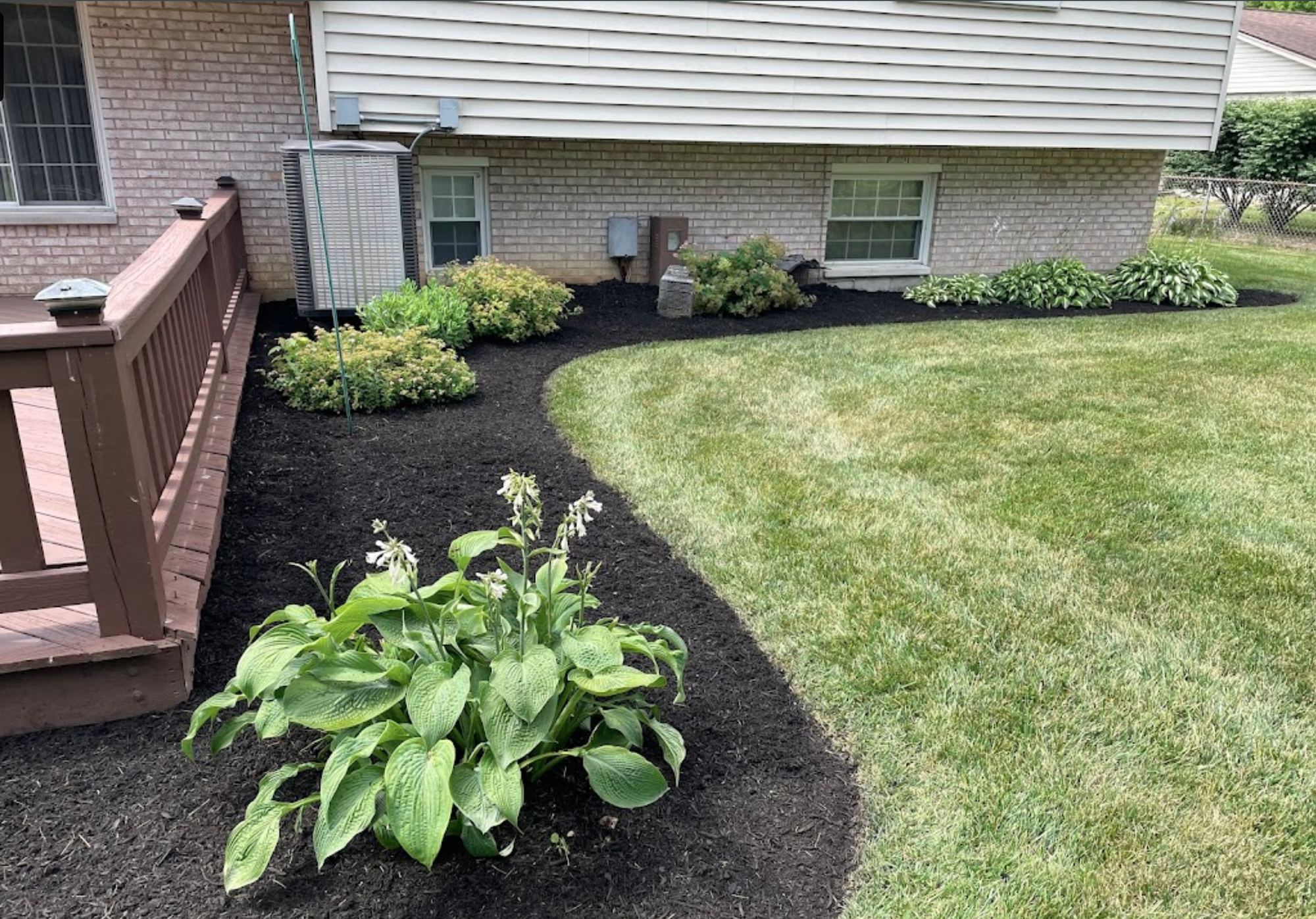
Before
After
Best Mulch Choice for Daytona Beach Lawns
Most yards in the Daytona Beach area sit on Sandy type of soil. Daytona Beach's sandy soil has almost no ability to hold water or nutrients on its own, which means plant beds left uncovered dry out within a day or two of rain and require intensive irrigation to keep roots healthy.
Hardwood Mulch
Hardwood mulch decomposes gradually and releases organic matter directly into the sandy soil beneath it, building up humus over time and slowly improving the soil's water-holding capacity in a way that Daytona Beach's native sand is completely incapable of doing on its own.
Mulch Types We Deliver in Daytona Beach
Mulch Mound offers bulk mulch delivery in Daytona Beach by the cubic yard, dropping material right to your property. Sandy coastal soil drains fast here, so a good layer of mulch keeps beds moist and free of weeds through the warm Florida growing season. Order the volume you need and we handle the rest.
Dyed Black Mulch
Bold and deep, double shredded dyed black mulch makes landscape beds pop against Florida's bright foliage and light sandy soil. The rich color holds well through coastal sun and summer rains, so beds stay looking sharp for months. A top choice for homeowners who want a clean, modern contrast in their yard.
Dyed Brown Mulch
Double shredded dyed brown mulch delivers a warm, polished look that blends naturally with the earthy tones of coastal Florida landscaping. The color stays looking fresh for weeks even after heavy summer downpours, and the fine texture spreads smoothly around palms, shrubs, and tropical plantings.
Natural Brown Mulch
For yards where a true organic look fits best, undyed double shredded natural brown mulch offers a warm, earthy tone straight from the wood itself. It is a solid pick for homeowners who prefer no added colorants, and it performs well in the loose sandy soils that drain quickly throughout this region.
Dyed Red Mulch
Vibrant double shredded dyed red mulch adds a bold seasonal accent to landscape beds and holds its color through the hot, sunny Florida summer. It stands out beautifully alongside green tropical plants and suits homeowners looking for a strong color statement in their front or back yard.
Complete Your Outdoor Mulch Project
If your beds need a nutrient boost before mulching, pair your order with our bulk garden soil to give Daytona Beach's sandy ground some structure and fertility before you lay the top layer. Adding stone edging or gravel borders alongside your beds also helps contain mulch during the heavy summer rains common along the Daytona Beach coast.
Daytona Beach's sandy soil is almost completely lacking in the clay particles that help other soils hold onto nutrients. When you choose a mulch, opt for a natural hardwood variety and allow it to fully decompose into the soil over time. Each season's breaking-down layer slowly adds organic matter that improves your sandy soil's nutrient-holding capacity, a benefit that synthetic fertilizers alone cannot replicate in a zone 9b coastal landscape where nutrients leach out with every rain.
Mulch Mound Pro Tip
Daytona Beach's coastal location means periodic salt air and salt spray can add stress to ornamental plants, particularly after windy weather events. Maintaining a healthy mulch layer around your beds helps moderate the soil moisture fluctuations that salt-stressed plants are especially vulnerable to. Consistent root-zone moisture gives plants better resilience against the additional stress that salt exposure places on foliage and root systems throughout the long growing season.
Mulch Mound Pro Tip
With 51 inches of annual rainfall falling mostly in concentrated summer storms, Daytona Beach landscapes experience sharp cycles of flooding and drought that are hard on plant roots. Mulch acts as a buffer in both directions, slowing water movement and reducing soil compaction during downpours, and dramatically cutting surface evaporation during the drier stretches of late fall and spring. This two-way protection is especially valuable in sandy soil, which has almost no natural ability to smooth out those moisture swings on its own.
Frequently Asked Questions
Click a question to see the answer
Answer
How often do I actually need to replace mulch in Daytona Beach given all the heat and humidity?
In Daytona Beach's humid subtropical climate, natural hardwood mulch breaks down faster than it would in cooler parts of the country, typically requiring a refresh every 12 to 18 months. The combination of zone 9b heat, frequent summer rain, and year-round warmth accelerates decomposition, which feeds your sandy soil over time but does reduce the layer's effectiveness at retaining moisture and suppressing weeds. A top-dress of two to three inches each season keeps your beds performing well through the full growing cycle.
Answer
Will my mulch wash away during those heavy summer thunderstorms we get here in Daytona Beach?
Intense summer thunderstorms are a real concern in Daytona Beach, especially in flat areas near the coast where water moves quickly across the surface. Keeping your mulch layer at three to four inches gives it enough mass to stay put through most rain events. If you have sloped beds or areas prone to fast runoff, shredded hardwood interlocks with itself better than large nuggets and resists displacement more effectively during downpours.
Answer
Does mulch even help in sandy soil, or does water just drain straight through it anyway?
Mulch does not fix sandy soil's drainage instantly, but it creates a buffer layer that meaningfully slows the rate at which water moves through the root zone. Over one to two seasons of decomposition, organic mulch adds humus to Daytona Beach's sandy soil and gradually improves its ability to hold both water and nutrients. The mulch layer itself also reduces surface evaporation significantly, which matters during the dry stretches between Daytona Beach's summer rain events when sandy beds can dry out in less than two days.
Answer
What mulch color holds up best under Daytona Beach's sun without fading out by midsummer?
Dyed black and brown mulches fade faster under Daytona Beach's strong sun, particularly during the long stretch of high UV intensity from April through September. Double-ground hardwood mulches with a quality colorant hold their color noticeably longer than cheaper single-ground alternatives. Natural hardwood mulch fades to a silver-gray over time but never looks patchy the way a poorly dyed product can, making it a lower-maintenance choice for homeowners who do not want to refresh mid-season.
Answer
Is it safe to mulch around my palms and tropical plants, or can it cause problems?
Mulching around palms and tropicals common in Daytona Beach yards is safe as long as you keep the material a few inches away from the trunk or base to prevent rot and fungal issues in the humid subtropical climate. A ring of mulch extending two to three feet out from the base retains moisture in the sandy soil around the root zone without creating the wet conditions right at the trunk that invite disease. This practice is especially valuable in Daytona Beach because the sandy soil around palm bases dries out quickly between rains.
Answer
Should I put down fresh mulch before or after the last frost in February?
With Daytona Beach's last frost typically landing around February 15, late February or early March is the ideal time to lay fresh mulch heading into the growing season. Applying it just as warm temperatures return means your plant beds go into the hot spring months with a full moisture-retaining layer already in place. You can also refresh mulch in the fall before the first frost, which typically does not arrive until around December 31, to protect shallow root systems during any brief cold snaps.
Answer
How thick does my mulch layer actually need to be to suppress weeds effectively in Florida?
In Daytona Beach's sandy soil, a three to four inch layer is the practical standard for meaningful weed suppression. Sandy soil allows light weed seeds to germinate easily, so you need enough depth to block sunlight and create a real physical barrier. Going beyond four inches in a zone 9b climate can trap too much moisture at the soil surface and encourage fungal growth, so the three to four inch range is the right balance for this area.
The Unique Landscape of Daytona Beach
Daytona Beach's sandy soil drains so quickly that plant beds can go bone dry within a day or two after even a heavy rain, leaving roots without the moisture they need to thrive. The area's long growing season, running from the last frost around February 15 all the way to the first frost near December 31, means plants are actively competing for water and nutrients for most of the calendar year. Daytona Beach receives about 51 inches of rainfall annually, but much of it arrives in intense summer thunderstorms that run off sandy ground before it ever soaks into the root zone. A consistent mulch layer slows that runoff, reduces surface evaporation, and gradually builds up the organic matter that Daytona Beach's native sand completely lacks. For zone 9b landscapes where the sun is intense and the soil holds almost nothing, mulch is not decorative, it is a practical foundation for keeping any planting bed productive.