


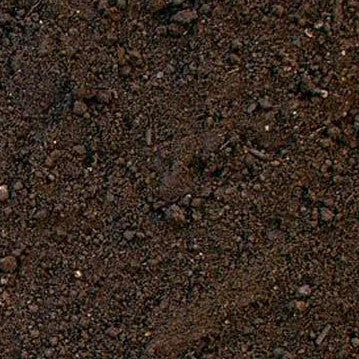
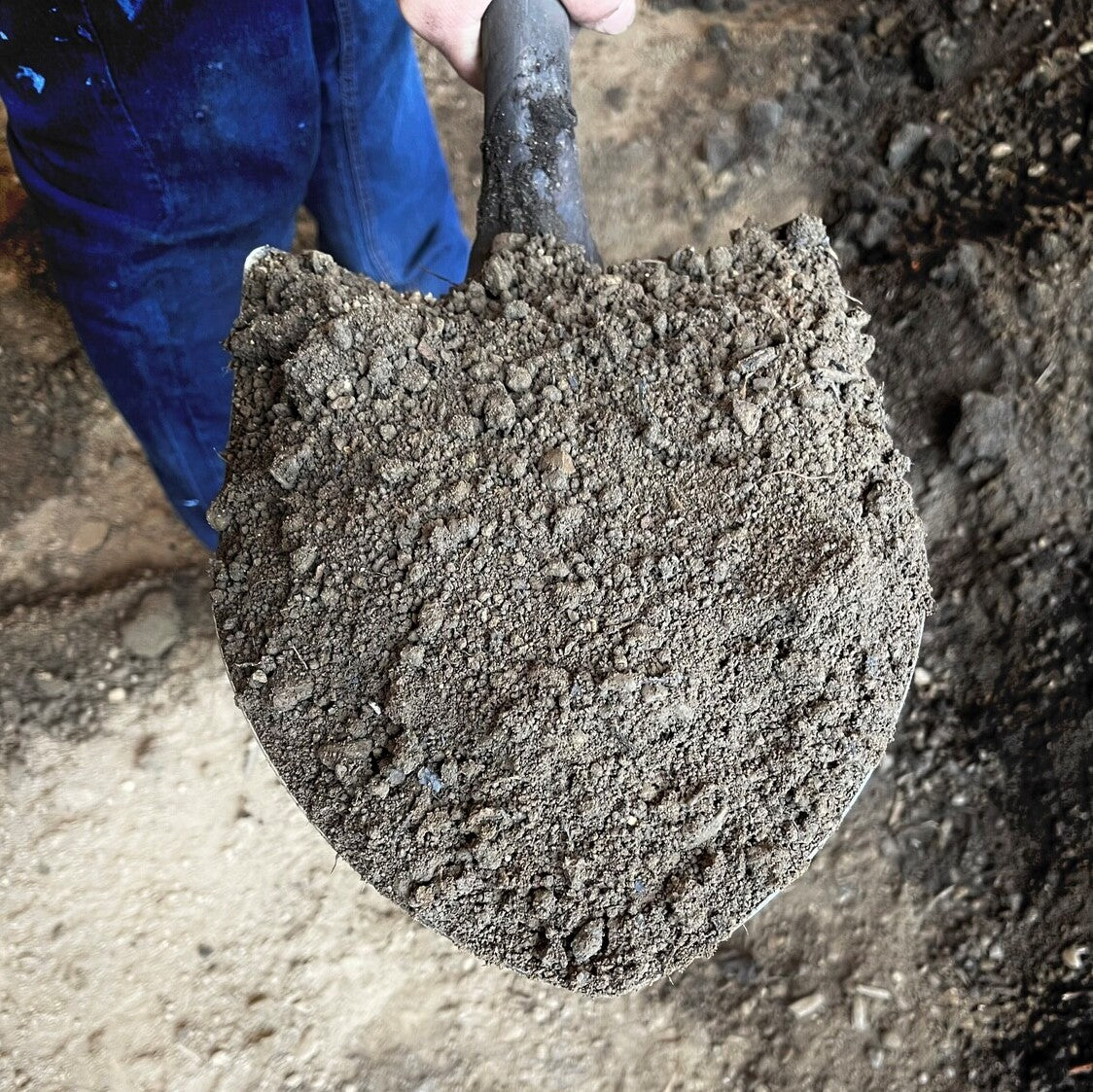


Good quality top soil and was delivered exactly where I wanted it. Nice Job!
About this soil
Quality topsoil for lawns, gardens, and landscape projects. Nutrient rich and ready to support strong root development and healthy plant establishment.
Good quality top soil and was delivered exactly where I wanted it. Nice Job!
Tell us what you're looking for
Thanks! We received your request.
Something went wrong. Please try again.
How Much Material Do I Need?
How Much Material Do I Need?
For garden beds in Daytona Beach, plan for at least eight to twelve inches of quality amended soil to get above the nutrient-poor sandy layer and give roots a genuinely productive growing environment. For lawn leveling, a two to four inch topdressing is usually sufficient to smooth out the shallow depressions that are common in sandy coastal yards.
Use our free soil calculator
What is a yard?
What is a yard?
FAQs
FAQs
Daytona Beach Soil Delivery
Daytona Beach Soil Delivery
Regular price
$64.00
per
yard
Regular price
Sale price
$64.00
Unit price
per
Shipping calculated at checkout.
Minimum of 3 yard
Couldn't load pickup availability
Not currently available
We can't take orders for this right now. Tell us what you need and we'll get back to you.
Hand-picked local yards
4,000+ regional deliveries
Dedicated support
Why order through Mulch Mound
The best local soil, without the guesswork.
We hand-pick and partner with the best yards in your region, keep only the ones our buyers rate well, and back each load with our guarantee.
Mulch Mound Guarantee
If your soil isn't the quantity or quality you ordered, we'll make it right.
About this soil
Quality topsoil for lawns, gardens, and landscape projects. Nutrient rich and ready to support strong root development and healthy plant establishment.
Good quality top soil and was delivered exactly where I wanted it. Nice Job!
How Much Material Do I Need?
How Much Material Do I Need?
For garden beds in Daytona Beach, plan for at least eight to twelve inches of quality amended soil to get above the nutrient-poor sandy layer and give roots a genuinely productive growing environment. For lawn leveling, a two to four inch topdressing is usually sufficient to smooth out the shallow depressions that are common in sandy coastal yards.
Use our free soil calculator
What is a yard?
What is a yard?
FAQs
FAQs
Tell us what you're looking for
Thanks! We received your request.
Something went wrong. Please try again.
How It Works
Getting started is easy — just follow these simple steps
1
Choose your soil
Make sure you adjust the quantity to your home's needs. You can use our calculator to estimate how much you'll need.
2
Select your delivery date
Select a delivery date you'd like for the product to be dropped off at your home
3
Sit back and wait
Sit back, wait, and let us work our magic to make sure the highest quality product is delivered to your driveway.

Online ordering was really simple and I liked the transparent pricing.

Easy to order, great service, and great product. We enjoy the final look of a very neglected beds we inherited!
Need Help Calculating How Much Soil You Need?
Use our NEW Trace from Satellite tool to get an estimate for your project based on an aerial view of your property
Try Our CalculatorWhen estimating soil for Daytona Beach projects, measure your bed dimensions carefully and calculate cubic footage based on the depth you are targeting before placing your order. Because Daytona Beach's sandy base compacts and shifts over time, ordering about 10 to 15 percent more than your calculated volume accounts for the settling that happens after the first few rain cycles. For lawn leveling projects, map out all low spots across the yard before ordering so you arrive at an accurate total and avoid the cost of a second delivery.
Soil Types We Deliver in Daytona Beach
Daytona Beach yards often sit on sandy, low-nutrient ground that needs real soil structure before grass, gardens, or new plantings can thrive. Mulch Mound makes it easy to order bulk topsoil by the yard in Daytona Beach, delivered straight to your driveway or job site. Whether you are leveling a lawn, building raised beds, or prepping a fresh landscape, we bring the volume you need without the hardware-store hassle.
Screened Top Soil
Our screened top soil arrives free of rocks, roots, and clumps, making it easy to spread across Florida lawns that sit on coarse, sandy base soil. It is nutrient rich and ready to support strong root development, making it a solid choice for home gardens, sod installation, and general grading work in the warm, humid Daytona Beach climate.
Complete Your Outdoor Soil Project
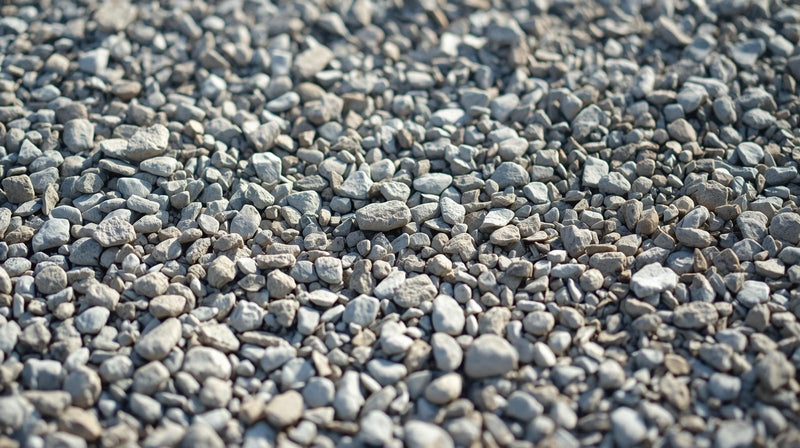
Top your freshly built beds with a layer of our bulk mulch to lock in moisture and protect Daytona Beach's intense sun from baking your new soil into a crust between rain events. Stone borders or gravel paths alongside your beds also define the planting space cleanly and reduce the chance of sandy runoff mixing back into your quality garden mix after a heavy summer storm.

Service area
Areas we deliver soil in Daytona Beach, Florida
Mulch Mound Pro Tip
Daytona Beach's zone 9b growing season runs nearly year-round, from mid-February through late December, which means your soil is expected to support active plant growth for an unusually long stretch without a real winter reset. Amending beds with quality soil in both late winter and early fall helps replenish nutrients that get consumed and leached out through the heavy summer rain season. Think of soil improvement as a twice-yearly maintenance habit rather than a one-time fix, given how persistently Daytona Beach's sandy base dilutes the amendments you work in.
Mulch Mound Pro Tip
When building raised beds in Daytona Beach, the flat coastal terrain can lead to drainage problems if beds are not shaped with some attention to water movement. Building a slight grade into raised beds helps excess water from summer downpours drain away from roots rather than pooling at the base of the growing mix. Even a gentle slope of an inch or two across a standard four-foot-wide bed makes a meaningful difference in preventing the root rot conditions that Florida's humidity can accelerate.
Mulch Mound Pro Tip
Daytona Beach's intense summer sun can bake the surface of freshly placed topsoil into a crust that repels water rather than absorbing it, working against the moisture retention you were trying to create. As soon as you finish spreading new soil, cover it with mulch or plant into it to shade the surface and keep it biologically active. Bare soil in a zone 9b climate loses moisture through surface evaporation at a rapid rate, and the hardened crust that forms reduces infiltration of future rainfall, undermining the value of the quality material you invested in.
The Unique Landscape of Daytona Beach
Daytona Beach sits on a foundation of sandy coastal soil that offers almost no natural nutrient content and drains water so aggressively that garden plots and raised beds need serious amendment before they can support vegetables, flowers, or healthy turf. The area's flat terrain at roughly 20 feet of elevation means that while severe flooding is not always a concern, low spots in yards collect water after the area's heavy summer storms even as surrounding sandy ground dries out quickly. Zone 9b's long growing season stretching from mid-February through late December places sustained demands on garden beds, requiring soil that can hold nutrients and moisture through months of intense heat and rainfall. Building up quality soil is not a one-time project in Daytona Beach because the sandy base continuously dilutes amendments over time, meaning fresh topsoil and garden mix deliveries are a recurring part of maintaining productive landscape beds. Bulk soil delivery makes it practical to establish raised planting areas, level uneven lawn sections, or build entirely new garden beds that can actually perform through the full Florida growing cycle.