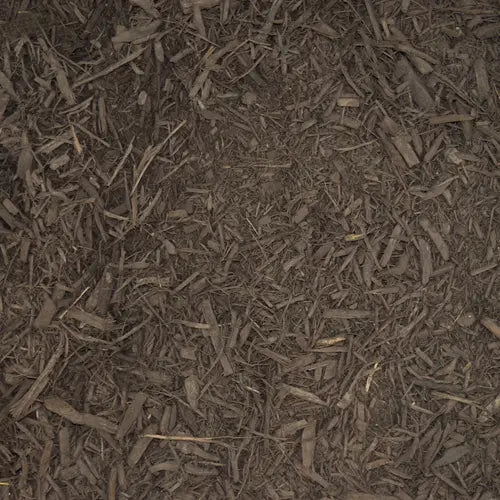
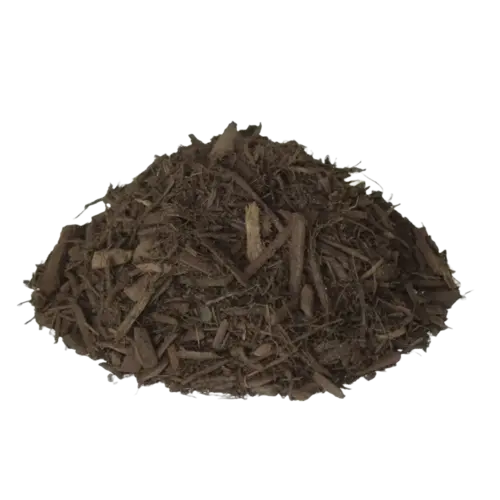
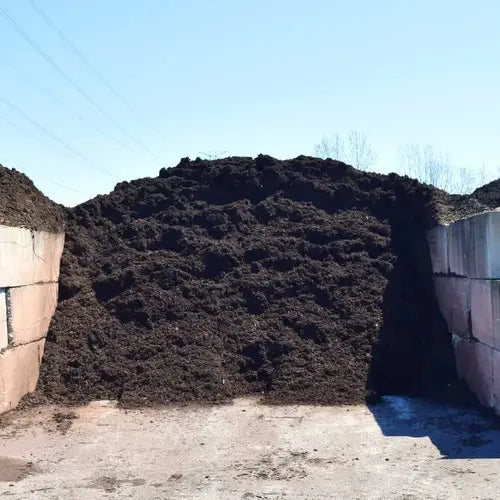
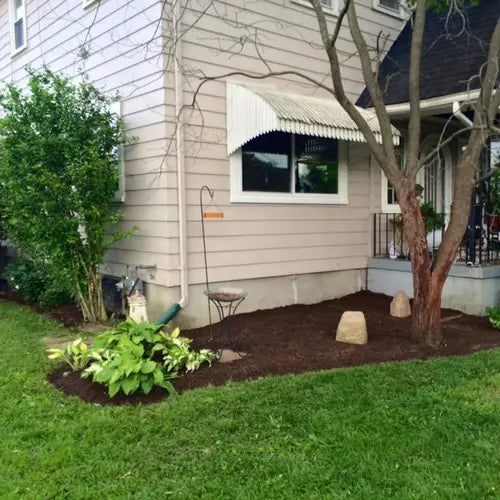
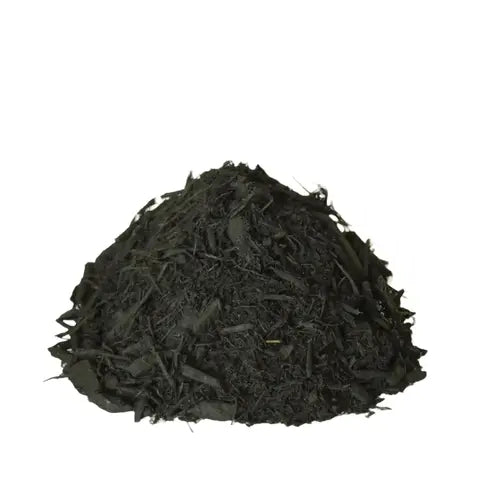
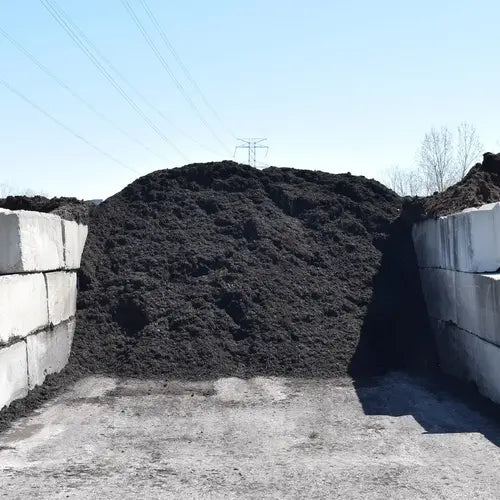
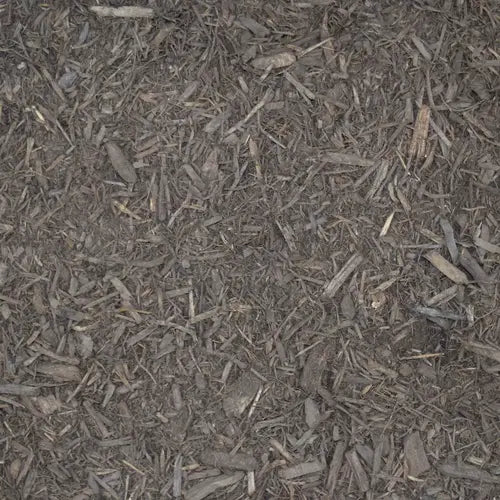
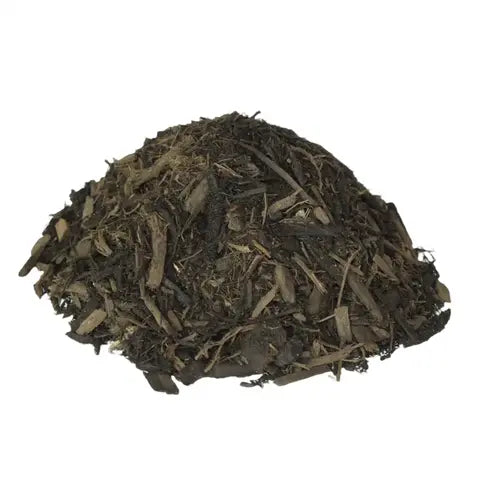
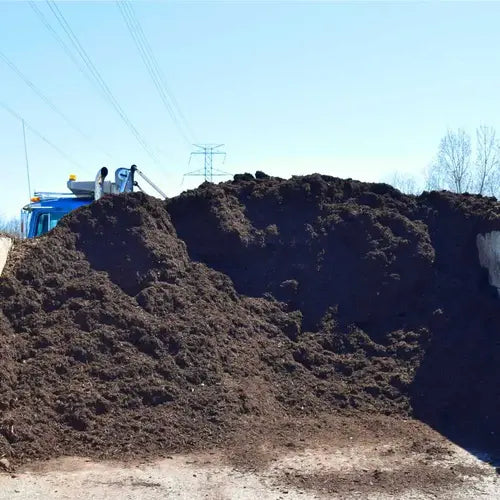
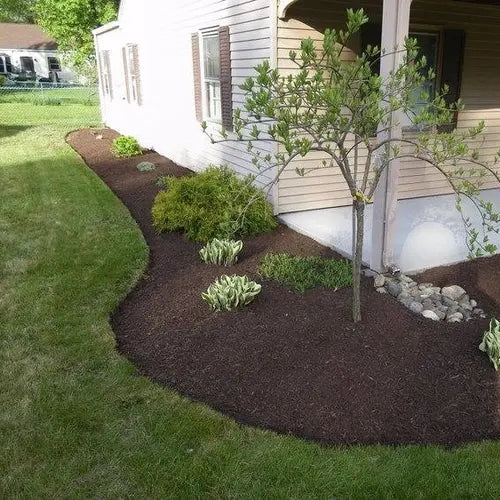
Warm brown double shredded mulch with lasting color that looks freshly applied for weeks. Spreads smooth, stays put, and gives beds a natural, polished appearance.
Delivery was on time and great quality Mulch. Got it done in a reasonable time and yard looks great. Couldn’t be happier!!! Thank you and will use again!!
Tell us what you're looking for
Thanks! We received your request.
Something went wrong. Please try again.
How Much Material Do I Need?
In Decatur's silt loam landscape conditions, 3 inches of mulch is the recommended depth for garden beds and tree rings. Sloped areas and spots prone to runoff from Decatur's heavy spring storms may benefit from a 4-inch application to prevent material from displacing downhill.
Use our free mulch calculator
What is a yard?
A yard is approximately 27 cubic feet. As a general guideline, one yard of material can cover an area of about 100-160 square feet at a 2-3 inch depth.
We can't take orders for this right now. Tell us what you need and we'll get back to you.
What do you need?
Thanks! We received your request.
Something went wrong. Please try again.
Hand-picked local yards
4,000+ regional deliveries
Dedicated support
Why order through Mulch Mound
The best local mulch, without the guesswork.
We hand-pick and partner with the best yards in your region, keep only the ones our buyers rate well, and back each load with our guarantee.
Mulch Mound Guarantee
If your mulch isn't the quantity or quality you ordered, we'll make it right.
About this mulch
Warm brown double shredded mulch with lasting color that looks freshly applied for weeks. Spreads smooth, stays put, and gives beds a natural, polished appearance.
Delivery was on time and great quality Mulch. Got it done in a reasonable time and yard looks great. Couldn’t be happier!!! Thank you and will use again!!
How Much Material Do I Need?
In Decatur's silt loam landscape conditions, 3 inches of mulch is the recommended depth for garden beds and tree rings. Sloped areas and spots prone to runoff from Decatur's heavy spring storms may benefit from a 4-inch application to prevent material from displacing downhill.
Use our free mulch calculator
What is a yard?
A yard is approximately 27 cubic feet. As a general guideline, one yard of material can cover an area of about 100-160 square feet at a 2-3 inch depth.
Delivery was on time and great quality Mulch. Got it done in a reasonable time and yard looks great. Couldn’t be happier!!! Thank you and will us...
Read full review
Delivery was on time and great quality Mulch. Got it done in a reasonable time and yard looks great. Couldn’t be happier!!! Thank you and will use again!!
Mulch Mound delivered a yard of pea gravel to us. Delivery was on time, driver was friendly and hit a bullseye on the “tarp target”. We used the ...
Read full review
Mulch Mound delivered a yard of pea gravel to us. Delivery was on time, driver was friendly and hit a bullseye on the “tarp target”. We used the pea gravel (which was diameter as specified) to fill several muskrat holes around our pond. I would definitely recommend Mulch Mound to a friend!
I can’t say enough good things about Mulch Mound! If you read my review below you will see I had a problem with my order. Mulch Mou...
Read full review
UPDATE!
I can’t say enough good things about Mulch Mound! If you read my review below you will see I had a problem with my order. Mulch Mound was quick to respond and solved the issue with my delivery. Will definitely be a customer next year.
First time purchase from Mulch Mound!! First what I liked! Easy to order online and straight forward pricing and delivery. The driver was on time and courteous and delivered my Mulch exactly where I requested! The product is of good quality and comparable to others I have purchased from before. Now what I DID’NT LIKE! I have been mulching the same house and yard for almost 20 years. I always order the same amount and don’t have any issues with covering the same area but this year I fell about a yard short. I was home when the mulch was delivered and when the driver dumped it I noticed that it seemed a bit less than I was used to. I didn’t apply it any thicker than usual and probably a bit thinner than usual because I was worried about running out.
Measure each bed's length and width in feet and multiply them to get square footage, then divide by 108 to find cubic yards needed at a 3-inch depth. For Decatur's silt loam conditions, 3 inches is the standard starting point for weed suppression and moisture retention. Add about 10 percent to your total to account for settling that occurs after Decatur's spring rains compress the fresh mulch layer.
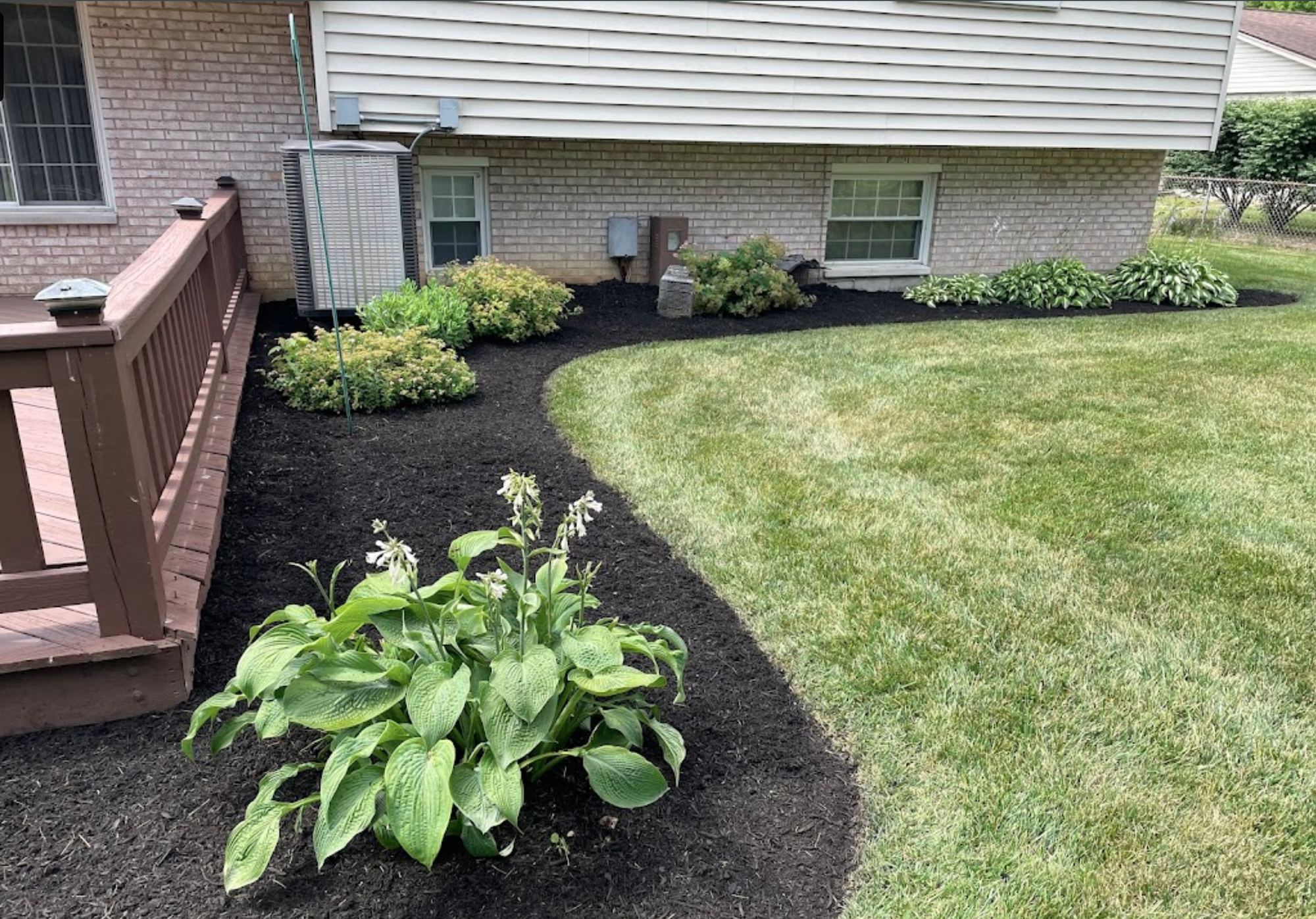
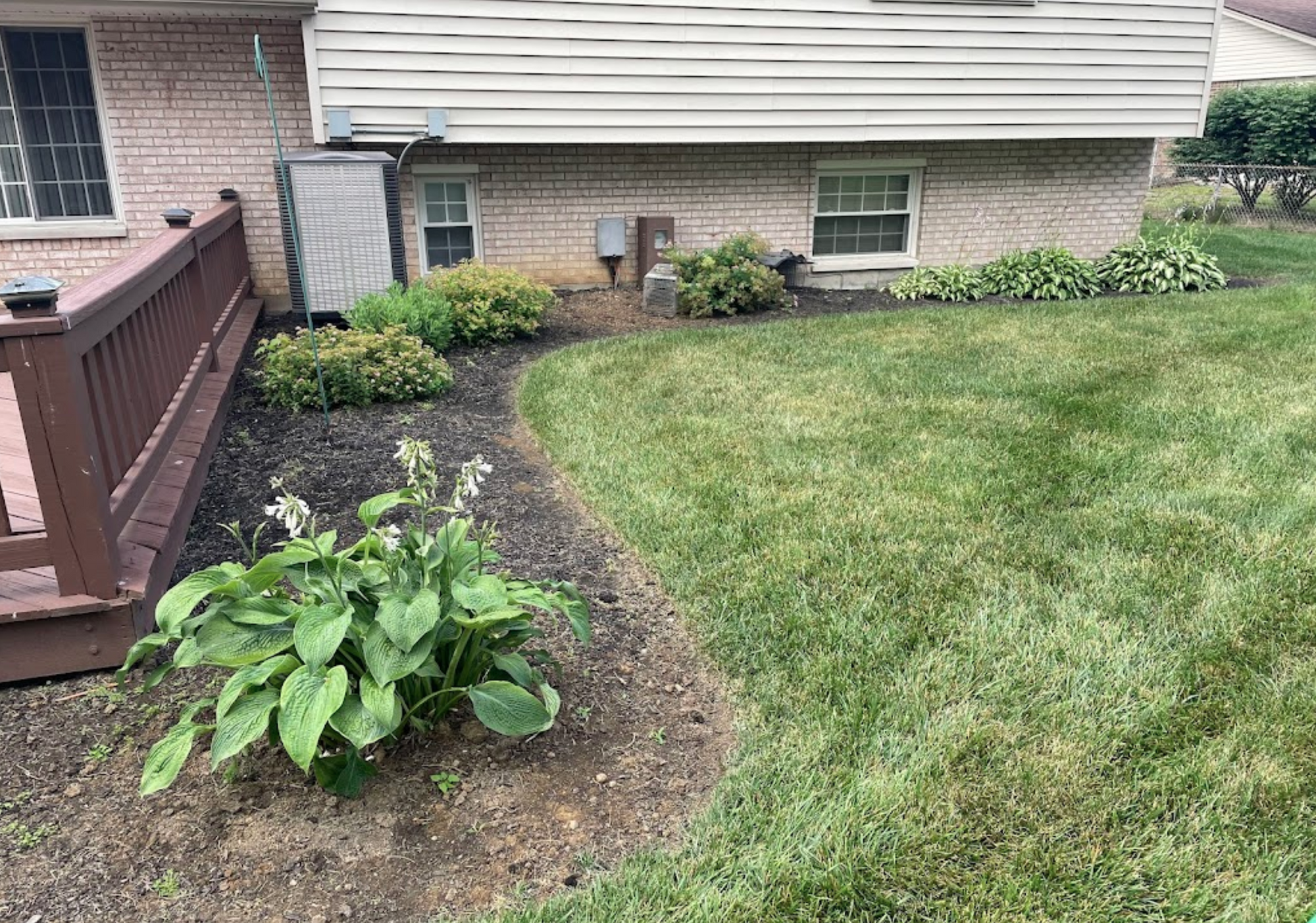
Mulch vs. No Mulch: The Difference
Decatur's combination of warm humid summers and 40 inches of annual rainfall accelerates the breakdown of all organic mulches, but natural hardwood and dyed mulches respond to those conditions differently in ways that matter for bed appearance. Natural mulch fades to a silver-gray relatively quickly under Decatur's intense summer UV and frequent rain events, while dyed mulches hold their color through more of the growing season before fading. For most Decatur homeowners, the choice comes down to whether long-term soil building or multi-season color retention is the higher priority for a given bed.
Before
After
Best Mulch Choice for Decatur Lawns
Most yards in the Decatur area sit on Silt Loam type of soil. Decatur's silt loam soil seals at the surface after heavy rains, which causes plant beds to swing between waterlogged and drought-stressed conditions within the same week during our active spring storm season. A quality mulch layer on top of silt loam breaks the impact of falling rain and promotes more consistent moisture levels in the root zone below.
Hardwood Mulch
Hardwood mulch is particularly well matched to Decatur's silt loam because as it decomposes it contributes organic matter that gradually loosens the soil's naturally tight particle structure. After two to three seasons of consistent hardwood mulching, most Decatur gardeners notice measurably better drainage and significantly less surface crusting between rain events.
Mulch Types We Deliver in Decatur
When you need bulk mulch delivery in Decatur, Mulch Mound brings fresh material straight to your driveway by the cubic yard. Central Illinois summers run hot and dry, so quality mulch helps retain moisture and keep roots protected through the season. Whether you are refreshing a single bed or landscaping an entire yard, we make it simple to order and deliver.
Dyed Black Mulch
Dyed Black Mulch makes a striking statement in Decatur landscapes, bringing bold color to flower beds and green lawns throughout the season. Available in double shredded style, it spreads smoothly over Central Illinois clay soils and holds its deep black tone through summer rain and intense heat.
Dyed Brown Mulch
Dyed Brown Mulch is a natural fit for the brick homes and traditional landscaping styles found throughout Decatur. The warm brown tone keeps beds looking freshly maintained for weeks even under the region's summer heat. It arrives double shredded for easy spreading and stays in place through Central Illinois wind and rain.
Natural Brown Mulch
Natural Brown Mulch suits homeowners who prefer an undyed, organic look that blends into the Illinois landscape. The double shredded wood carries a warm earthy tone from the material itself, making it a trusted choice for vegetable gardens and tree rings where a clean, natural appearance matters.
Complete Your Outdoor Mulch Project
If you are building or refreshing planting beds, pairing mulch with a bulk soil order lets you amend the compaction-prone silt loam beneath before mulching for best results. Decorative stone from our stone inventory works beautifully along bed edges to contain mulch and create a clean border that holds up through Decatur's wet spring season.
Decatur's late frosts through early May mean the soil stays cold longer than many gardeners expect. Before spreading mulch in spring, let the ground warm for at least a week after the May 4 last frost date. Mulching over cold soil seals that chill in and slows root development for weeks. Once the top few inches of soil feel consistently warm to the touch, lay your mulch and let it work through the growing season.
Mulch Mound Pro Tip
Silt loam in Decatur tends to form a hard surface crust after rain, which restricts oxygen from reaching plant roots. When installing mulch, keep it pulled back about 2 inches from the base of all shrubs and tree trunks. That gap prevents crown rot during our humid Illinois summers and ensures that rainfall soaks directly into the root zone rather than sheeting off a dense mulch mat piled against the stem.
Mulch Mound Pro Tip
Decatur's 40 inches of annual rainfall makes mulch displacement on sloped beds a recurring frustration for homeowners. When mulching any inclined area, apply at a slightly heavier 4-inch depth and shape the material into a gentle mound at the top of the slope. This extra depth compensates for the material that migrates downhill after hard rains and keeps coverage consistent through the season without constant spot repairs.
Frequently Asked Questions
Click a question to see the answer
Answer
How thick should I apply mulch in Decatur given all the spring rain runoff?
Three inches is the right target for most Decatur landscape beds. The silt loam soil under your beds seals at the surface quickly after heavy rain, and a 3-inch mulch layer absorbs the initial drop impact and gives water a chance to infiltrate rather than sheet across the bed. Going thicker than 4 inches risks holding excess moisture against plant crowns, which promotes rot during Decatur's warm and humid summers.
Answer
Should I put mulch down before or after Decatur's last frost on May 4?
We recommend a light protective layer in late April to shield roots from any late cold snaps, then topping off fully after May 4 once the frost threat has passed. Laying a thick layer too early traps cold soil temperatures beneath it and delays plant emergence. Waiting until after the last frost lets the soil warm naturally for a week or two, then mulch locks that warmth in through the rest of the growing season.
Answer
Will mulch break down too fast with all the rain Decatur gets?
With 40 inches of annual rainfall and warm humid summers, organic mulches do decompose faster here than in drier regions. Hardwood mulch typically lasts one to two seasons in Decatur before needing a refresh. That decomposition is actually a long-term benefit because the organic matter feeds the silt loam beneath and gradually improves its structure. Plan on adding a fresh inch or so each spring to keep coverage consistent.
Answer
Is colored dyed mulch safe to use in my vegetable garden beds?
For vegetable and edible beds, natural undyed hardwood mulch is the safer and more productive choice. Many Decatur gardeners prefer keeping any additives out of beds where food crops are growing. Natural hardwood mulch also decomposes into organic matter that directly feeds the silt loam beneath your vegetable beds, improving both soil structure and fertility over time.
Answer
How do I figure out how many cubic yards of mulch I need for my Decatur backyard?
Measure each bed's length and width in feet, multiply those together, then divide by 108 to get cubic yards at a 3-inch depth. A typical Decatur backyard bed that runs 20 feet by 6 feet needs about 3.3 cubic yards at that depth. Our online calculator on this page handles the math automatically once you enter your measurements.
Answer
Does mulch actually help with the compaction I always see in my Decatur silt loam beds?
Mulch helps in two important ways. First, it prevents raindrop impact from further packing down the soil surface, which is a primary cause of compaction in Decatur's frequent spring rains. Second, as organic mulch breaks down it adds humus that loosens silt loam's naturally tight particle structure over time. For severe compaction, aerating the bed before laying fresh mulch gives the fastest results.
Answer
When should I remove old mulch versus just topping it off each year?
In most Decatur beds, topping off is perfectly fine as long as the existing layer has broken down to less than an inch or two of remaining material. If old mulch has formed dense mats that repel water rather than absorbing it, rake those out before adding fresh product. This matting problem is most common in shaded north-facing beds in Decatur where decomposition is slower during the cooler fall and winter months.
The Unique Landscape of Decatur
Decatur's native silt loam soil is prone to surface crusting and compaction, especially after the heavy spring rains that make up much of the region's 40 inches of annual rainfall. That rainfall sounds generous, but it often arrives in intense bursts that run off compacted beds before soaking in, leaving plant roots alternating between waterlogged and drought-stressed conditions within the same week. A consistent mulch layer buffers that rainfall impact, slows runoff, and allows moisture to penetrate down to root zones where plants actually need it. With Decatur's last frost stretching to May 4, mulch also moderates the wild soil temperature swings that occur during unpredictable April and early May weather when warm days and freezing nights follow each other closely. By October 11 when the first frost arrives, that same mulch layer extends the effective growing season by keeping root zones warmer longer than bare soil would. Thoughtful mulching is one of the highest-return maintenance habits a Decatur homeowner can develop.