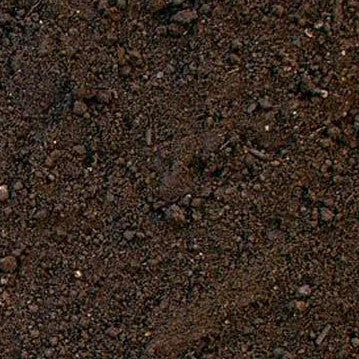
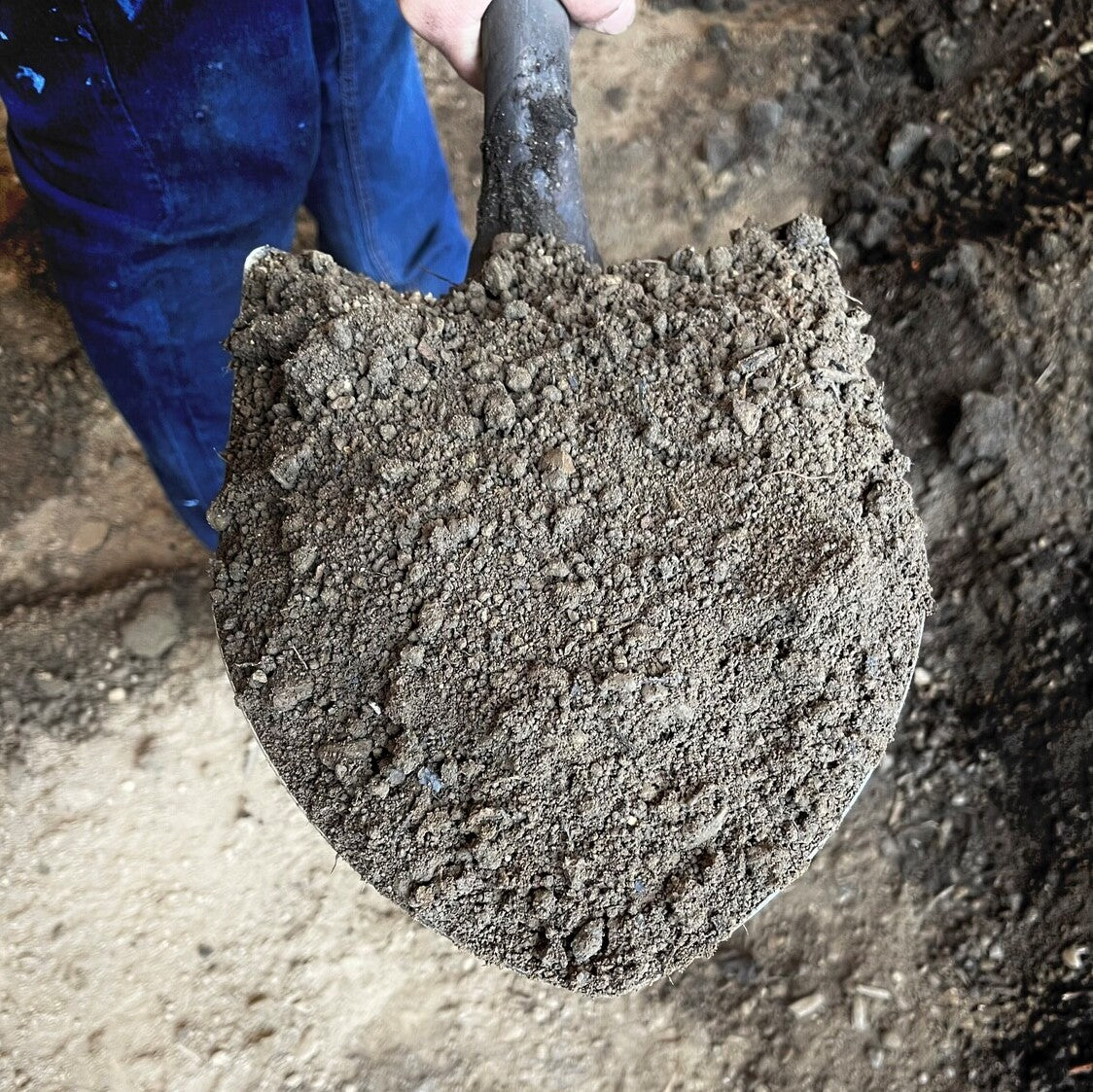
Quality topsoil for lawns, gardens, and landscape projects. Nutrient rich and ready to support strong root development and healthy plant establishment.
The website was intuitive and easy to navigate. The material was delivered the date and time it was scheduled, it was dropped off in the area i had specified on top of my tarp with no issues.
I ordered soil, the Gardening Blend that I received had too many plastic and m...
Tell us what you're looking for
Thanks! We received your request.
Something went wrong. Please try again.
How Much Material Do I Need?
For lawn topdressing in Decatur, plan on 0.5 to 1 inch of fresh soil spread across low areas. For new garden or vegetable beds built over Decatur's native silt loam, a minimum depth of 8 to 12 inches of quality topsoil gives plant roots the loose, nutrient-rich environment they need to establish before summer heat arrives.
Use our free soil calculator
What is a yard?
A yard is approximately 27 cubic feet. As a general guideline, one yard of material can cover an area of about 100-160 square feet at a 2-3 inch depth.
We can't take orders for this right now. Tell us what you need and we'll get back to you.
What do you need?
Thanks! We received your request.
Something went wrong. Please try again.
Hand-picked local yards
4,000+ regional deliveries
Dedicated support
Why order through Mulch Mound
The best local soil, without the guesswork.
We hand-pick and partner with the best yards in your region, keep only the ones our buyers rate well, and back each load with our guarantee.
Mulch Mound Guarantee
If your soil isn't the quantity or quality you ordered, we'll make it right.
About this soil
Quality topsoil for lawns, gardens, and landscape projects. Nutrient rich and ready to support strong root development and healthy plant establishment.
The website was intuitive and easy to navigate. The material was delivered the date and time it was scheduled, it was dropped off in the area i had specified on top of my tarp with no issues.
I ordered soil, the Gardening Blend that I received had too many plastic and m...
How Much Material Do I Need?
For lawn topdressing in Decatur, plan on 0.5 to 1 inch of fresh soil spread across low areas. For new garden or vegetable beds built over Decatur's native silt loam, a minimum depth of 8 to 12 inches of quality topsoil gives plant roots the loose, nutrient-rich environment they need to establish before summer heat arrives.
Use our free soil calculator
What is a yard?
A yard is approximately 27 cubic feet. As a general guideline, one yard of material can cover an area of about 100-160 square feet at a 2-3 inch depth.
The website was intuitive and easy to navigate. The material was delivered the date and time it was scheduled, it was dropped off in the area i had...
Read full review
The website was intuitive and easy to navigate. The material was delivered the date and time it was scheduled, it was dropped off in the area i had specified on top of my tarp with no issues.
I ordered soil, the Gardening Blend that I received had too many plastic and metal pieces for my liking thus lowering the score from a perfect 5/5 to a 4/5
Really appreciate the care and follow thru that this company had with our order. A hiccup came up but they were quick to respond and address all co...
Read full review
Really appreciate the care and follow thru that this company had with our order. A hiccup came up but they were quick to respond and address all concerns, which made our garden day a success! Thank you for your prompt care.
Measure your project area's length, width, and target depth all in feet, multiply the three numbers together, then divide by 27 to get cubic yards. Decatur landscape projects typically need a minimum of 6 to 8 inches of fresh soil over compacted native silt loam to give roots a workable growing zone above the native layer. Add 15 percent to your calculated total to account for settling after the first few rain events compact the fresh material.
Soil Types We Deliver in Decatur
Decatur homeowners and landscapers rely on us for bulk topsoil by the yard in Decatur, delivered straight to your driveway or job site. Central Illinois yards often feature heavy clay that drains poorly and compacts easily, making a quality soil amendment essential for healthy lawns and gardens. We deliver by the cubic yard so you get exactly what your project needs, nothing more and nothing less.
Screened Top Soil
Our screened topsoil is sifted to remove rocks, clumps, and debris, leaving a fine, workable texture that spreads evenly over new lawns, raised beds, and garden areas. It is nutrient rich and blends well with the heavier native soils common across central Illinois, encouraging strong root development and healthy, lasting plant establishment.
Complete Your Outdoor Soil Project
Pair your bulk soil order with mulch to protect freshly graded beds from Decatur's spring rain impact and lock soil moisture through the dry mid-summer stretch. Decorative stone borders help contain new soil in raised or sloped beds and add a clean finished edge that holds up through the freeze-thaw cycles of Decatur's Zone 6a winters.
Why would I need to bring in soil when Decatur already has silt loam in the ground?
Decatur's native silt loam is a workable starting point, but it is often compacted from years of mowing, foot traffic, and rainfall impact. It also tends to drain poorly in low spots because the fine silt particles pack tightly together and restrict water movement. Bulk topsoil lets you build up grades, create well-structured planting beds, and give new plants a loose nutrient-rich root zone that the native layer cannot provide without extensive and time-consuming amendment.
Answer
What is the best time of year to order and spread soil in Decatur?
The two best windows are early May after the last frost on May 4 and late September before the first frost on October 11. Spring orders let you build and prep beds for the entire growing season ahead. Fall orders give soil time to settle through winter so it is perfectly ready by the following spring. Avoid ordering during Decatur's wettest stretch in late May and June when delivery areas may be muddy and freshly spread soil is harder to work without compacting it.
Answer
How many yards of soil do I need to level the low spots in my Decatur lawn?
For basic topdressing and leveling, plan on roughly a half inch to 1 inch of fresh soil across the depressed areas, which works out to about 1 cubic yard per 300 to 600 square feet depending on how deep the dips are. Decatur lawns on flat terrain often develop shallow depressions where water pools after rain, so it helps to walk your yard after a storm, mark all the low areas with flags, and measure them before placing your order.
Answer
Can I use bulk topsoil directly in my raised vegetable beds?
Bulk topsoil works well as the foundation layer in raised beds, but vegetable crops perform best when it is blended with compost at roughly a 60 to 40 ratio. Decatur's native silt loam is lower in organic matter than most vegetables prefer, and a straight topsoil fill tends to compact over a season and restrict drainage. Blending with compost creates a lighter more porous mix that drains faster and warms up sooner after Decatur's late spring frosts.
Answer
Will Decatur's heavy spring rains wash away soil I have freshly spread?
On sloped areas, yes, freshly spread soil is vulnerable to Decatur's spring rain events before it is stabilized. Seeding or sodding immediately after grading, or covering with erosion blanket or light straw, dramatically reduces loss on any incline. On the flat areas that make up most Decatur properties, rain rarely displaces fresh soil as long as you have graded with a slight positive pitch away from your home's foundation.
Answer
How can I tell if my Decatur yard needs drainage improvement before I order soil?
Dig a hole about 12 inches deep after a soaking rain and watch how quickly the water drains out. If the hole still holds standing water 4 hours later, your native silt loam is either compacted or there is a denser subsoil layer slowing drainage below. In those cases, building up grades with bulk soil raises the root zone above the slow-draining native layer and gives plants a much better environment to establish in.
Answer
Can I use bulk soil to fix the drainage problems near my home's foundation?
This is one of the most practical uses of bulk soil for Decatur homeowners. Decatur's flat terrain means water naturally pools near foundations during heavy rains, and many older properties have negative grades that direct water toward the house rather than away from it. Grading fresh soil to slope about 1 inch per foot for the first 6 feet away from the foundation redirects water effectively. Top the graded soil with mulch or sod to stabilize it and prevent erosion from the next rain.
Mulch Mound Pro Tip
When building or amending beds in Decatur, resist working the soil immediately after rain. Silt loam becomes sticky and clumpy when saturated, and tilling in that state destroys the particle structure and creates hard clods that persist all season. Wait until the soil passes a simple squeeze test: grab a handful, squeeze firmly, then open your hand. If it crumbles apart it is ready to work. If it holds a tight dense ball, give it one or two more days to dry.
Mulch Mound Pro Tip
Decatur's flat elevation of 670 feet means many properties have minimal natural grade and water has nowhere to move during heavy spring rains. When spreading bulk soil, always establish a positive slope away from your home and any established trees. Even a 2 percent grade, which is about 2.4 inches of drop over 10 feet, is enough to direct water away from foundations and tree root zones during Decatur's most intense rain months.
Mulch Mound Pro Tip
Fall is a consistently underused season for soil work in Decatur. The window between September and October 11 is ideal for spreading and rough-grading fresh soil and letting it settle over winter without any additional effort. Decatur's freeze-thaw cycles naturally break up surface clumps through winter, so by the time the May 4 last frost clears and planting season opens, the new soil is perfectly settled and ready for seed or transplants.
The Unique Landscape of Decatur
Decatur's native silt loam is moderately fertile but challenges homeowners with slow drainage during wet springs and hard surface compaction during the dry stretches of mid-summer. When building new garden beds or repairing low areas, bringing in quality bulk topsoil gives plants a root environment far superior to the packed native layer that develops over years of rainfall impact and foot traffic. The relatively flat terrain around Decatur at 670 feet of elevation means low spots accumulate standing water after heavy rains, and bringing in fresh soil to regrade those areas is one of the most practical fixes available. With Decatur's last frost on May 4, spring planting windows are short, and starting new beds with quality soil means faster plant establishment before summer heat arrives. Fall soil work before the October 11 first frost allows material to settle over winter and be ready for early spring planting without additional prep. Whether you are leveling a lawn, building raised vegetable beds, or repairing washouts from spring storms, bulk soil is the foundation every Decatur outdoor project depends on.