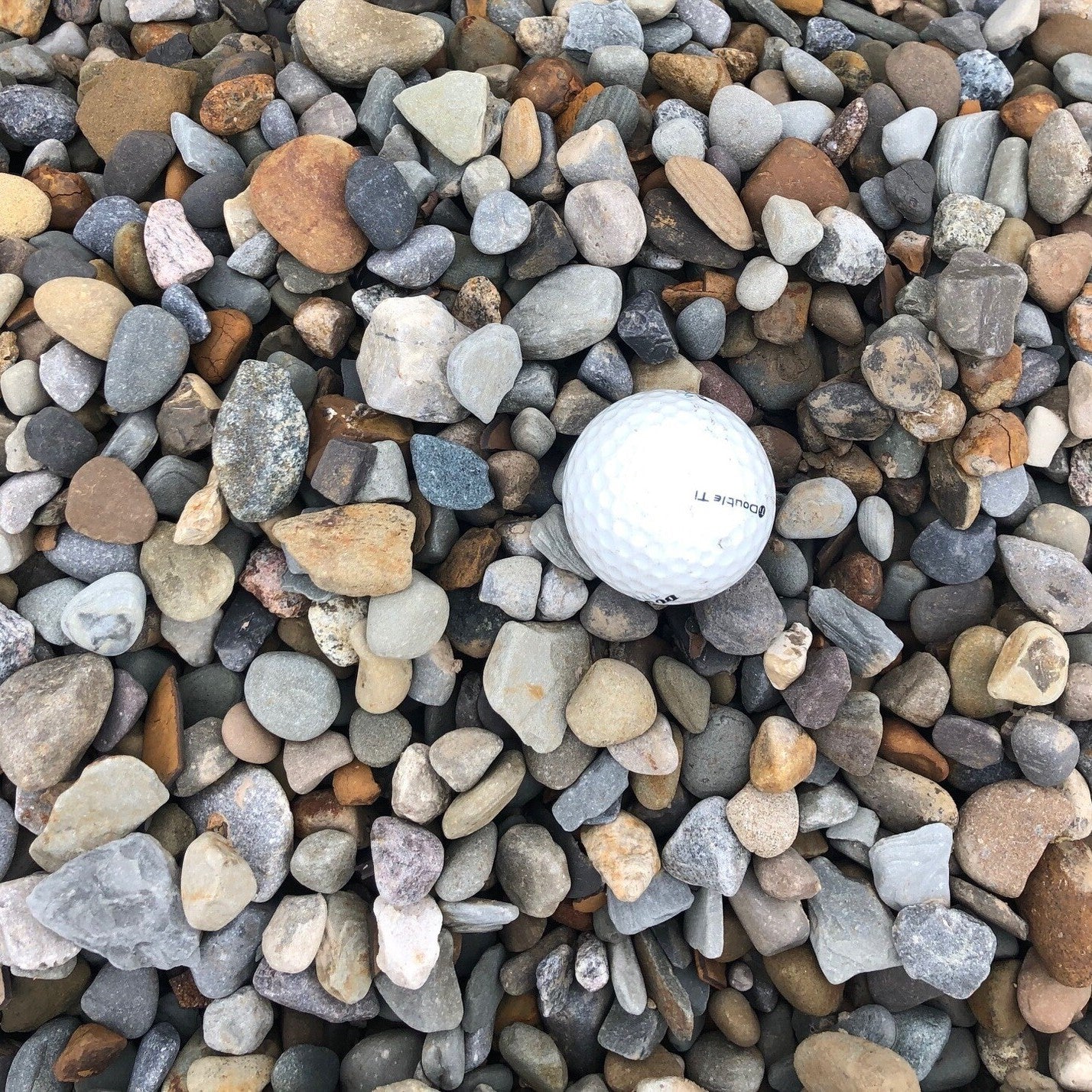
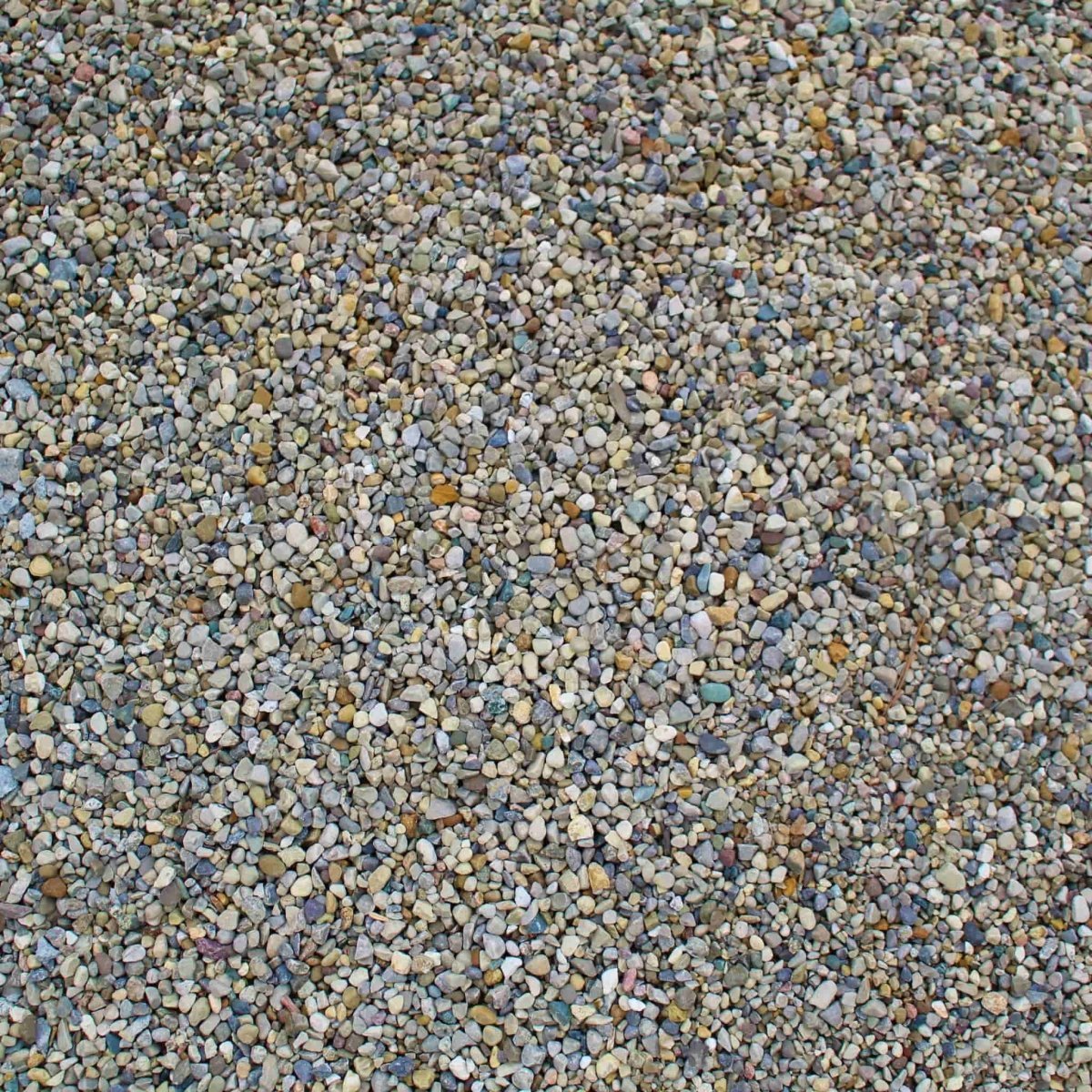
Number 57 crushed stone, angular limestone graded to about three quarters of an inch. The standard driveway, base and drainage gravel, it locks together under traffic and drains fast.
My experience with Mulch Mound was great and super easy. I ordered two yards of screened topsoil and was able to get it delivered within 2 days. They came in my requested time frame (afternoon) and dropped it off where I asked on my driveway. The topsoil was exactly what was a...
Tell us what you're looking for
Thanks! We received your request.
Something went wrong. Please try again.
How Much Material Do I Need?
For pathways in Decatur, 3 to 4 inches of stone over a compacted base provides a stable surface that handles regular foot traffic through the entire freeze-thaw season. Drainage applications like dry creek beds and French drain trenches need 6 to 8 inches of clean washed stone to move the volumes of water generated by Decatur's heaviest spring rain events.
Use our free gravel calculator
What is a yard?
A yard is approximately 27 cubic feet. As a general guideline, one yard of material can cover an area of about 100-160 square feet at a 2-3 inch depth.
We can't take orders for this right now. Tell us what you need and we'll get back to you.
What do you need?
Thanks! We received your request.
Something went wrong. Please try again.
Hand-picked local yards
4,000+ regional deliveries
Dedicated support
Why order through Mulch Mound
The best local stone, without the guesswork.
We hand-pick and partner with the best yards in your region, keep only the ones our buyers rate well, and back each load with our guarantee.
Mulch Mound Guarantee
If your stone isn't the quantity or quality you ordered, we'll make it right.
About this stone
Number 57 crushed stone, angular limestone graded to about three quarters of an inch. The standard driveway, base and drainage gravel, it locks together under traffic and drains fast.
My experience with Mulch Mound was great and super easy. I ordered two yards of screened topsoil and was able to get it delivered within 2 days. They came in my requested time frame (afternoon) and dropped it off where I asked on my driveway. The topsoil was exactly what was a...
How Much Material Do I Need?
For pathways in Decatur, 3 to 4 inches of stone over a compacted base provides a stable surface that handles regular foot traffic through the entire freeze-thaw season. Drainage applications like dry creek beds and French drain trenches need 6 to 8 inches of clean washed stone to move the volumes of water generated by Decatur's heaviest spring rain events.
Use our free gravel calculator
What is a yard?
A yard is approximately 27 cubic feet. As a general guideline, one yard of material can cover an area of about 100-160 square feet at a 2-3 inch depth.
My experience with Mulch Mound was great and super easy. I ordered two yards of screened topsoil and was able to get it delivered within 2 days. Th...
Read full review
My experience with Mulch Mound was great and super easy. I ordered two yards of screened topsoil and was able to get it delivered within 2 days. They came in my requested time frame (afternoon) and dropped it off where I asked on my driveway. The topsoil was exactly what was advertised, clean with no rocks or other debris. The price was reasonable. I plan to use them again in a couple weeks to order compost for my garden beds.
Really appreciate the care and follow thru that this company had with our order. A hiccup came up but they were quick to respond and address all co...
Read full review
Really appreciate the care and follow thru that this company had with our order. A hiccup came up but they were quick to respond and address all concerns, which made our garden day a success! Thank you for your prompt care.
Measure your project area's length and width in feet and multiply them together to get square footage. For most Decatur pathway and drainage applications, plan on 3 to 4 inches of stone depth, so divide your square footage by 108 for a 3-inch depth or by 81 for a 4-inch depth to get cubic yards. Stone is significantly heavier than mulch or soil per cubic yard, so confirm your delivery drop point has vehicle access and adequate clearance before your order date.
Stone Types We Deliver in Decatur
Mulch Mound offers bulk stone delivery by the cubic yard to homes and job sites all across the area. If you have been looking for bulk gravel by the yard in Decatur, we stock quality stone and load it fresh for every order, making the process simple from start to finish. Our delivery service is a good fit for central Illinois homeowners and contractors working with the region's clay-heavy soils, flat terrain, and variable Midwest weather.
Pea Gravel
A consistent favorite for patios, garden paths, and drainage, pea gravel fits the flat landscapes common in this part of Illinois. Its smooth, rounded edges and warm earth tones give properties a clean, natural finish that pairs with traditional home styles, and it holds up through the area's wet springs and warm summers.
Complete Your Outdoor Stone Project
Pair stone hardscape with bulk mulch in adjacent planting beds to create a clean contrast that is easy to maintain through Decatur's busy growing season. Adding quality topsoil behind stone drainage features gives you a stable plantable zone alongside the hardscape that holds its grade even during the heavy spring rains common in central Illinois.
In Decatur, permanent stone pathways and borders are best installed in late April or early May after the main freeze-thaw cycles have finished for the season. Installing stone on recently thawed silt loam causes the base to shift as the ground fully settles, producing uneven surfaces by summer. A short wait until the soil is consistently firm after May 4 means your stone goes in on a stable foundation and holds its level through the first full year.
Mulch Mound Pro Tip
Decatur homeowners consistently underestimate how much stone moves during a wet spring when it is placed directly on native silt loam without a proper base layer. Before placing stone in any permanent area, compact the native soil and add 2 inches of crushed limestone screenings as a base course. The screenings interlock when compacted and create a firm platform that resists the softening that Decatur's spring rains cause in exposed silt loam, keeping your stone surface stable season after season.
Mulch Mound Pro Tip
For decorative stone ground cover areas, Decatur's 40 inches of annual rainfall means lighter colored stone will show algae staining and organic discoloration within a season or two. Choosing a mid-tone or darker stone variety naturally hides that weathering and keeps decorative areas looking well maintained longer without extra work. If you prefer lighter stone for aesthetic reasons, plan on a rinse with a garden hose or a light pressure wash each spring before the growing season begins to restore the original color.
The Unique Landscape of Decatur
Decatur's 40 inches of annual rainfall creates drainage challenges that stone hardscaping solves better than almost any other landscape material available to homeowners. Permeable stone pathways and dry creek channels allow rainwater to move through the landscape rather than pooling across the flat terrain or sheeting across exposed silt loam. That native silt loam erodes quickly when left bare on slopes or heavily trafficked areas, and a stone surface layer provides lasting ground cover that holds its position through heavy rains without washing away like mulch or soil can. Decatur's Zone 6a freeze-thaw cycle, with first frost on October 11 and a last frost on May 4, subjects all hardscape to repeated ground movement, and quality landscape stone handles that stress far better than poured concrete edges or pavers that crack and heave. Low-maintenance stone areas also reduce ongoing labor demands during Decatur's growing season when mowing and bed upkeep consume most weekends. Whether the goal is drainage control, erosion prevention, decorative ground cover, or a clean foundation border, stone is one of the most durable long-term investments a Decatur homeowner can make.
Frequently Asked Questions
Click a question to see the answer
Answer
What size stone is best for managing drainage in a typical Decatur backyard?
For drainage swales, dry creek beds, and French drain trenches in Decatur, clean 1.5-inch washed river rock is the most effective choice. The open particle size allows water to move through quickly during Decatur's intense spring rain events without the stone washing out of position the way fine gravel can. Pea gravel works well as a top dressing layer in low areas where you want good drainage with a smoother visual appearance.
Answer
Will stone shift or sink in Decatur's freeze-thaw cycles every winter?
Some settling is expected in Zone 6a, where ground movement between October and April can shift loose stone placed directly on native soil. Minimizing that movement requires installing stone over a compacted base of crushed limestone screenings, which moves less than soft native silt loam during freeze-thaw cycles. A full 3 to 4 inch depth of stone over that compacted base stays stable through Decatur winters far better than shallow applications placed on unprepared ground.
Answer
How do I use stone to fix the standing water problem in my Decatur backyard?
Decatur's flat terrain means drainage channels often need to be created artificially rather than relying on natural slope. A dry creek bed filled with river rock can direct water from chronically wet low spots toward a street or municipal drain. For subsurface solutions, a French drain trench filled with washed stone and wrapped in landscape fabric routes water underground and away from foundations. Both approaches work effectively with Decatur's silt loam rather than struggling against it.
Answer
Is stone a good choice for the border around my home's foundation in Decatur?
Stone foundation borders are an excellent choice in Decatur for several reasons. They eliminate the wet mulch against siding situation that promotes rot and pest access during our humid Illinois summers. A 12 to 18 inch band of stone creates a splash-free zone during Decatur's heavy spring rains, reducing soil and debris from splashing onto siding and basement windows. Just confirm that your grade still slopes away from the foundation before the stone goes down.
Answer
How much stone do I need for a gravel path through my Decatur garden?
For a 3-foot wide pathway at a 3-inch depth, figure about 1 cubic yard for every 36 feet of path length. Because Decatur's silt loam softens and compresses under foot traffic, we recommend going to 4 inches of stone depth for any path that sees daily use. The extra depth prevents the path from developing ruts and keeps the surface level and stable through the season.
Answer
Can I use decorative stone around my vegetable garden in Decatur?
Stone is an excellent choice for the walking paths between vegetable beds in Decatur gardens, where muddy walkways are a chronic problem during the wet May and June growing season. Avoid placing stone directly in the planting beds themselves because stone retains heat aggressively during Decatur's hot summers and can stress cool-season crops. Use stone for walking surfaces and reserve mulch for the actual growing zones.
Answer
How do I prevent weeds from growing up through my stone areas in Decatur?
Install commercial-grade woven landscape fabric beneath the stone before any material goes down. The thin fabric sold at most home improvement stores breaks down within two to three seasons in Decatur's climate, so invest in a heavier woven fabric rated for 15 or more years of service. Even with quality fabric, Decatur's wind and rain will deposit fine soil particles on top of stone over time, creating a seedbed for surface weeds. A pre-emergent herbicide application in early April, just before Decatur's peak weed germination window, keeps surface growth minimal without repeated hand weeding.
Answer
Is there a stone yard near Decatur?
A dry creek channel to carry runoff off a soggy Decatur yard is a common stone project, and the crushed stone for it arrives at your driveway instead of requiring a trip to a stone yard. Mulch Mound is not a quarry, so you order online by the cubic yard and we drop it where you want it.