



Delivery was smooth and on time!
The triple shredded mulch was great quality and just what we were looking for.
About this mulch
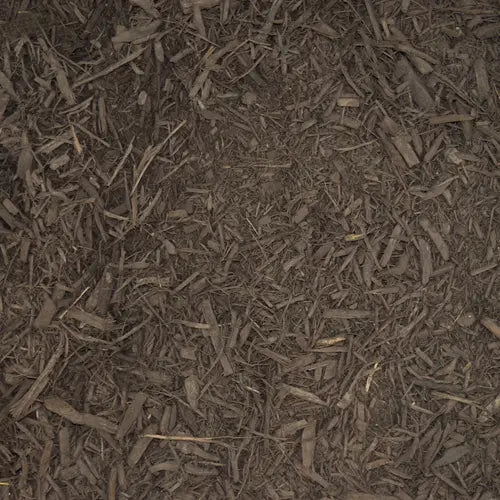
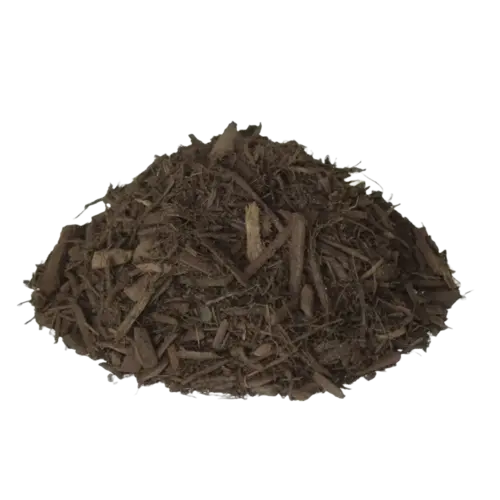
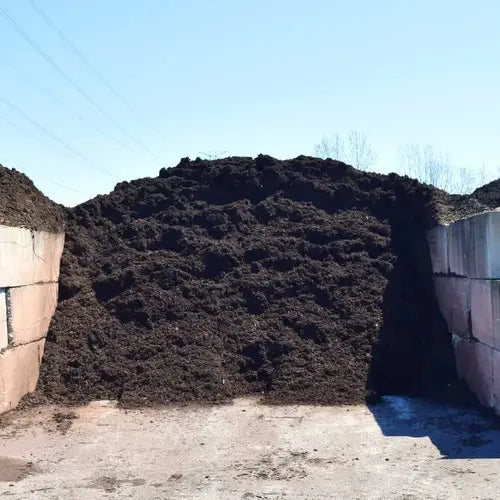
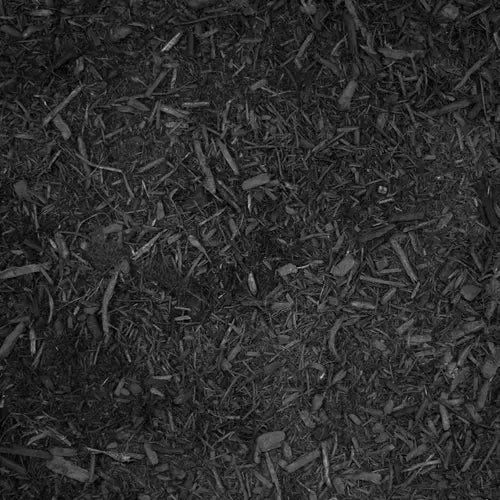
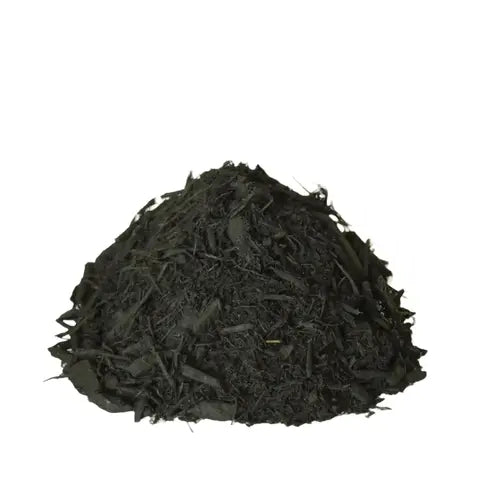
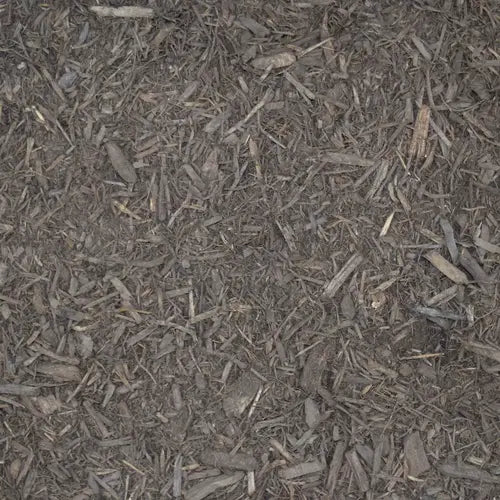
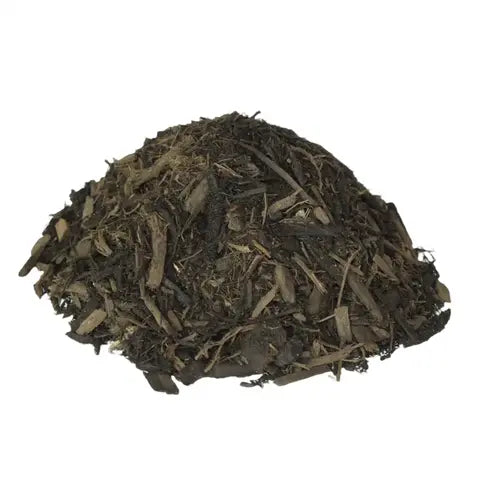
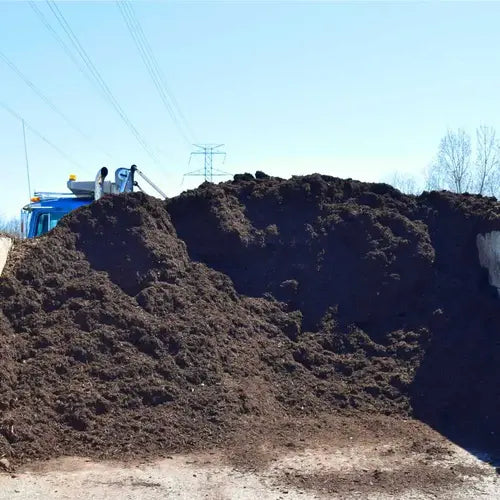
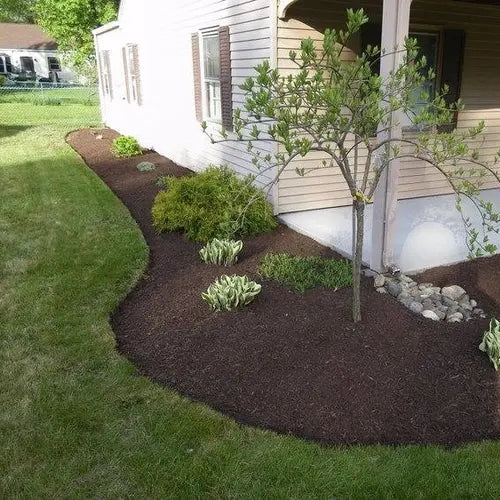
Double-shredded mulch dyed a rich, even brown that holds its color through the season.
Delivery was smooth and on time!
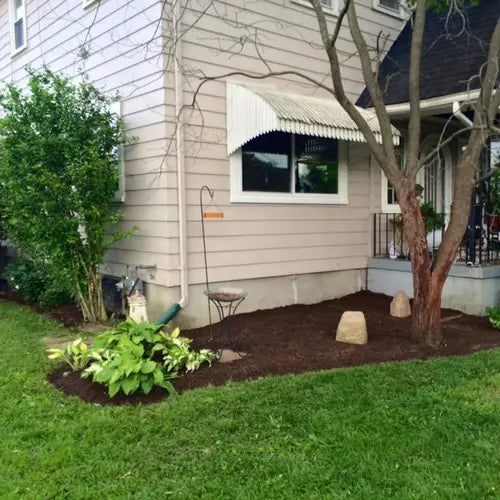
The triple shredded mulch was great quality and just what we were looking for.
Tell us what you're looking for
Thanks! We received your request.
Something went wrong. Please try again.
How Much Material Do I Need?
How Much Material Do I Need?
For most Del Rio landscape beds, a 3 to 4 inch depth provides adequate moisture retention and weed suppression through the hot, dry summers. Vegetable gardens and newly planted trees benefit from a full 4 inches, while established perennial beds can get by with 2 to 3 inches topped off annually.
Use our free mulch calculator
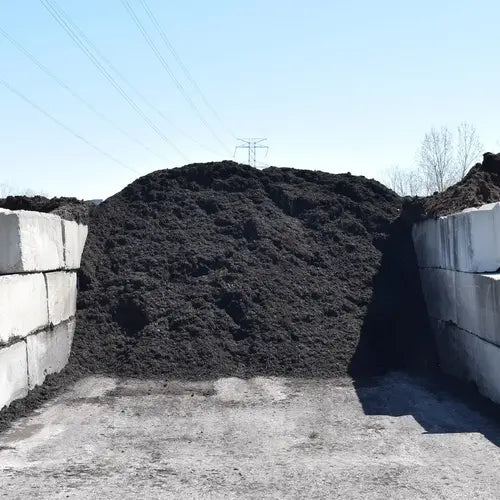
What is a yard?
What is a yard?
FAQs
FAQs
Del Rio Mulch Delivery
Del Rio Mulch Delivery
Regular price
$64.00
per
Yard
Regular price
Sale price
$64.00
Unit price
per
Shipping calculated at checkout.
Minimum of 3 Yard
Couldn't load pickup availability
Not currently available
We can't take orders for this right now. Tell us what you need and we'll get back to you.
Hand-picked local yards
4,000+ regional deliveries
Dedicated support
Why order through Mulch Mound
The best local , without the guesswork.
We hand-pick and partner with the best yards in your region, keep only the ones our buyers rate well, and back each load with our guarantee.
Mulch Mound Guarantee
If your isn't the quantity or quality you ordered, we'll make it right.
About this mulch
Double-shredded mulch dyed a rich, even brown that holds its color through the season.
Delivery was smooth and on time!
The triple shredded mulch was great quality and just what we were looking for.
How Much Material Do I Need?
How Much Material Do I Need?
For most Del Rio landscape beds, a 3 to 4 inch depth provides adequate moisture retention and weed suppression through the hot, dry summers. Vegetable gardens and newly planted trees benefit from a full 4 inches, while established perennial beds can get by with 2 to 3 inches topped off annually.
Use our free mulch calculator
What is a yard?
What is a yard?
FAQs
FAQs
Tell us what you're looking for
Thanks! We received your request.
Something went wrong. Please try again.

How It Works
Getting started is easy — just follow these simple steps
1
Choose your Mulch
Make sure you adjust the quantity to your home's needs. You can use our calculator to estimate how much you'll need.
2
Select your delivery date
Select a delivery date you'd like for the product to be dropped off at your home
3
Sit back and wait
Sit back, wait, and let us work our magic to make sure the highest quality product is delivered to your driveway.

Great experience with mulch mound. Their online calculator made it easy to estimate how many yards of mulch I needed and delivery was quick. I woul...
Read full review
Great experience with mulch mound. Their online calculator made it easy to estimate how many yards of mulch I needed and delivery was quick. I would definitely recommend them for your future projects.

We needed mulch for our HOA common areas. Local providers were all holding high prices even for 40 yards of mulch. Mulch mound was easy to wowith...
Read full review
We needed mulch for our HOA common areas. Local providers were all holding high prices even for 40 yards of mulch. Mulch mound was easy to wowith & has great price for natural mulch + delivery schedule options. They called before delivery to ensure Delivery was exactly where we wanted it.
Calculate mulch for your Del Rio project
For Del Rio's type of soil, we recommend 2-3 inches for best weed suppression and moisture retention
Try Our CalculatorMeasure the length and width of each planting bed in feet and multiply them together to get square footage, then add all your beds up for a total coverage area. Divide that total by 100 to estimate cubic yards needed at a 3 inch depth, which is the standard recommendation for Del Rio's conditions. It is always smart to round up slightly since chalky clay ground is often uneven and some areas may need extra material to reach full depth.
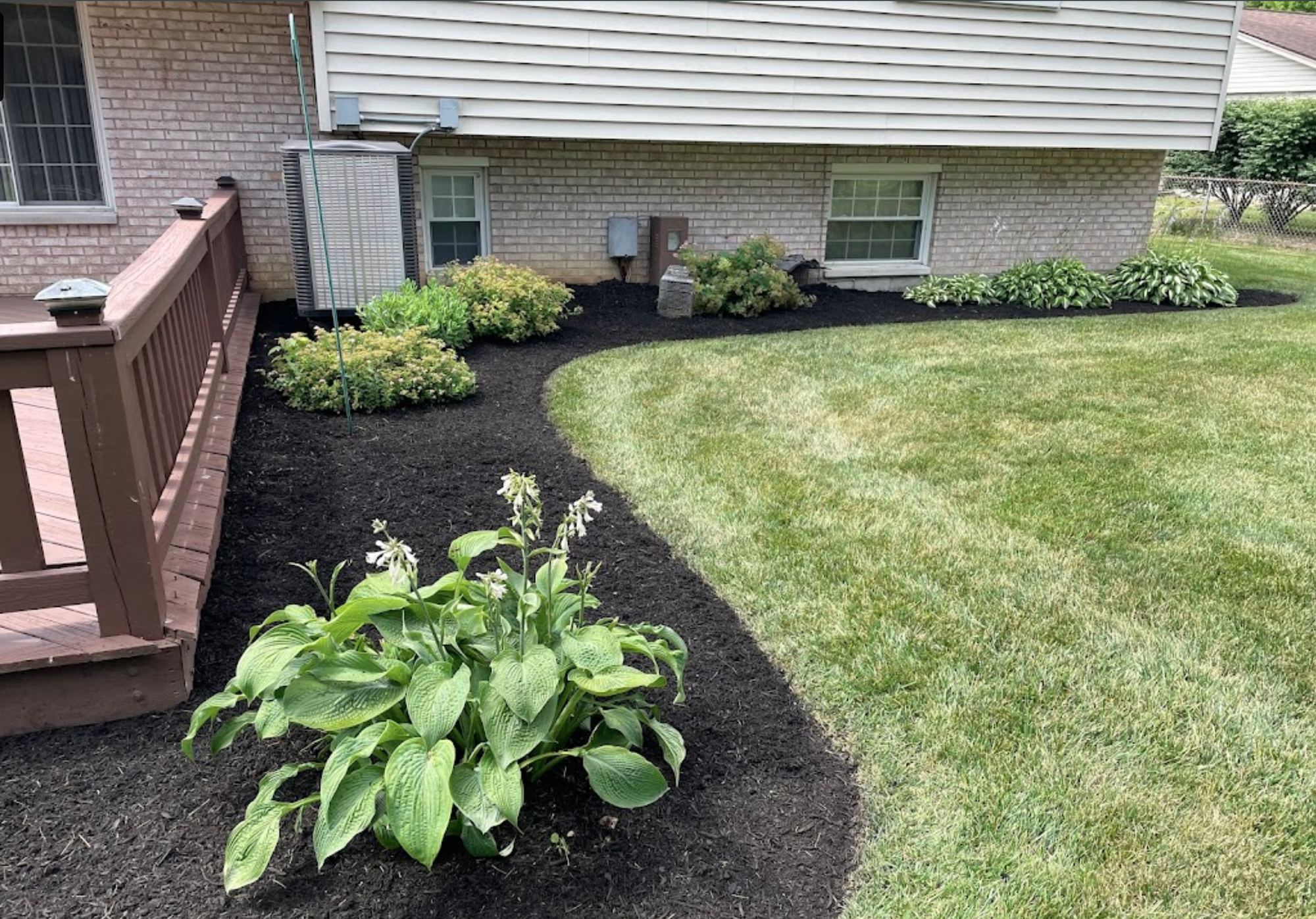
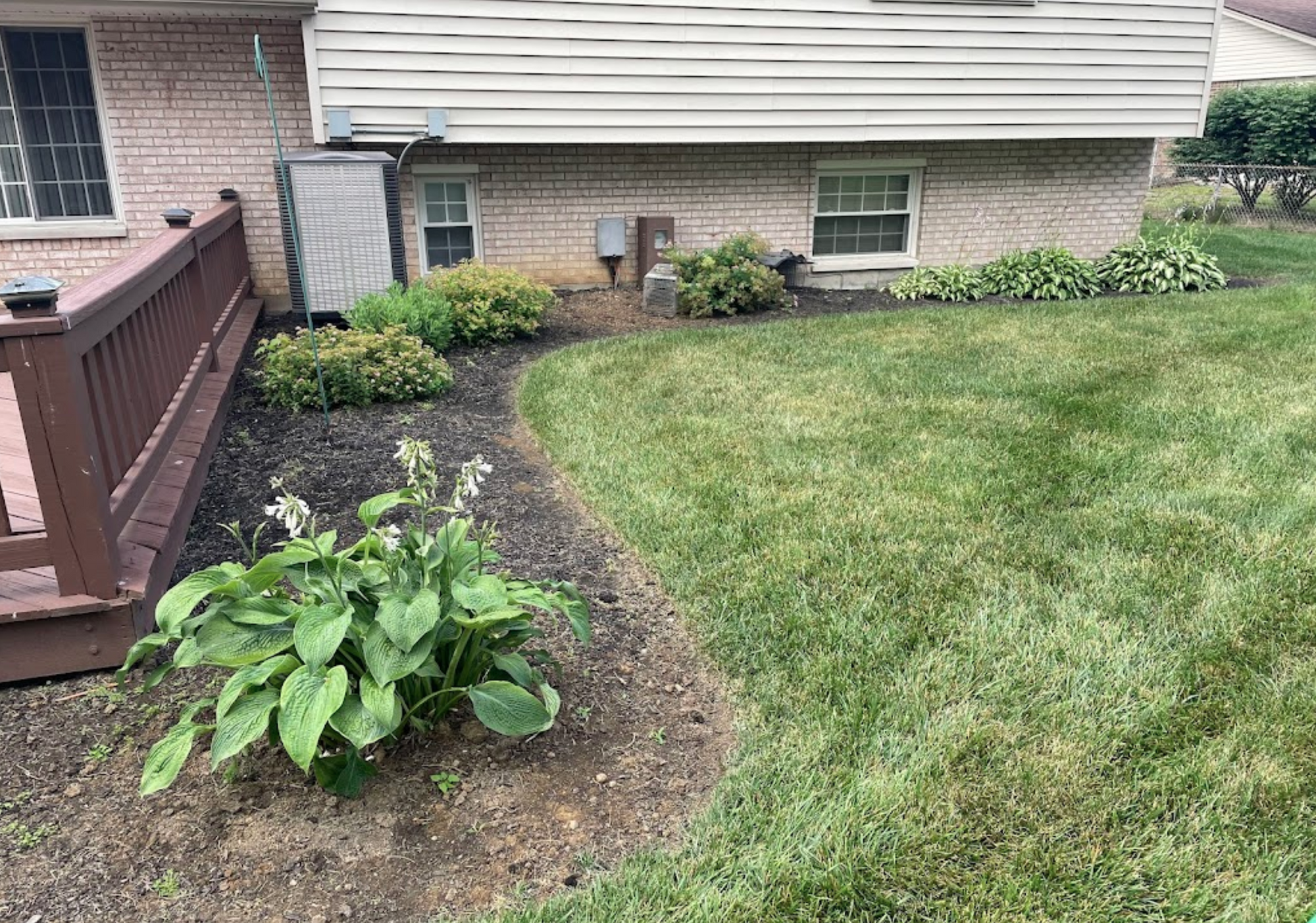

Best Mulch Choice for Del Rio Lawns
Most yards in the Del Rio area sit on type of soil. Del Rio's chalky clay soil is dense, poorly draining when wet, and almost impenetrable when dry, which makes building healthy plant beds genuinely difficult without organic matter additions. Laying mulch over these beds is one of the most practical ways to moderate the extreme wet to dry swings that break down plant root systems over time.
Hardwood Mulch
Hardwood mulch is particularly well suited to Del Rio's chalky clay because as it decomposes it contributes organic acids and fibrous material that physically breaks up clay particles over time. This gradual loosening improves both drainage during the occasional heavy rain event and water holding capacity during the long dry stretches, slowly transforming the soil structure in a way that raw clay can never achieve on its own.
Complete Your Outdoor Mulch Project
Pairing fresh mulch with a quality amended soil or compost blend helps address Del Rio's challenging chalky clay foundation before you plant. Adding decomposed granite or river stone to pathways and borders alongside mulched beds gives your landscape a finished, low maintenance look that holds up through the heat.
Mulch Mound Pro Tip
Del Rio's clay soil can become hydrophobic after a long dry stretch, meaning water beads up on the surface rather than soaking in. Before spreading mulch over completely dried out ground, water the area thoroughly and let it absorb for a day. Mulching over already moistened soil locks that water in rather than sealing dry, brick hard clay underneath where it does your plants no good at all.
Mulch Mound Pro Tip
If you are landscaping around native plants like agarita, blackbrush acacia, or native grasses, use a thinner 2 inch mulch layer rather than the standard 3 to 4 inches. Many plants native to the Del Rio area and the Chihuahuan Desert edge are adapted to dry, exposed soil conditions and can actually struggle with too much retained moisture around their crowns. Matching mulch depth to the water needs of each plant type gives you the best results.
Mulch Mound Pro Tip
The stretch from June through August in Del Rio is when mulch earns its keep most dramatically. Soil temperatures under a 3 inch layer of shredded hardwood mulch can run 10 to 15 degrees cooler than bare exposed ground during peak afternoon heat. That temperature buffer protects feeder roots and keeps soil biology active, which in turn improves nutrient availability for your plants during the exact period when heat stress is at its highest.
The Unique Landscape of Del Rio
Del Rio sits in a zone where summer temperatures routinely climb past 100 degrees and annual rainfall barely reaches 18 inches, which means exposed soil bakes dry and plant roots suffer without a proper moisture barrier. The chalky clay native to this area repels water when it dries out completely, forming a hard crust that runoff rolls right off of instead of soaking through. A consistent layer of mulch slows that evaporation cycle dramatically, giving moisture time to penetrate before the Val Verde County sun pulls it back out. Beyond water retention, organic mulch breaks down slowly into the soil, gradually improving the tight, alkaline clay structure that makes gardening in Del Rio such a challenge. With only about nine months between your last frost in late February and your first frost in late November, your growing season is long and your plants are working hard the entire time, making root protection a priority all year.