


About this firewood
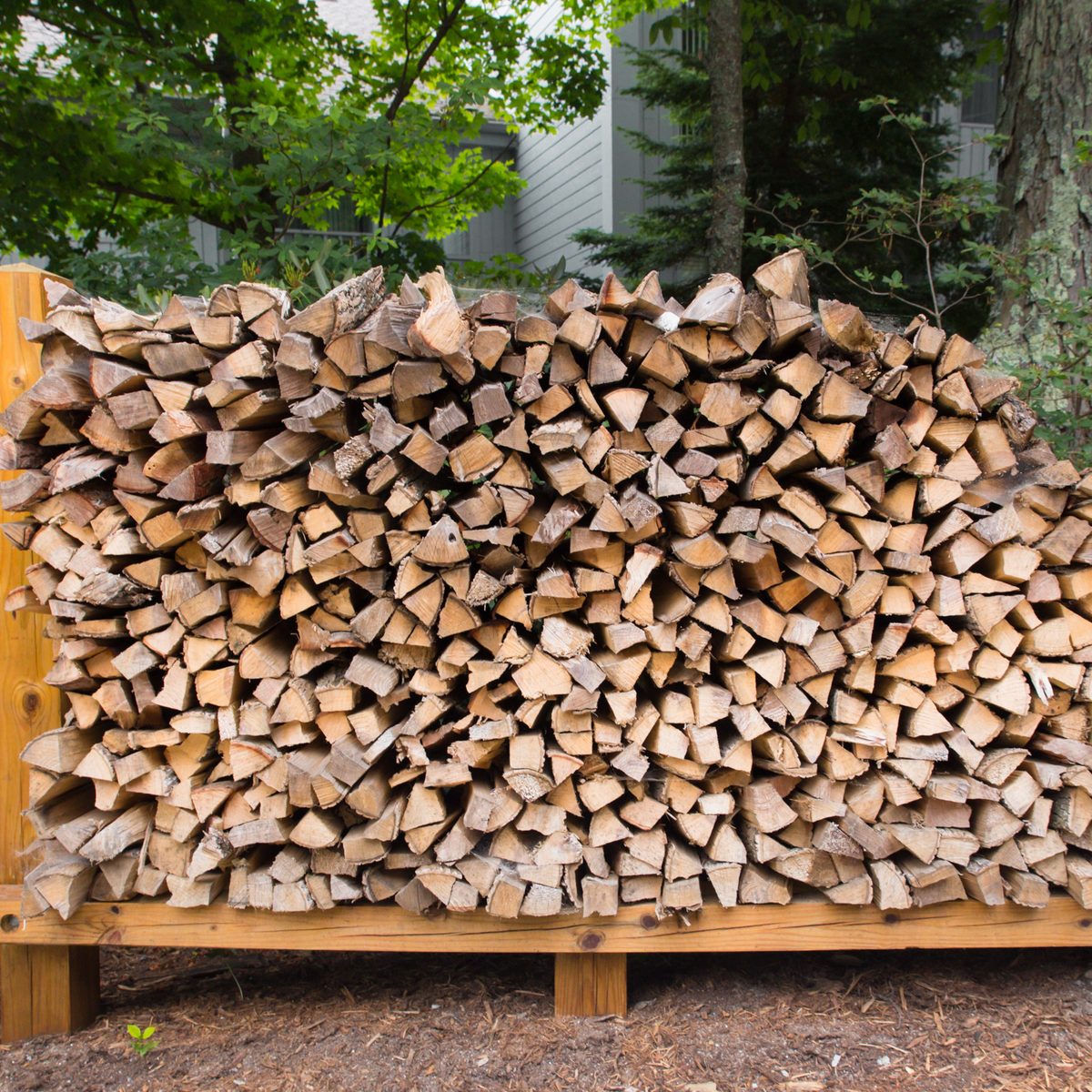
A third of a cord of seasoned hardwood, 43 cubic feet, split and ready to burn. A steady size for regular weekend fires once the cold sets in.

Tell us what you're looking for
Thanks! We received your request.
Something went wrong. Please try again.
How Much Firewood Do I Need?
How Much Firewood Do I Need?
Most Detroit homes using wood heat as a supplement order 2 to 3 cords to cover the stretch from first frost to last frost, while primary wood heat households often need 4 or more cords to make it through the full season.
What is a 1/3 Cord?
What is a 1/3 Cord?
What is a 1/2 Cord?
What is a 1/2 Cord?
FAQs
FAQs
Detroit Firewood Delivery
Detroit Firewood Delivery
Regular price
$216.00
per
1/3 Cord
Regular price
Sale price
$216.00
Unit price
per
Shipping calculated at checkout.
Couldn't load pickup availability
Not currently available
We can't take orders for this right now. Tell us what you need and we'll get back to you.
Hand-picked local yards
4,000+ regional deliveries
Dedicated support
Why order through Mulch Mound
The best local firewood, without the guesswork.
We hand-pick and partner with the best yards in your region, keep only the ones our buyers rate well, and back each load with our guarantee.
Mulch Mound Guarantee
If your firewood isn't the quantity or quality you ordered, we'll make it right.
About this firewood
A third of a cord of seasoned hardwood, 43 cubic feet, split and ready to burn. A steady size for regular weekend fires once the cold sets in.
How Much Firewood Do I Need?
How Much Firewood Do I Need?
Most Detroit homes using wood heat as a supplement order 2 to 3 cords to cover the stretch from first frost to last frost, while primary wood heat households often need 4 or more cords to make it through the full season.
What is a 1/3 Cord?
What is a 1/3 Cord?
What is a 1/2 Cord?
What is a 1/2 Cord?
FAQs
FAQs
Tell us what you're looking for
Thanks! We received your request.
Something went wrong. Please try again.


How It Works
Getting started is easy — just follow these simple steps
1
Choose your cord size
Make sure you adjust the quantity to your home's needs. A full cord suits steady winter heating, and a smaller order suits occasional fires.
2
Select your delivery date
Select a delivery date you'd like for the product to be dropped off at your home
3
Sit back and wait
Sit back, wait, and let us work our magic to make sure the highest quality product is delivered to your driveway.

First time going with this company for mulch and it was an efficient process from start to finish. Website was easy—I told them exactly where I wan...
Read full review
First time going with this company for mulch and it was an efficient process from start to finish. Website was easy—I told them exactly where I wanted the mulch put on my driveway, and it was delivered perfectly when I got home from work the next day. Best deal around when I compared it to competitors and I will definitely be becoming back.

Ordered Dirt. Received Dirt. Would Buy Again.
Complete Your Outdoor Project
While you are prepping your property for winter, check out our mulch and soil options sourced for Detroit's sandy clay soil, which can help protect root systems through the region's freeze and thaw cycles.


Service area
Areas we deliver firewood in Detroit, Michigan
- Allen Park, Michigan
- Berkley, Michigan
- Birmingham, Michigan
- Center Line, Michigan
- Clawson, Michigan
- Dearborn, Michigan
- Eastpointe, Michigan
- Ecorse, Michigan
- Ferndale, Michigan
- Fraser, Michigan
- Grosse Pointe Farms, Michigan
- Grosse Pointe Park, Michigan
- Grosse Pointe Woods, Michigan
- Hamtramck, Michigan
- Harper Woods, Michigan
- Hazel Park, Michigan
- Highland Park, Michigan
- Huntington Woods, Michigan
- Lincoln Park, Michigan
- Madison Heights, Michigan
- Melvindale, Michigan
- Mount Clemens, Michigan
- Oak Park, Michigan
- River Rouge, Michigan
- Riverview, Michigan
- Rochester, Michigan
- Roseville, Michigan
- Royal Oak, Michigan
- Southgate, Michigan
- St. Clair Shores, Michigan
- Trenton, Michigan
- Troy, Michigan
- Utica, Michigan
- Woodhaven, Michigan
- Wyandotte, Michigan
Mulch Mound Pro Tip
Stack your wood off the ground on a pallet or rack, since Detroit's damp fall and spring seasons can wick moisture up from the soil and undo months of seasoning. Leave the top loosely covered but the sides open to airflow, and position your stack away from the house to avoid pests. A stack in full sun with wind exposure dries and stays dry far better than one tucked against a shaded wall.
Mulch Mound Pro Tip
Oak and hard maple both burn long and hot once seasoned, making them good choices for overnight burns during Detroit's coldest stretches in January and February. Test a split by knocking two pieces together, a sharp crack means dry wood while a dull thud usually means it still has moisture to lose. Ash burns a bit faster but catches easily, so it works well for starting a fire before adding denser oak.
Mulch Mound Pro Tip
Order your firewood in late summer or early fall before the October frost hits, since demand climbs fast once temperatures drop and well seasoned wood becomes harder to find. Buying early also gives you time to stack and organize your supply before the first genuinely cold week arrives, rather than scrambling for delivery during a cold snap.
Wood Heat in Detroit
Detroit winters run long, with a first frost around October 1 and cold weather often lingering past the May 10 last frost date, which means many households are feeding a wood stove or fireplace for six months or more. Southeast Michigan's humidity and clay heavy soils keep freshly cut wood from drying out on their own, so wood that has not been properly seasoned tends to hiss, smoke, and gum up chimneys instead of throwing real heat. Local hardwoods like oak, hard maple, and ash have long been common in the Detroit area's older tree canopy, and they season into dense, long burning firewood when given time to dry. Because Detroit's elevation is modest and the region sits close to the Great Lakes, damp air lingers into fall, so wood cut and split just a few weeks before a cold snap will not be ready when you need it. Buying seasoned hardwood that has already had months to dry means you are heating your home instead of trying to boil water out of your own logs. That matters every single week of a Michigan winter that stretches well past what most other regions deal with.

Local Hardwood Species
Expect dense regional hardwoods like oak, hickory, maple, and ash. These species burn longer and hotter than softwoods, which is what you want when a cold snap settles in and the stove runs all day.

Seasoning and Moisture
Firewood needs 6 to 12 months of drying before it burns well. Properly seasoned wood lights faster, throws more heat, and keeps creosote out of your chimney, which matters most in the coldest weeks of the year.

Buy Local, Burn Local
Firewood that travels long distances spreads invasive pests like the emerald ash borer. Our wood is cut and seasoned close to where it is delivered, which protects local trees and means fresher wood for you.