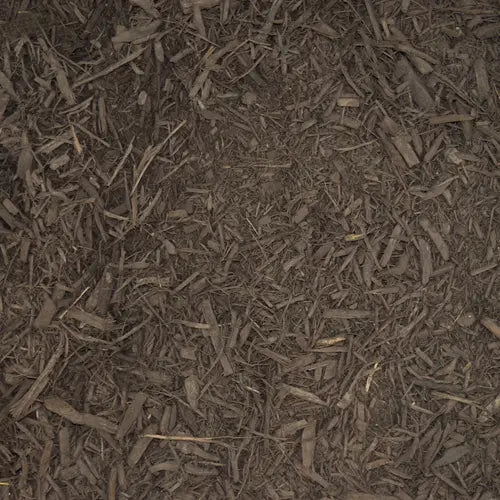
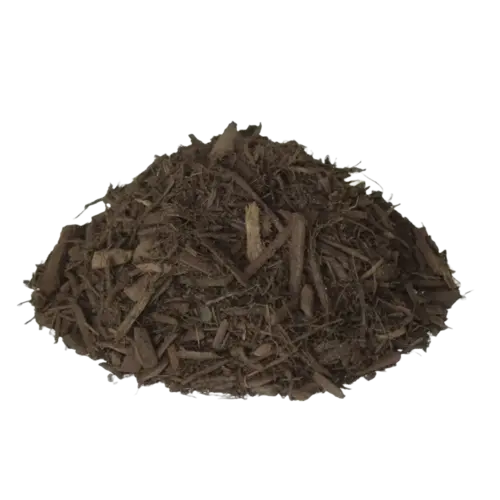
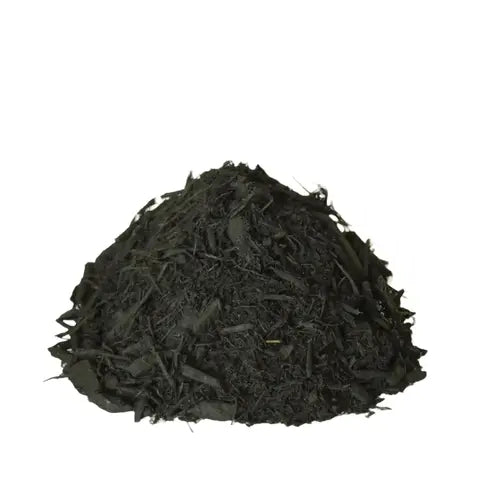
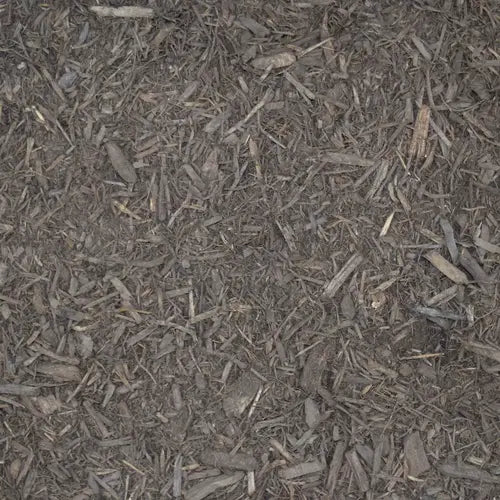
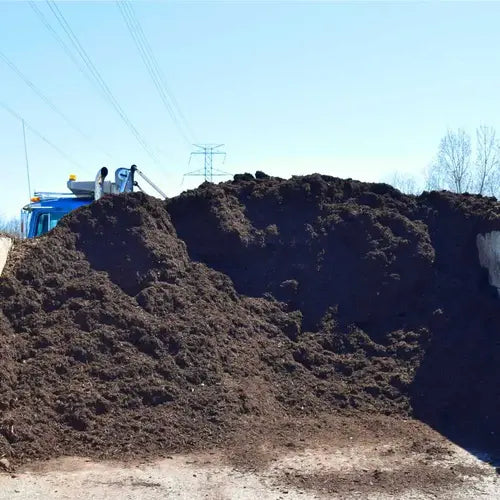
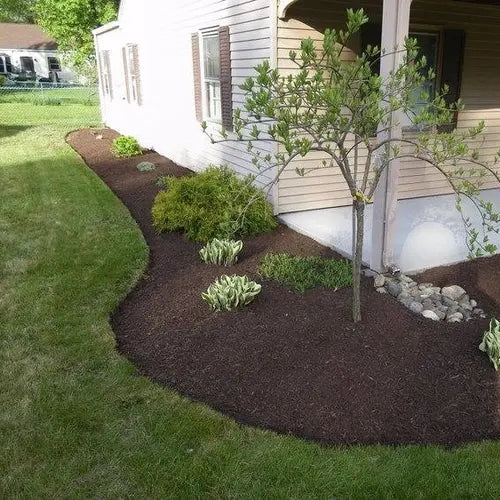
Warm brown double shredded mulch with lasting color that looks freshly applied for weeks. Spreads smooth, stays put, and gives beds a natural, polished appearance.
Great experience with mulch mound. Their online calculator made it easy to estimate how many yards of mulch I needed and delivery was quick. I would definitely recommend them for your future projects.
Tell us what you're looking for
Thanks! We received your request.
Something went wrong. Please try again.
How Much Material Do I Need?
Plan for 3 inches of depth across all planted beds, which is enough to suppress weeds and retain moisture even during dry stretches in Dothan's fast-draining sandy loam. Beds that receive intense afternoon sun on the south or west side of your home may benefit from a full 4 inches to offset the faster evaporation that comes with direct summer exposure.
Use our free mulch calculator
What is a yard?
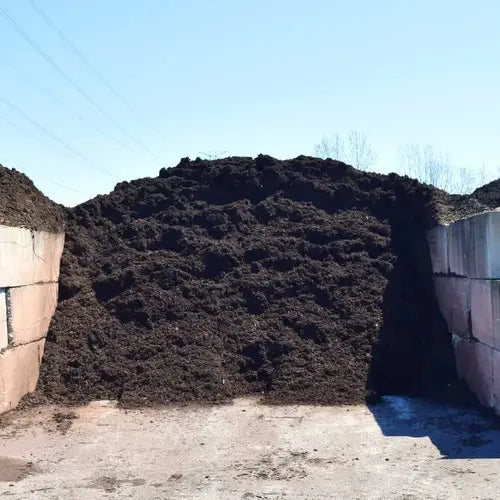
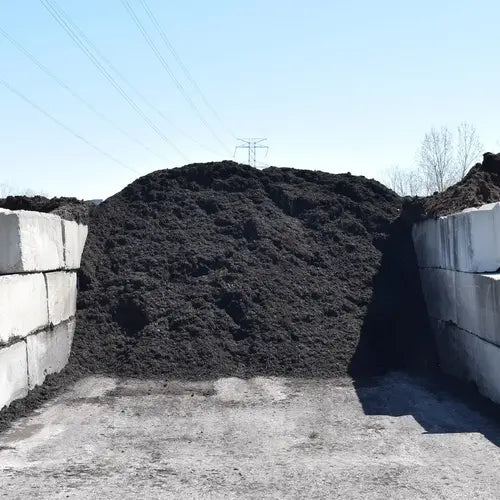
A yard is approximately 27 cubic feet. As a general guideline, one yard of material can cover an area of about 100-160 square feet at a 2-3 inch depth.
We can't take orders for this right now. Tell us what you need and we'll get back to you.
What do you need?
Thanks! We received your request.
Something went wrong. Please try again.
Hand-picked local yards
4,000+ regional deliveries
Dedicated support
Why order through Mulch Mound
The best local mulch, without the guesswork.
We hand-pick and partner with the best yards in your region, keep only the ones our buyers rate well, and back each load with our guarantee.
Mulch Mound Guarantee
If your mulch isn't the quantity or quality you ordered, we'll make it right.
About this mulch
Warm brown double shredded mulch with lasting color that looks freshly applied for weeks. Spreads smooth, stays put, and gives beds a natural, polished appearance.
Great experience with mulch mound. Their online calculator made it easy to estimate how many yards of mulch I needed and delivery was quick. I would definitely recommend them for your future projects.
How Much Material Do I Need?
Plan for 3 inches of depth across all planted beds, which is enough to suppress weeds and retain moisture even during dry stretches in Dothan's fast-draining sandy loam. Beds that receive intense afternoon sun on the south or west side of your home may benefit from a full 4 inches to offset the faster evaporation that comes with direct summer exposure.
Use our free mulch calculator
What is a yard?
A yard is approximately 27 cubic feet. As a general guideline, one yard of material can cover an area of about 100-160 square feet at a 2-3 inch depth.
Great experience with mulch mound. Their online calculator made it easy to estimate how many yards of mulch I needed and delivery was quick. I woul...
Read full review
Great experience with mulch mound. Their online calculator made it easy to estimate how many yards of mulch I needed and delivery was quick. I would definitely recommend them for your future projects.
We needed mulch for our HOA common areas. Local providers were all holding high prices even for 40 yards of mulch. Mulch mound was easy to wowith...
Read full review
We needed mulch for our HOA common areas. Local providers were all holding high prices even for 40 yards of mulch. Mulch mound was easy to wowith & has great price for natural mulch + delivery schedule options. They called before delivery to ensure Delivery was exactly where we wanted it.
Delivery was on time and great quality Mulch. Got it done in a reasonable time and yard looks great. Couldn’t be happier!!! Thank you and will us...
Read full review
Delivery was on time and great quality Mulch. Got it done in a reasonable time and yard looks great. Couldn’t be happier!!! Thank you and will use again!!
Measure the length and width of each bed in feet, then multiply to get square footage. Dothan's sandy loam benefits most from a consistent 3-inch depth, so divide your total square footage by 108 to calculate the cubic yards you need. If you have multiple beds of different shapes around your property, add the square footage of each individual area together before dividing so you place one complete and accurate order.
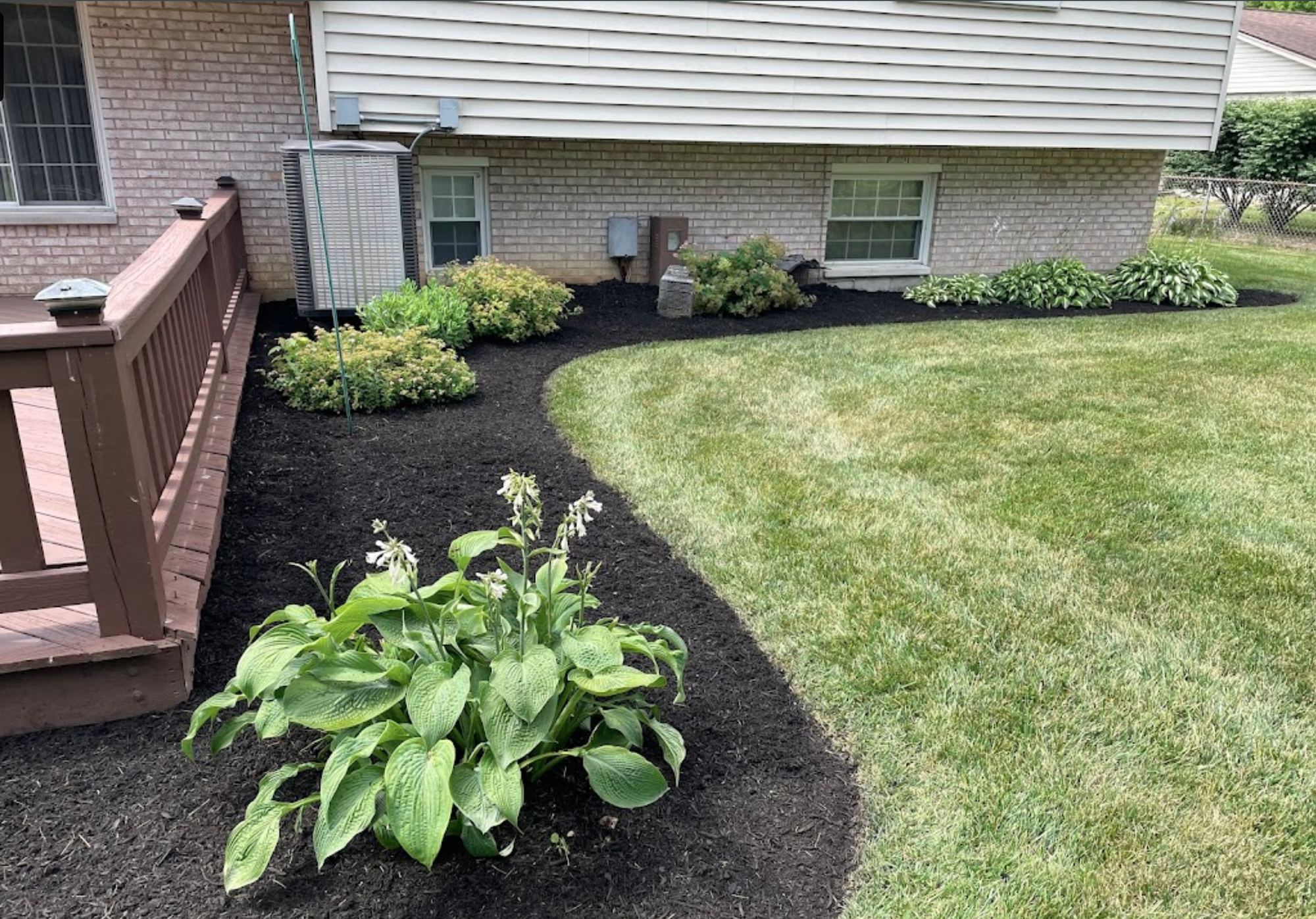
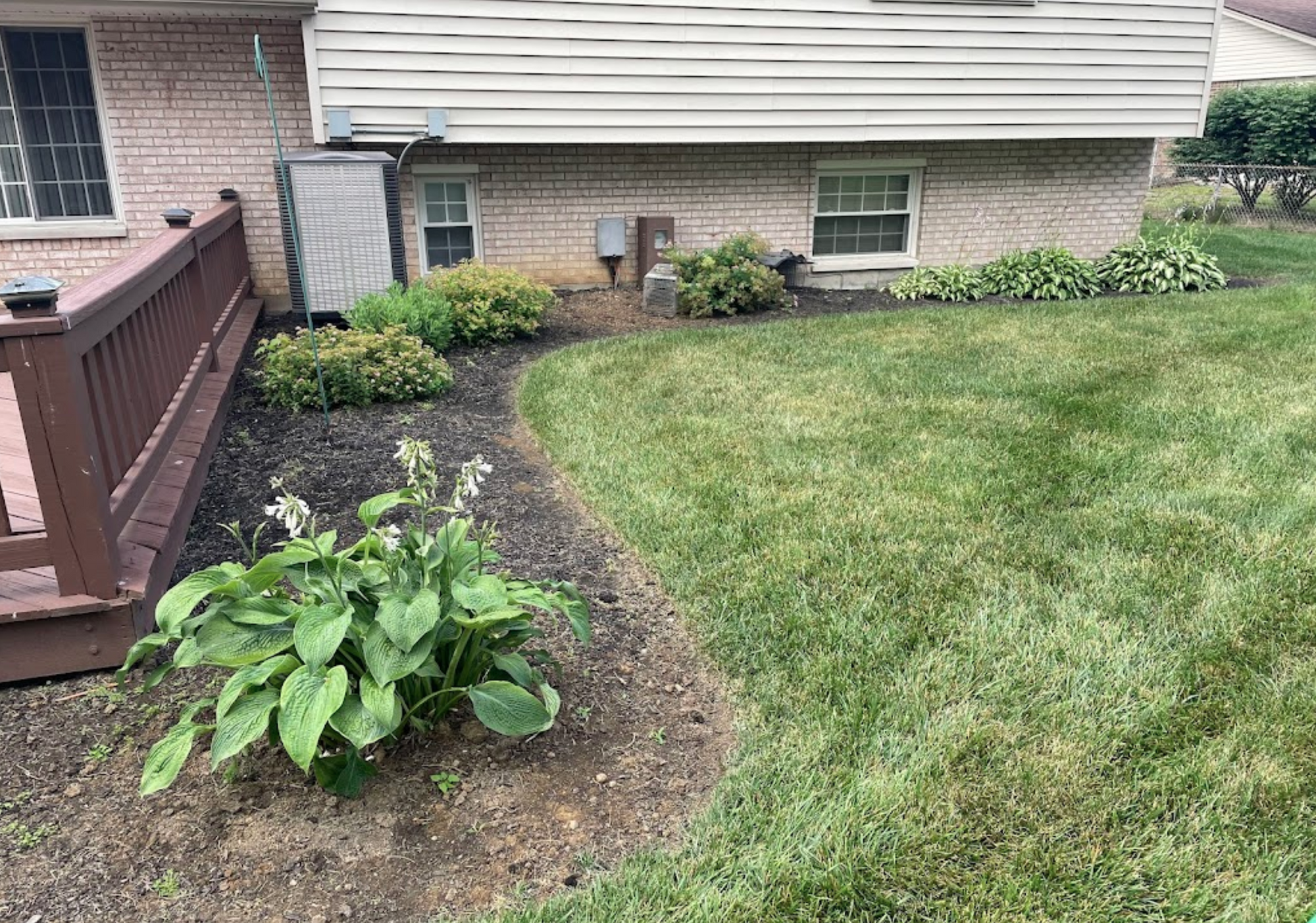
Mulch vs. No Mulch: The Difference
Dothan's combination of intense summer heat and 55 inches of annual rainfall means mulch breaks down at a faster rate than in cooler or drier regions, and that breakdown speed is one of the key differences between natural and dyed options here. Natural hardwood mulch decomposes into organic matter that actively improves sandy loam soil over time, while dyed mulch is processed to resist breakdown and hold color longer through Alabama's wet seasons. Both types deliver real moisture retention and weed suppression benefits, but understanding how each performs in southeast Alabama's specific climate helps you choose the right fit for each area of your landscape.
Before
After
Best Mulch Choice for Dothan Lawns
Most yards in the Dothan area sit on Sandy Loam type of soil. Sandy loam soil in Dothan drains so freely that plant bed moisture can be genuinely difficult to maintain even in a year with above-average rainfall. Without a mulch layer acting as a buffer, beds can swing from saturated after a heavy storm to uncomfortably dry within just a few days during the heat of summer.
Hardwood Mulch
Hardwood mulch is particularly well suited to Dothan's sandy loam because as it decomposes it releases humic compounds that bind to loose sand particles and measurably improve the soil's ability to hold both moisture and nutrients over time. After multiple seasons of topdressing with hardwood mulch, beds that once dried out quickly develop a progressively richer and more stable growing environment without requiring any additional soil amendments.
Mulch Types We Deliver in Dothan
Mulch Mound offers bulk mulch delivery in Dothan, bringing premium landscape material straight to your driveway or backyard by the cubic yard. Whether you are refreshing flower beds around a traditional brick home or protecting tree roots from Alabama's long, hot summers, fresh mulch makes a real difference. Order the amount you need and we handle the rest.
Dyed Black Mulch
Bold dyed black double shredded mulch creates sharp contrast against the warm, sandy soils common across this part of Alabama. The rich color holds through sun and heat, making it a popular choice for homeowners who want clean, polished beds. Spreads smoothly and stays put even during heavy summer rains.
Dyed Brown Mulch
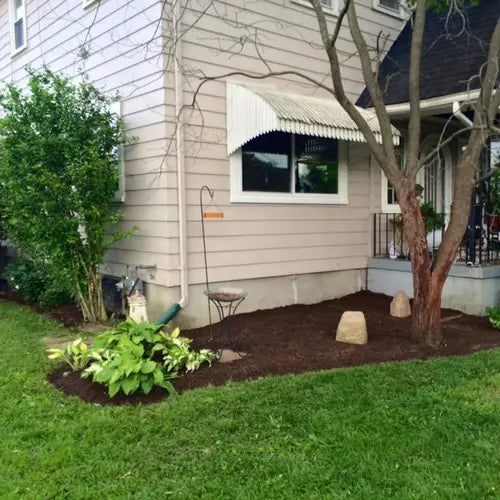
Warm brown double shredded mulch is one of the most requested colors in Southeast Alabama, complementing the brick exteriors and lush green lawns typical of homes throughout the region. The color looks freshly applied for weeks and spreads smoothly across large planting beds, giving landscapes a natural, finished appearance.
Natural Brown Mulch
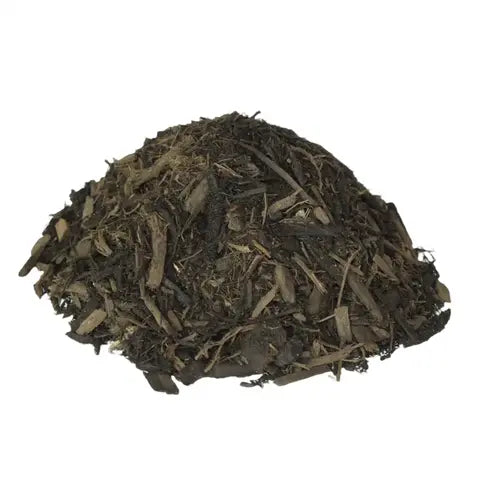
For homeowners who prefer an understated, organic look, natural brown double shredded mulch delivers a warm earthy tone straight from the wood itself. It pairs well with native plants and cottage garden styles common in this part of Alabama and helps retain soil moisture during the region's dry stretches.
Complete Your Outdoor Mulch Project
If you are refreshing beds this season, pairing mulch with a quality topsoil or garden soil amendment helps rebuild the organic matter that Dothan's sandy loam naturally lacks and gives new plantings a much stronger start. Adding decorative stone borders around your mulched beds creates a clean, defined edge that holds the mulch in place during the heavy afternoon thunderstorms that are a regular part of summer in the Wiregrass region.
Dothan's last frost falls around February 27, making early March the ideal window to lay fresh mulch across your landscape beds. Spreading mulch right after that frost date locks in the soil warmth that has been building and gives newly planted annuals and perennials a stable root environment from day one. Waiting until April means you are already losing ground against rapidly warming soil temperatures and the wave of spring weeds that emerge as soon as conditions allow.
Mulch Mound Pro Tip
Pine straw is a popular choice across the Dothan area, but hardwood mulch offers a lasting advantage for improving sandy loam soil over time. As hardwood mulch breaks down it releases organic compounds that bind to sand particles and gradually improve the soil's ability to hold both moisture and nutrients between rain events. After two or three seasons of topdressing with hardwood mulch, the texture and fertility of your beds will noticeably improve without any additional soil amendments required.
Mulch Mound Pro Tip
Dothan receives about 55 inches of rain per year, and the intense afternoon thunderstorms that roll through from June through September can wash lightweight mulch out of sloped beds very quickly. If your yard has any grade to it, a coarser shredded hardwood mulch that knits together and resists displacement performs much better than fine or fluffy materials. Keeping bed edges slightly raised with metal edging or a row of decorative stone also helps contain mulch during heavy downpours and preserves the clean look of your beds all season long.
Frequently Asked Questions
Click a question to see the answer
Answer
How often should I replace mulch in Dothan given our hot summers and heavy rainfall?
In Dothan's climate, organic mulch breaks down faster than in cooler regions because the combination of heat and 55 inches of annual rainfall accelerates decomposition significantly. Plan to refresh your beds once a year, typically in early spring right after the last frost around February 27, topping off to maintain a 3-inch depth rather than fully removing and replacing everything each time.
Answer
Will mulch actually help my plants survive Dothan's summer heat?
Yes, mulch is one of the most effective tools for protecting roots during Dothan's long hot summers. A 3-inch layer can reduce soil surface temperatures by 10 degrees or more, which makes a meaningful difference for shallow-rooted ornamentals and vegetable beds during peak July and August heat when unprotected sandy loam can become almost hostile to root activity.
Answer
Does mulch near my foundation attract termites in the Dothan area?
Termite pressure is very real in Dothan and throughout southeast Alabama, so keeping mulch pulled back at least 6 inches from your foundation siding is a smart precaution. Using aged hardwood mulch rather than fresh wood chips near the house also reduces the habitat appeal for subterranean termites that are common to the Wiregrass region.
Answer
What depth of mulch works best over Dothan's sandy loam soil?
Three inches is the sweet spot for most Dothan beds. Sandy loam drains so freely that going thinner means moisture evaporates too quickly between rain events, while piling on more than 4 inches can actually prevent water from penetrating to the root zone during the dry stretches that sometimes hit in late summer.
Answer
Do I need to remove the old mulch before adding a fresh layer each spring?
In Dothan you generally do not need to remove old mulch unless it has compacted into a matted layer that repels water rather than absorbing it. Rake the existing material lightly to break it up, then add a fresh 1 to 2 inch layer on top. The decomposing bottom layer is actively adding organic matter to your sandy loam, which is a benefit worth keeping in place.
Answer
Is dyed mulch safe to use around my vegetable garden in Dothan?
Most dyed mulches use carbon-based or iron oxide colorants that are considered safe for ornamental beds, but many Dothan gardeners prefer natural hardwood mulch around edibles out of caution. Natural mulch also breaks down faster in our warm climate and contributes more organic matter to the sandy loam soil through the long growing season, which edible gardens particularly appreciate.
Answer
How does Dothan's rainfall affect how long mulch color stays vibrant?
With 55 inches of rain per year spread across the seasons, color-enhanced mulch in Dothan fades faster than it would in a drier climate. Dyed products typically hold their color for 3 to 6 months before Alabama sun and rainfall wash the pigment down, while natural hardwood mulch transitions to a silvery gray that many homeowners find a pleasant and natural-looking alternative.
The Unique Landscape of Dothan
Dothan's sandy loam soil drains quickly, meaning plant beds can dry out fast between rain events even with 55 inches of annual rainfall working in your favor. A consistent mulch layer slows that surface moisture loss and gives roots time to absorb water before it moves through the soil profile. Dothan's long, hot summers push soil temperatures well above comfortable root zones, and mulch acts as insulation that keeps beds cooler through the peak of July and August. Weed pressure here is intense because the growing season stretches from late February through early November, giving opportunistic plants nearly nine months to establish. Organic mulch also breaks down gradually and feeds the sandy loam with the organic matter it naturally lacks, improving texture and nutrient retention with every passing season.