


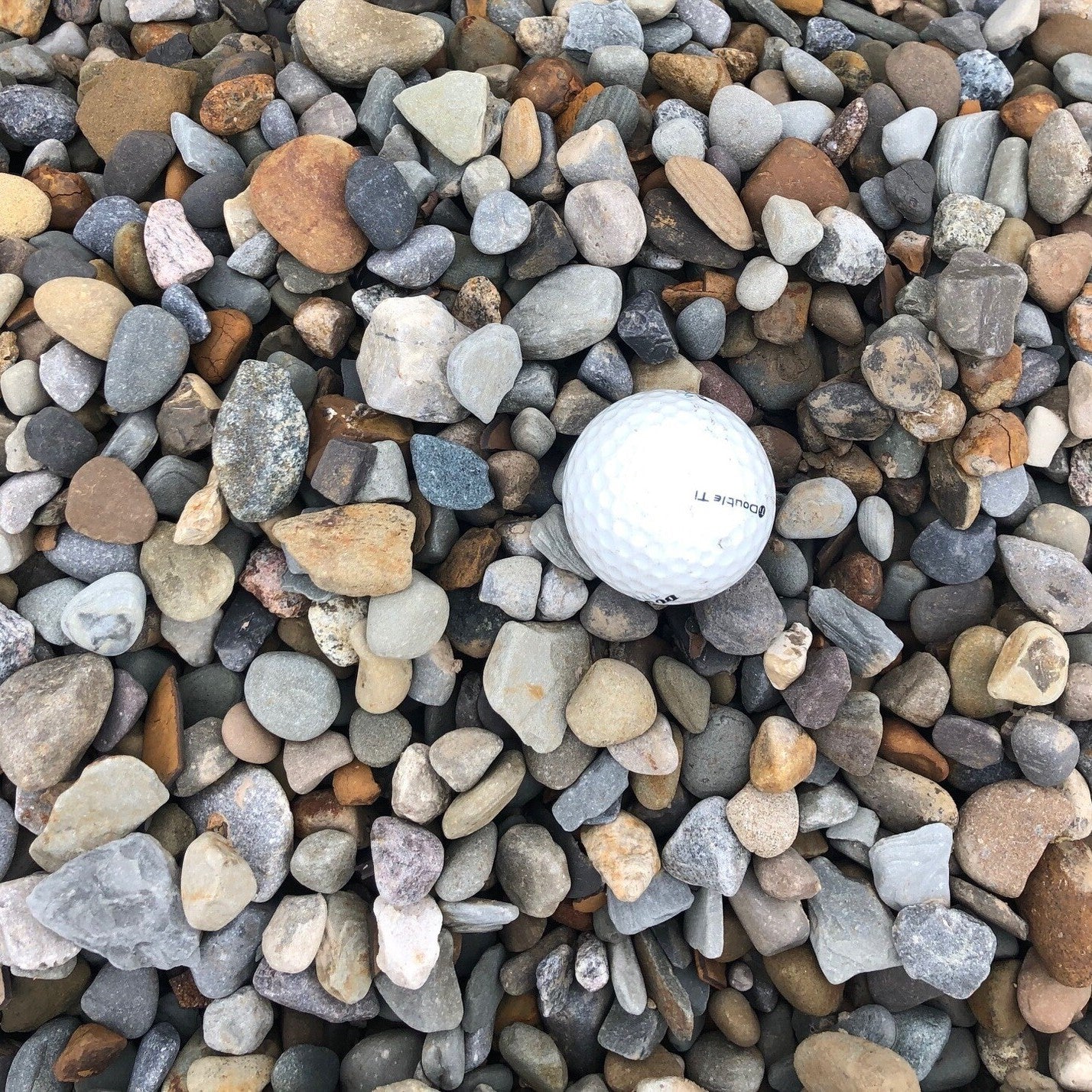

The driver nailed it on putting the gravel I ordered in front of my trailer and between the sidewalk. Very satisfied with how my flowerbeds look now.
About this stone
Number 57 crushed stone, angular limestone graded to about three quarters of an inch. The standard driveway, base and drainage gravel, it locks together under traffic and drains fast.
The driver nailed it on putting the gravel I ordered in front of my trailer and between the sidewalk. Very satisfied with how my flowerbeds look now.
Tell us what you're looking for
Thanks! We received your request.
Something went wrong. Please try again.
How Much Material Do I Need?
How Much Material Do I Need?
Plan for 2 to 3 inches of stone depth in decorative bed and foundation border applications and 3 to 4 inches for walkways and drainage channels in Dothan. Areas on slopes or near drainage outlets may need a deeper compacted base layer beneath the decorative surface to account for settling that occurs after the heavy summer rain events common to the Wiregrass region.
Use our free gravel calculator
What is a yard?
What is a yard?
FAQs
FAQs
Dothan Gravel Delivery
Dothan Gravel Delivery
Regular price
$133.00
per
yard
Regular price
Sale price
$133.00
Unit price
per
Shipping calculated at checkout.
Minimum of 3 yard
Couldn't load pickup availability
Not currently available
We can't take orders for this right now. Tell us what you need and we'll get back to you.
Hand-picked local yards
4,000+ regional deliveries
Dedicated support
Why order through Mulch Mound
The best local stone, without the guesswork.
We hand-pick and partner with the best yards in your region, keep only the ones our buyers rate well, and back each load with our guarantee.
Mulch Mound Guarantee
If your stone isn't the quantity or quality you ordered, we'll make it right.
About this stone
Number 57 crushed stone, angular limestone graded to about three quarters of an inch. The standard driveway, base and drainage gravel, it locks together under traffic and drains fast.
The driver nailed it on putting the gravel I ordered in front of my trailer and between the sidewalk. Very satisfied with how my flowerbeds look now.
How Much Material Do I Need?
How Much Material Do I Need?
Plan for 2 to 3 inches of stone depth in decorative bed and foundation border applications and 3 to 4 inches for walkways and drainage channels in Dothan. Areas on slopes or near drainage outlets may need a deeper compacted base layer beneath the decorative surface to account for settling that occurs after the heavy summer rain events common to the Wiregrass region.
Use our free gravel calculator
What is a yard?
What is a yard?
FAQs
FAQs
Tell us what you're looking for
Thanks! We received your request.
Something went wrong. Please try again.
How It Works
Getting started is easy — just follow these simple steps
1
Choose your stone
Make sure you adjust the quantity to your home's needs. You can use our calculator to estimate how much you'll need.
2
Select your delivery date
Select a delivery date you'd like for the product to be dropped off at your home
3
Sit back and wait
Sit back, wait, and let us work our magic to make sure the highest quality product is delivered to your driveway.


Need Help Calculating How Much Gravel You Need?
Use our NEW Trace from Satellite tool to get an estimate for your project based on an aerial view of your property
Try Our CalculatorMeasure the area you plan to cover in square feet, then settle on your intended depth, typically 2 to 3 inches for decorative beds and 3 to 4 inches for walkways and drainage applications. Multiply your square footage by your depth in inches, then divide by 324 to arrive at the cubic yards you need to order. Dothan yards with sloped areas or irregular low spots often require a bit more material than a flat-area estimate suggests, so adding 10 percent to your calculated total is a reasonable buffer before you place your order.
Stone Types We Deliver in Dothan
Mulch Mound brings bulk stone straight to your driveway or job site, making it easy to get the material you need without hauling it yourself. Whether you are landscaping a backyard patio or improving drainage in Dothan's clay-heavy soil, ordering bulk gravel by the yard in Dothan saves you time and money. We deliver by the cubic yard so you get exactly what your project calls for, nothing more and nothing less.
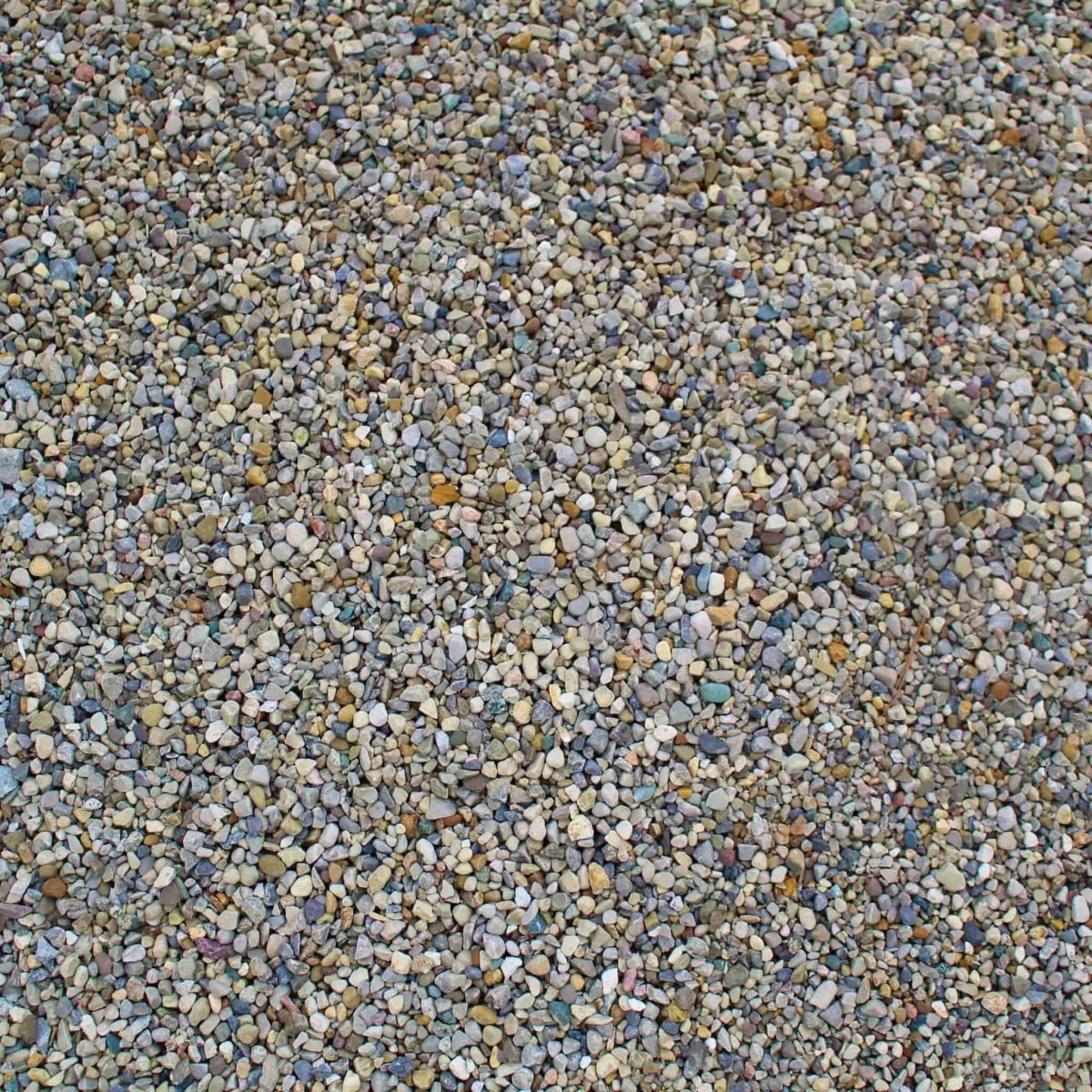
Pea Gravel
Smooth, rounded pea gravel is one of the most popular choices for homeowners across this part of Alabama. Its natural earth tones complement the warm-season lawns and brick-accented homes common to the region. It drains exceptionally well in clay soils, making it a smart pick for pathways, patios, and decorative ground cover.
Complete Your Outdoor Stone Project
Stone pathways and borders complement mulched planting beds beautifully, giving your Dothan landscape a clean and defined structure that holds up through a long growing season and the heavy summer rains that are a regular part of life in southeast Alabama. Adding quality topsoil to planting areas adjacent to your stone features ensures garden beds have the nutrient depth and organic matter needed to support healthy growth across the full span from Dothan's last frost in late February to first frost in early November.



Service area
Areas we deliver stone and gravel in Dothan, Alabama
Mulch Mound Pro Tip
Before laying decorative stone in a Dothan landscape bed, clear all existing vegetation and install quality woven landscape fabric rather than the thin nonwoven sheets that break down quickly in Alabama's heat and UV exposure. Sandy loam soil is loose and weed seeds in Dothan's long growing season are aggressive, meaning a skimped fabric installation will have you pulling weeds through your stone from March through October every year. A properly installed heavy-duty fabric barrier makes the difference between a genuinely low-maintenance stone bed and one that becomes an ongoing frustration.
Mulch Mound Pro Tip
For drainage applications in Dothan, the size of the stone you choose matters more than many homeowners realize when it comes to long-term performance. Very fine gravel can compact and slow drainage over time, especially as sandy loam soil particles wash into the layer during heavy rain and fill the voids between small stones. Using a washed stone in the 1 to 1.5 inch range for drainage trenches and dry creek beds maintains good flow-through capacity even after years of Dothan's frequent summer storms move soil particles around and test the installation.
Mulch Mound Pro Tip
Stone pathways in Dothan perform best and look the sharpest when installed with a slight crown running down the center of the path so water naturally sheds to both sides rather than pooling in the middle and softening the base. With approximately 55 inches of rain per year falling across the Dothan area, a poorly drained path develops slippery spots and uneven low sections surprisingly quickly. Taking a few extra minutes to establish a consistent cross-slope and a stable compacted base during installation saves considerable repair and redistribution work over the following seasons.
The Unique Landscape of Dothan
Decorative and functional stone is one of the most practical landscaping materials available to Dothan homeowners because it solves several problems that the local climate creates simultaneously. Sandy loam soil erodes easily along slopes and bed edges during the heavy summer thunderstorms that roll through the Wiregrass region, and stone provides permanent erosion control that does not need seasonal replacement the way organic materials do. Unlike mulch, stone does not break down in Dothan's heat and rainfall, making it a long-term and genuinely low-maintenance solution for pathways, foundation borders, and drainage channels. Stone also manages water movement across the property, directing runoff away from foundations and preventing the pooling that is common on Dothan properties after heavy rain events. For homeowners who want a sharp-looking landscape without the ongoing seasonal maintenance that mulched beds demand through a nine-month growing season, stone is an ideal alternative or complement.