

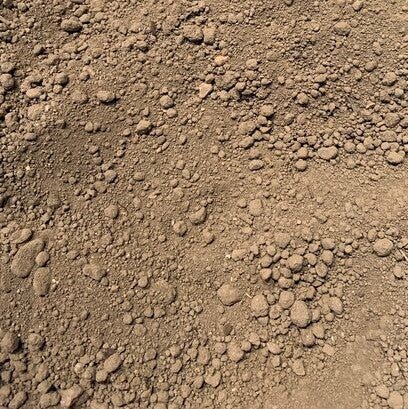
Quality topsoil for lawns, gardens, and landscape projects. Nutrient rich and ready to support strong root development and healthy plant establishment.
I got 3 yards of dirt to create a garden bed on the side of my house and to help fill my new raised garden beds. We had enough dirt to do all of this and fill some holes in the yard! Thanks 😃
Quality topsoil for lawns, gardens, and landscape projects. Nutrient rich and ready to support strong root development and healthy plant establishment.
I got 3 yards of dirt to create a garden bed on the side of my house and to help fill my new raised garden beds. We had enough dirt to do all of this and fill some holes in the yard! Thanks 😃
How Much Material Do I Need?
For lawn topdressing and leveling in Dothan, plan on 1 to 2 inches of topsoil per application, while new planting beds benefit from 4 to 6 inches worked down into the existing sandy loam. Raised beds should be filled to a minimum depth of 10 inches to give roots adequate room to develop through Dothan's long and demanding growing season.
Use our free soil calculator
What is a yard?
A yard is approximately 27 cubic feet. As a general guideline, one yard of material can cover an area of about 100-160 square feet at a 2-3 inch depth.
I got 3 yards of dirt to create a garden bed on the side of my house and to help fill my new raised garden beds. We had enough dirt to do all of th...
Read full review
I got 3 yards of dirt to create a garden bed on the side of my house and to help fill my new raised garden beds. We had enough dirt to do all of this and fill some holes in the yard! Thanks 😃
Placing an order online was so easy. Delivery was on time. When the driver realized we had a newly poured driveway they erred on the side of cautio...
Read full review
Placing an order online was so easy. Delivery was on time. When the driver realized we had a newly poured driveway they erred on the side of caution and opted not ti drive in it. The company even sent me a message explaining that call. Would recommend!
For lawn leveling projects, calculate your area in square feet and estimate the fill depth needed, typically 1 to 3 inches for leveling low spots and 4 to 6 inches for building new planting beds from scratch. Multiply square footage by depth in inches, then divide by 324 to convert to cubic yards for ordering. Dothan yards often have irregular shapes with trees, beds, and structures breaking up the space, so measure each distinct zone separately and add the square footages together before running your final calculation.
Complete Your Outdoor Soil Project
Soil improvement work pairs naturally with a generous layer of mulch spread across new or refreshed planting beds, which protects the topsoil investment by dramatically reducing moisture loss from Dothan's fast-draining sandy loam base. Adding decorative stone pathways or edging borders around soil-amended beds gives your landscape lasting structure and makes it easier to move through the yard after the frequent summer rains that are a regular part of life in the Wiregrass region.
My Dothan backyard has low spots that flood after every thunderstorm. Can adding topsoil fix that?
Low spots are extremely common on Dothan properties because our frequent summer storms can drop an inch or more of rain in a short window, overwhelming areas where grading is off. Filling and regrading those areas with quality topsoil and establishing a positive slope away from your foundation or toward a drainage outlet can dramatically reduce standing water. For particularly stubborn low spots, combining soil fill with a layer of drainage gravel beneath gives the best long-term results on Dothan's sandy loam base.
Answer
What soil should I use to fill raised vegetable beds in Dothan?
Raised beds in Dothan perform best with a blend that is richer and more moisture-retentive than native sandy loam, since the goal is to create a controlled growing environment rather than just extending what is already in the ground. A quality garden soil or topsoil blend worked together with compost gives vegetable roots a nutrient-dense environment that holds water longer between the dry stretches that sometimes follow Dothan's summer storms. Aim for beds at least 10 to 12 inches deep so roots have plenty of vertical space through the full growing season.
Answer
Can I use bulk topsoil to level my Dothan lawn and then overseed with grass?
Yes, topdressing with bulk topsoil is an effective approach for leveling uneven lawn areas in Dothan before overseeding with warm-season grasses like bermuda or zoysia. Apply no more than half an inch of topdressing at a time to avoid smothering existing turf, then water thoroughly and overseed after the soil has settled. Dothan's warming spring temperatures following the last frost around February 27 create ideal germination conditions for a successful establishment.
Answer
How is bulk topsoil better than just using the soil already in my Dothan yard?
Native Dothan soil is sandy loam, which while workable is often low in organic matter and nutrients, particularly in yards where the topsoil layer was removed or compacted during home construction. Quality bulk topsoil is screened to remove rocks, roots, and debris and typically carries a higher organic matter content, giving new planting areas or repaired lawn sections a much stronger foundation than native soil alone can provide.
Answer
How much topsoil do I need to establish a new garden bed in the Dothan area?
For a new in-ground garden bed in Dothan, plan on adding 4 to 6 inches of quality topsoil across the bed area and tilling it into the existing sandy loam to blend the two layers together. This blended transition zone allows roots to move freely between the amended top layer and the native soil below without hitting an abrupt texture change that could trap water or restrict growth.
Answer
When is the best time of year to do soil improvement work in Dothan?
Early spring right after Dothan's last frost around February 27 is the ideal time for most soil improvement projects because the ground is workable, the weather is mild, and you have the entire growing season ahead to see the results. Fall is the second-best window, giving lawns and perennials time to establish roots before the first frost around November 10 while also reducing the erosion risk that bare disturbed soil faces over winter.
Answer
Will adding topsoil help with the nutrient deficiencies I keep having in my Dothan garden?
Quality topsoil provides a better growing medium than native sandy loam alone, but for vegetable and flower gardens in Dothan you will still want to incorporate compost or fertilizer to sustain nutrient levels through the long growing season from late February through early November. Think of topsoil as the structural base that sets the stage, and organic amendments as the ongoing fuel that keeps plants performing well across nine months of active growth.
Mulch Mound Pro Tip
When using bulk topsoil to level a Dothan lawn, avoid working the soil when it is saturated following a heavy rain event. Sandy loam compacts easily when moved and shaped in a wet state, which can create drainage problems that undercut the entire purpose of the project. Wait until the surface has dried enough that your footprints leave less than an inch of impression, then grade and spread the material evenly before watering it in lightly to help it settle.
Mulch Mound Pro Tip
Dothan's growing season runs from late February through early November, meaning garden beds need to support sustained plant performance for nearly nine months without a natural rest period in between. When building new beds with bulk topsoil, mix in compost at a ratio of roughly one part compost to three parts topsoil before planting. This organic enrichment improves soil structure immediately and continues releasing nutrients gradually as it breaks down, feeding plants steadily across the long season rather than in one front-loaded burst.
Mulch Mound Pro Tip
Raised beds are increasingly popular across the Dothan area partly because they allow homeowners to bypass the limitations of native sandy loam and build a controlled, fertile growing environment from the ground up. Fill raised beds with a quality screened topsoil blend rather than native yard soil, and orient rectangular beds on a north-south axis to maximize sun exposure during Dothan's spring and fall seasons when sun angles are lower. A well-constructed raised bed filled with quality soil can remain productive right up to the November 10 first frost date with proper seasonal management.
The Unique Landscape of Dothan
Dothan's native sandy loam soil is workable but it drains quickly and holds relatively few nutrients compared to heavier soils, creating real challenges when establishing new garden beds, sodded lawn areas, or raised vegetable gardens. Bringing in quality bulk topsoil allows you to build up planting areas with the fertility and organic matter content needed to support a long growing season that runs from late February through early November. Grade work and lawn leveling are common needs across Dothan properties, particularly in neighborhoods where soil was pushed around and stripped of topsoil during original construction. Quality soil fill also corrects the low spots and uneven areas that pool water during Dothan's frequent and sometimes intense summer thunderstorms, reducing both lawn damage and the erosion that sandy loam is prone to on sloped ground. Whether you are starting a brand new landscape or repairing worn and compacted areas, a bulk soil delivery gives you the raw material to make lasting improvements.
