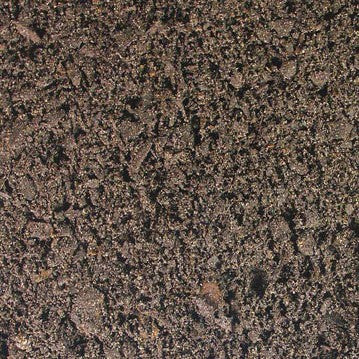
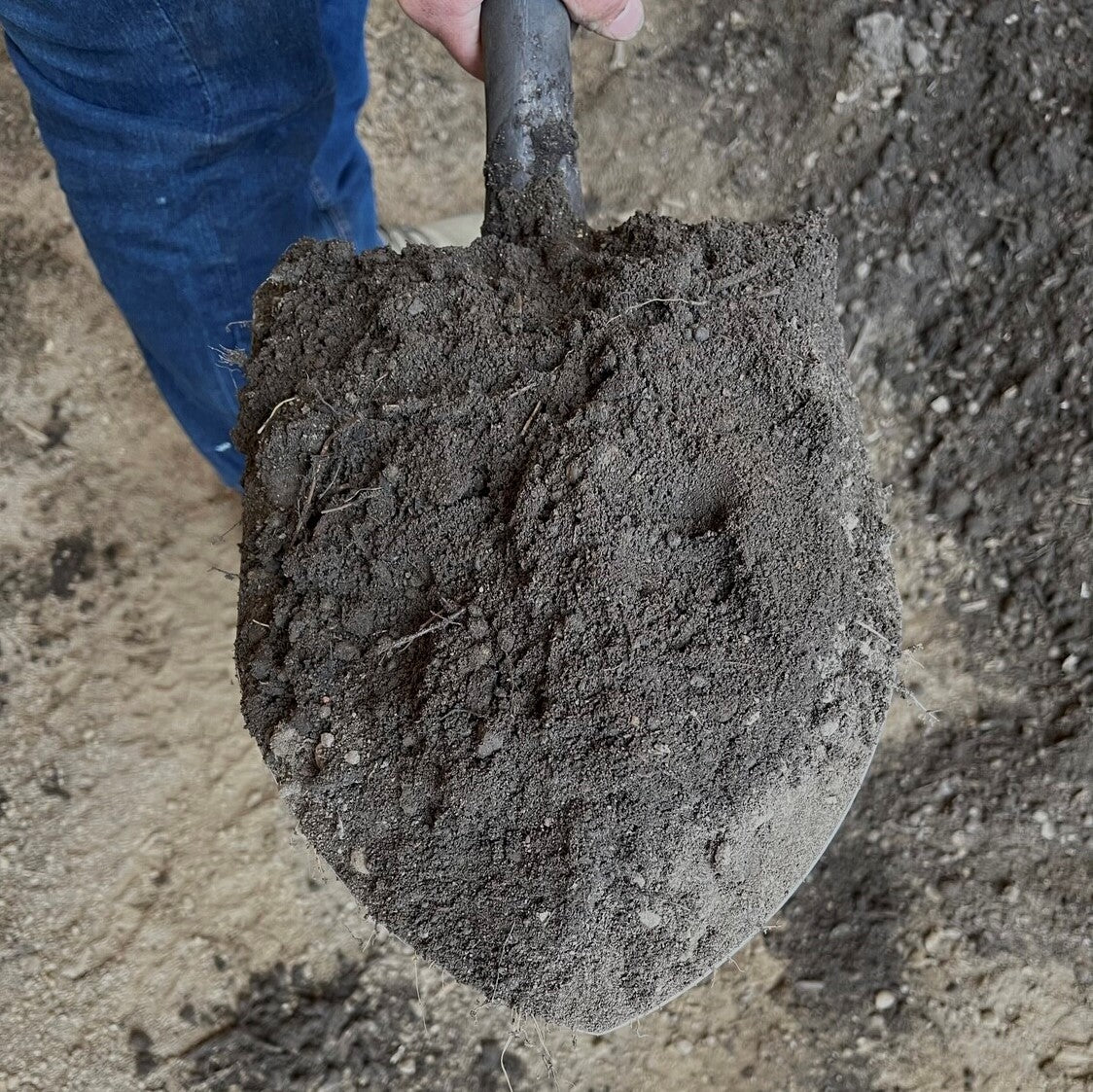
Quality topsoil for lawns, gardens, and landscape projects. Nutrient rich and ready to support strong root development and healthy plant establishment.
The website was intuitive and easy to navigate. The material was delivered the date and time it was scheduled, it was dropped off in the area i had specified on top of my tarp with no issues.
I ordered soil, the Gardening Blend that I received had too many plastic and m...
Tell us what you're looking for
Thanks! We received your request.
Something went wrong. Please try again.
How Much Material Do I Need?
Over Duluth's native clay, plan on at least 12 inches of topsoil for any garden bed or raised planting area to ensure roots have enough loose, workable material to reach their full potential in a sub-100-day growing season. For lawn leveling and grading, a 2 to 4-inch layer is typically sufficient to smooth out low spots and meaningfully improve surface drainage.
Use our free soil calculator
What is a yard?
A yard is approximately 27 cubic feet. As a general guideline, one yard of material can cover an area of about 100-160 square feet at a 2-3 inch depth.
What is a yards?
A yard is approximately 27 cubic feet. As a general guideline, one yard of material can cover an area of about 10 feet by 10 feet at a few inches deep.
We can't take orders for this right now. Tell us what you need and we'll get back to you.
What do you need?
Thanks! We received your request.
Something went wrong. Please try again.
Hand-picked local yards
4,000+ regional deliveries
Dedicated support
Why order through Mulch Mound
The best local soil, without the guesswork.
We hand-pick and partner with the best yards in your region, keep only the ones our buyers rate well, and back each load with our guarantee.
Mulch Mound Guarantee
If your soil isn't the quantity or quality you ordered, we'll make it right.
About this soil
Quality topsoil for lawns, gardens, and landscape projects. Nutrient rich and ready to support strong root development and healthy plant establishment.
The website was intuitive and easy to navigate. The material was delivered the date and time it was scheduled, it was dropped off in the area i had specified on top of my tarp with no issues.
I ordered soil, the Gardening Blend that I received had too many plastic and m...
How Much Material Do I Need?
Over Duluth's native clay, plan on at least 12 inches of topsoil for any garden bed or raised planting area to ensure roots have enough loose, workable material to reach their full potential in a sub-100-day growing season. For lawn leveling and grading, a 2 to 4-inch layer is typically sufficient to smooth out low spots and meaningfully improve surface drainage.
Use our free soil calculator
What is a yard?
A yard is approximately 27 cubic feet. As a general guideline, one yard of material can cover an area of about 100-160 square feet at a 2-3 inch depth.
What is a yards?
A yard is approximately 27 cubic feet. As a general guideline, one yard of material can cover an area of about 10 feet by 10 feet at a few inches deep.
The website was intuitive and easy to navigate. The material was delivered the date and time it was scheduled, it was dropped off in the area i had...
Read full review
The website was intuitive and easy to navigate. The material was delivered the date and time it was scheduled, it was dropped off in the area i had specified on top of my tarp with no issues.
I ordered soil, the Gardening Blend that I received had too many plastic and metal pieces for my liking thus lowering the score from a perfect 5/5 to a 4/5
Really appreciate the care and follow thru that this company had with our order. A hiccup came up but they were quick to respond and address all co...
Read full review
Really appreciate the care and follow thru that this company had with our order. A hiccup came up but they were quick to respond and address all concerns, which made our garden day a success! Thank you for your prompt care.
To figure out how many cubic yards of soil you need, multiply the length, width, and depth of your project area in feet and divide by 27. For Duluth bed-building projects, plan for at least a 12-inch depth when working over clay to give roots enough amended soil to perform well during the short growing season. It is always better to order slightly more than your calculation suggests, since leftover soil can be used to top-dress lawn areas or fill low spots.
Soil Types We Deliver in Duluth
Mulch Mound delivers bulk soil by the yard in Duluth, making it easy to get the right material for any project without hauling bags from the store. Whether you are building up thin glacial soil common across northern Minnesota, filling a new garden bed, or grading a yard, we bring cubic yard loads straight to your property. Our soil lineup covers the most common needs, from finished topsoil to affordable fill.
Screened Top Soil
Our screened topsoil is finely processed to remove rocks and debris, leaving a smooth, workable texture that suits Duluth lawns and planting beds well. It is nutrient rich and ready to support strong root development, making it a reliable choice for overseeding, garden builds, and landscape fill during the region's cooler growing season.
Premium Gardening Blend
This blend mixes topsoil and compost to create a rich, loose growing medium that performs well in raised beds and vegetable gardens. Northern Minnesota's short growing season means every inch of soil quality counts, and this premium mix gives roots a nutrient-dense environment from planting day forward.
Unscreened Peat
Unscreened peat is our most affordable soil option, suited for grading, rough fill, and leveling uneven ground before finish work begins. It works well under driveways, around foundations, or anywhere a cost-effective base is needed before a finer material goes on top.
Complete Your Outdoor Soil Project
Pair your topsoil delivery with bulk mulch to protect new beds from Duluth's early September frosts and reduce the moisture loss that amended soil can experience during dry July stretches, and add a border of decorative stone to define bed edges and keep mulch from spreading onto lawn areas.
Why is Duluth's native clay soil so hard to grow in?
Duluth's clay soil has very fine particles that pack tightly together, leaving little room for air or water to move through the root zone. When it dries out it forms a hard crust that even strong roots struggle to penetrate, and when it is saturated from one of Duluth's heavier rain events it can stay waterlogged for days at a time. Amending with quality topsoil or building raised beds on top of the clay is often the most effective solution for serious Duluth gardeners.
Answer
How much topsoil do I need to build a raised garden bed in Duluth?
For a standard raised bed in Duluth, you will want at least 12 inches of quality topsoil to give roots enough depth to establish before the September 13 first frost. Most vegetables suited to Zone 4b need 8 to 12 inches of loose, workable soil to reach their potential in a short season. Measure your bed's length, width, and desired depth in feet, multiply all three together, and divide by 27 to convert cubic feet to cubic yards.
Answer
Can I use bulk topsoil to fix the low, soggy areas in my Duluth yard?
Yes, filling low spots with screened topsoil and grading them to slope gently away from your home is one of the most effective ways to address the drainage problems that Duluth's clay soil creates. The key is to build up low areas gradually and seed or sod promptly so the new soil does not erode during the next heavy rain. Given Duluth's 31 inches of annual precipitation, proper grading is one of the best investments you can make in your yard's long-term health.
Answer
When should I schedule a topsoil delivery in Duluth?
Late May to early June is the most popular window for topsoil deliveries in Duluth, timed to follow the last frost date around June 7 so you can plant immediately after filling and amending your beds. However, fall delivery is also a smart option for homeowners who want to complete grading or bed-building when the yard is drier and more accessible than it tends to be during a wet Duluth spring. Soil placed in fall has all winter to settle and compact naturally before spring planting begins.
Answer
What is the difference between screened topsoil and garden blend soil for Duluth projects?
Screened topsoil is natural soil that has been sifted to remove rocks and large debris, making it ideal for grading, lawn leveling, and general fill work in Duluth yards. Garden blend soils typically include added organic matter or compost that helps offset Duluth's clay by improving drainage and nutrient content right from the start. For vegetable gardens and flower beds, a garden blend is worth the investment, while screened topsoil is the practical choice for grading and lawn repair work.
Answer
How do I keep new topsoil from washing away on Duluth's hilly terrain?
Duluth's hillside neighborhoods are prone to erosion after heavy rains, especially on newly graded areas without established ground cover. The best approach is to seed or lay sod within a day or two of placing your topsoil, and to avoid working on steep slopes during the wet weeks of May. Adding a light layer of mulch over freshly seeded topsoil areas holds moisture and protects against the surface runoff that is common throughout Duluth's hillside landscape.
Answer
Can bulk topsoil help me grow a thicker, healthier lawn in Duluth?
Absolutely. Many Duluth lawns suffer from the same clay compaction issues that affect garden beds, resulting in thin turf, bare patches, and poor recovery after a hard winter. Spreading a thin layer of quality topsoil over low or bare areas and seeding with a Zone 4b-appropriate grass mix can significantly improve lawn density within a single season. The key is to time your overseeding for mid-August to early September, giving new grass enough time to establish before the September 13 first frost arrives.
Mulch Mound Pro Tip
Duluth's clay soil has a tendency to form a hard seal around the edges of newly placed topsoil, creating a boundary that roots are reluctant to cross. Before placing your bulk topsoil, use a tiller or garden fork to rough up the top several inches of native clay to create a transition zone that roots can move through more freely. This step can make a measurable difference in how deeply plants establish by the end of Duluth's short growing season.
Mulch Mound Pro Tip
Duluth's spring can stay wet well into May, and working topsoil into saturated clay creates clumping and compaction that undoes the benefits of amendment. Wait until your soil passes the simple squeeze test, where a handful crumbles apart rather than holding a firm ball shape, before tilling in new material or placing bulk topsoil into planting areas. Working with overly wet soil is one of the most common and costly mistakes Duluth gardeners make in their eagerness to start the season.
Mulch Mound Pro Tip
Because Duluth sits at 938 feet of elevation and receives lake-influenced weather, soil temperatures in spring lag behind lower-elevation Minnesota areas by a week or two even after air temperatures warm up noticeably. Covering newly placed topsoil with black plastic sheeting for a week before planting can help bring soil temperature up to the 50 to 60 degree range that most Zone 4b seeds and transplants need to thrive. Removing the plastic and planting immediately traps that warmth in the improved soil and gives your garden a head start in the limited growing window.
The Unique Landscape of Duluth
Duluth's native clay soil is notoriously difficult to work with, draining poorly, compacting under any amount of foot traffic, and limiting what vegetable and flower beds can produce without significant amendment. The city's short growing window from June 7 to September 13 means there is no time to waste waiting for struggling plants to push through bad soil, making quality topsoil a critical investment before the season gets underway. At 938 feet of elevation, Duluth's ground also warms slowly in spring, and filling raised beds or amended planting areas with quality screened topsoil helps bring soil temperatures up to planting range faster than working with raw clay alone. The 31 inches of annual rainfall the city receives mostly runs off the surface of compacted clay rather than percolating down to roots, but bringing in properly blended topsoil creates pathways for that moisture to be used effectively by plants. Whether you are grading a low spot, building a raised vegetable bed, or overseeding a patchy lawn area, quality bulk topsoil is the foundational material that makes all other landscaping efforts pay off in Duluth.