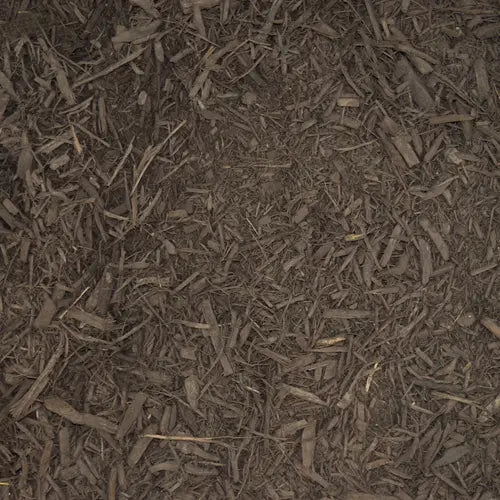
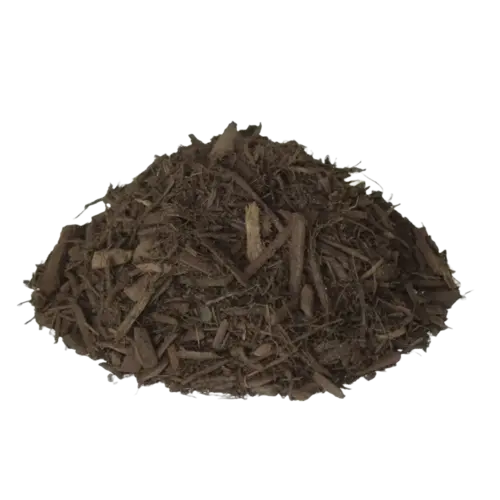
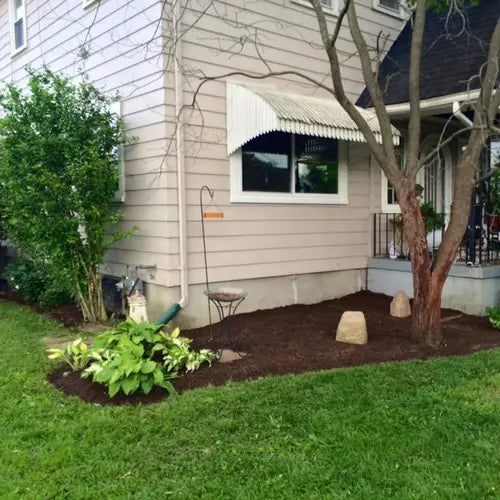
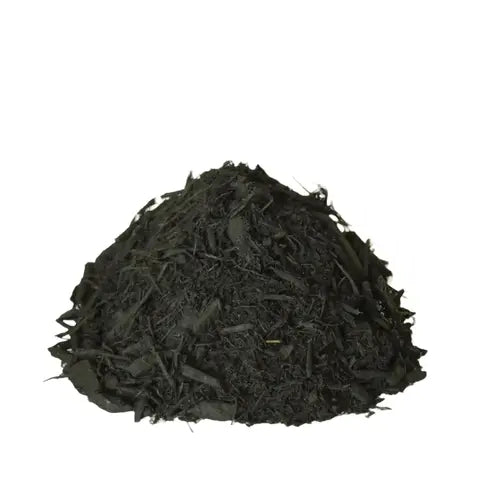
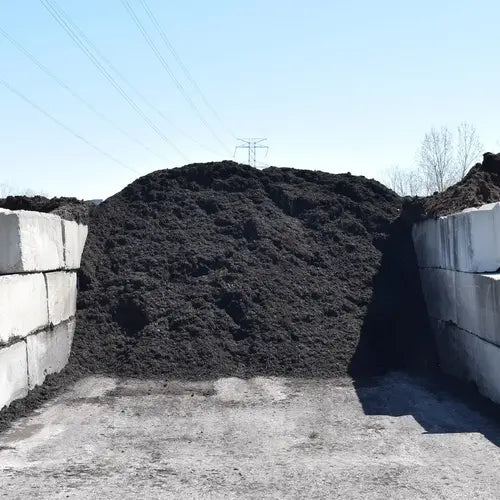
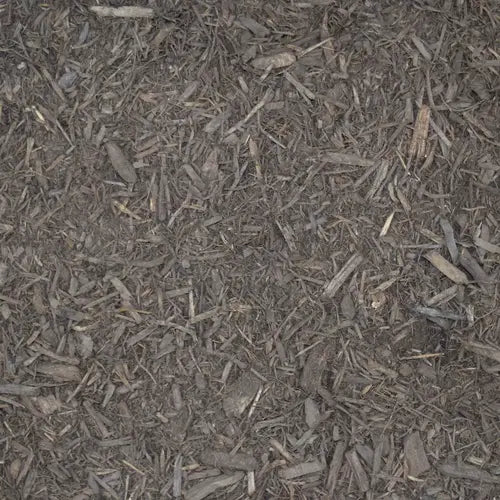
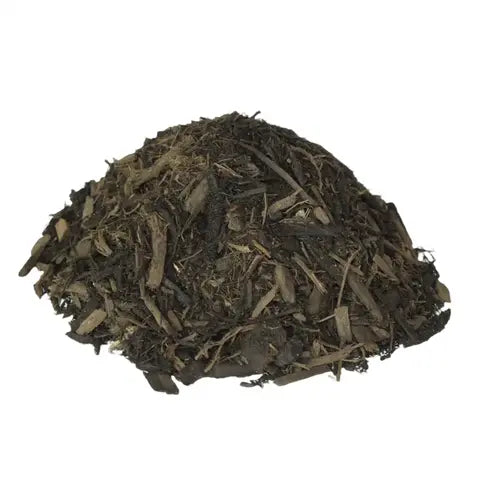
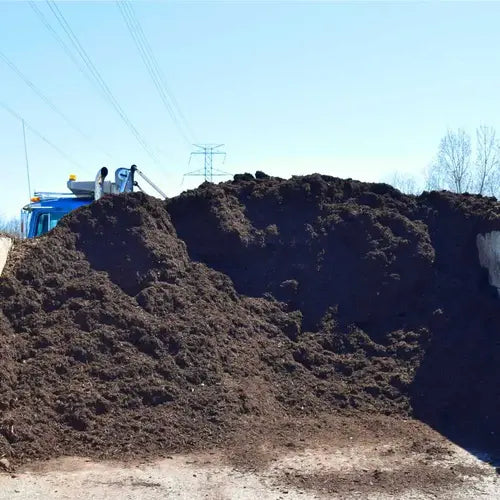
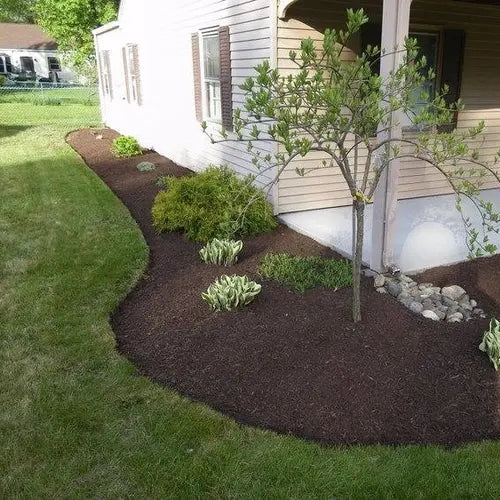
Warm brown double shredded mulch with lasting color that looks freshly applied for weeks. Spreads smooth, stays put, and gives beds a natural, polished appearance.
Delivery was on time and great quality Mulch. Got it done in a reasonable time and yard looks great. Couldn’t be happier!!! Thank you and will use again!!
Tell us what you're looking for
Thanks! We received your request.
Something went wrong. Please try again.
How Much Material Do I Need?
For Duluth's clay soil, 3 inches of mulch depth hits the sweet spot between moisture retention and drainage, and going beyond 4 inches risks creating conditions that are too wet for most Zone 4b perennials. Order a little extra to account for settling, especially after the first heavy rains of the season.
Use our free mulch calculator
What is a yard?
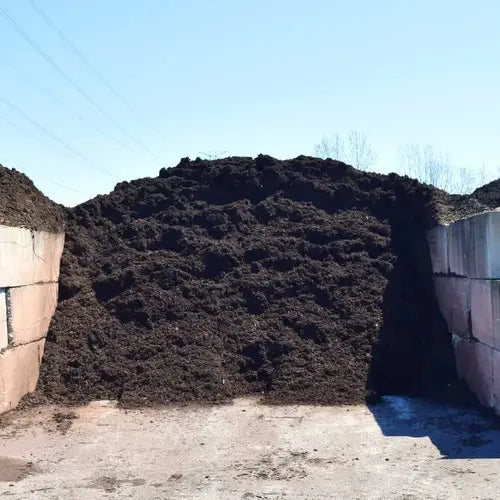
A yard is approximately 27 cubic feet. As a general guideline, one yard of material can cover an area of about 100-160 square feet at a 2-3 inch depth.
We can't take orders for this right now. Tell us what you need and we'll get back to you.
What do you need?
Thanks! We received your request.
Something went wrong. Please try again.
Hand-picked local yards
4,000+ regional deliveries
Dedicated support
Why order through Mulch Mound
The best local mulch, without the guesswork.
We hand-pick and partner with the best yards in your region, keep only the ones our buyers rate well, and back each load with our guarantee.
Mulch Mound Guarantee
If your mulch isn't the quantity or quality you ordered, we'll make it right.
About this mulch
Warm brown double shredded mulch with lasting color that looks freshly applied for weeks. Spreads smooth, stays put, and gives beds a natural, polished appearance.
Delivery was on time and great quality Mulch. Got it done in a reasonable time and yard looks great. Couldn’t be happier!!! Thank you and will use again!!
How Much Material Do I Need?
For Duluth's clay soil, 3 inches of mulch depth hits the sweet spot between moisture retention and drainage, and going beyond 4 inches risks creating conditions that are too wet for most Zone 4b perennials. Order a little extra to account for settling, especially after the first heavy rains of the season.
Use our free mulch calculator
What is a yard?
A yard is approximately 27 cubic feet. As a general guideline, one yard of material can cover an area of about 100-160 square feet at a 2-3 inch depth.
Delivery was on time and great quality Mulch. Got it done in a reasonable time and yard looks great. Couldn’t be happier!!! Thank you and will us...
Read full review
Delivery was on time and great quality Mulch. Got it done in a reasonable time and yard looks great. Couldn’t be happier!!! Thank you and will use again!!
Mulch Mound delivered a yard of pea gravel to us. Delivery was on time, driver was friendly and hit a bullseye on the “tarp target”. We used the ...
Read full review
Mulch Mound delivered a yard of pea gravel to us. Delivery was on time, driver was friendly and hit a bullseye on the “tarp target”. We used the pea gravel (which was diameter as specified) to fill several muskrat holes around our pond. I would definitely recommend Mulch Mound to a friend!
I can’t say enough good things about Mulch Mound! If you read my review below you will see I had a problem with my order. Mulch Mou...
Read full review
UPDATE!
I can’t say enough good things about Mulch Mound! If you read my review below you will see I had a problem with my order. Mulch Mound was quick to respond and solved the issue with my delivery. Will definitely be a customer next year.
First time purchase from Mulch Mound!! First what I liked! Easy to order online and straight forward pricing and delivery. The driver was on time and courteous and delivered my Mulch exactly where I requested! The product is of good quality and comparable to others I have purchased from before. Now what I DID’NT LIKE! I have been mulching the same house and yard for almost 20 years. I always order the same amount and don’t have any issues with covering the same area but this year I fell about a yard short. I was home when the mulch was delivered and when the driver dumped it I noticed that it seemed a bit less than I was used to. I didn’t apply it any thicker than usual and probably a bit thinner than usual because I was worried about running out.
To estimate how much mulch you need, measure the length and width of each bed in feet and multiply them together to get square footage, then decide on your target depth. In Duluth, where clay soil already retains moisture, a 3-inch depth is the safe target that avoids overwatering issues while still suppressing weeds through the short growing season. One cubic yard of bulk mulch covers about 108 square feet at 3 inches deep, so divide your total square footage by 108 to get the number of yards to order.
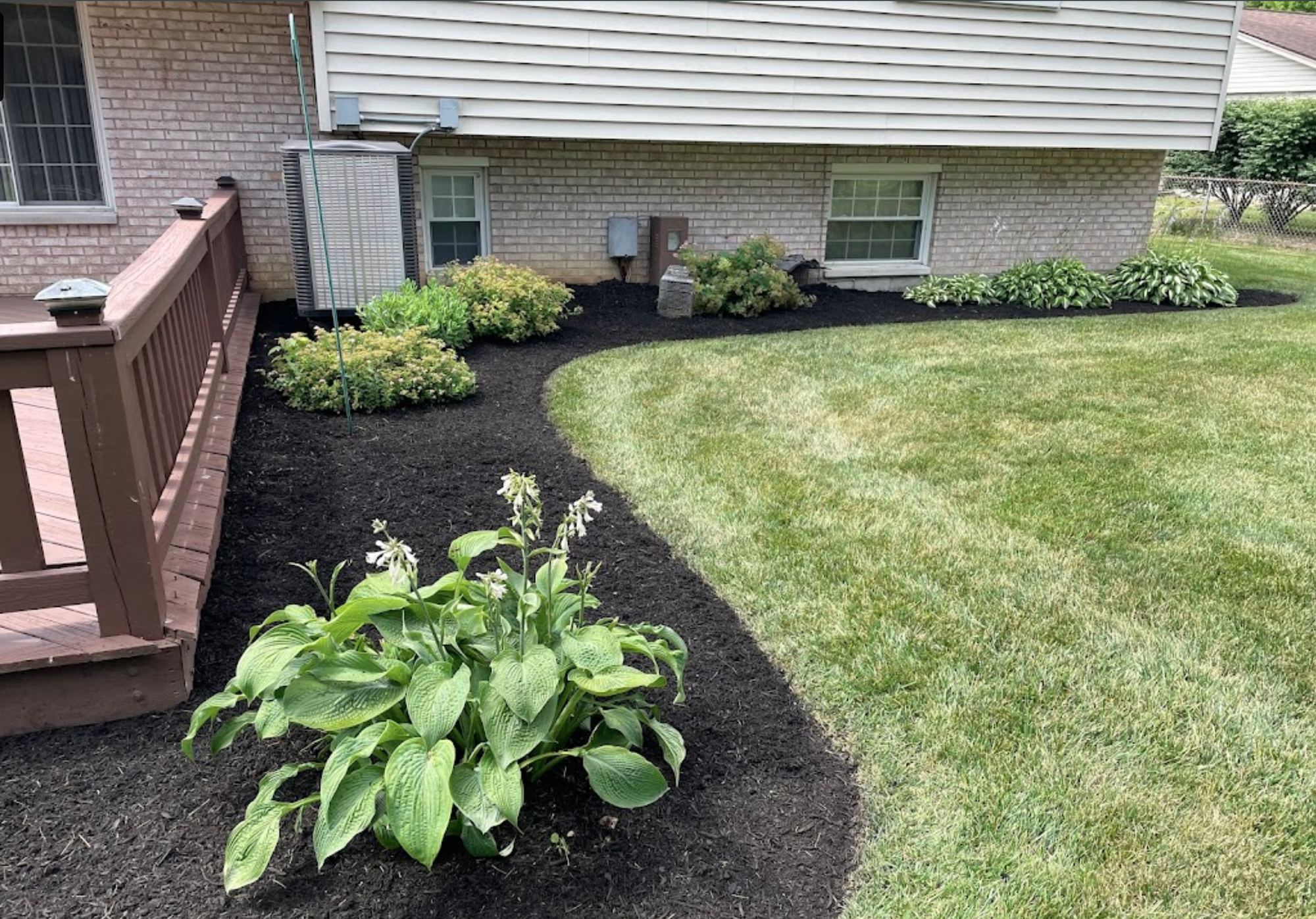
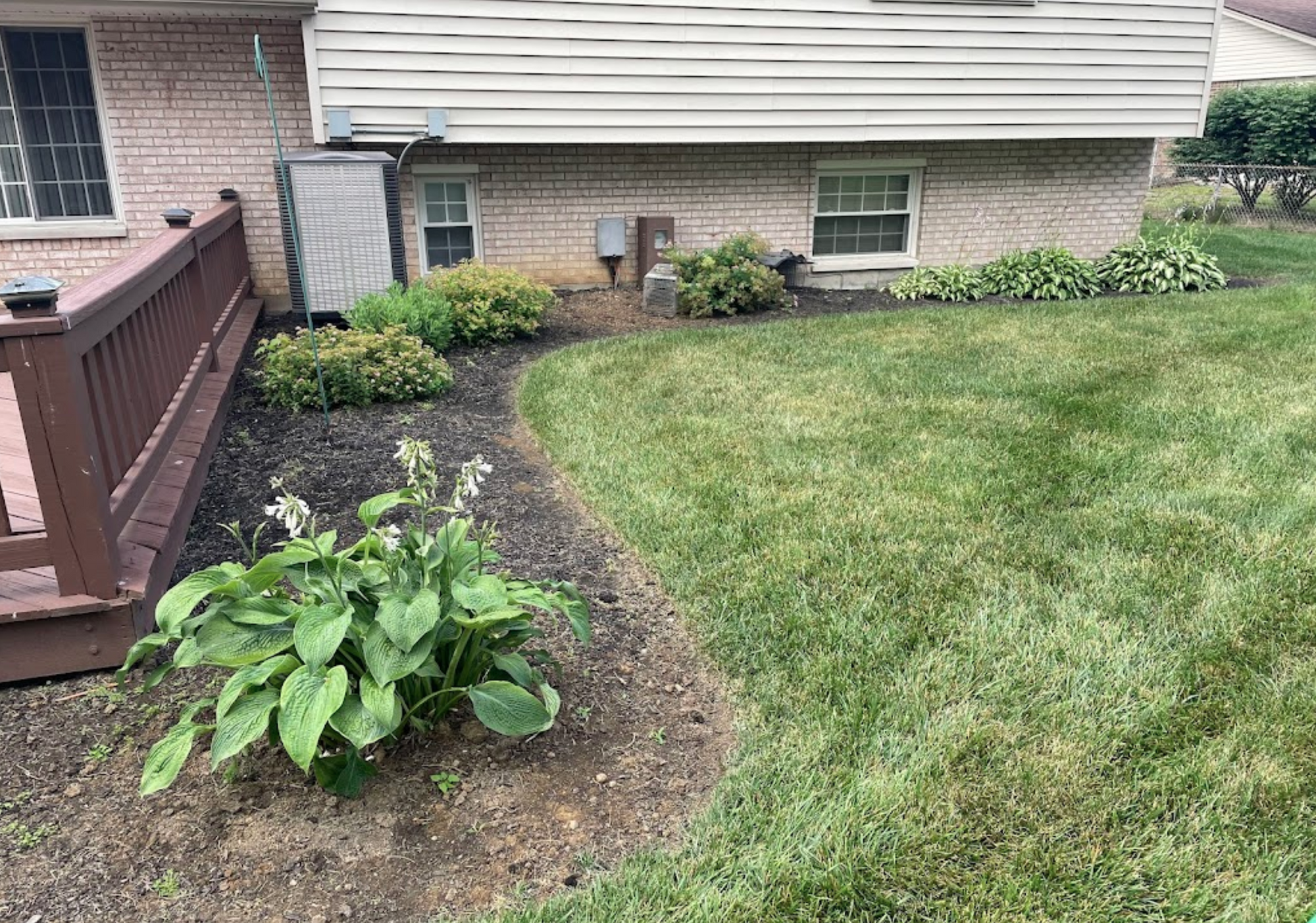
Mulch vs. No Mulch: The Difference
Duluth's cool, moist climate creates a mulch environment that differs from most of Minnesota, where drier air slows decomposition and extends the life of both natural and dyed products. The moisture and temperature swings that come with living at 938 feet near Lake Superior accelerate breakdown in natural mulch but also speed up the beneficial soil-building process beneath it. Dyed mulches retain their visual impact longer through Duluth's rainy summers and are popular for high-visibility beds, while natural mulches earn their keep by continuously working to improve the stubborn clay soil underneath season after season.
Before
After
Best Mulch Choice for Duluth Lawns
Most yards in the Duluth area sit on Clay type of soil. Duluth's clay soil compacts heavily under foot traffic and seasonal freeze-thaw pressure, making it difficult for plant roots to expand and access the nutrients they need through a growing season that is already under 100 days long. Adding organic mulch on top is one of the most effective surface-level strategies for beginning to loosen that compaction gradually over multiple seasons.
Hardwood Mulch
Hardwood mulch is particularly well suited to Duluth's clay because as it decomposes it releases organic compounds that help break apart the tightly packed fine particles in clay, improving both aeration and drainage over time. After multiple seasons of consistent application, hardwood mulch layers effectively act as a slow-release soil amendment, making Duluth beds progressively easier to plant and maintain each year.
Mulch Types We Deliver in Duluth
Mulch Mound delivers bulk mulch by the cubic yard straight to your property, making it easy to refresh beds and borders without hauling bags or renting equipment. If you have been searching for bulk mulch delivery in Duluth, our straightforward ordering process and flexible drop-off scheduling make it simple to get started.
Dyed Black Mulch
Bold and striking, this double shredded black mulch brings sharp contrast to perennial beds and foundation plantings. The rich dyed color holds well through Minnesota's wet springs and summer rain, and the smooth texture spreads easily for a clean, finished look.
Dyed Brown Mulch
Warm and welcoming, this double shredded brown mulch delivers lasting color that looks freshly applied for weeks. It pairs naturally with the earthy tones common in northern Minnesota landscapes and holds its place through wind and the heavy rains that move through the region each summer.
Natural Brown Mulch
For those who prefer an undyed look, this double shredded natural brown mulch offers a warm earthy tone straight from the wood. It fits quietly into naturalistic yard settings common in northern Minnesota and breaks down gradually to benefit the region's heavier clay soils.
Cedar Mulch
Aromatic and naturally insect-repelling, cedar mulch is a smart choice for wooded lots and shaded borders where pests tend to gather. Available in double shredded style, it provides long-lasting ground cover while its natural oils help protect plantings without added chemicals.
Complete Your Outdoor Mulch Project
If you are refreshing beds this season, pair your mulch order with a delivery of screened topsoil to amend planting areas where Duluth's clay has compacted the most, and consider decorative stone for border edging or pathway sections that hold up cleanly through the full freeze-thaw cycle.
Duluth's clay soil tends to shed water rather than absorb it, especially after it has dried and crusted between rain events. Before laying mulch, loosen the top inch of soil with a rake to break that crust and give the mulch's moisture benefits the best possible path into the root zone. This simple step makes a real difference during Duluth's dry stretches in July and August when the city can go two to three weeks without significant rainfall.
Mulch Mound Pro Tip
Because Duluth's growing season runs fewer than 100 days, getting mulch down early is worth prioritizing each year. Laying it within the first two weeks after the June 7 last frost date keeps soil from warming too slowly, which can delay root establishment in perennials and slow vegetable garden development significantly. A quick application in early June is one of the highest-return tasks a Duluth gardener can complete each season.
Mulch Mound Pro Tip
Duluth receives about 31 inches of rain annually, and much of it arrives in heavy spring and summer events that can displace fine-particle mulch from sloped beds. Choosing a medium to coarse hardwood mulch product gives you better resistance to runoff, and keeping your layer at a consistent depth across the whole bed prevents thin spots from turning into bare soil patches during the next downpour. Check your mulch depth after the first two or three significant rains of the season and top off any areas that have shifted.
Frequently Asked Questions
Click a question to see the answer
Answer
How thick should I apply mulch over Duluth's clay soil?
In Duluth, a 3-inch layer is generally ideal for clay soil beds. Clay already holds moisture well, so going thicker than 4 inches can cause waterlogging that suffocates roots. A 3-inch depth also provides enough insulation to buffer the sudden temperature drops that come off Lake Superior even in late summer.
Answer
Will mulch help my plants survive Duluth's early fall frosts?
Yes, mulch is one of the best defenses against Duluth's first frost, which typically arrives around September 13. A consistent layer insulates the soil and slows the rate at which ground temperature drops overnight, giving perennial roots a few extra weeks of warmth going into the cold season. Applying fresh mulch in late August before the first cold nights is a smart habit for Zone 4b gardeners.
Answer
Does Duluth's rainfall wash bulk mulch downhill on sloped yards?
Sloped lots in Duluth can see mulch migration during heavier rain events, especially in the hillside neighborhoods above downtown. Using a chunkier hardwood mulch rather than a fine-shredded product helps pieces interlock and resist movement. You can also install simple edging along the downhill border of any bed to keep material in place during the 31 inches of annual precipitation the city receives.
Answer
When is the best time to put down a fresh layer of mulch in Duluth?
The ideal window in Duluth is late May through the first two weeks of June, just after the last frost date around June 7. Applying mulch while the soil is still cool from the long winter helps lock in moisture before July heat arrives. A second light top-dress in early September can also extend root warmth going into Duluth's short fall.
Answer
Is natural or dyed mulch better for a Duluth landscape?
Both work well in Duluth, but natural hardwood mulch has the added advantage of breaking down into organic matter that slowly improves clay soil structure over time. Dyed mulch tends to hold its color longer through Duluth's rainy summers and retains its appearance well into fall, which many homeowners prefer for curb appeal. If improving the underlying clay soil is a priority, natural mulch is the better long-term investment.
Answer
How often do I need to replenish mulch given Duluth's climate?
In Zone 4b, mulch breaks down faster than in warmer climates because freeze-thaw cycles accelerate decomposition throughout the fall and spring shoulder seasons. Most Duluth homeowners plan on a fresh 1 to 2-inch top-dress every spring to maintain the recommended depth. Natural hardwood mulches typically need refreshing annually, while dyed or cedar mulches can sometimes last through a second season before color and depth fade significantly.
Answer
Can mulch actually improve my clay soil over several years?
Yes, and this is one of the most compelling reasons to use natural mulch consistently in Duluth. As hardwood mulch breaks down into the clay beneath it, it introduces organic matter that helps loosen compaction, improves aeration, and gives roots room to grow more freely. After three to five seasons of consistent mulching, many Duluth gardeners notice noticeably improved drainage and softer soil texture in their established beds.
The Unique Landscape of Duluth
Duluth's dense clay soil compacts aggressively under the region's freeze-thaw cycles, making it one of the tougher environments in the upper Midwest for maintaining healthy plant beds. With a growing season that runs only from roughly June 7 to September 13, every week of productive root growth matters, and a reliable mulch layer helps capture that short window by keeping soil conditions stable. The 31 inches of annual rainfall Duluth receives tends to run off compacted clay rather than soaking in, so mulch acts as a critical buffer that slows water movement and encourages deeper absorption near the root zone. Soil temperatures in Zone 4b can fluctuate dramatically even in midsummer at Duluth's 938-foot elevation, and mulch insulates roots against the unexpected cold snaps that roll in off Lake Superior. Keeping beds covered also cuts down on the intense weed pressure that explodes during Duluth's brief but vigorous growing season, reducing the maintenance burden when your available growing time is already limited.