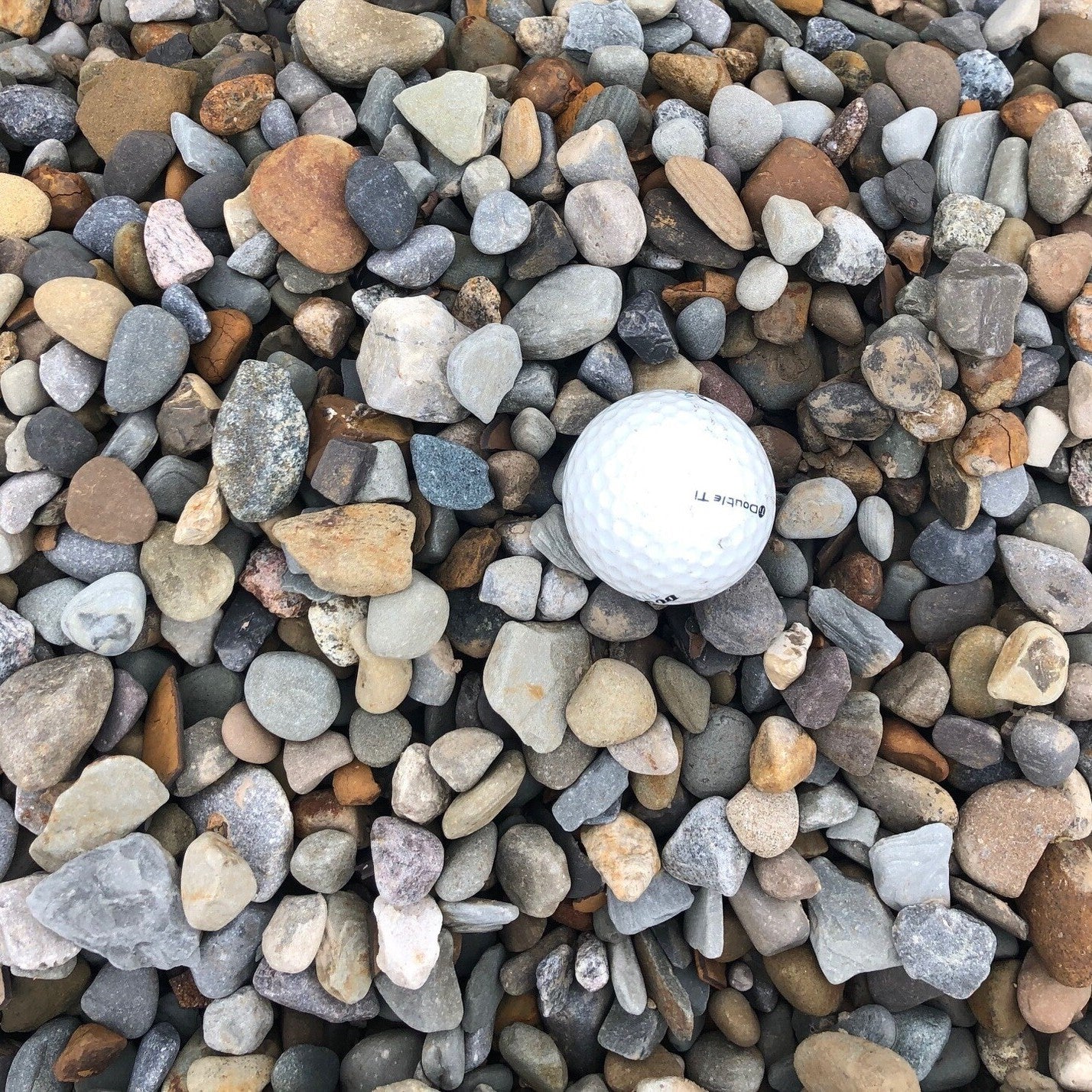
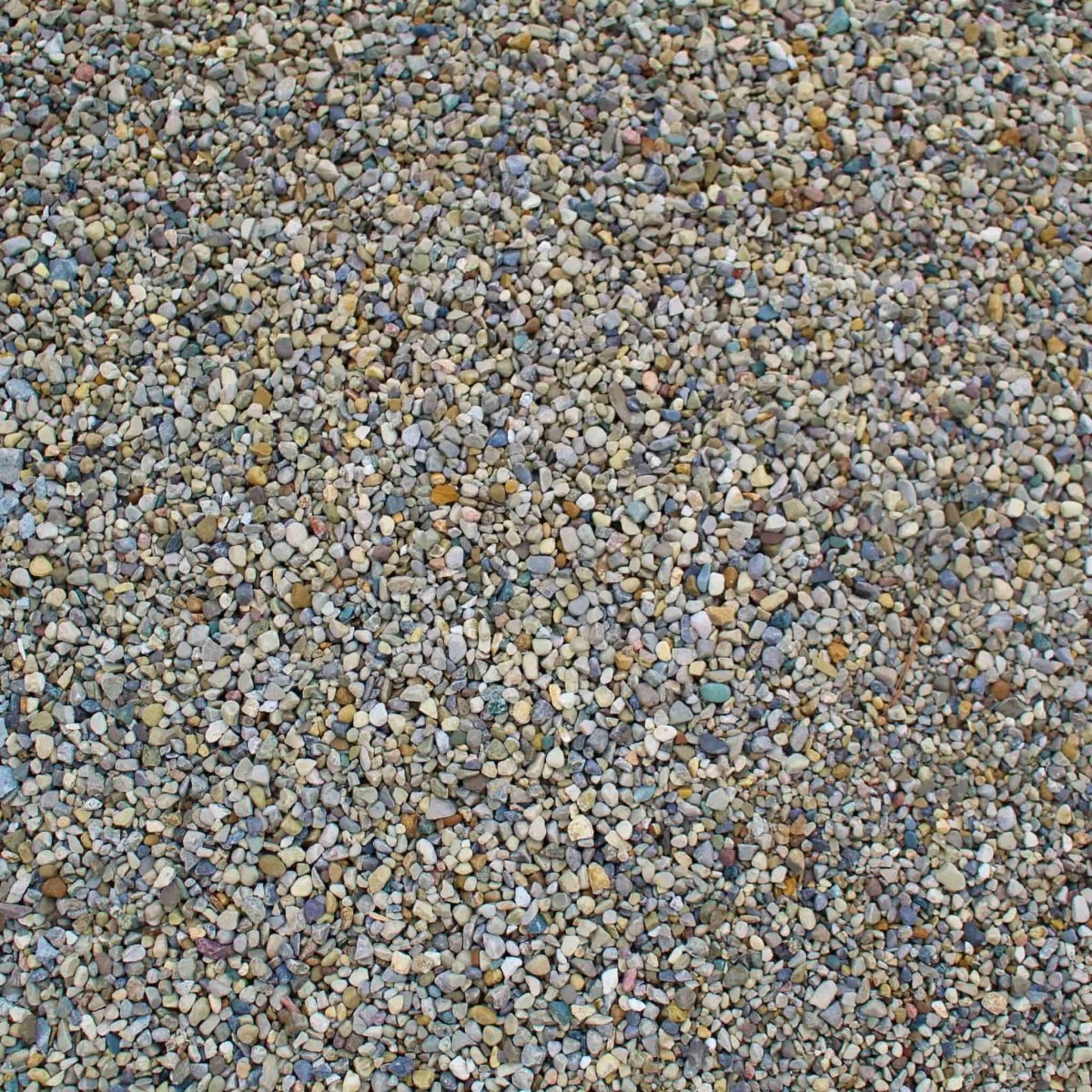
Number 57 crushed stone, angular limestone graded to about three quarters of an inch. The standard driveway, base and drainage gravel, it locks together under traffic and drains fast.
My experience with Mulch Mound was great and super easy. I ordered two yards of screened topsoil and was able to get it delivered within 2 days. They came in my requested time frame (afternoon) and dropped it off where I asked on my driveway. The topsoil was exactly what was a...
Tell us what you're looking for
Thanks! We received your request.
Something went wrong. Please try again.
How Much Material Do I Need?
For most decorative and functional applications in Duluth, a 2 to 3-inch depth of stone is sufficient to suppress weeds, manage surface drainage, and create a stable surface through freeze-thaw cycles. On sloped sites or active drainage channels, a deeper 4-inch layer provides more stability against the movement that Duluth's seasonal conditions can create.
Use our free gravel calculator
What is a yard?
A yard is approximately 27 cubic feet. As a general guideline, one yard of material can cover an area of about 100-160 square feet at a 2-3 inch depth.
We can't take orders for this right now. Tell us what you need and we'll get back to you.
What do you need?
Thanks! We received your request.
Something went wrong. Please try again.
Hand-picked local yards
4,000+ regional deliveries
Dedicated support
Why order through Mulch Mound
The best local stone, without the guesswork.
We hand-pick and partner with the best yards in your region, keep only the ones our buyers rate well, and back each load with our guarantee.
Mulch Mound Guarantee
If your stone isn't the quantity or quality you ordered, we'll make it right.
About this stone
Number 57 crushed stone, angular limestone graded to about three quarters of an inch. The standard driveway, base and drainage gravel, it locks together under traffic and drains fast.
My experience with Mulch Mound was great and super easy. I ordered two yards of screened topsoil and was able to get it delivered within 2 days. They came in my requested time frame (afternoon) and dropped it off where I asked on my driveway. The topsoil was exactly what was a...
How Much Material Do I Need?
For most decorative and functional applications in Duluth, a 2 to 3-inch depth of stone is sufficient to suppress weeds, manage surface drainage, and create a stable surface through freeze-thaw cycles. On sloped sites or active drainage channels, a deeper 4-inch layer provides more stability against the movement that Duluth's seasonal conditions can create.
Use our free gravel calculator
What is a yard?
A yard is approximately 27 cubic feet. As a general guideline, one yard of material can cover an area of about 100-160 square feet at a 2-3 inch depth.
My experience with Mulch Mound was great and super easy. I ordered two yards of screened topsoil and was able to get it delivered within 2 days. Th...
Read full review
My experience with Mulch Mound was great and super easy. I ordered two yards of screened topsoil and was able to get it delivered within 2 days. They came in my requested time frame (afternoon) and dropped it off where I asked on my driveway. The topsoil was exactly what was advertised, clean with no rocks or other debris. The price was reasonable. I plan to use them again in a couple weeks to order compost for my garden beds.
Really appreciate the care and follow thru that this company had with our order. A hiccup came up but they were quick to respond and address all co...
Read full review
Really appreciate the care and follow thru that this company had with our order. A hiccup came up but they were quick to respond and address all concerns, which made our garden day a success! Thank you for your prompt care.
To estimate stone needs, multiply the length and width of your area in feet to get square footage, then plan on a depth of 2 to 3 inches depending on your goal. In Duluth, where clay soil can cause gradual settling under heavy material, ordering slightly more than your calculation suggests is wise since you may need to top off areas after the first winter freeze cycle. Dividing square footage by 100 gives you a close estimate of cubic yards needed at a 3-inch depth.
Stone Types We Deliver in Duluth
If you have been searching for bulk gravel by the yard in Duluth, Mulch Mound delivers natural stone directly to your property by the cubic yard. Our stone varieties are suited to the region's cold winters, clay-heavy soils, and the woodland landscape styles common across northern Minnesota.
Pea Gravel
Pea gravel is a go-to choice for pathways, patio edging, and decorative ground cover. Its smooth, rounded texture and warm earth tones look natural in northern Minnesota's woodland yards, and it drains well in clay-heavy soil through wet spring seasons.
3/4" River Stone
These smooth, rounded river rocks work well for decorative ground cover, clean landscape borders, and dry creek beds. Their compact 3/4 inch size makes them easy to spread and reshape, and they hold up reliably through the region's freeze-thaw winters.
1-2" River Stone
At 1 to 2 inches, this smooth river rock offers a bolder look than pea gravel while staying versatile enough for dry creek beds and decorative ground cover. It holds its position well on slopes common to northern Minnesota's rolling terrain.
2-6" River Stone
These large, smooth river stones make a strong visual statement in feature landscaping and work well along garden borders or around trees. Their size helps with erosion control on slopes, a practical benefit in areas with heavy spring runoff.
Complete Your Outdoor Stone Project
Round out your stone project with a delivery of mulch for the planted bed areas nearby, and consider adding topsoil to any low or bare spots in the lawn before winter so your yard is ready for Zone 4b spring planting as soon as conditions allow after the June 7 last frost date.
Duluth's clay soil does not drain freely, and placing stone directly on unprepared clay creates a layer that can trap water between the stone and the impermeable soil below. Always install a layer of geotextile landscape fabric over graded clay before placing stone, and where drainage is a concern, consider adding a 2 to 3-inch layer of coarse gravel beneath the decorative stone surface as a drainage base. This two-layer system keeps your stone looking good and prevents the soggy pockets that form when clay and stone interact without proper separation.
Mulch Mound Pro Tip
In Duluth's hillside neighborhoods, stone pathways need to be designed with slope in mind from the start. Even a gentle cross-slope of about 1 to 2 percent across the path surface helps shed the water from Duluth's spring snowmelt and summer rain events before it can undercut the stone and create ruts or washouts. Angular crushed stone or decomposed granite compacts well enough to hold a grade and gives you far more control over drainage direction than round river rock, which tends to roll and resettle after each significant rainfall.
Mulch Mound Pro Tip
Stone placed around tree bases and in foundation beds in Duluth can absorb and radiate significant heat on sunny summer days, raising soil temperature in the immediate area. In Zone 4b, this is actually beneficial early in the season when you are trying to warm up slow-to-heat clay soil around plantings near your home's foundation. Be mindful, however, of placing heat-absorbing dark stone directly against the crowns of perennials, as soil temperatures that spike too high can stress shallow roots during Duluth's occasional July heat spikes.
The Unique Landscape of Duluth
Decorative and functional stone is one of the most durable landscape investments a Duluth homeowner can make, standing up to the freeze-thaw cycles, ice, and heavy snow loads that destroy less rugged materials season after season. Duluth's clay soil makes erosion a real challenge on the sloped terrain that defines much of the city, and stone placed along hillside borders, swales, and drainage channels can hold the line in ways that mulch and plants alone cannot. Low-maintenance stone beds and pathways also make practical sense in a city with fewer than 100 days of growing season, since they look attractive year-round without the mowing, weeding, and replanting demands that living ground covers require. Stone borders and edging help define the landscape during the long months when snow covers everything else, giving the yard a structured appearance from the first fall frost through the late spring thaw. Whether you are solving a drainage problem, creating a pathway, or simply reducing the area of high-maintenance lawn, bulk stone is a material that earns its cost back across many Duluth winters.
Frequently Asked Questions
Click a question to see the answer
Answer
What size stone works best for drainage swales on Duluth's sloped yards?
For drainage channels and swales in Duluth, a 2 to 4-inch river rock or clean crushed stone is generally the best choice. Smaller gravel can migrate under the force of Duluth's heavier rain events and spring snowmelt, while larger stone stays in place and allows water to channel through it effectively. If you are lining a swale that carries significant runoff, a 3-inch clean stone provides the best balance of flow capacity and long-term stability.
Answer
Will decorative stone shift or sink in Duluth's clay soil over winter?
Clay soil's freeze-thaw cycles can cause stone to heave or shift over time, particularly with smaller decorative gravel. The best way to minimize movement is to install a layer of landscape fabric over graded clay before placing stone, which separates the stone from the clay and reduces frost heaving. Pathways and high-foot-traffic areas benefit from a compacted gravel base beneath the decorative stone layer for added stability through Duluth's winters.
Answer
Can I use stone mulch instead of wood mulch around my foundation in Duluth?
Stone is a popular choice for foundation beds in Duluth for several good reasons. It does not decompose or attract the fungal issues that wood mulch can develop in Duluth's moist climate, and it stays in place far better on the sloped sites that are common around many Duluth homes. River rock or a medium crushed stone in a 2 to 3-inch layer along the foundation looks clean year-round and requires almost no maintenance regardless of the season.
Answer
What type of stone is best for a walkway that has to survive Duluth winters?
For walkways in Duluth, a compacted crushed limestone or angular gravel base topped with a finer decorative stone creates a surface that handles freeze-thaw well and provides traction even in icy conditions. Avoid round river rock on walk surfaces since it rolls underfoot and becomes a safety hazard on Duluth's sloped properties when wet or icy. Angular crushed stone binds together better and stays stable through the repeated freeze and thaw events of a Zone 4b winter.
Answer
How much stone do I need to cover a low-maintenance bed in my Duluth yard?
For a decorative stone bed in Duluth, a 2 to 3-inch depth is the standard recommendation. That depth is enough to suppress most weed growth and cover the landscape fabric beneath it without requiring an excessive amount of material. Measure your bed area in square feet and divide by 100 to estimate the cubic yards needed for a 3-inch depth, which gives you a practical starting point for placing a bulk order.
Answer
Does stone help with the erosion problems that are common on Duluth hillside properties?
Stone is one of the most effective erosion control materials available for Duluth's hilly terrain. On slopes where the city's annual rainfall and spring snowmelt cause soil to shift and wash, a layer of angular rip-rap or large river rock can anchor the surface and redirect water flow without the maintenance demands of planted slope covers. For severe erosion areas, combining stone with a French drain system addresses both the symptom and the underlying source of the water movement.
Answer
Is stone a good option for areas in my Duluth yard where nothing seems to grow?
Absolutely. Duluth has plenty of spots where compacted clay, heavy shade from mature trees, or rocky subsoil make growing grass or plants nearly impossible despite your best efforts. Converting those problem areas to decorative stone with quality landscape fabric underneath is one of the most practical landscape decisions you can make in Duluth. It eliminates the frustration of replanting year after year and gives you an attractive, low-maintenance surface that looks good from the first frost all the way through the next spring thaw.
Answer
What is Class 5 gravel?
Class 5 gravel is a MnDOT-spec crushed aggregate base, mixed with fines so it packs down hard for driveways, shed pads, and paver bases. For Duluth properties dealing with sloped, clay-heavy yards, our Crushed Stone #57 is often the better choice, since it drains freely around drainage channels and hillside borders instead of compacting like a base material.